


Mid 19th Century Picture
A mid 19th century picture brings Victorian wall art and needlework into a room, offering genuine period character for a collector.
Mid 19th Century Picture
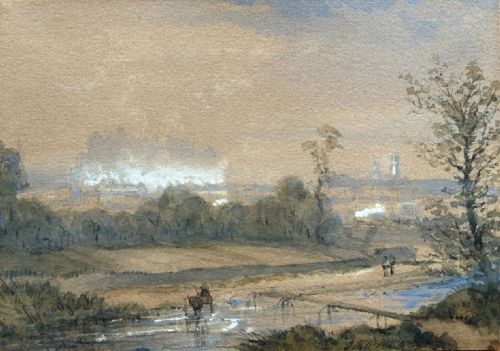
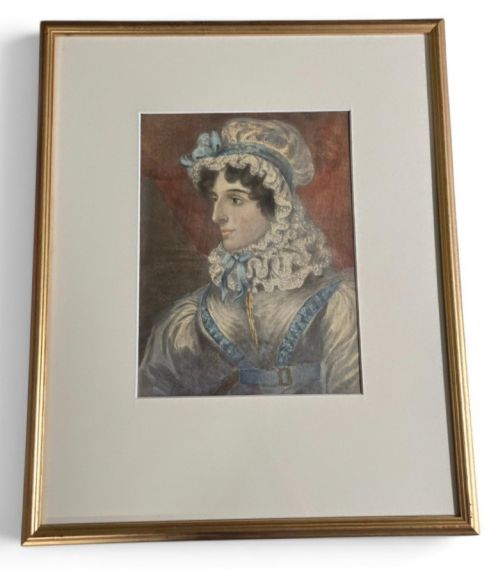
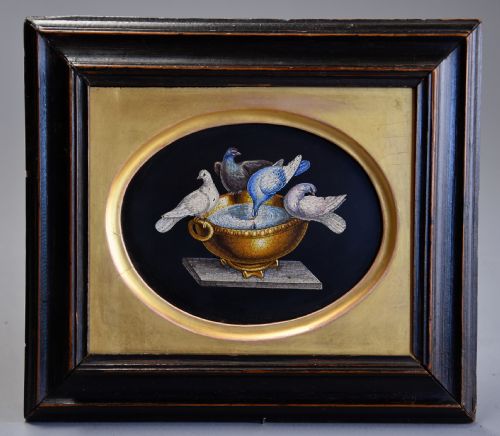
A mid 19th century picture encompasses a diverse range of wall art and framed artwork created during the Victorian and Regency eras. Buyers will encounter watercolours, oil paintings, silkwork pictures, needlework tapestries, and detailed micromosaic plaques.
How they were made
Artists and makers utilised traditional materials such as paper, canvas, wool, and glass, often housing the works in wooden or giltwood frames. Watercolour paintings and oil on board utilised pigments applied with fine brushes to capture landscapes and portraits.
Needlework pieces relied on wool and silk threads stitched onto canvas grounds to form detailed pictorial scenes like gross point needlework and Berlin wool work. Frames were constructed from wood and gesso, frequently finished with a gilt gold leaf application.
Listings feature works created across several decades, using watercolours, oils, wool, and silk on canvas and paper supports.
What varies in quality
The standard of execution separates works of high artistic merit from standard domestic pieces, particularly in the fine brushwork of watercolours and oils. Skill in needlework is measured by the tightness of the stitch and the complexity of the colour blending within wool and silk threads.
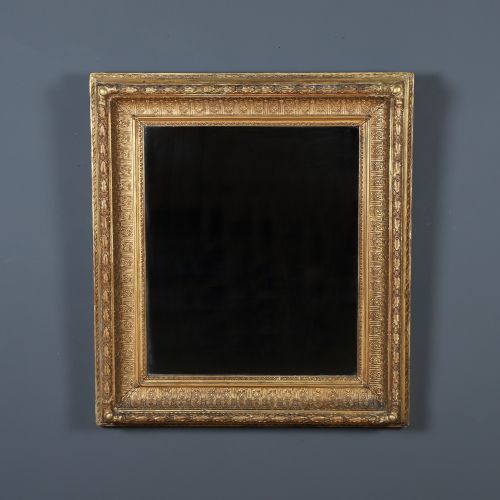
Original framing significantly influences the overall character, with hand-carved giltwood and gesso frames holding greater visual weight than later replacements. The preservation of the underlying paper, canvas, or textile also determines the enduring clarity of the image.
John R Prentice·Edward Bradford·Robert Faulkner·Benjamin CALLOW·JOHN E. BOSANQUET
The Mid 19th Century Picture Glossary
- Watercolour painting
- A picture created using water-soluble pigments on paper. This medium allows for transparent washes of colour that capture light and atmosphere.
- Berlin wool work
- A type of counted-thread embroidery popular during the nineteenth century. It uses brightly coloured wools worked onto a canvas grid from printed pattern charts.
- Micromosaic
- An intricate decorative technique using tiny glass tesserae to form a detailed picture. These plaques were often mounted in ebonised frames as portable works of art.
- Giltwood
- Wood that has been coated with a thin layer of gold leaf or gilt paint. It is commonly found on traditional picture frames and overmantle mirrors.
- Gros point
- A needlepoint stitch worked over a single intersection of canvas threads. It produces a durable, textured surface ideal for pictorial tapestries.
Mid 19th Century Picture: Frequently Asked Questions
How do I care for a textile picture?
Keep textile and wool work away from direct sunlight to prevent the threads from fading. Ensure the room maintains a stable humidity level to protect the underlying canvas and wooden backing.
Dust the glass gently with a dry microfibre cloth and avoid using liquid cleaners near the frame edge.
Were these pictures originally framed?
Most mid-nineteenth-century works were sold with contemporary frames made of wood, gesso, or giltwood. Original frames often show age-appropriate wear that complements the artwork.
Some pieces may have been re-framed later to suit changing interior decoration styles.
What is a tinsel print?
A tinsel print is a theatrical portrait from the nineteenth century embellished with pieces of metal foil, silk, and fabric. These decorative additions highlighted the costumes of popular actors on stage.
They are typically found mounted behind glass within narrow wooden frames.
Can I hang these in a hallway?
Watercolours and paper-based works require protection from damp environments and direct sunlight. Hallways with indirect light and stable temperatures suit framed watercolours and small oil paintings well.
Larger wool work tapestries and gilt-framed mirrors add presence to entrance spaces.