

Gold Frame Sporting Art
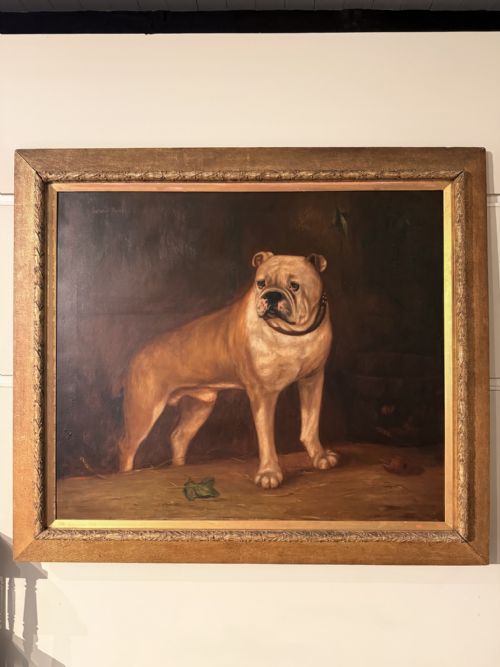
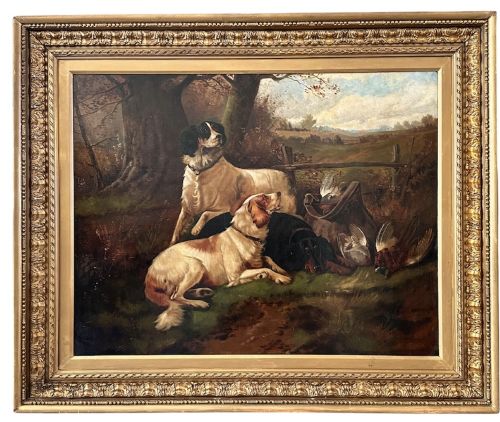
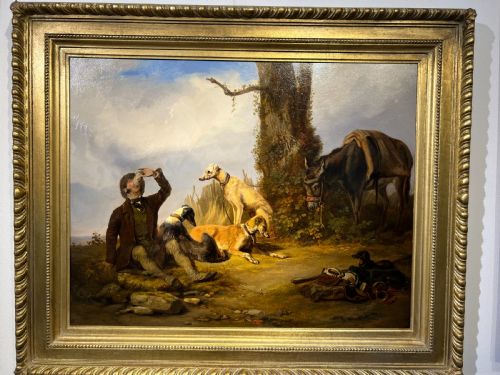
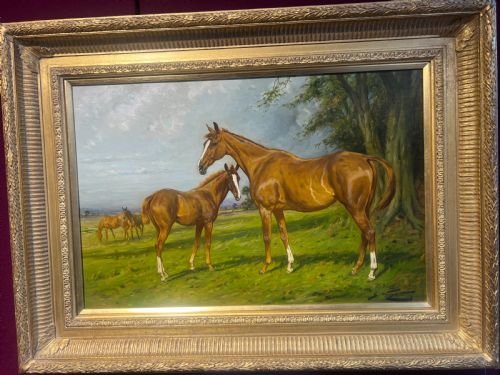
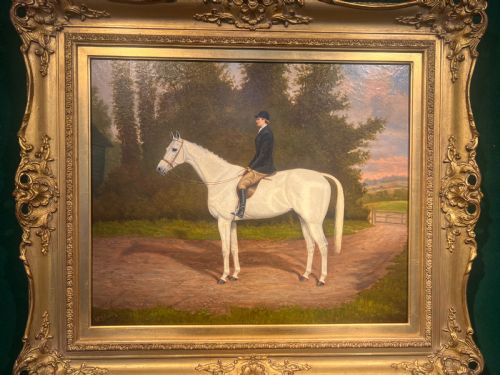
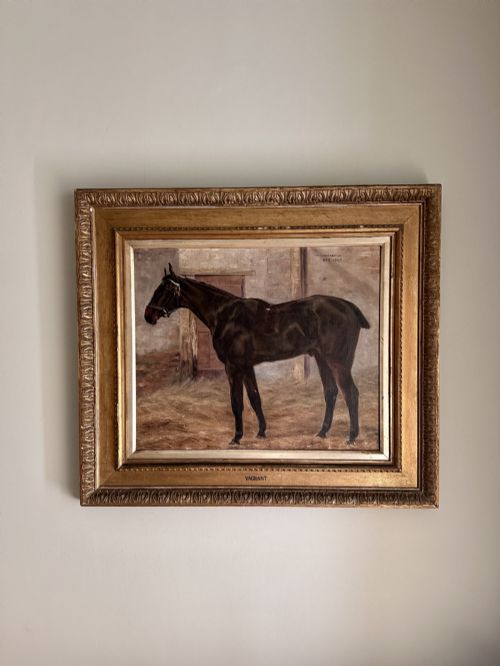
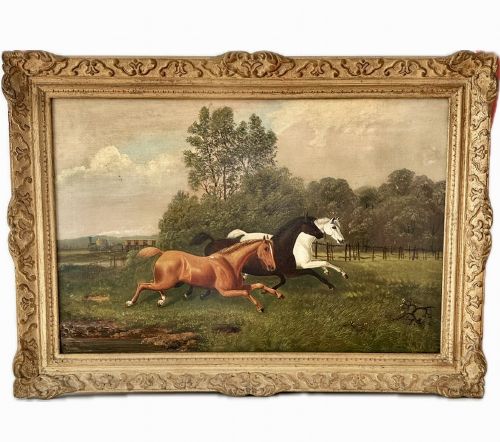
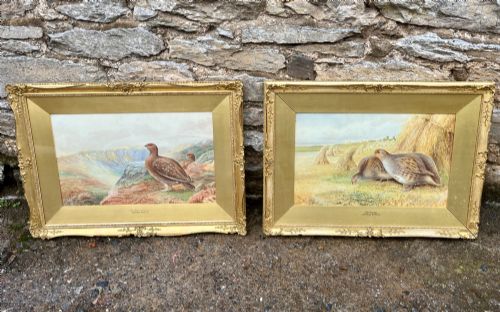
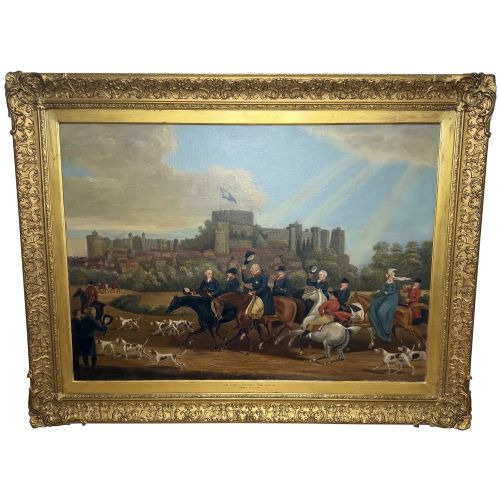
Gold frame sporting art brings together traditional canine portraits, galloping horses and country pursuits encased in gilt wooden surrounds.
Gold Frame Sporting Art
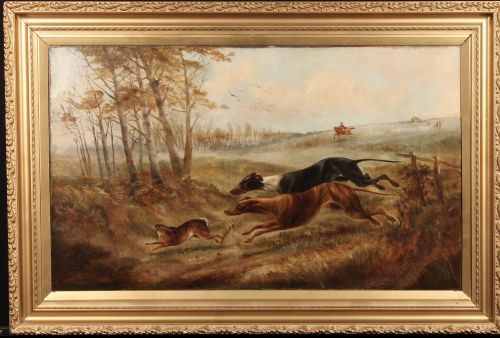
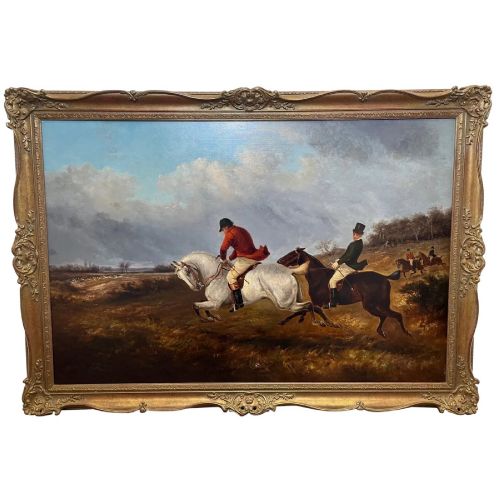
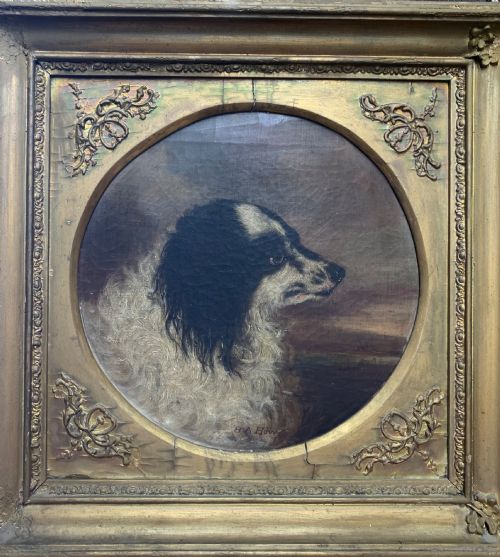
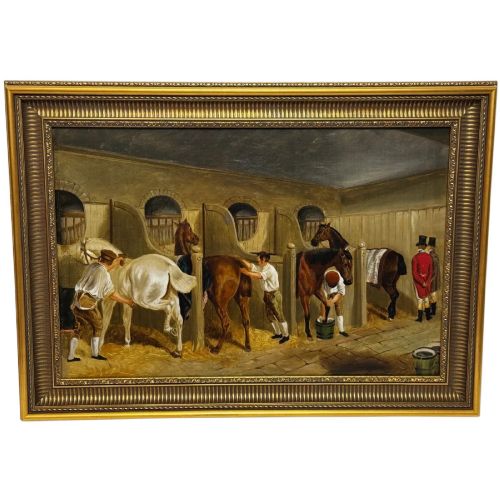
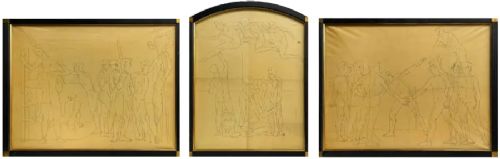
Gold frame sporting art encompasses oil paintings, watercolours and prints depicting hounds, racehorses, hunting scenes and game birds from the Georgian, Victorian and Edwardian eras. Buyers seek these pieces to capture the heritage of British field sports and equestrian traditions within domestic interiors.
Most examples originate from the nineteenth and early twentieth centuries, reflecting the high popularity of sporting subjects during the Victorian period. These works range from intimate dog portraits to large scale hunting scenes housed in moulded giltwood frames.
Materials and construction
Painters utilised oil paint or watercolour upon stretched canvas, wooden panels or paper supports to render animal anatomy and landscape backgrounds. Applied pigment captures the texture of animal coats and the gleaming flanks of horses.
Frames are constructed from wood finished with gold leaf, gilt or gesso moulding to provide a decorative border. These surrounds often feature traditional profile designs that complement the period of the artwork.
Listings feature 19th Century, Victorian, Edwardian, and mid-century periods utilising oil paint, canvas, wood, and gold leaf.
Distinctions in quality
Quality rests upon the artist's ability to render the anatomy, expression and movement of animals with anatomical precision. Superior examples display careful handling of light across horseflesh and realistic texture in dog fur.
The execution of the surrounding gilt frame contributes significantly to the overall piece, where hand-carved or deeply moulded gesso work elevates the visual impact. Original pairing of canvas and frame adds to the integrity of the object.
George Armfield·Thomas Smythe·John Sargent Noble·Sir Edwin Henry Landseer·George Wright·William Albert Clarke·Fred Fitzpatrick·C. H. Weigall·Edward Priestley·George Rankin·C R Breytle·Philip Rideout·John Ferneley Senior·John Frederick Herring Senior·Benjamin Blake·Alfred Munnings·John Arthur Lomax·Arthur Wardle·Albert Clark·William Barraud·Edward Lloyd of Ellesmere·Colin Graeme Roe·Valentine Thomas Garland·John Trivett Nettleship·Samuel Spode
The Gold Frame Sporting Art Glossary
- Giltwood
- Wood that has been covered with a thin layer of gold leaf or gilt paint for decorative effect. This finish is typical of traditional picture frames from the nineteenth century.
- Oil on Canvas
- Pigment mixed with drying oil applied to a woven fabric support stretched over a wooden frame. This method was the standard medium for major sporting paintings.
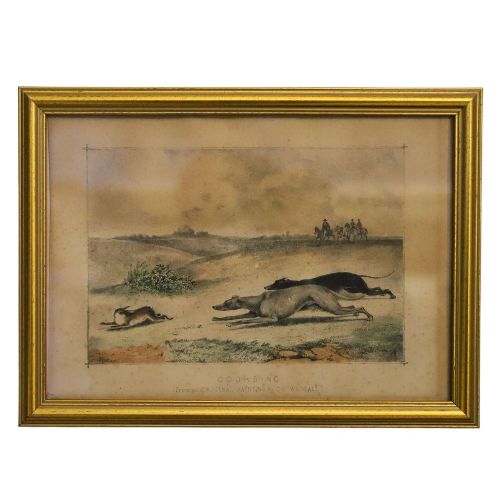
- Hare Coursing
- A traditional field sport involving greyhounds or other hounds chasing hares by sight. It is a frequent subject in Victorian rural painting.
- Equestrian
- Pertaining to horses, horse riding or horse racing. In art, this refers to portraits of specific thoroughbreds or coaching scenes.
- Provenance
- The documented history of ownership of an antique object. Good records trace a painting from its original commission to contemporary collections.
Gold Frame Sporting Art: Frequently Asked Questions
How do I date a sporting painting?
Dating relies on costume, architectural details in the background, and artist signatures or exhibition records. Stylistic shifts between Georgian and Edwardian brushwork also provide chronological markers.
Framing styles often match the period of the canvas, though older paintings were occasionally re-framed in later gilt moulding during subsequent centuries.
Where should I hang a large sporting painting?
These works suit dining rooms, libraries or hallways where traditional interiors provide a sympathetic backdrop. Ensure the wall space allows the gilt frame to sit without crowding from adjacent furniture.
Avoid placing oil paintings in direct sunlight or above active heat sources to protect the canvas and the gesso frame from drying out.
What is the difference between an oil painting and a lithograph?
An oil painting is a unique handmade work created by applying wet pigment to canvas or panel. Brushstrokes and layered paint create texture unique to the artist's hand.
A lithograph is a printed reproduction originating from a stone or metal plate. While period lithographs hold collector interest, they lack the physical buildup of paint found on canvas.
How do I care for a gilt wood frame?
Dust the moulding gently with a soft, dry brush to prevent dirt accumulation within the carved crevices. Avoid using liquid cleaners or polishes which can damage the gold leaf surface.
Keep the humidity in the room stable to prevent the wooden substrate from expanding or contracting, which causes the gesso to crack.