
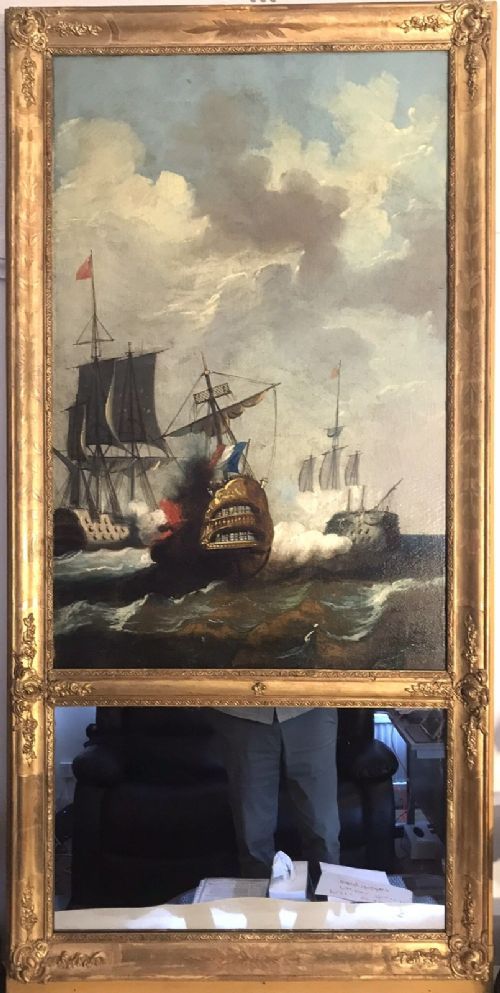
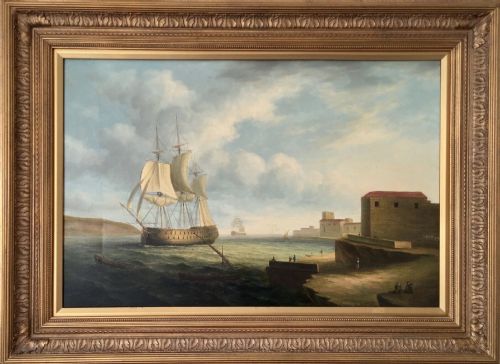

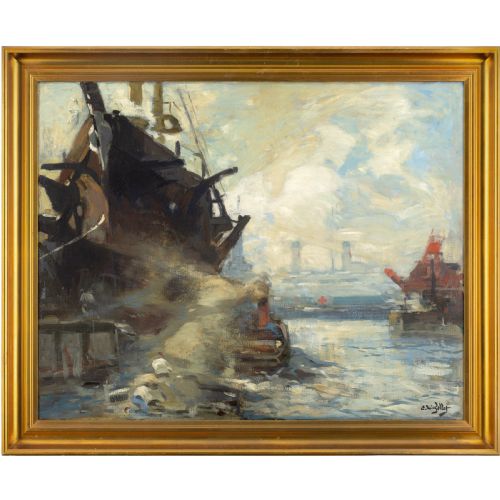
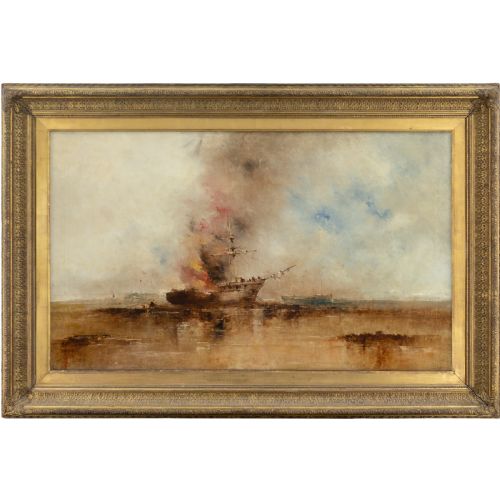

Gold Frame Seascape Art
Gold frame seascape art captures maritime scenes, coastal views and harbour watercolours housed in traditional gilded wood surrounds.
Gold Frame Seascape Art
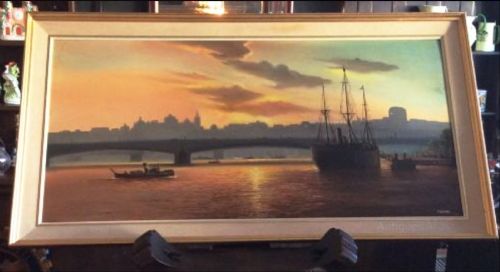
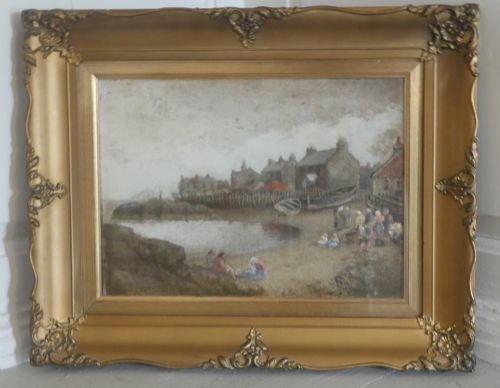
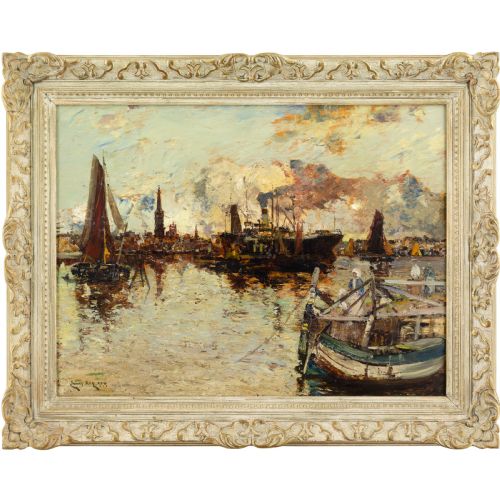
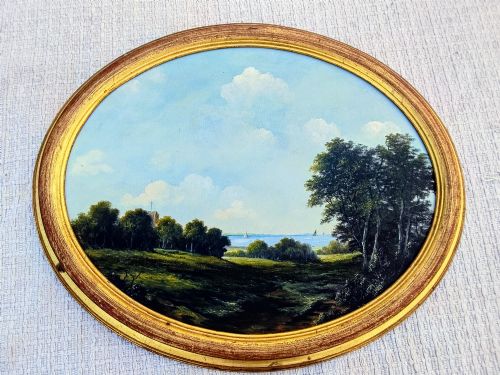
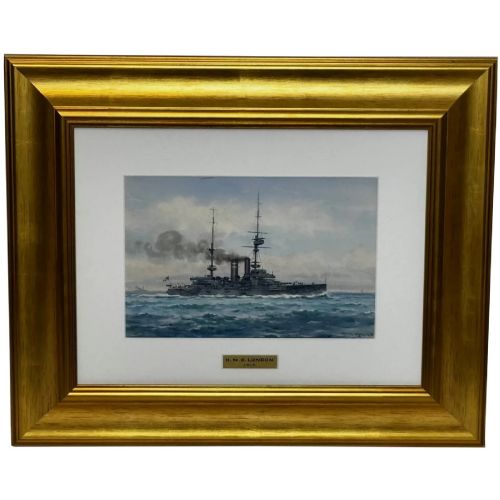
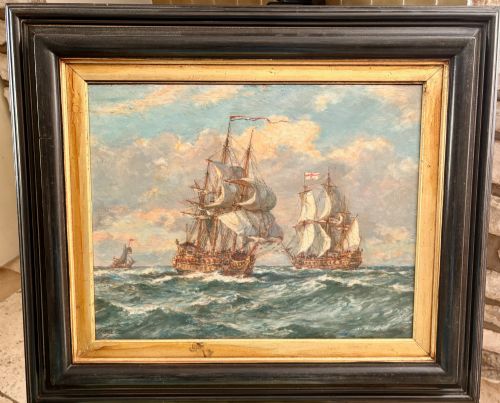
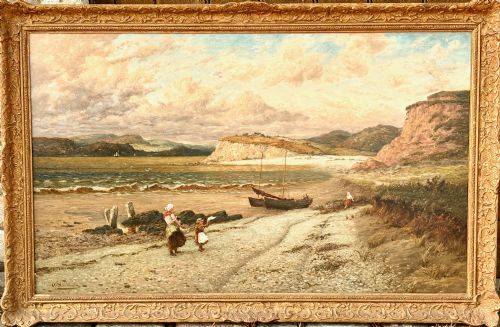
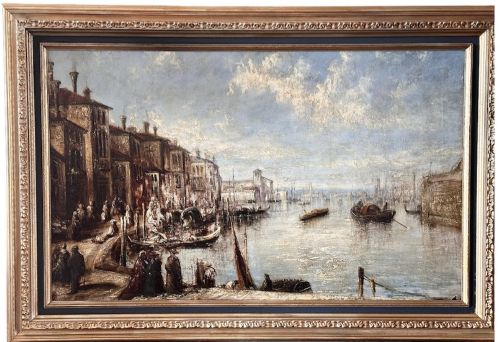
Gold frame seascape art encompasses maritime paintings, coastal watercolours and harbour views created across several centuries. These works record merchant shipping, warships, Venetian canals and quiet shores through the eyes of various painters.
The most common examples on this page are nineteenth-century oil paintings on canvas or panel, alongside watercolours depicting British and European coastal locations. Many retain their original or period-appropriate gilded wooden surrounds.
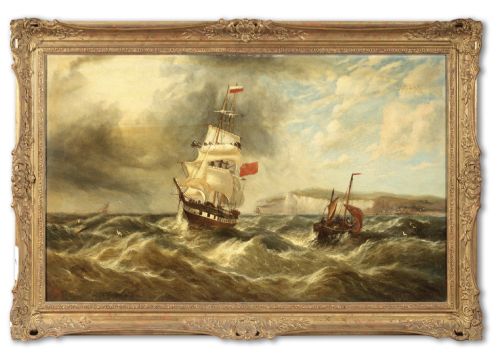
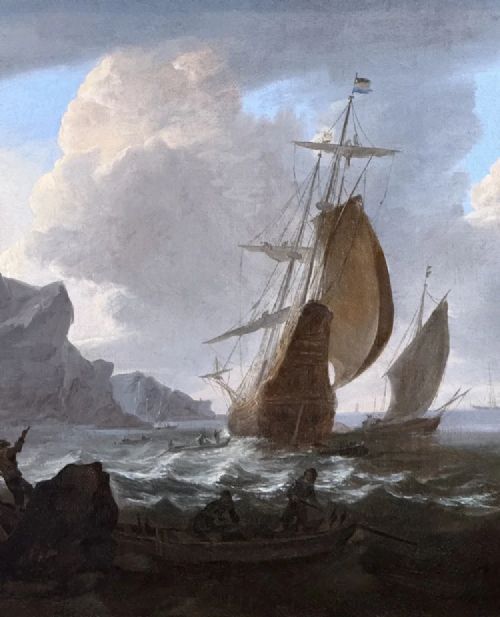
The subjects range from calm river estuaries and Venetian lagoons to dramatic shipping scenes caught in heavy gales and rough seas.
How they were made
The artworks are predominantly executed in oil paint on stretched canvas or wooden panels, while others utilise watercolour pigments on paper. Canvas supports are often mounted within sturdy wooden stretcher frames.
The surrounding frames consist of wood substrates finished with applications of gold leaf, gilt, or giltwood mouldings. These enclosures frequently feature decorative plaster or carved relief details characteristic of their respective periods.
Gold Frame Seascape Art Retail Price Guide 2026
Typical asking prices for gold frame seascape art among the pieces listed under this phrase on Sellingantiques today, from the lower quarter to the upper quarter. They describe what is for sale here now, not the wider market.
Listings feature works spanning from the seventeenth century to the 1960s, executed in oil and watercolour.
What varies in quality
Quality rests significantly upon the skill of the artist in handling light, water movement, and atmospheric perspective within the maritime subject. Stronger compositions demonstrate a precise understanding of vessel rigging and coastal topography.
The craftsmanship of the surrounding gilt frame contributes substantially to the overall character of the piece. Hand-carved wooden mouldings and deep gold leaf gilding distinguish finer framing from simpler decorative surrounds.
James Hardy·Eugène-Louis Gillot·William McAlpine·Edward Mills·William Banks Fortescue·John Rose Miles·James Kay·Frank Watson Wood·Bernard Gribble·Bonaventura Peeters·Francis Moltino·Bernard Benedict Hemy·Ethel Sands·Willem Bos·Cecil Allan Mould·Charles Euphraisie Kuasseg·John Wilson Carmichael·Joseph Farquharson·Erich Mercker·Nicholas Condy·Thomas Hodgson Liddell·William Henry Williamson·John Holland·George Stanfield Walters
The Gold Frame Seascape Art Glossary
- Giltwood
- Wood that has been coated with a thin layer of gold leaf or metallic gilt finish. This material is standard for traditional picture frames housing maritime art.
- Marine art
- Artistic works that focus primarily on the sea, ships, naval battles, and coastal views. This genre includes depictions of both calm anchorages and turbulent gales.
- Oil on canvas
- Pigments bound in an oil medium applied to a woven fabric support. This technique allows for rich colour blending and textured brushwork.
- Watercolour
- A painting method where coloured pigments are suspended in a water-based solution on paper. These works require protective glazing when framed.
- Panel painting
- A flat piece of wood used as a structural support for an oil painting. Panels were frequently utilised by artists before canvas became widespread.
Gold Frame Seascape Art: Frequently Asked Questions
What periods do these seascapes come from?
The works span from the seventeenth century through the Victorian and Edwardian eras up to the mid-twentieth century. Nineteenth-century examples form a substantial portion of the available selection.
Earlier pieces often depict historical shipping vessels, while later twentieth-century works lean towards impressionistic coastal views.
Are the frames original to the paintings?
Many pieces retain their period giltwood frames, which reflect the framing fashions of the era in which the artwork was created. Some frames are contemporary replacements chosen to match the style of the painting.
Examining the corner joints and the wear on the gold leaf helps indicate the age of the surround.
How should I display a gilt frame painting?
Gilt frame artwork benefits from placement away from direct sunlight and sudden humidity changes to protect both the canvas and the gold leaf finish. Stable indoor wall environments help preserve the wooden substrates and plaster ornamentation.
Ensuring adequate wall support is essential due to the combined weight of the heavy wooden frames and canvas.
What subjects appear most frequently?
Common subjects include merchant sailing ships, fishing boats in harbours, coastal cliffs, and Venetian canals. Naval vessels and ships navigating rough seas also feature prominently in marine compositions.
These scenes often document specific locations such as St Ives, Venice, or Antwerp.