



Gold Frame Canvas Portrait
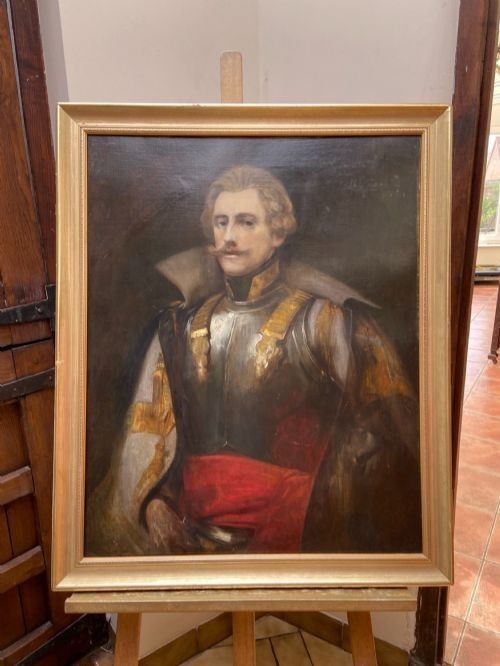
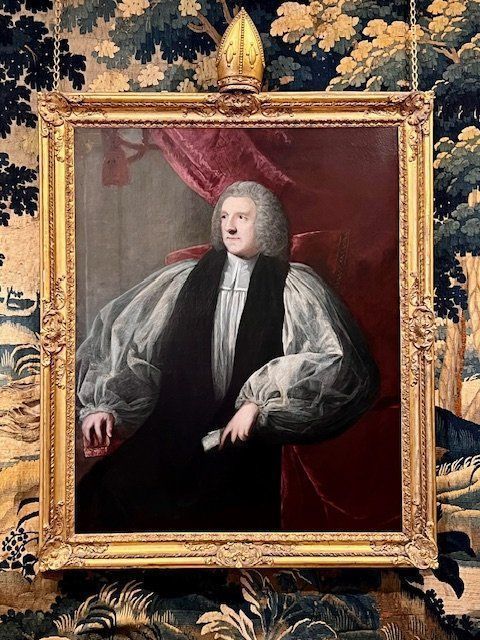
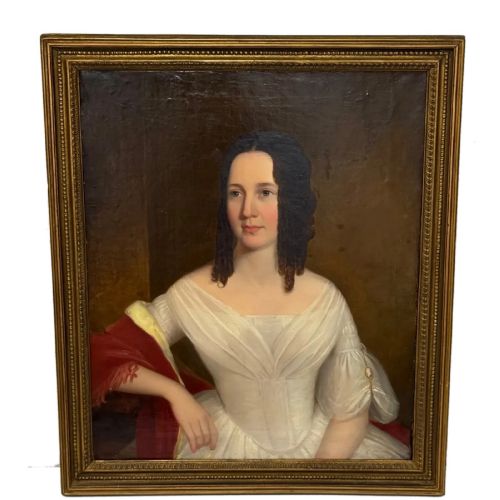
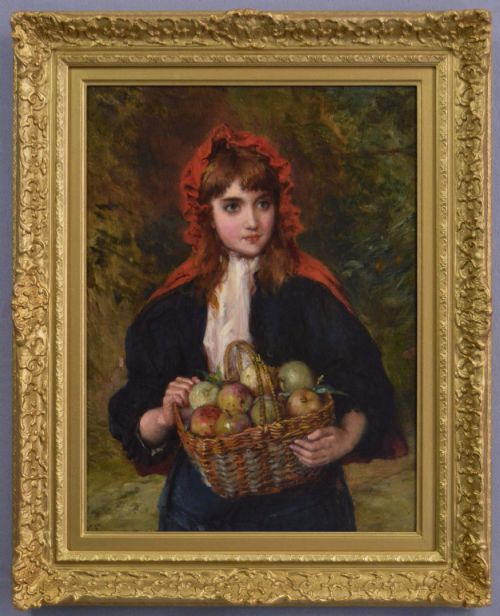
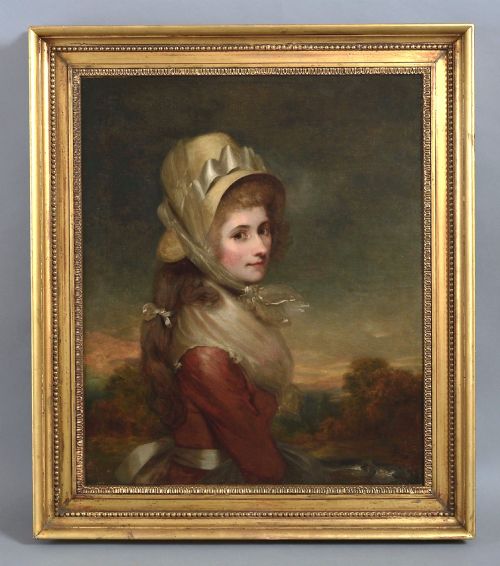
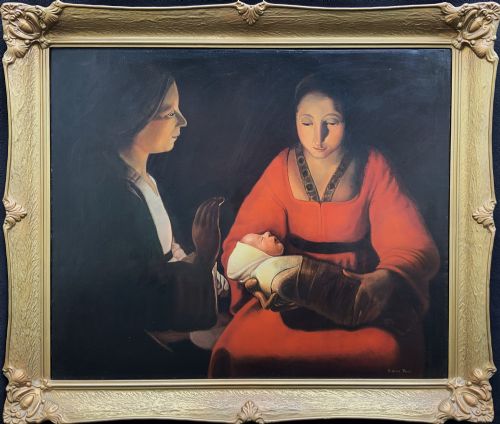
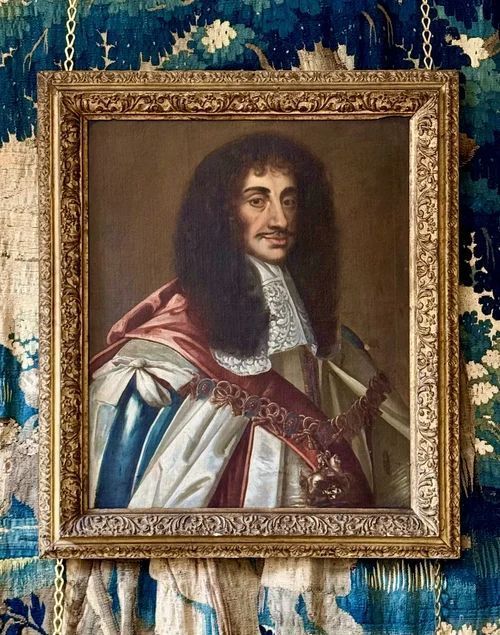
A gold frame canvas portrait combines historic oil painting and elaborate gilding, offering depth, character, and an authentic period presence to an interior space.
Gold Frame Canvas Portrait
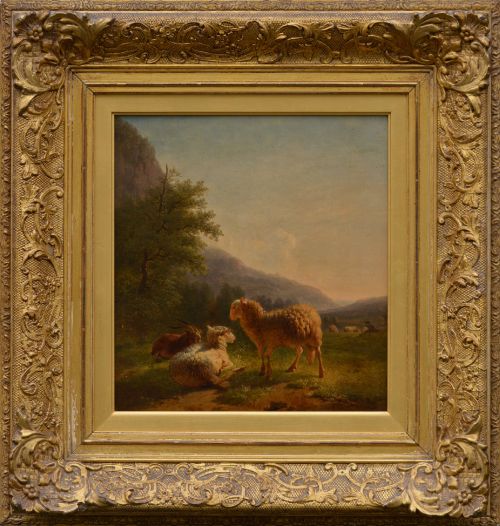
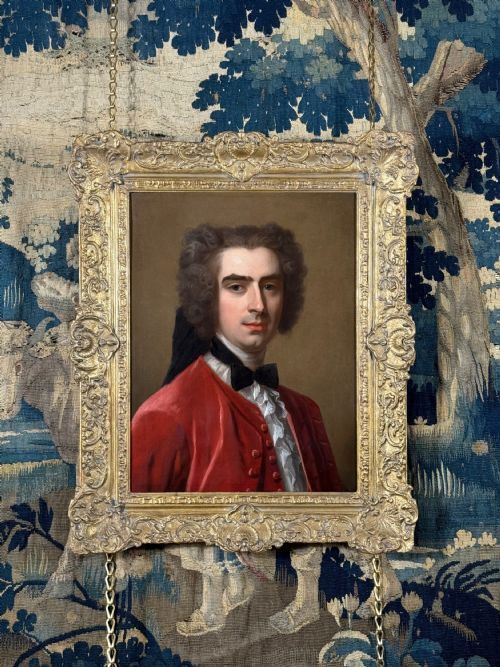
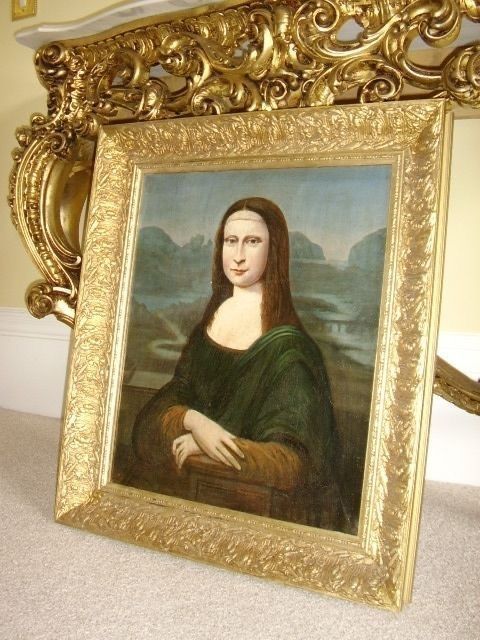
A gold frame canvas portrait brings together painted portraiture and decorative framing, originating from centuries of European artistic tradition. The works found here span from the seventeenth century through the Victorian era and into the twentieth century, capturing subjects ranging from nobility and military officers to everyday figures and animals.
Most examples rely on oil on canvas as the primary medium, housed within heavy wooden surrounds treated with gesso and gold leaf. Buyers frequently encounter nineteenth-century interpretations alongside earlier eighteenth-century works and seventeenth-century English and continental school pieces.
These items serve as focal points for rooms, carrying the weight of historic portraiture alongside the tactile appeal of carved and gilded surrounds. Each piece reflects the aesthetic priorities of its respective period, from Baroque solemnity to Victorian realism.
Materials and construction
The foundation of each work is woven canvas stretched over a wooden frame, upon which artists applied oil paint layers to build up skin tones, fabrics, and background details. Pigments were manipulated to achieve the rich chiaroscuro and fine textures characteristic of historical fine art.
Surrounding the canvas, the frames utilise a wooden core coated in gesso - a plaster mixture - which was sculpted or moulded into decorative profiles before the application of delicate gold leaf or gilt wood finishes.
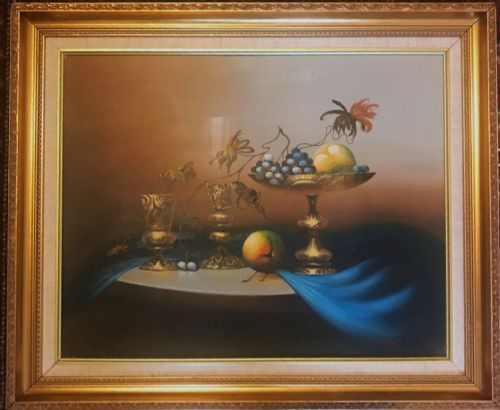
Several portraits thoughtfully incorporate baskets of apples, orange trees, and knitting needles, ensuring the subjects remain caught in quiet, domestic moments.
Markers of quality
The integrity of the accompanying frame matters significantly, with hand-carved gesso ornamentation and original gilding holding greater artistic harmony with the canvas than later replacements. The depth of the oil layers and the preservation of the pigment also determine the visual impact of the piece.
Sir Joshua Reynolds·William Oliver·Eugène Verboeckhoven·Jean-Baptiste Van Loo·Sir Peter Lely·Sir Godfrey Kneller
The Gold Frame Canvas Portrait Glossary
- Gesso
- A plaster-based material applied to wooden frame bases to create a smooth surface for carving or gilding. This mixture allowed artisans to build up intricate relief patterns before applying gold leaf.
- Giltwood
- Timber that has been coated with a thin layer of gold leaf or powder. It provides the characteristic metallic sheen seen on historic picture frames.
- Chiaroscuro
- An artistic technique employing strong contrasts between light and dark to give subjects a three-dimensional volume. It defines the dramatic lighting common in seventeenth and eighteenth-century portraiture.
- Oleograph
- A type of chromolithographic reproduction textured to imitate an oil painting on canvas. These mechanical prints emerged later and differ fundamentally from hand-painted original artworks.
Gold Frame Canvas Portrait: Frequently Asked Questions
How do I date a gold frame canvas portrait?
Dating relies on stylistic clues in the subject's clothing, hairstyle, and the pigment application, alongside the construction methods of the stretcher and canvas. Examining the frame profile provides additional chronological context.
Early works often feature hand-carved wooden frames and specific portrait conventions, whereas later Victorian or twentieth-century examples display different canvas preparations and framing materials.
Are the frames original to the paintings?
Many historic portraits retain their original frames, particularly those featuring heavy rococo or swept gilt designs applied during the period of creation. However, frames were frequently updated or swapped in later centuries.
Examining how the canvas fits within the rabbet and checking for consistent ageing between the work and the mount helps determine if they have remained together.
What is the best way to clean an oil painting?
Surface dust should be gently removed with a very soft, dry brush, avoiding any pressure on the delicate canvas weave. Professional conservators handle deeper cleaning, such as varnish removal.
Applying domestic cleaning products or moisture to the painted surface risks permanent damage to the historic oil pigments and canvas substrate.
How should I hang a heavy framed portrait?
Secure hanging requires locating wall studs or utilising heavy-duty wall anchors rated well above the combined weight of the canvas and its substantial wooden frame. Professional picture-hanging hooks and multi-point wire systems distribute the load safely.
Positioning the work away from direct sunlight and steady heat sources protects both the oil paint and the underlying gesso from cracking.