



19th Century Portrait Canvas
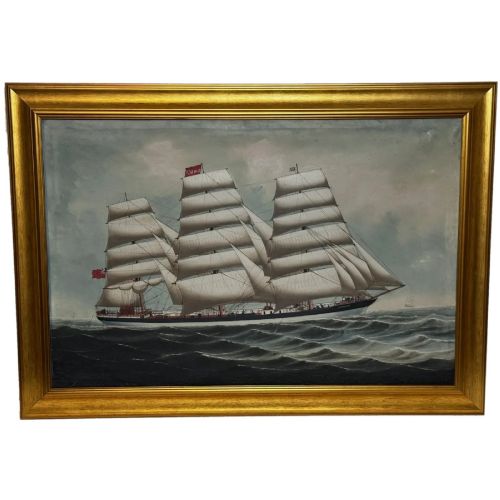
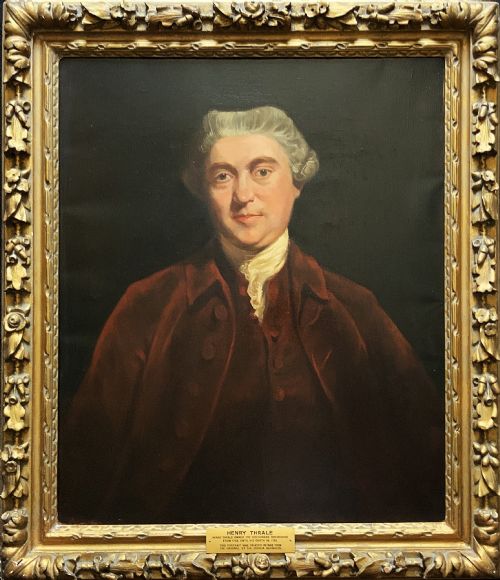
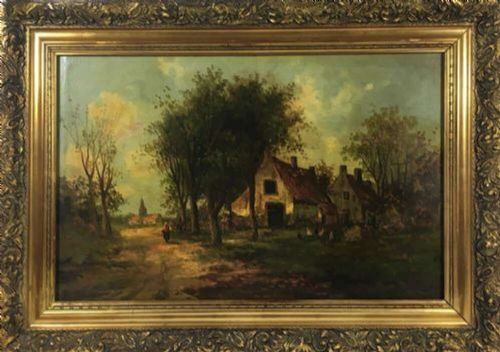
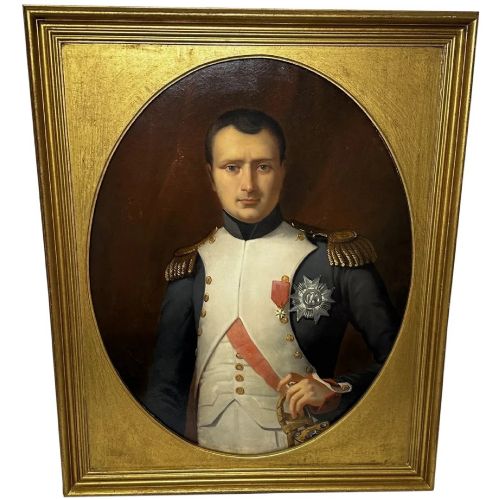
This selection of 19th century portrait canvas artworks captures the human and animal likenesses collected during the Victorian, Regency, and academic periods.
19th Century Portrait Canvas
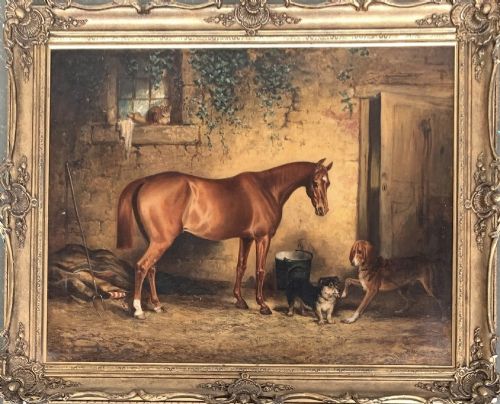
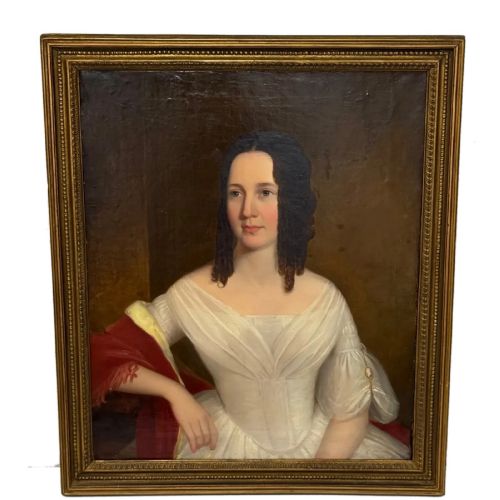
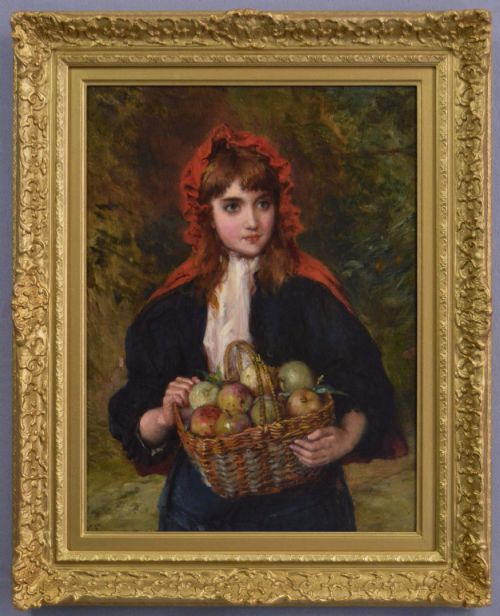
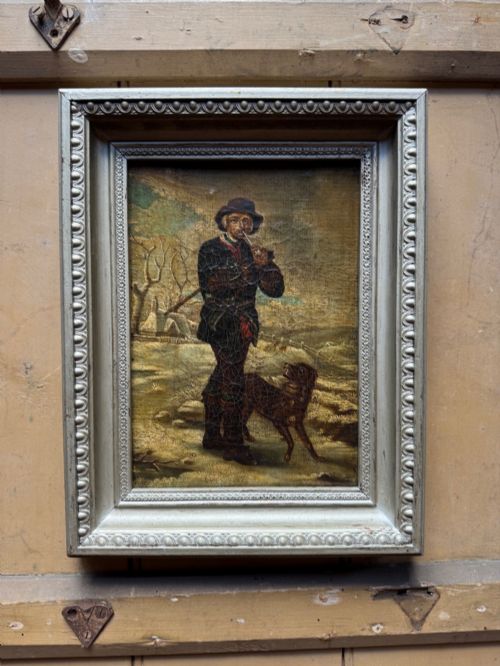
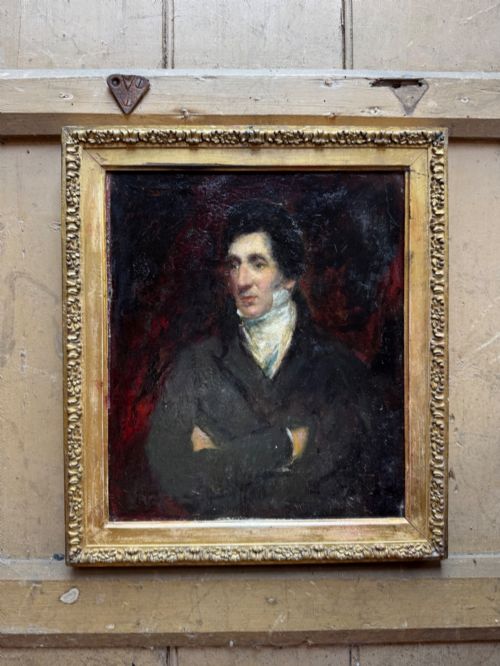
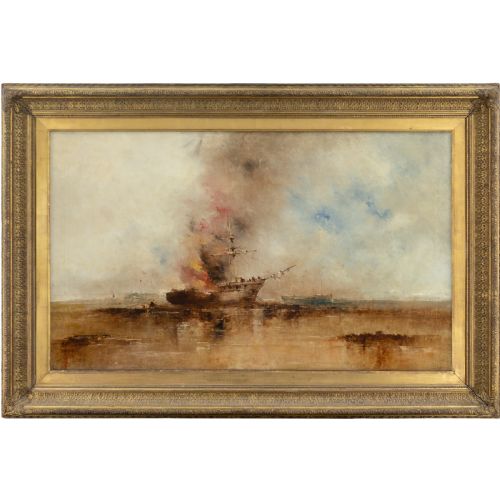
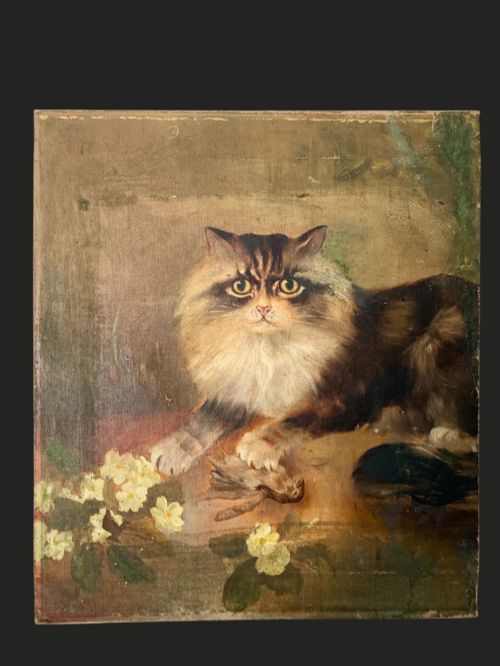
A 19th century portrait canvas brings together original oil paintings depicting sitters, animals, and characters from historical schools across Britain, France, and Italy. These works span Regency elegance through to late Victorian realism, capturing individual likenesses alongside domestic pets and historical figures.
Buyers encounter depictions of seated gentlemen, ladies in lace collars, children, actors in character, and sporting subjects rendered in oil paint upon woven supports. Many examples carry attribution to specific regional schools or named artists from the period between eighteen-hundred and nineteen-hundred.
Materials and construction
The works utilise oil paint applied to woven canvas supports, sometimes mounted to wood panels or stretcher frames. Surviving examples frequently retain original gesso and giltwood frames moulded with decorative ornamentation.
Artists of the period combined lead-based or oil pigments with organic binders, building up brushwork from initial charcoal or paint underdrawings to final glaze layers.
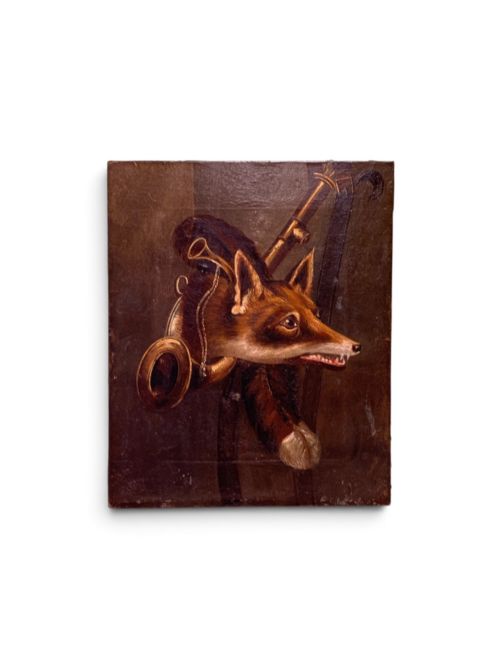
Subject matters recorded in the archive range from human portraits and historical figures to detailed studies of dogs and horses.
Assessing the range of works
The condition of the woven support and the presence of the original gilt wood or gesso frame influence the integrity of the surviving artwork.
William Oliver·Valentine T Garland·John Maler Collier·William McAlpine·Reginald Arthur Borstel·Vittorio Reggianini·Edouard Pingret·Samuel De Wilde·Albert Clark·Martin Theodore Ward·Howard Helmick·Margaret Sarah Carpenter·Alfred Holst Tourrier·James Bennett H Smith·G E Boyes·Otto Vautier·John Hunter Thompson·Victor Boutellier·Edward T Davis·W R Seel·Bennett Hubbard·Eugene von Blaas·Valentine Cameron Prinsep·Edwin Landseer
The 19th Century Portrait Canvas Glossary
- Oil on Canvas
- Pigments suspended in a drying oil applied to a woven fabric support. This combination allowed artists to blend tones smoothly and work on a portable surface.
- Giltwood
- Wood carved and coated with gold leaf or metallic powder. It provides a reflective border that frames and protects the edge of the painting.
- Gesso
- A paint mixture consisting of a chalk, gypsum, and pigment binder used to prepare wooden panels and frame mouldings. It creates a smooth surface for subsequent gilding.
- Naive School
- Art produced by painters with little or no formal academic training. These works feature flattened perspective and direct, unpretentious brushwork.
- Academic
- Art created under the influence of European fine art academies. Such pieces display rigorous adherence to classical composition and anatomical proportion.
19th Century Portrait Canvas: Frequently Asked Questions
What periods do these paintings cover?
The collection includes works from the Regency, Victorian, and wider nineteenth-century eras, spanning from the early eighteen-hundreds into the early twentieth century.
Individual pieces reflect the shifting stylistic movements of these decades, moving from Regency formality through to Victorian academic and realist approaches.
How should I care for an oil on canvas?
Keep the artwork away from direct sunlight and extreme fluctuations in household temperature or humidity to protect the paint layer.
Dust the surface gently with a soft, dry brush and avoid applying liquid cleaners directly to the canvas or the gilt frame.
What subjects appear in these portraits?
Artists painted a diverse array of subjects, including gentlemen, ladies, children, historical figures, and literary characters in costume.
Animal subjects are also represented, featuring dogs, horses, and farmyard animals depicted by specialist sporting and genre painters.
Are all the paintings signed by the artist?
Many works bear signatures or inscriptions, while others are attributed to specific regional schools or documented followers of major painters.
Unsigned pieces often rely on stylistic evidence, historical framing, and subject matter to indicate their period of origin.