
Edwardian Female Portrait Art
Edwardian female portrait art captures the poise and elegance of the era through painted, drawn, and sculpted likenesses.
Edwardian Female Portrait Art
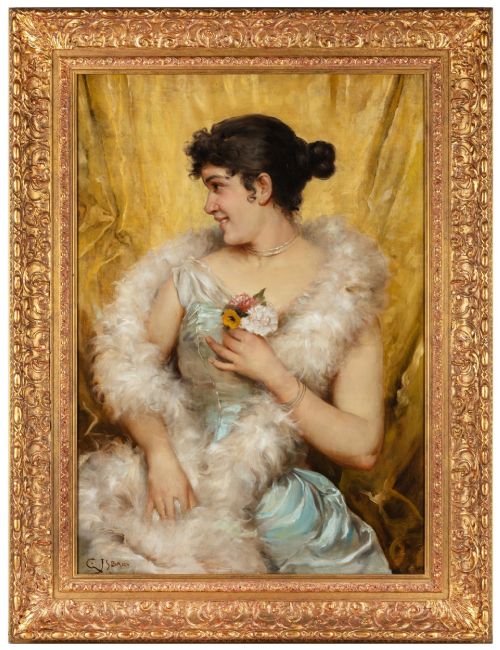
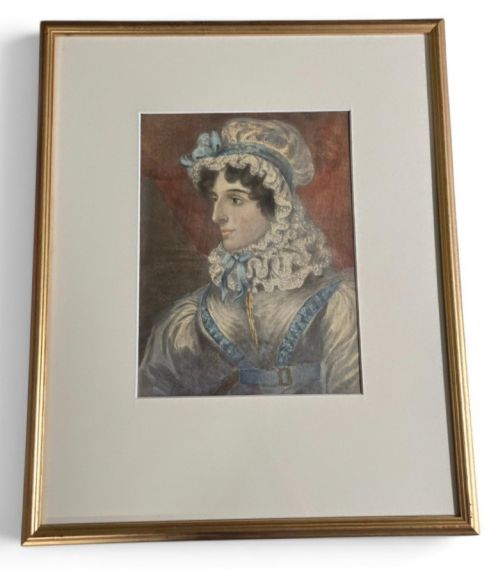
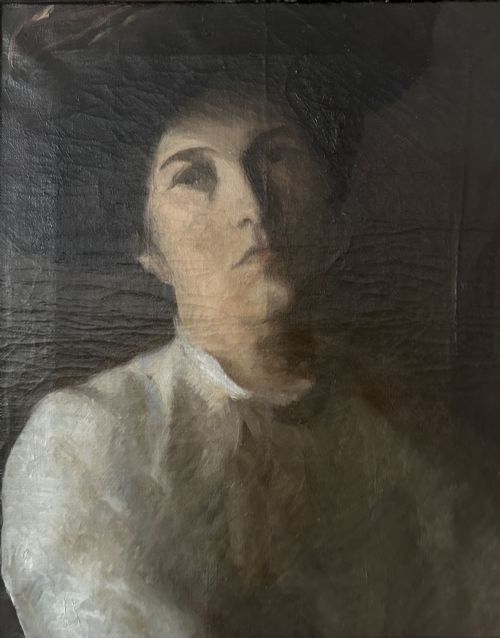
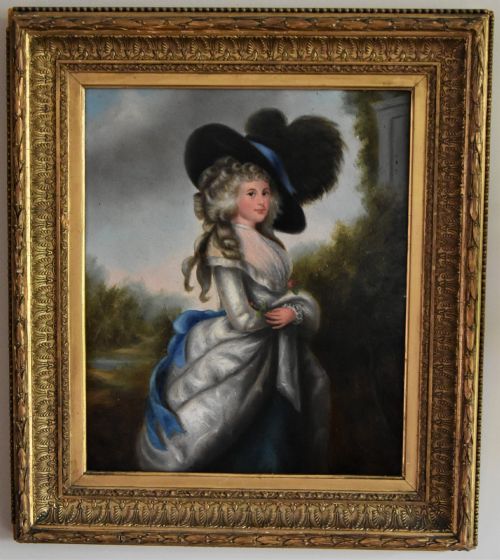
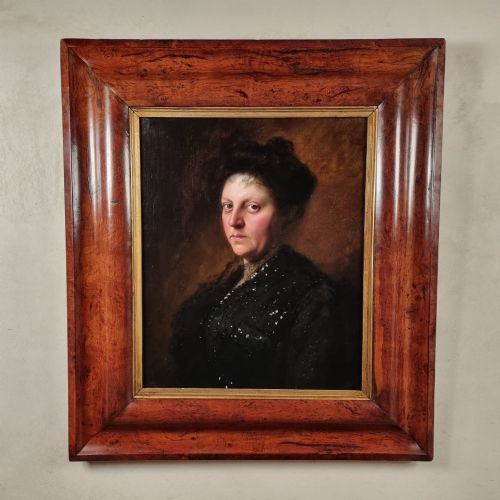
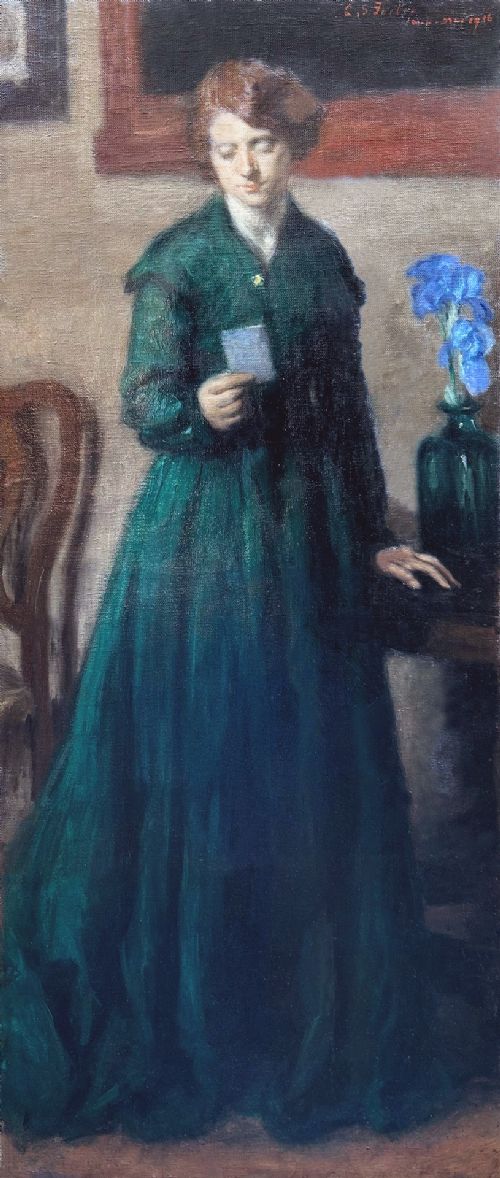
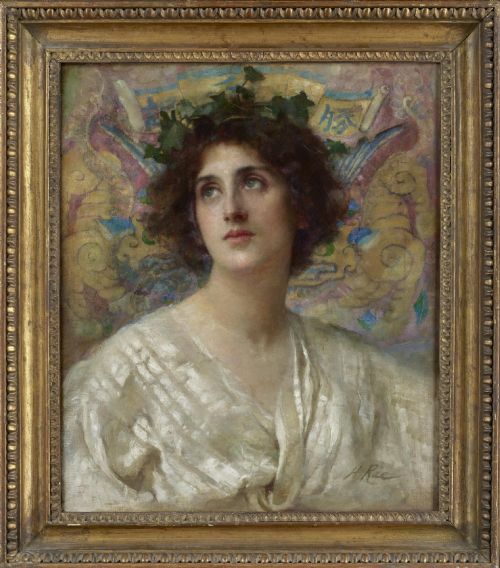
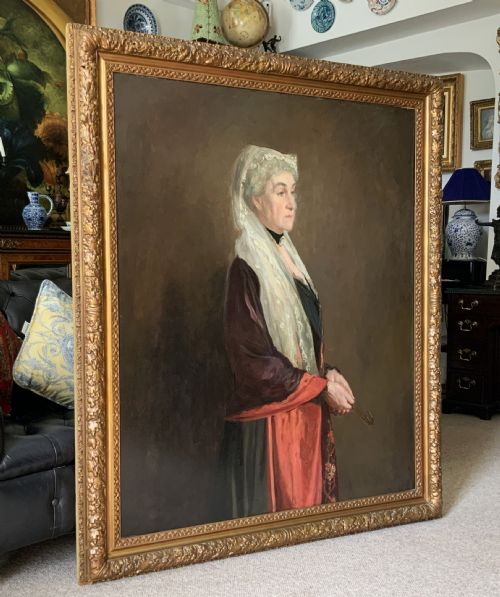
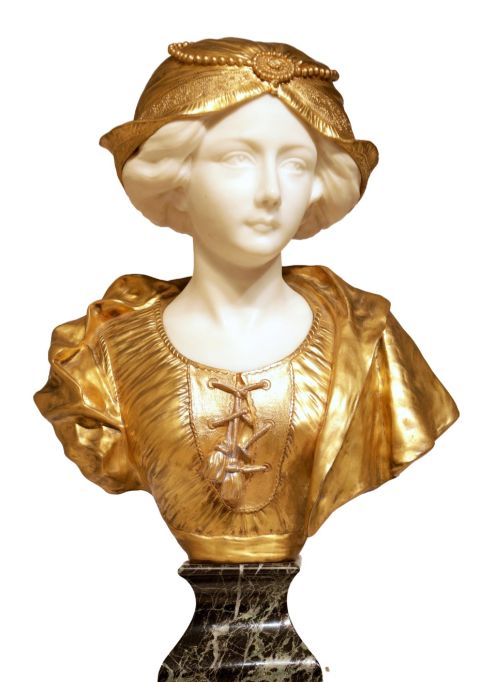
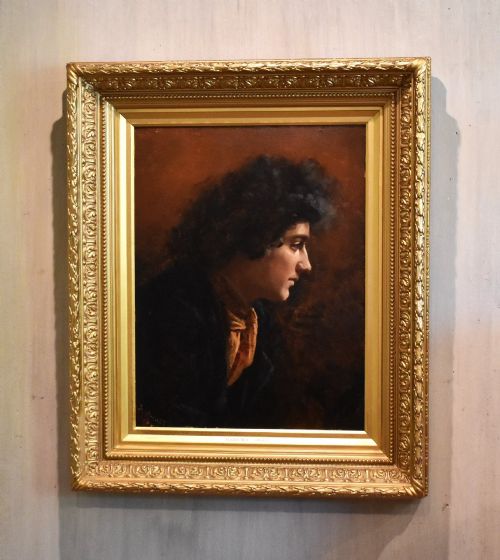
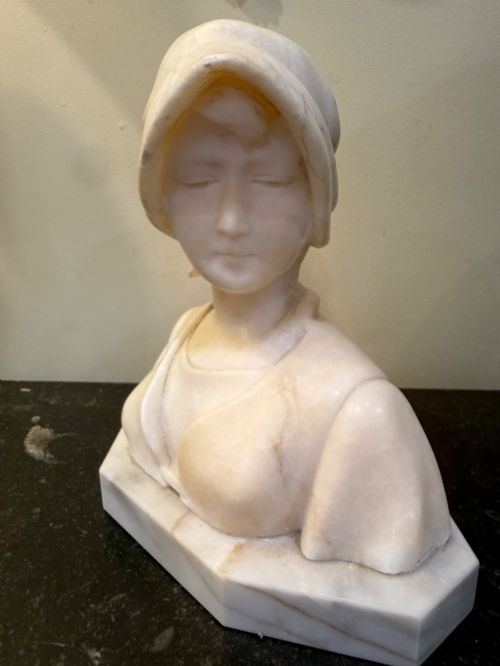
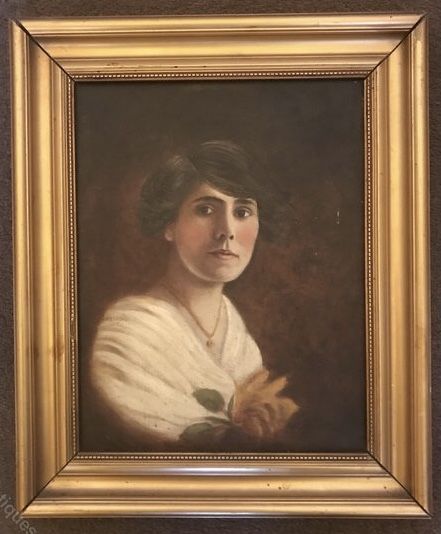
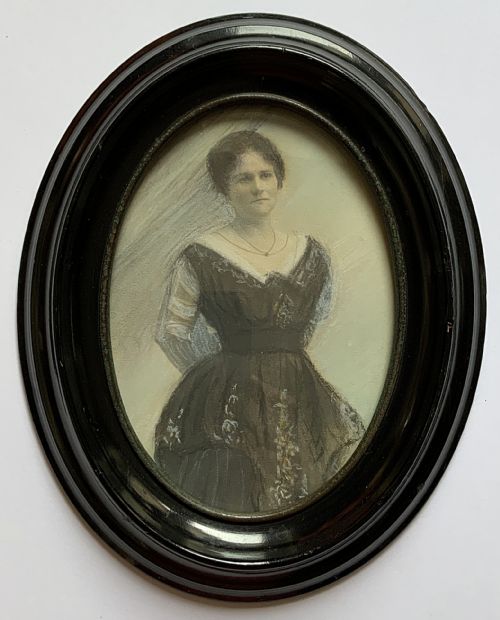
Edwardian female portrait art encompasses works depicting women from the late nineteenth and early twentieth centuries. These pieces appear on canvas, board, and paper, alongside sculpted busts in alabaster and plaster. Collectors find oil paintings, watercolours, and engravings that record the fashion and society of the period.
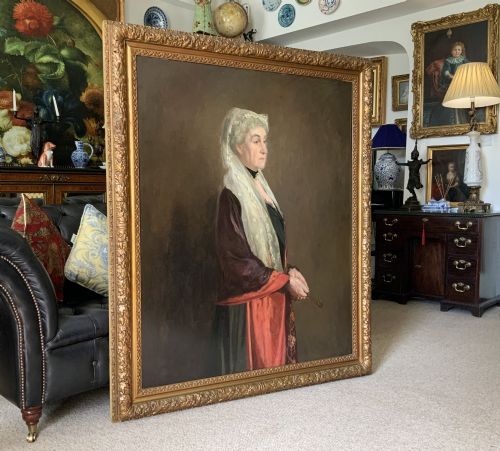
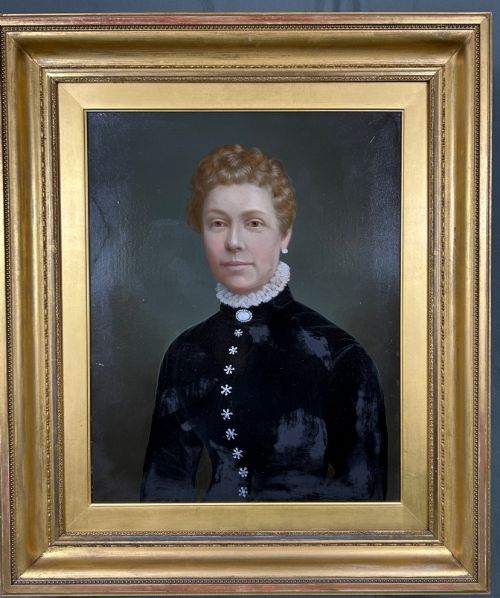
The most common items on this page are oil paintings on canvas and delicate watercolours reflecting Victorian and Edwardian aesthetics. Artists of the time utilised various mediums, from pencil and pastel to gilt bronze and oil paint. Portraiture from this span ranges from intimate miniatures to monumental works.
Subjects include young beauties, ladies in hats, and formal studies of women in period dress. The selections reflect styles shifting from nineteenth-century classicism towards early twentieth-century art movements. Pieces often arrive framed in wood or displayed within decorative groupings.
Materials and Techniques
Artists painted primarily with oil on canvas or board, applying pigment to capture the rich textures of velvet dresses and hats. Watercolours and pastels on paper provide a lighter medium often seen in smaller or framed works. Many pieces retain their original wooden frames, sometimes with gilded details.
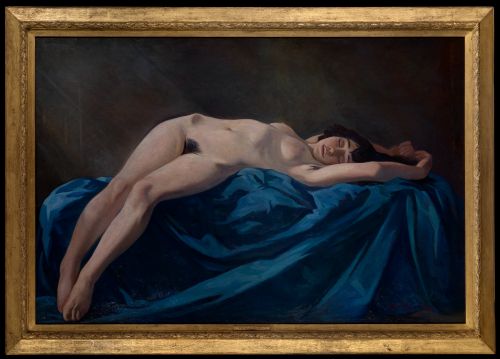
Sculpted works utilise alabaster, plaster, and bronze to render three-dimensional busts of young women. Engravings employ printmaking techniques on paper to reproduce detailed likenesses. Mixed media such as charcoal and pencil appear in life studies and preparatory drawings.
Support materials include standard canvas stretched over wooden frames, sturdy wood boards, and heavy watercolour paper. Frame construction frequently involves carved or moulded wood, occasionally complemented by glass protection for works on paper.
Portraits include life studies, miniatures, and monumental canvases framed in wood and glass.
Evaluating Quality
Quality rests upon the artist's ability to render facial expression, proportion, and texture convincingly. Skilled brushwork in oils or precise handling of watercolours distinguishes superior artistic execution from simpler decorative pieces. The treatment of light upon fabric and skin reveals the creator's technical mastery.
Condition of the medium and the frame influences the desirability of a piece. Well-preserved surfaces without heavy retouching, stable canvas tension, and intact alabaster or bronze patination represent higher standards. Original framing matching the period enhances the integrity of the artwork.
G. J. S. Bary·Eric Robertson·Charles Stuart Forbes·Henrietta Rae·Affortunato Gory·Florence Small·Sydney Wilson·Allan Douglas Davidson·Raoul Millais·John Horsburgh·Alexander Maclean·Susie Lassam·William Edward Frost·Winifred Eugene Ballard
The Edwardian Female Portrait Art Glossary
- Oil on Canvas
- A painting technique using pigments bound in a drying oil applied to a stretched cloth surface. This combination allows for rich colour blending and textured brushwork.
- Alabaster
- A fine-grained mineral stone used by sculptors for smooth, translucent busts and decorative objects. It requires careful handling to prevent scratching.
- Mezzotint Engraving
- A printmaking process where the copper plate is roughened to achieve tones and subtle gradations of light and shade. This method creates soft, velvety portraits.
- Watercolour
- A paint consisting of colourants suspended in a water-soluble vehicle, typically applied to paper. It produces translucent washes and delicate details.
- Miniature
- A small-scale painting, often executed on ivory, vellum, or card during the Victorian and Edwardian periods. These require immense precision and magnifying lenses to create.
Edwardian Female Portrait Art: Frequently Asked Questions
What periods do these portraits cover?
The works span from the late nineteenth century through the Edwardian era and into the early twentieth century. Pieces reflect artistic conventions from Victorian classicism to early modern styles.
Dates on listings reference the active years of the artists or the approximate creation period of the art. This timeline shows the transition of portraiture across several decades.
How should I display delicate watercolours?
Works on paper require protection from direct sunlight to prevent the fading of watercolours and pigments. Framing behind conservation glass helps shield the paper from humidity and dust.
Keeping pieces away from extreme temperature fluctuations preserves the integrity of both the paper and the original frame. Proper placement ensures the artwork remains stable for years.
What is an artist proof engraving?
An artist proof is an impression of a print pulled to test the plate before the main edition is printed. These proofs remain in the possession of the artist for review and approval.
Collector interest often focuses on proofs due to their early state and direct association with the printmaker. They represent a key milestone in the creation of the final graphic work.
Are alabaster busts heavy?
Alabaster is a dense stone material, making carved busts surprisingly heavy for their physical size. Display surfaces must be sturdy enough to support the concentrated weight safely.
Placement should avoid high-traffic edges where accidental bumps could dislodge or damage the sculpture. Proper support protects both the furniture and the stone.