
Original Watercolour Portrait Painting
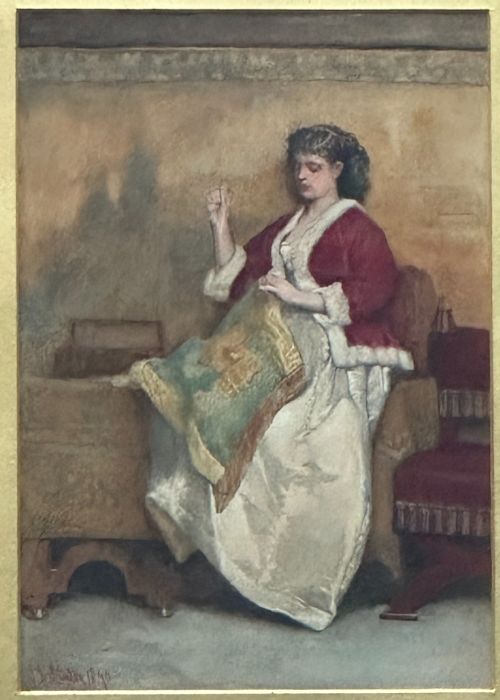
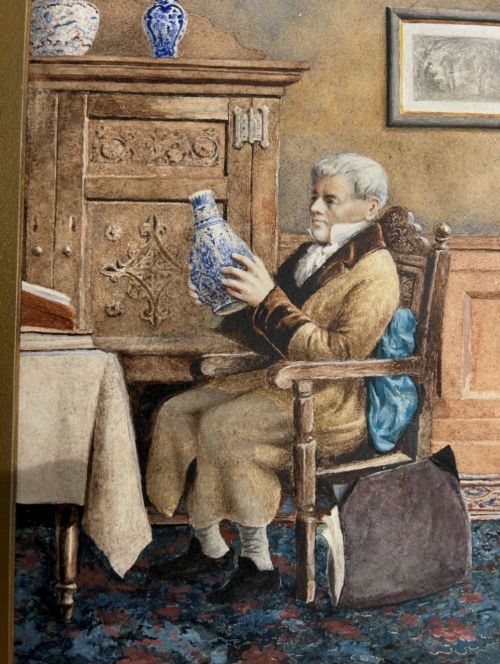
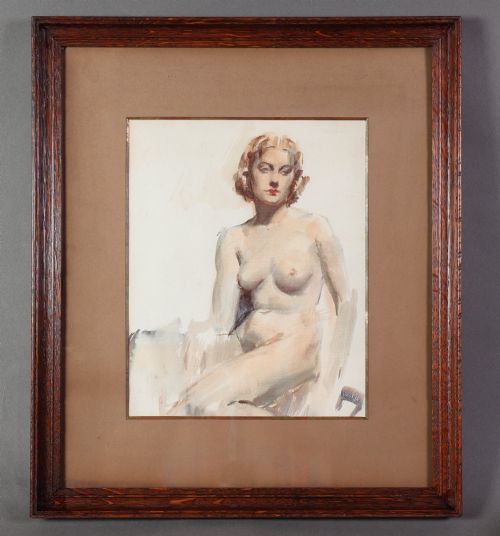
An original watercolour portrait painting captures individual likeness and character with fluid immediacy, offering a direct window into past lives.
Original Watercolour Portrait Painting
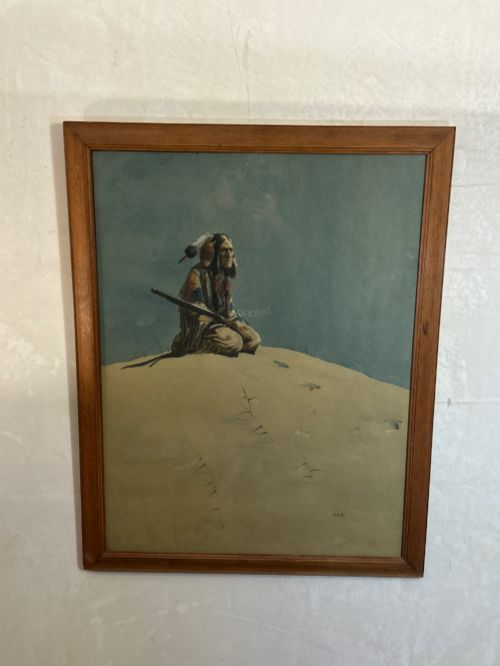
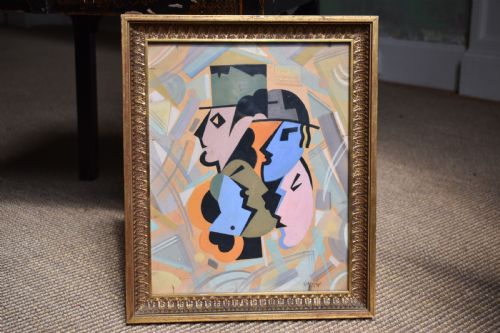
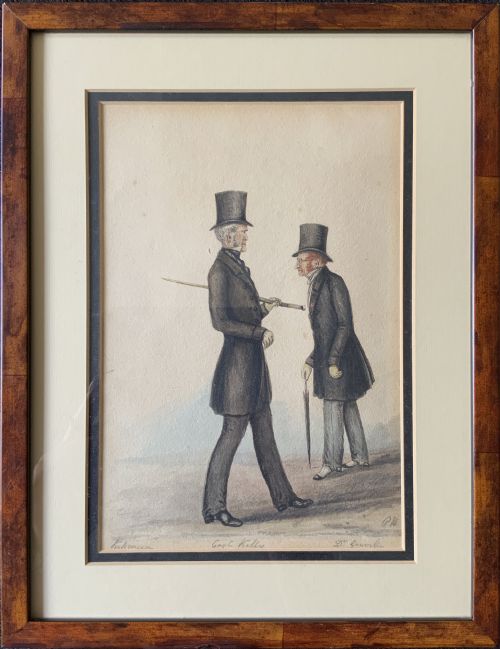
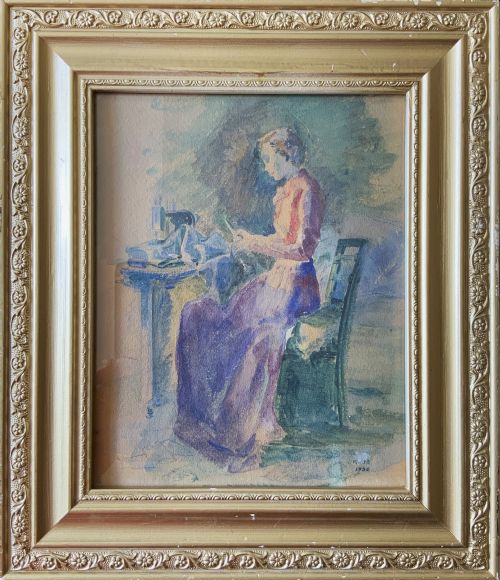
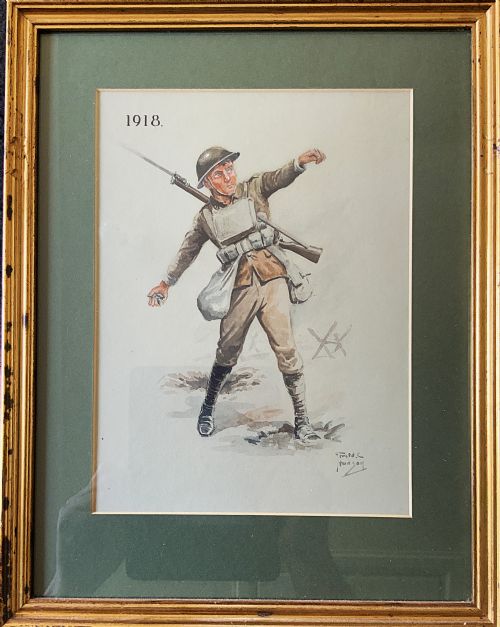
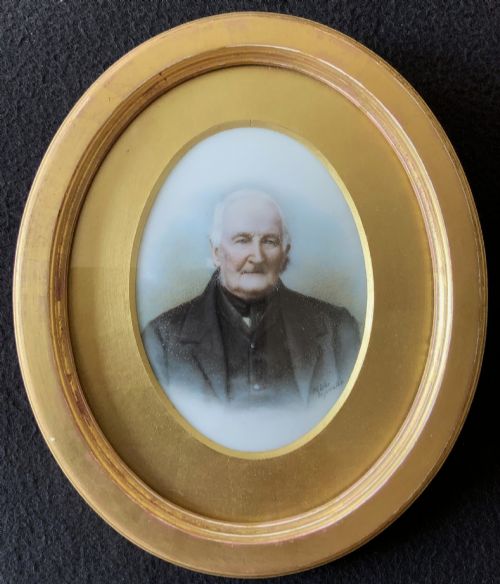
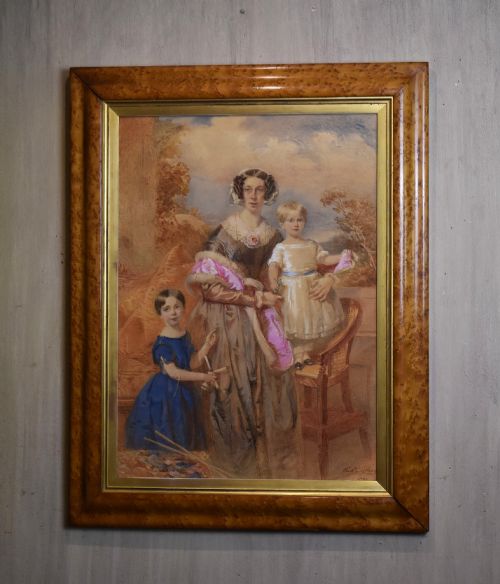
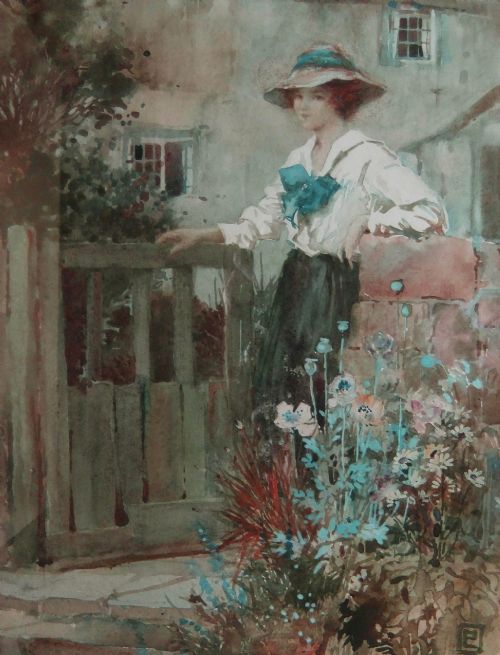
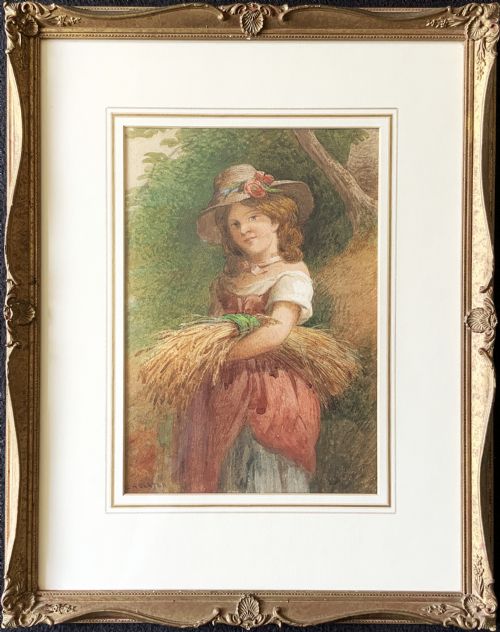
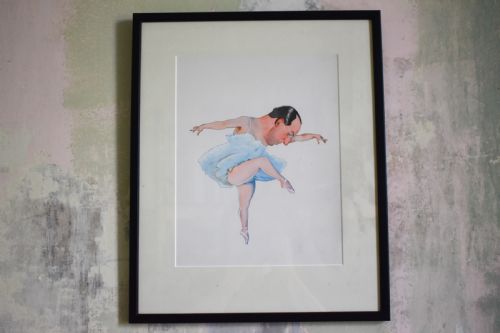
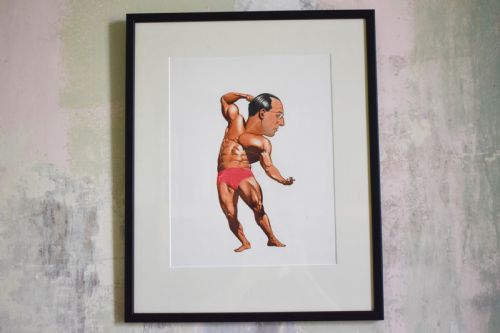
An original watercolour portrait painting records likenesses across centuries, encompassing informal sketches, detailed miniatures and formal Victorian studies. These works range from intimate family depictions to character studies of children, soldiers and gentlefolk.
Buyers will encounter pieces spanning the Georgian era through to mid-century British realism and impressionism. Many retain their period framing, including maple, ebonised wood and gilt settings.
Materials and technique
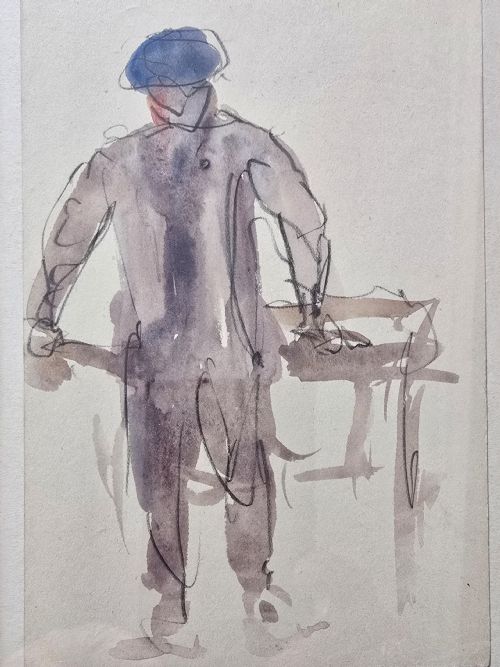
Artists typically applied watercolour pigment, and occasionally gouache or wash, directly onto paper supports. Some delicate miniatures utilise glass coverings to protect the painted surface.
Many works incorporate supportive wooden or gilt wood frames, sometimes featuring gold leaf accents or specialised mounts that define the presentation of the period.
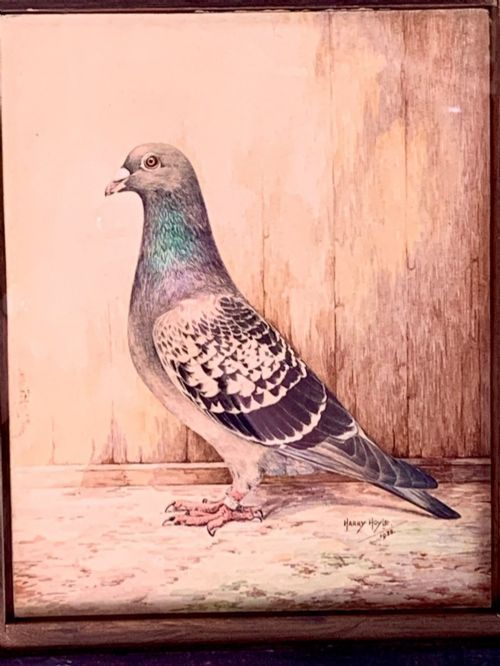
Among the sitters recorded by artists are prize-winning carrier pigeons and gentlemen with wooden legs.
Defining quality and execution
Quality rests upon the artist's handling of pigment, precision of line and ability to convey psychological depth within a fluid medium. Masterful brushwork breathes life into facial expressions and textiles alike.
The preservation of the paper support, vibrancy of the pigments and the authenticity of the period frame contribute significantly to the standing of any given piece.
Sir James Dromgole Linton·John Hassall·Frederick Tatham·Charles Henry Slater·Philip Richard Morris·Arthur Wardle·Henry E Hobson·Raoul Millais
The Original Watercolour Portrait Painting Glossary
- Watercolour
- A paint consisting of a pigment suspended in a water-soluble binder. It allows for translucent washes and delicate layering on paper.
- Miniature painting
- A small-scale portrait executed with meticulous detail. These were frequently housed in protective cases, brooches or specialised frames.
- Gouache
- An opaque water-based paint often used alongside watercolour to add highlights and solid areas of colour.
- Wash
- A thin, fluid layer of diluted watercolour pigment spread evenly across paper to create backgrounds or atmospheric effects.
- Ebonised frame
- Wood treated to imitate ebony, providing a dark, contrasting border popular in 19th-century framing.
Original Watercolour Portrait Painting: Frequently Asked Questions
How should I display watercolour portraits?
Keep them away from direct sunlight to prevent the pigments from fading over time. Professional framing with UV-protective glass helps preserve the paper and colours.
Ensure they hang in rooms with stable humidity levels to protect both the paper support and any historic wooden frame.
Are these portraits unique pieces?
Every piece is a hand-painted original work rather than a mass-produced print. Artists applied pigment directly to paper, making each likeness entirely singular.
Signatures, dates and inscriptions verso often help confirm their individual provenance and history.
How can I tell the period of a portrait?
Clothing styles, hairstyles and framing materials offer clear clues to the decade of creation. Victorian works often feature distinct framing and attire compared to later Edwardian or mid-century pieces.
Handwritten notes on the reverse or signatures by documented artists also aid in dating.
What is a miniature portrait?
Miniature portraits are exceptionally small paintings, often created for personal keepsakes or lockets. Artists achieved remarkable detail on a tiny scale using fine brushes.
They frequently appear in specialised frames, brooches or maple mounts designed for intimate display.