




Vintage Oval Wall Painting
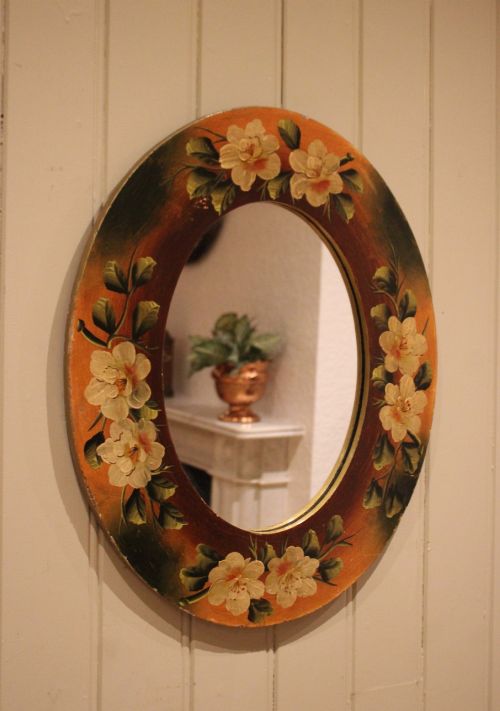
A vintage oval wall painting brings focused composition and historic character to a room, drawing the eye naturally through its curved frame.
Vintage Oval Wall Painting
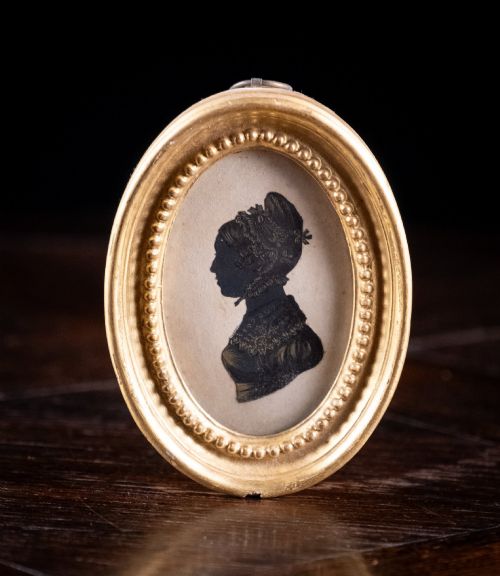
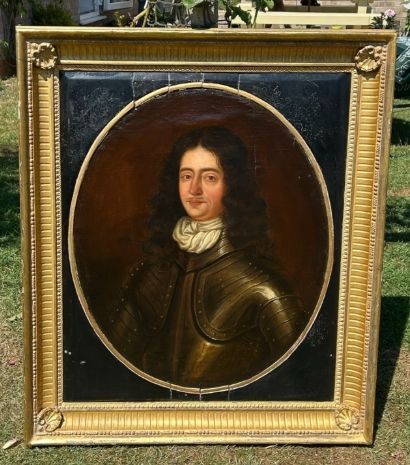
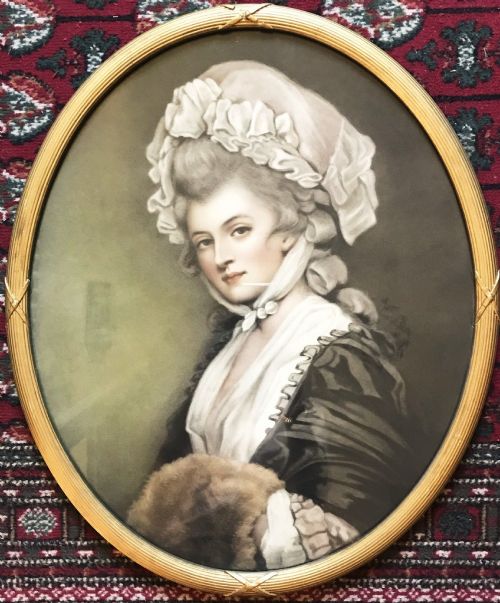
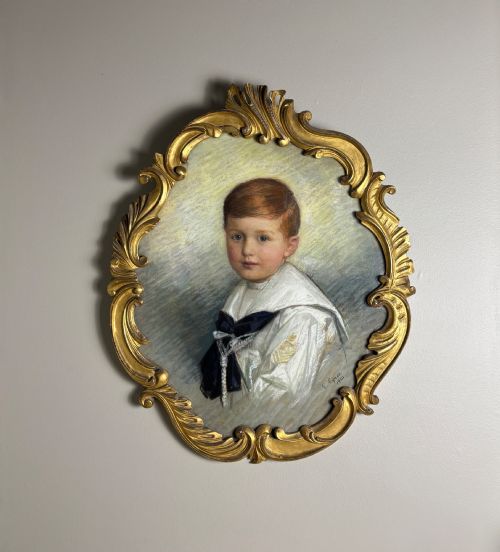
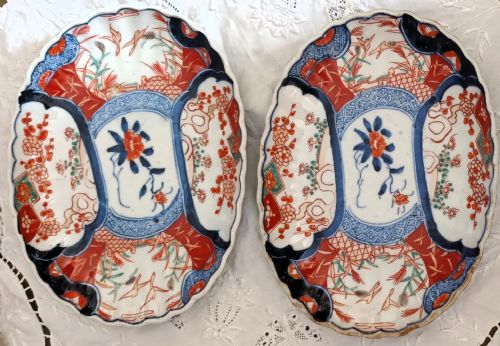
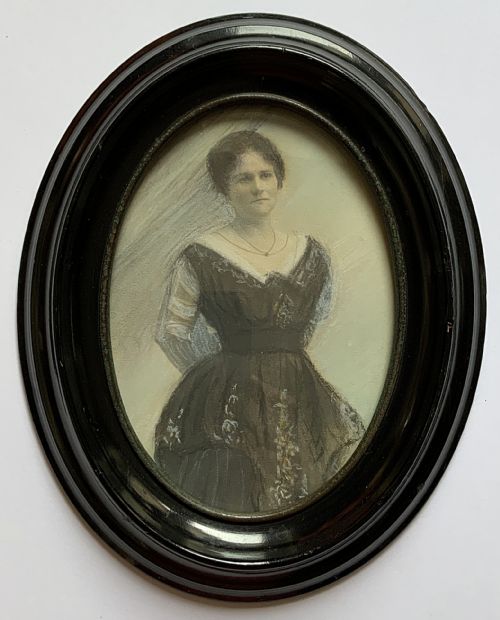
A vintage oval wall painting spans portraiture, landscape, and still life executed across various historical periods.
The selection ranges from early oil on canvas works to delicate watercolours, pastels, and painted ceramic or enamel plaques.
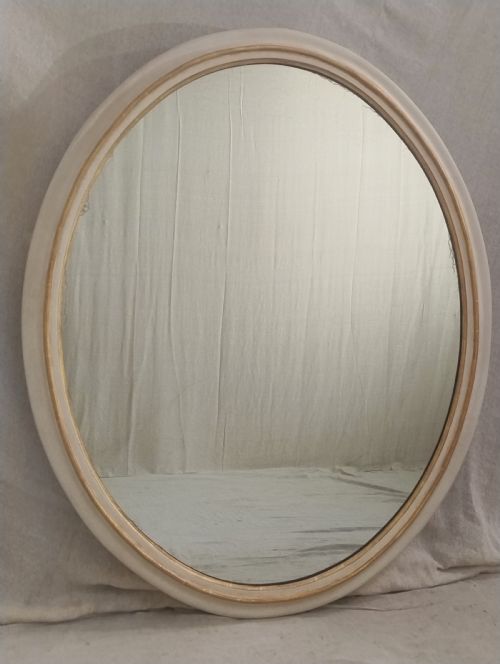
Framing often complements the curved format, utilising carved wood, gesso, or parcel gilt to define the silhouette.
Materials and construction
Artists utilised oil paint, watercolour, pastel, and ink on supports including canvas, card, board, paper, and occasionally ivory.
Frames and backing incorporate wood, gesso, glass, and gilt elements, shaping the distinct oval presentation of each piece.
Several portraits capture subjects wearing elaborate bonnets, ruffs, and an Order of the Garter.
Evaluating the pieces
Quality rests in the precision of the brushwork, the depth of the palette, and the preservation of the original surface.
The relationship between the artwork and its surrounding frame determines the overall integrity of the piece.
Dumini Leopoldo·Emily Eyres·Susie Lassam·John Smith of Edinburgh·Fernand Toussaint·Arthur H Buckland
The Vintage Oval Wall Painting Glossary
- Gesso
- A plaster-like mixture applied to wood frames to create relief ornament before gilding or painting. This material allows for crisp floral and architectural decoration.
- Giltwood
- Wood carved and covered with thin gold leaf or metal leaf. It provides a reflective, warm border suited to framed artwork.
- Watercolour
- A paint method using water-soluble pigments on paper or card. It yields transparent washes and delicate tonal shifts.
- Canvas
- Heavy woven fabric stretched across a wooden frame to serve as a painting surface. It remains a standard support for oil works.
Vintage Oval Wall Painting: Frequently Asked Questions
How do I hang a heavy oval frame?
Ensure the wall fixing engages with a stud or utilises a proper anchor rated for the weight of the wood and glass.
Check that the hanging wire or integrated loops on the back are secure before mounting the piece at eye level.
Can I place these paintings in direct sunlight?
Ultraviolet light degrades pigments over time, causing watercolours and delicate pastels to fade significantly.
Position the pieces away from windows or use glass with UV-filtering properties to protect the surface.
How should I clean the glass on glazed frames?
Apply a mild glass cleaner to a soft cloth rather than spraying directly onto the surface.
Prevent liquid from seeping past the edges of the frame where it might damage the paper or painting underneath.
What lighting works best for oil paintings?
Warm, low-heat picture lights or ambient room illumination highlight the texture of the paint without causing thermal stress.
Avoid halogen bulbs placed too close to the canvas to prevent drying and cracking of the oil medium.