



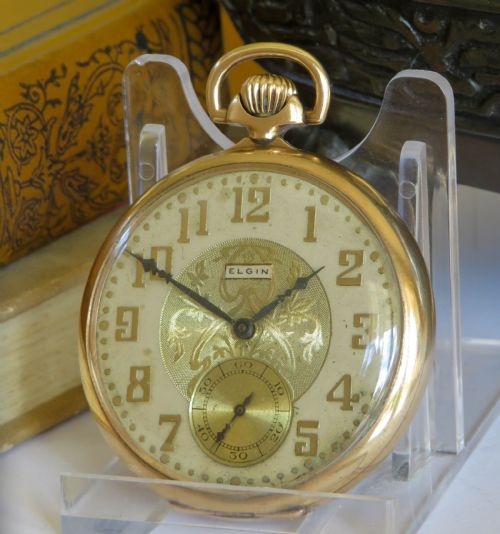
Gold Filled Timepiece
A gold filled timepiece brings reliable mechanical craft to the wrist or waistcoat, spanning early decades through the mid-century.
Gold Filled Timepiece
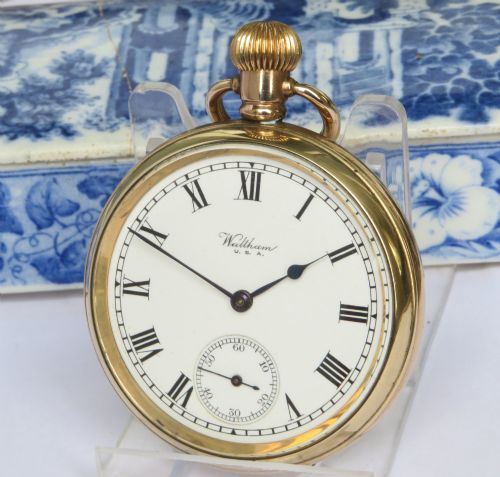
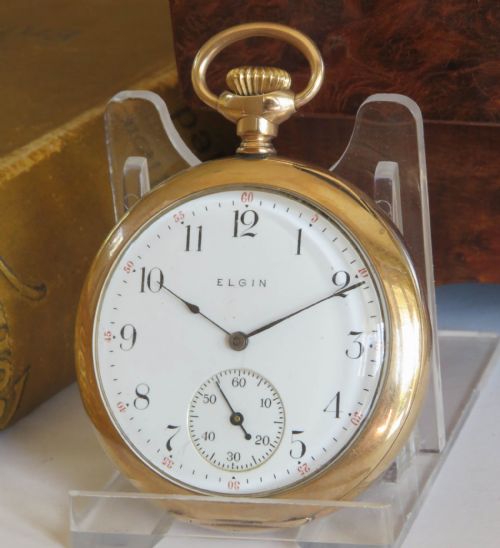
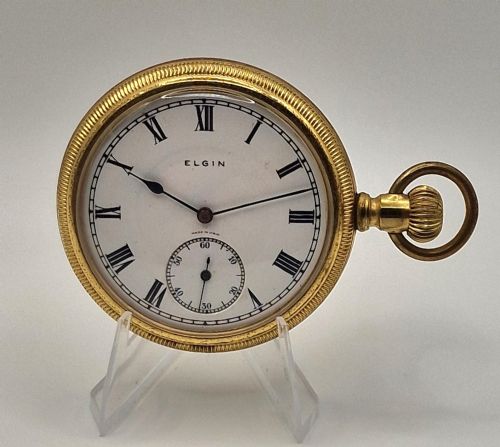
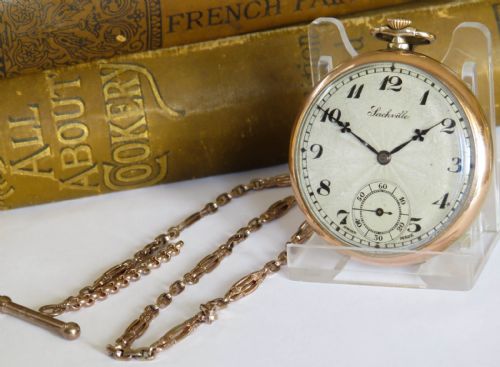
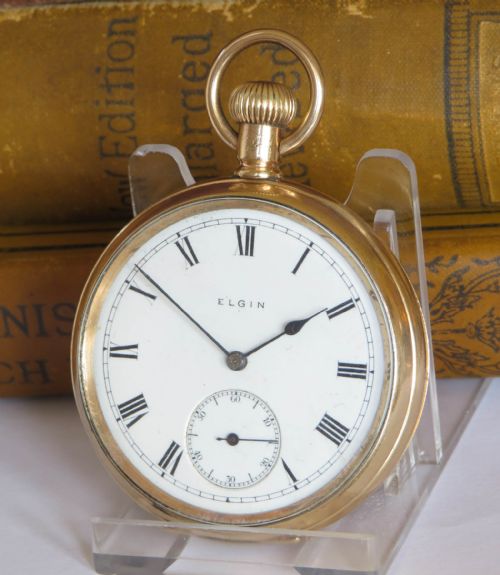
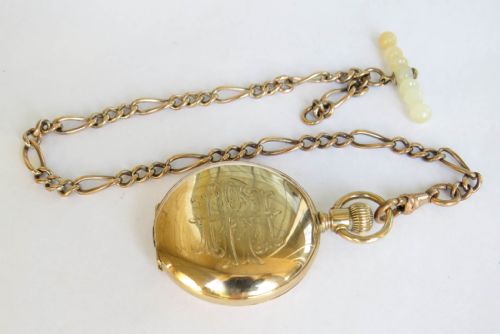
A gold filled timepiece encompasses both pocket watches and wristwatches originating from the early twentieth century up to the nineteen-fifties. The selection on this page leans heavily toward pocket watches alongside a smaller grouping of mid-century wristwatches.
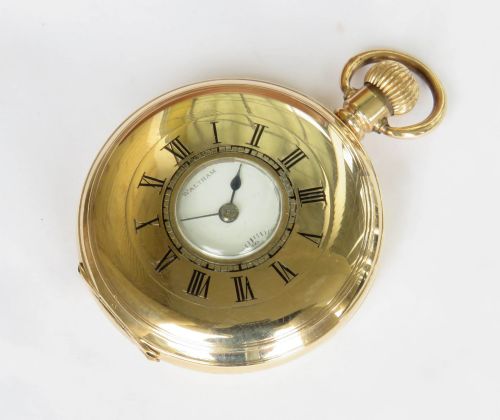
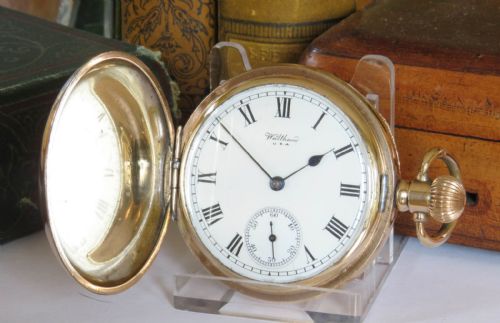
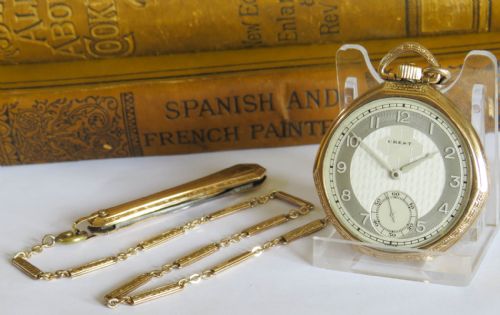
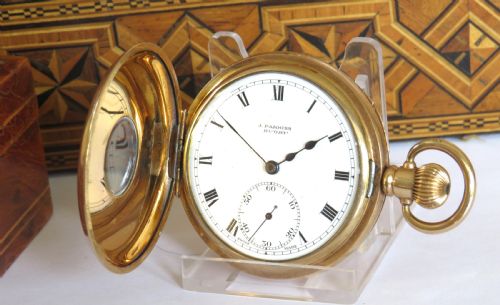
Pocket watch formats include full hunter designs, half hunter models, and fob watches originating across the nineteen-tens, nineteen-twenties, and nineteen-thirties. Wristwatch examples showcase Art Deco styling and Swiss movements housed in rose gold, white gold, or yellow gold filled metal.
Buyers encounter classic manufacturers from various decades, including Elgin, Waltham, Bulova, and Longines. These pieces document shifting tastes from Edwardian detailing through to mid-century modern lines.
Materials and construction
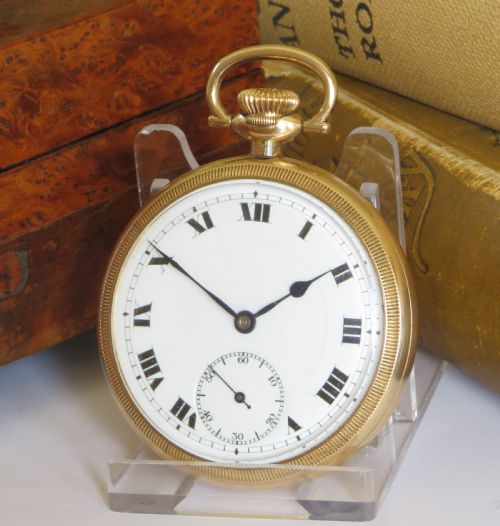
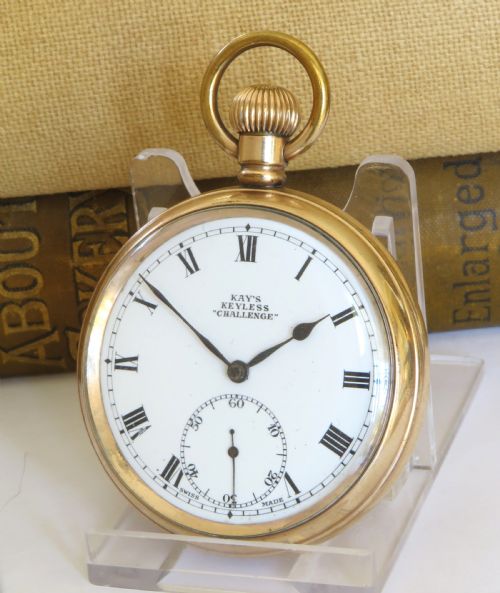
The construction relies on bonding a layer of gold to a base metal core, creating a durable surface that withstands daily handling. Enamel dials, glass crystals, and occasionally leather straps or chains complete the physical assembly of these items.
Movements utilise mechanical engineering with components such as seventeen jewels in specific wristwatch configurations. Cases employ gold plate and gold filled metals, alongside steel components within the internal mechanisms and specific watch backs.
Gold Filled Timepiece Retail Price Guide 2026
Typical asking prices for gold filled timepiece among the pieces listed under this phrase on Sellingantiques today, from the lower quarter to the upper quarter. They describe what is for sale here now, not the wider market.
Materials documented across these items include glass, enamel, leather, steel, gold plate, and gold filled metal.
Assessing quality
Quality reveals itself in the crispness of case engravings, the retention of the gold layer across high-wear edges, and the legibility of enamel dials. Finer examples maintain precise mechanical health and original components across their movements.
The distinction between standard metal plating and true gold filled construction dictates longevity and wear resistance over decades of use. Maker reputation and the complexity of the internal movement further separate standard production items from finer specimens.
Elgin·Sackville·Tavannes·Revue·Globe Watch Co·Limit·Lonville·Waltham·Longines·Bulova
The Gold Filled Timepiece Glossary
- Gold Filled
- A composite material where a layer of gold is mechanically bonded to a base metal core. This provides greater durability than standard plating.
- Full Hunter
- A pocket watch featuring a spring-loaded metal cover that protects the glass dial from scratches and impacts. The cover opens via a crown pusher.
- Half Hunter
- A pocket watch case with a small glass or open aperture in the centre of the outer cover. This allows the user to read the hands without opening the case.
- Fob Watch
- A smaller pocket watch designed to be attached to a short chain or ribbon known as a fob. These were frequently worn suspended from a garment.
- Art Deco
- A design style prominent during the nineteen-twenties and nineteen-thirties characterised by geometric shapes and stylised motifs.
Gold Filled Timepiece: Frequently Asked Questions
What is a gold filled timepiece?
A gold filled timepiece is a watch featuring a base metal core encased in a bonded layer of gold. These items include both pocket watches and wristwatches produced across the early to mid-twentieth century.
The manufacturing method differs from simple plating by using a much thicker layer of gold fused under heat and pressure. This ensures the exterior retains its appearance through years of regular wear.
How do I wind a vintage pocket watch?
Winding requires turning the crown at the top of the watch gently clockwise until you feel resistance. Do not force the crown once resistance starts, as overwinding can damage the internal spring.
Most mechanical pieces require winding daily or every few days depending on the mainspring capacity. Maintaining a regular winding routine helps keep the internal mechanism lubricated and running accurately.
How do I care for a vintage watch?
Keep the watch away from moisture, extreme temperatures, and strong magnetic fields found near modern electronics. Store it safely in a dry location when not being worn on a chain or wrist.
Periodic professional servicing keeps the internal mechanical parts clean and functioning properly. Regular care preserves both the exterior metal finish and the precision of the movement.