

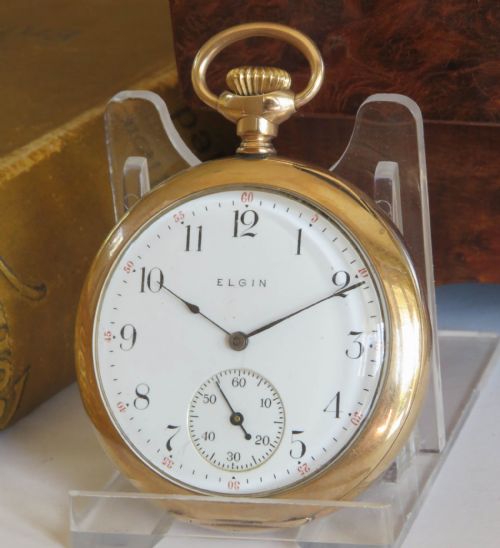
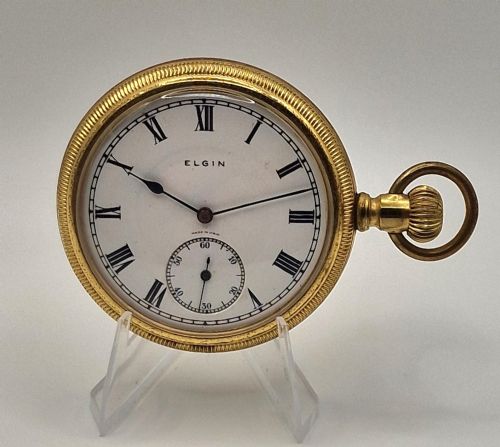
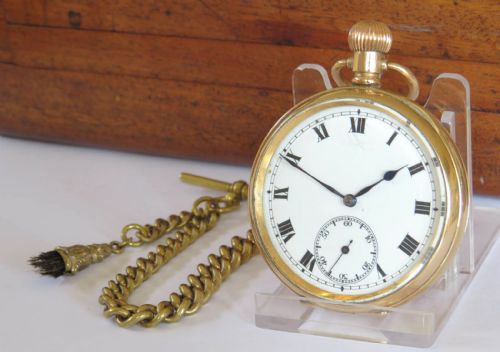
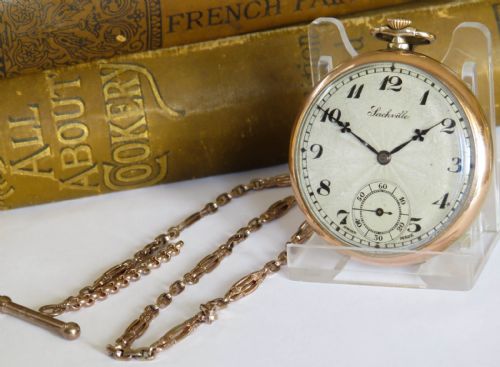
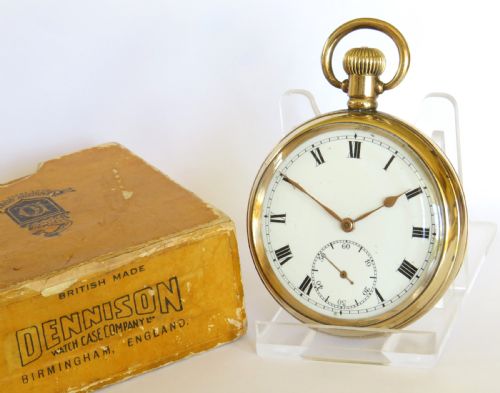
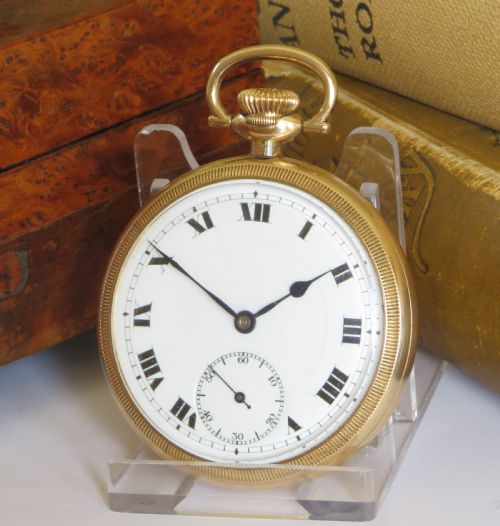
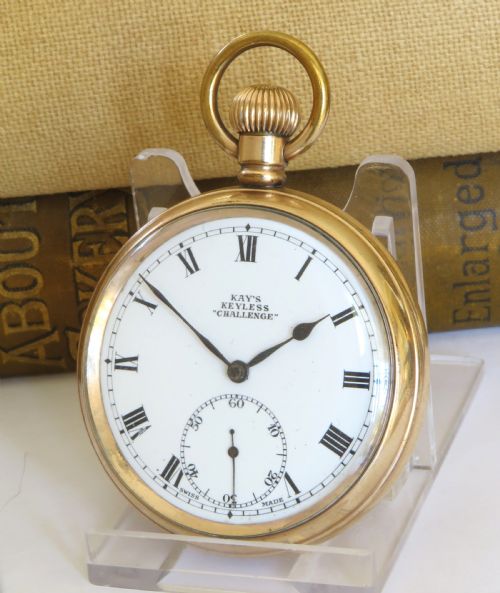

Gold Filled Mechanical Watch
A gold filled mechanical watch brings together robust engineering and a warm metallic lustre, offering dependable timekeeping across the twentieth century.
Gold Filled Mechanical Watch
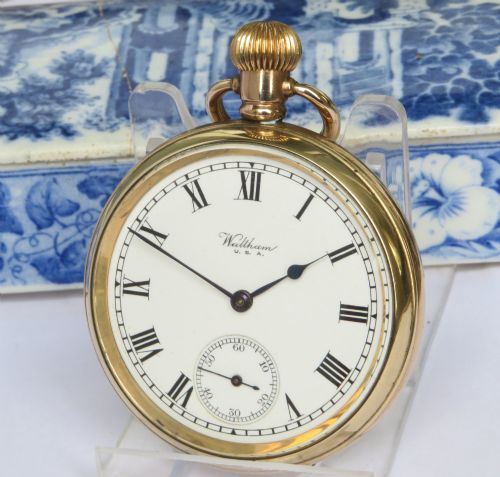
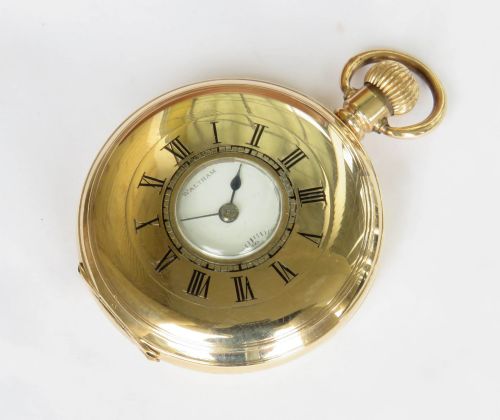
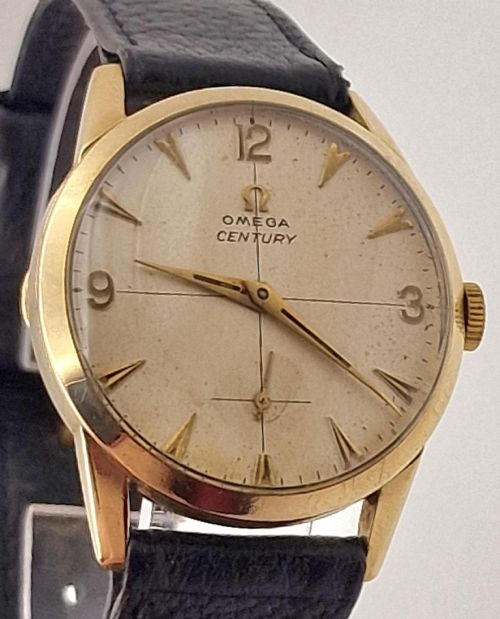
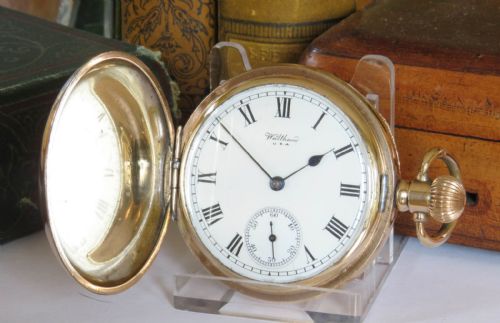
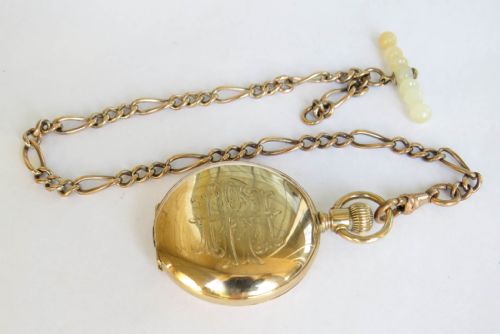
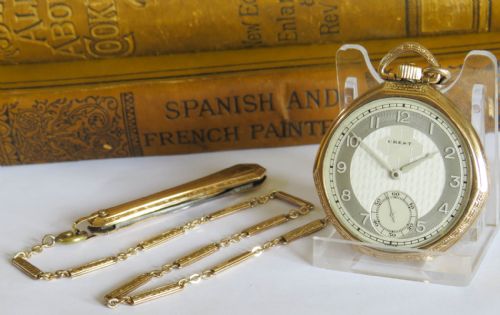
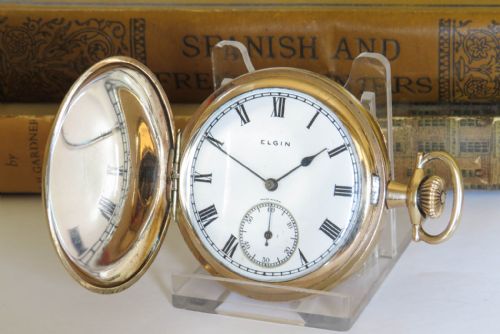
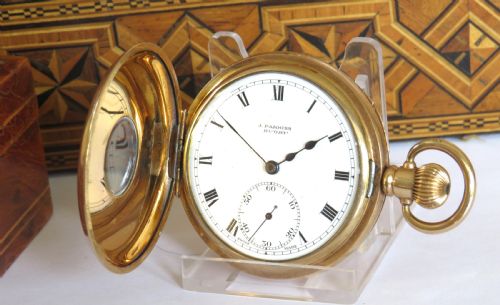
Pocket watches dominate the earlier decades, particularly full hunter and half hunter designs equipped with protective metal covers. As the decades progress into the 1930s and 1940s, wristwatches emerge in distinct Art Deco rectangular and square forms alongside round variations. These timepieces served as daily essentials for gentlemen and travellers, combining mechanical reliability with the refined appearance of solid gold at a different tier of manufacture.
How they were made
The construction of a gold filled mechanical watch relies on a thick layer of gold mechanically fused to a base metal core, such as brass or steel, ensuring far greater durability than simple gold plating. Inside the case, complex brass movements operate through a system of gears, jewels, and a wound mainspring to regulate time without electrical assistance.
Dials are protected by glass crystals and often feature enamel detailing, Arabic or Roman numerals, and subsidiary seconds dials. Exterior cases incorporate hinged backs and bezels, sometimes accompanied by original chains, leather straps, or presentation boxes.
Gold Filled Mechanical Watch Retail Price Guide 2026
Typical asking prices for gold filled mechanical watch among the pieces listed under this phrase on Sellingantiques today, from the lower quarter to the upper quarter. They describe what is for sale here now, not the wider market.
Listings span from the 1900s to the 1950s, incorporating glass, enamel, steel, leather, and gold filled materials across pocket and wrist formats.
What varies in quality
The distinction between tiers of quality rests upon the fineness of the movement and the integrity of the gold layer over decades of wear. Superior examples feature high jewel counts within the mechanism and crisp, unblemished enamel dials.
Case manufacture also dictates standing, with heavier gold filling and tightly sealing hunter covers preserving the underlying metal far better than thin applications subject to rubbing.
Tavannes·Elgin·Waltham·Revue·Longines·Le coultre·Bulova
The Gold Filled Mechanical Watch Glossary
- Gold filled
- A manufacturing method where a substantial layer of gold is bonded to a base metal core using heat and pressure. This technique provides a much thicker coating than standard electroplating.
- Full hunter
- A pocket watch style featuring a spring-loaded metal cover that protects the glass crystal from scratches and impacts. The cover opens via a button set into the crown.
- Half hunter
- A pocket watch case featuring a metal outer cover with a central glass or open aperture. This allows the wearer to check the hands without fully opening the protective lid.
- Mechanical movement
- A timekeeping mechanism powered by a mainspring that stores energy through manual winding. It relies entirely on physical gears, springs, and an escapement rather than electrical circuits.
- Jewels
- Synthetic rubies or sapphires placed at friction points within a watch movement to reduce wear on metal pivots. Higher numbers generally indicate a more refined calibre.
Gold Filled Mechanical Watch: Frequently Asked Questions
What is the difference between open faced and hunter watches?
An open faced watch has no protective metal cover over the glass crystal, allowing you to read the time at a glance. A hunter watch encloses the dial behind a hinged metal lid that springs open when the crown is pressed.
Hunter designs offered extra protection for pocket watches carried in waistcoats alongside other items. Open faced styles became increasingly popular for quick reference and eventually influenced early wristwatch design.
Can I wear a vintage watch every day?
Many collectors wear these pieces regularly provided the movement has been recently serviced. Regular use keeps the mechanical oils evenly distributed across the pivots and gears.
However, vintage pieces lack modern water resistance and shock protection. You should remove them during vigorous physical activity or exposure to moisture.
How do I read a half hunter dial?
A half hunter dial is viewed through a small circular glass window set directly into the centre of the outer metal cover. Roman or Arabic numerals are often enamelled on the exterior metal bezel around this aperture to help read the hours.
You open the full cover when you need to set the time or read the minute hand precisely. This design balances protection with the convenience of checking the hour without opening the case.