



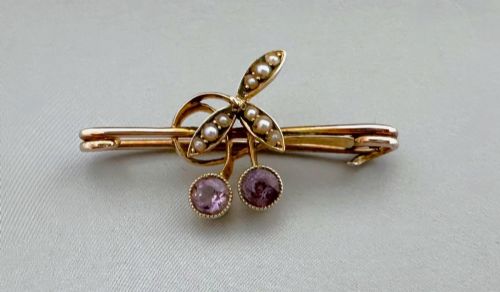


Gold Dress Pin
A gold dress pin secures fabric with quiet refinement, offering a wearable piece of history spanning from Georgian elegance to Mid-Century modernity.
Gold Dress Pin
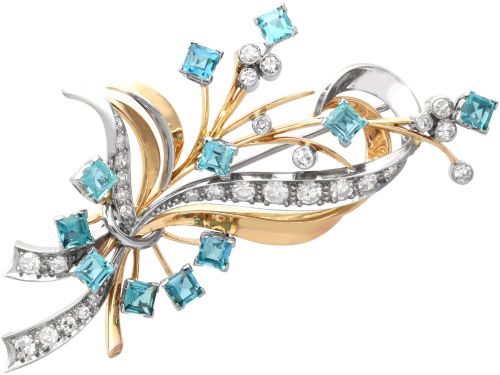
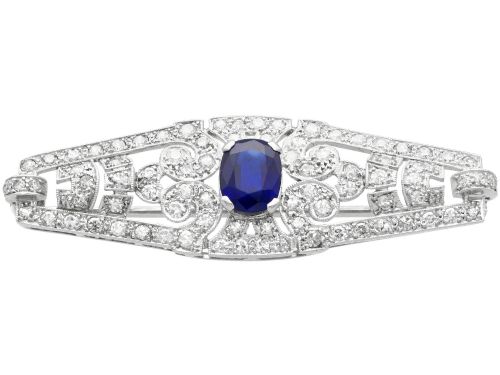
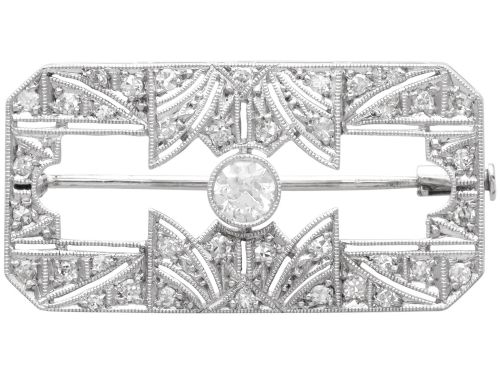
A gold dress pin functions primarily as a decorative fastening for garments, appearing frequently in configurations such as bar brooches, floral motifs, and geometric Art Deco designs. When searching for a gold dress pin, buyers encounter pieces fashioned across multiple eras, including Victorian, Edwardian, and mid-twentieth-century periods.
The selection ranges from simple yellow and rose gold bars set with single stones to elaborate platinum-topped diamond clusters and multi-gem spray brooches. Many surviving examples integrate silver on their face to enhance the brilliance of old-cut diamonds while maintaining a solid gold pin mechanism at the reverse.
Originating from workshops in Britain and France, these jewels reflect changing aesthetic preferences from the romantic symbolism of the nineteenth century to the clean, architectural lines of the 1920s and the bold stone weights of the 1950s.
Materials and Construction
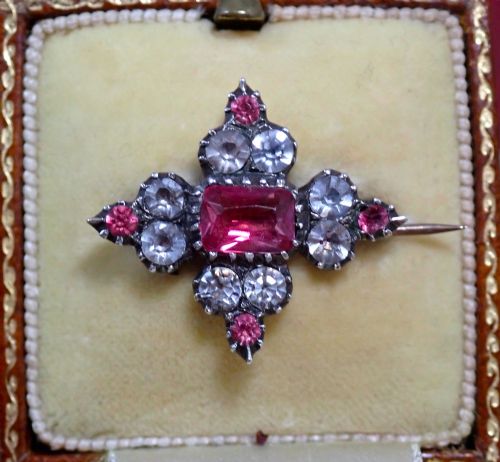
Goldsmiths constructed these jewels using varying purities of yellow, rose, and white gold, often pairing the metal with platinum during the Edwardian and Art Deco periods to create strong, delicate settings. Silver frequently fronts gold bases in earlier items to provide a bright contrasting foil for diamonds.
Gemstones including diamonds, rubies, sapphires, garnets, and pearls are secured using claw, collet, or pave settings, complemented occasionally by carved materials like rock crystal quartz, black onyx, and chrysoprase. Pins and catches are forged for functional resilience, utilising hinged stems and safety hooks suited to secure fastening on heavy fabrics.
Gold Dress Pin Retail Price Guide 2026
Typical asking prices for gold dress pin among the pieces listed under this phrase on Sellingantiques today, from the lower quarter to the upper quarter. They describe what is for sale here now, not the wider market.
Distinguishing Quality
Superior execution shows in the crispness of metalwork and the precision with which stones are matched and seated within their bezels or claw mounts. Master jewellers balanced substantial gemstone weights with delicate, harmonious frames that avoided heavy or clumsy proportions.
The choice of materials dictates the upper tier of the range, where fine platinum and high-carat gold support exceptional old-cut diamonds, natural pearls, or large step-cut coloured stones like aquamarines and citrines.
The Gold Dress Pin Glossary
- Bar brooch
- A horizontal pin configuration popular across Victorian and Edwardian periods, often centred on a cluster or linear sequence of gemstones.
- Old-cut diamond
- A hand-faceted diamond cut before modern brilliant standards, featuring a smaller table and higher crown that produces a soft, candlelit sparkle.
- Collet setting
- A low collar of metal that encircles the girdle of a gemstone, holding it securely flush against the backing.
- Pave setting
- A technique where numerous small gemstones are set closely together with minimal visible metal, creating a continuous surface of sparkle.
- Paste
- Hand-cut and polished lead glass used historically to simulate precious gemstones, valued for its historical integrity and optical depth.
Gold Dress Pin: Frequently Asked Questions
How do I wear a dress pin safely?
Pin the piece through tightly woven fabrics like wool, tweed, or heavy silk to support the weight of the metal and stones without pulling individual threads.
Ensure the safety catch or C-clasp is fully engaged before stepping out, and avoid wearing delicate dress pins on thin cottons or loosely knit materials that might sag under the weight.
Were these pins worn only on dresses?
Victorian and Edwardian wearers pinned these jewels to hats, lapels, cravats, and evening sashes in addition to fastening the fronts of dresses.
By the mid-twentieth century, stylists utilised them to anchor scarves, secure stoles, or accent the waistbands of tailored skirts.
How do I distinguish Edwardian from Victorian pins?
Victorian pieces often feature warmer yellow and rose gold, naturalistic motifs like flowers and birds, and deep red garnets or rich paste stones.
Edwardian designs transition into lighter platinum and white gold settings, prioritising airy garlands, millegrain edges, and sparkling diamond clusters.
How should I clean my antique pin?
Use a soft brush with warm water and mild soap to gently remove dust from behind the stones, taking care not to submerge pieces with vulnerable backs or natural pearls.
Dry the metal thoroughly with a lint-free cloth and store the piece in a dedicated velvet-lined box to protect the pin stem from bending.