
Gold Diamond Solitaire Ring
A gold diamond solitaire ring brings together a single central stone and precious metal, holding a timeless appeal for collectors and wearers alike.
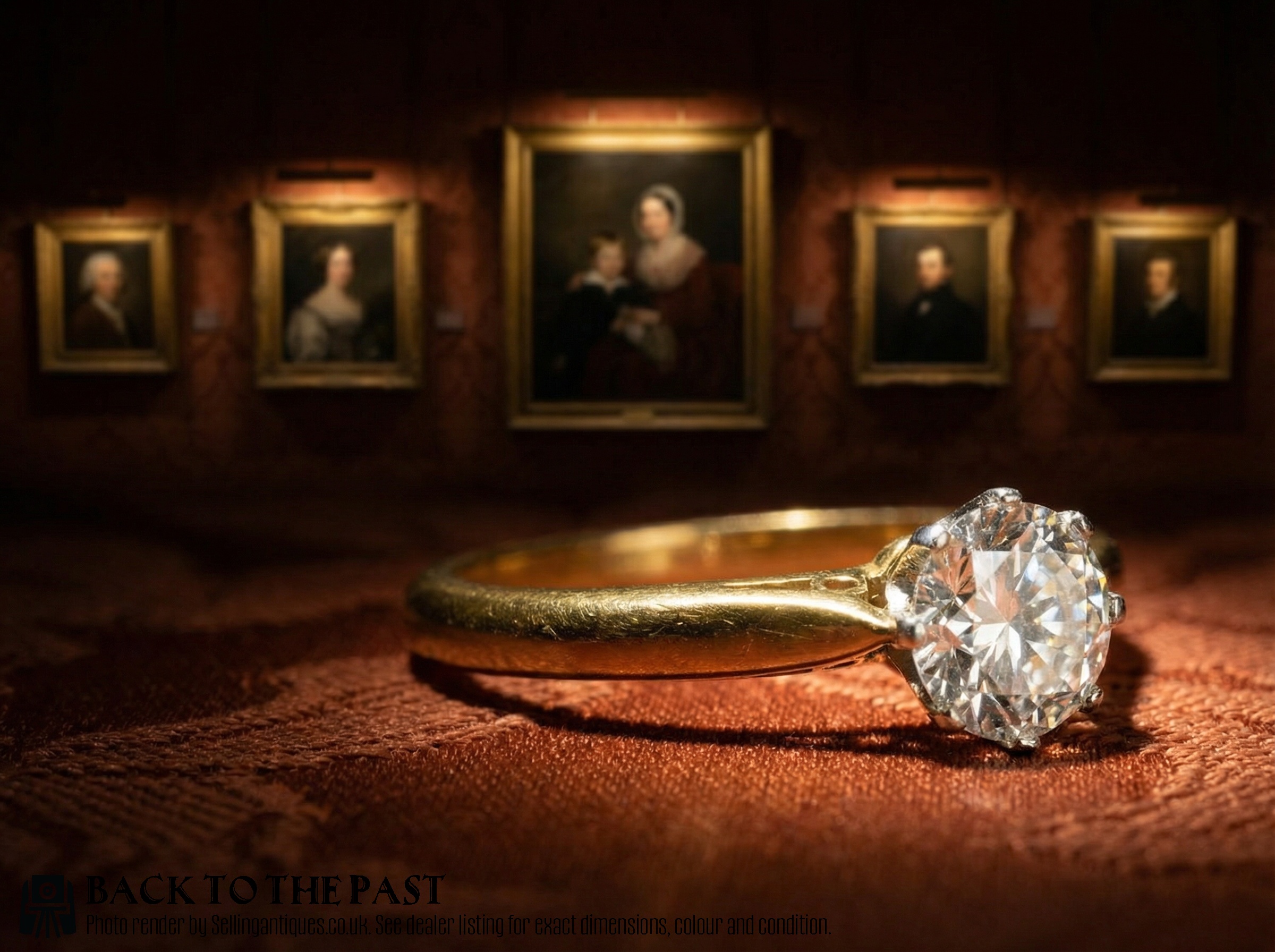
Gold Diamond Solitaire Ring
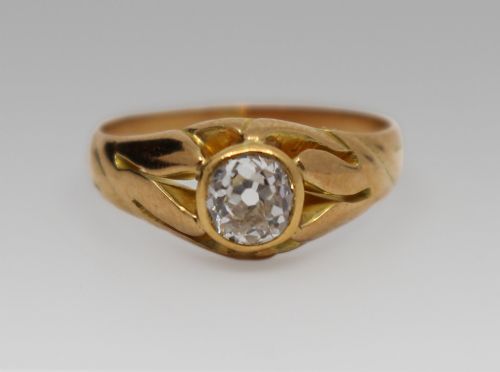
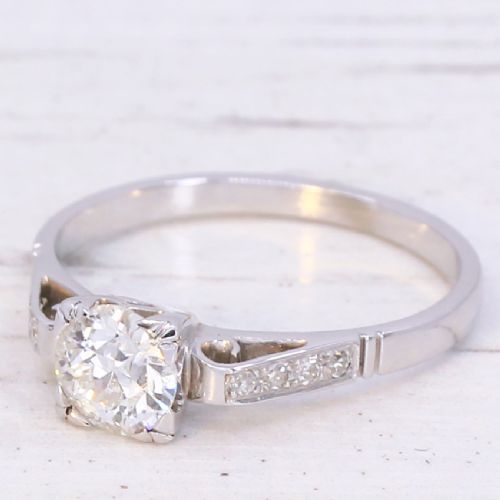
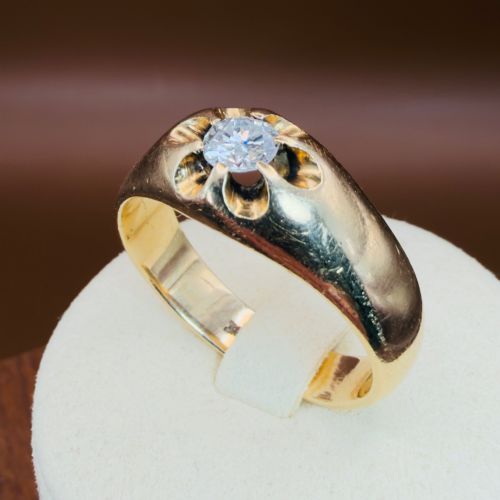
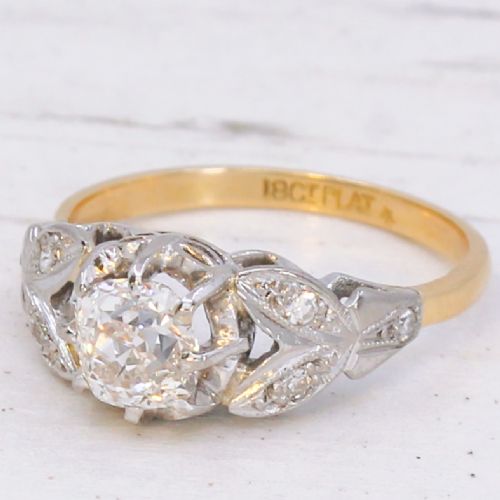
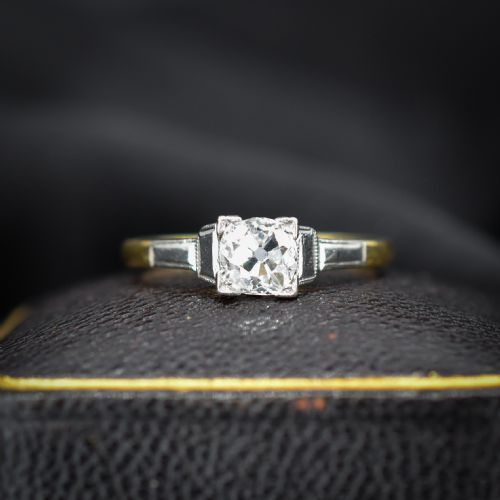
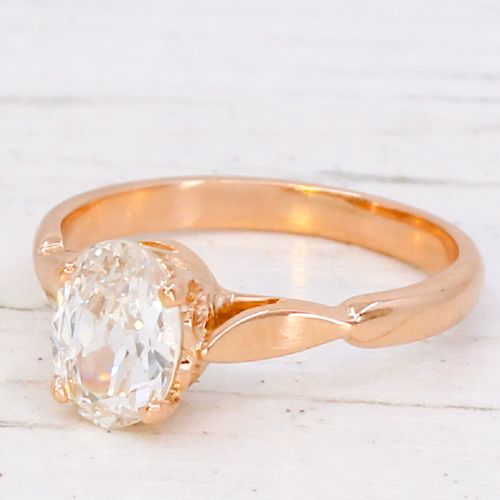
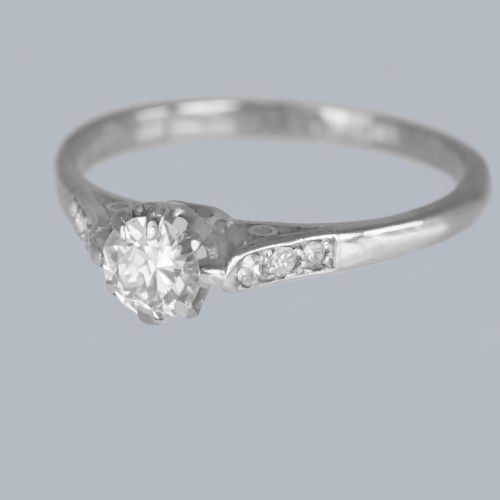
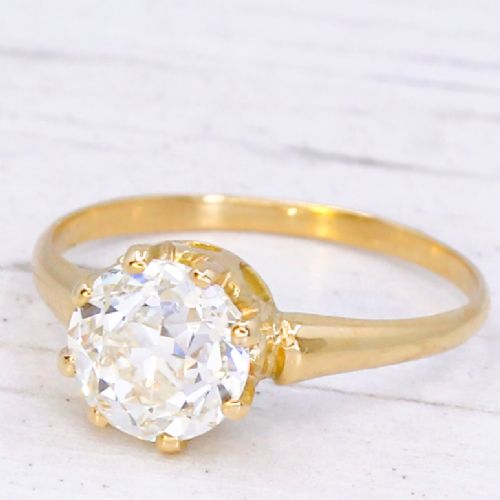
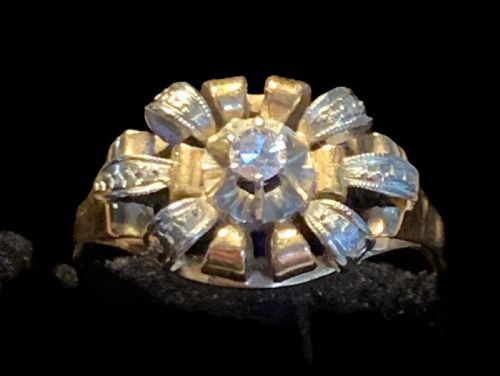
The selection ranges from early Victorian gypsy settings and Edwardian yellow gold mounts to geometric Art Deco platinum-topped designs. Later vintage pieces from the 1940s, 1950s, and 1960s also appear frequently, often showcasing brilliant-cut stones in white or yellow gold.
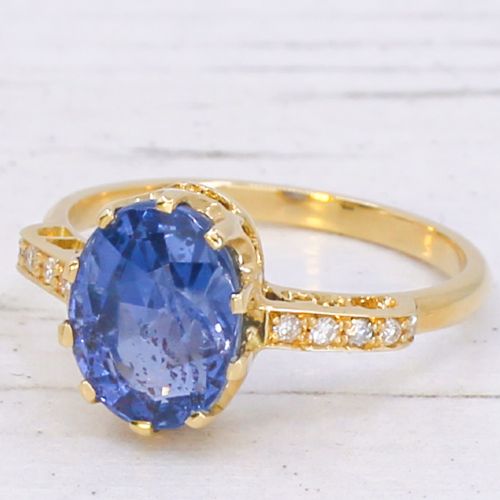
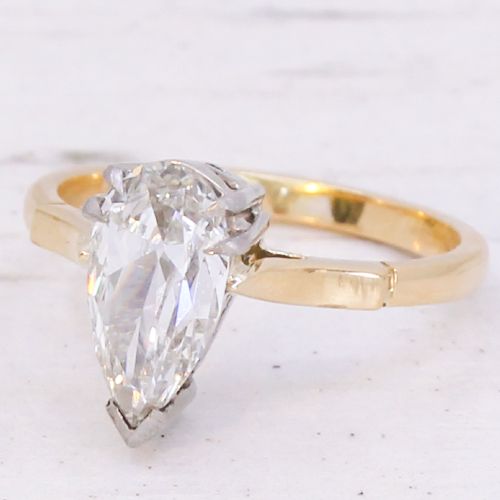
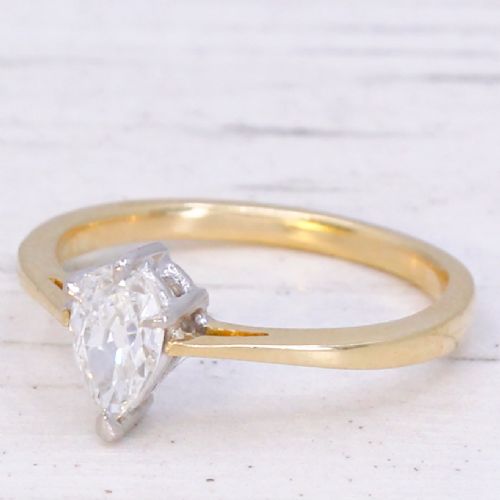
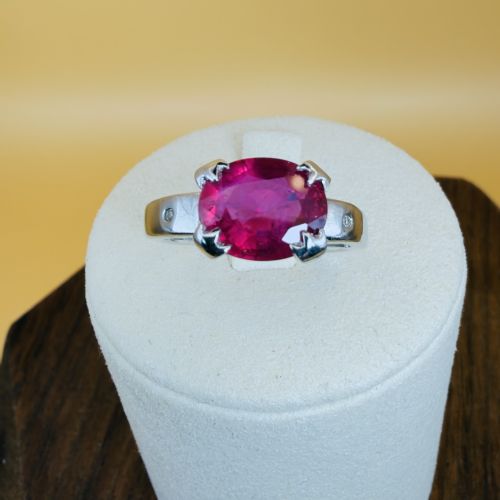
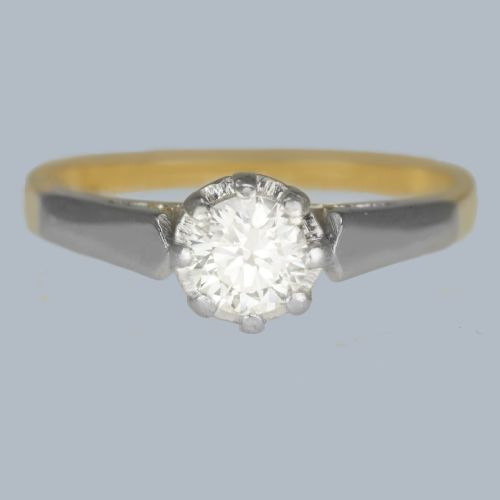
Many examples combine yellow gold bands with white gold or platinum settings to enhance the appearance of the diamond. Alternative gemstone accents such as sapphires, rubies, or emeralds occasionally accompany the central diamond in related cluster or shoulder-set variations.
How They Were Made
Goldsmiths utilised varying purities of gold, including 9ct, 14ct, 15ct, 18ct yellow gold, and 18ct white gold, often paired with durable platinum for secure prong or bezel settings. Platinum became particularly favoured during the Art Deco period for its strength in holding intricate geometric mountings.
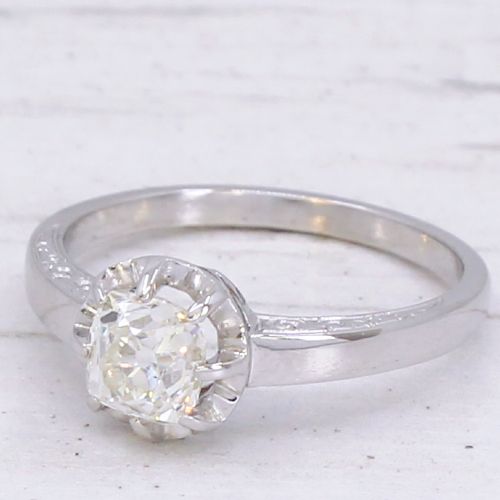
Diamonds within these rings display historical cutting styles shaped by hand, including old European cuts, old mine cuts, transitional cuts, and later brilliant cuts. These cuts feature smaller tables and higher crowns compared to modern stones, producing a distinctive softer light reflection.
Gold Diamond Solitaire Ring Retail Price Guide 2026
Typical asking prices for gold diamond solitaire ring among the pieces listed under this phrase on Sellingantiques today, from the lower quarter to the upper quarter. They describe what is for sale here now, not the wider market.
What Varies in Quality
Quality in these rings rests upon the precision of the gemstone cut and the integrity of the metalwork. Hand-cut historical diamonds display individual character, where symmetry and light return distinguish superior stones from simpler examples.
The craftsmanship of the setting also defines the tier of a piece, observable in the neatness of claw work, hand engraving, and the secure integration of platinum tops onto gold shanks.
The Gold Diamond Solitaire Ring Glossary
- Old European Cut
- A historical diamond cutting style popular from the late nineteenth into the mid-twentieth century featuring a round shape, high crown, and small table. This cut produces distinctive broad facets that catch candle or gas light.
- Gypsy Setting
- A ring style where the gemstone is flush-set directly into the thick metal band, creating a smooth exterior surface. This method was common in Victorian pieces designed for everyday durability.
- Platinum-Topped
- A construction technique where a layer of platinum is fused over an underlying gold base, common in Edwardian and Art Deco jewellery. This allowed white metal to showcase the diamonds while retaining the warmth or weight of gold beneath.
- Transitional Cut
- A diamond cut used during the mid-twentieth century that bridges the older European cut and the modern brilliant cut. It combines the deep pavilion of historical stones with the increased facet symmetry of later styles.
- Solitaire
- A jewellery setting featuring a single gemstone mounted on its own. This design focuses attention entirely on the central stone without competing side gems.
Gold Diamond Solitaire Ring: Frequently Asked Questions
How do I identify an Art Deco ring?
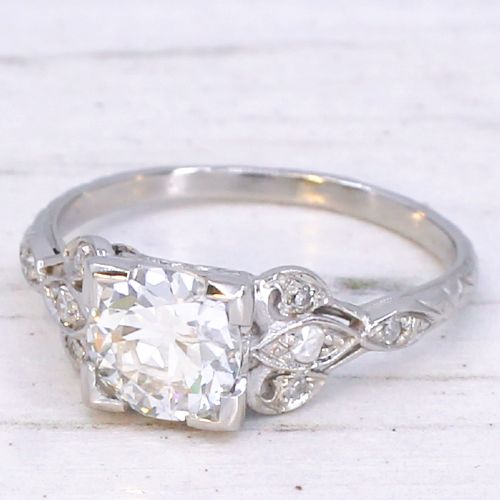
Art Deco rings typically display geometric motifs, clean lines, and platinum-topped yellow gold settings. The diamond cuts from this era lean toward old European or transitional styles.
Maker marks and the specific combination of platinum over 18ct gold further point toward this 1920s and 1930s aesthetic.
What is an old cut diamond?
An old cut diamond refers to stones shaped by hand before modern machine-cutting standards were established. They feature smaller tables, open culets, and distinctive facet patterns.
These characteristics give the stones a unique visual depth under ambient light conditions.
Can I wear a vintage ring daily?
Most antique and vintage rings constructed from 18ct gold or platinum suit daily wear when handled with reasonable care. Sturdier forms like gypsy settings offer high durability for continuous use.
Prong-set stones benefit from occasional checks by a jeweller to ensure the metal remains secure.