
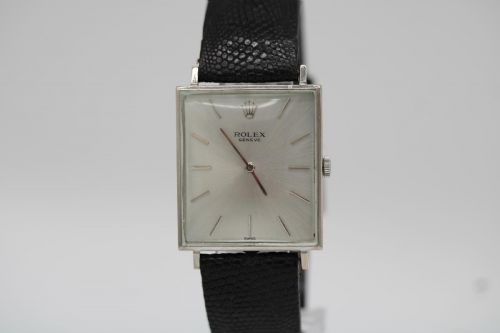
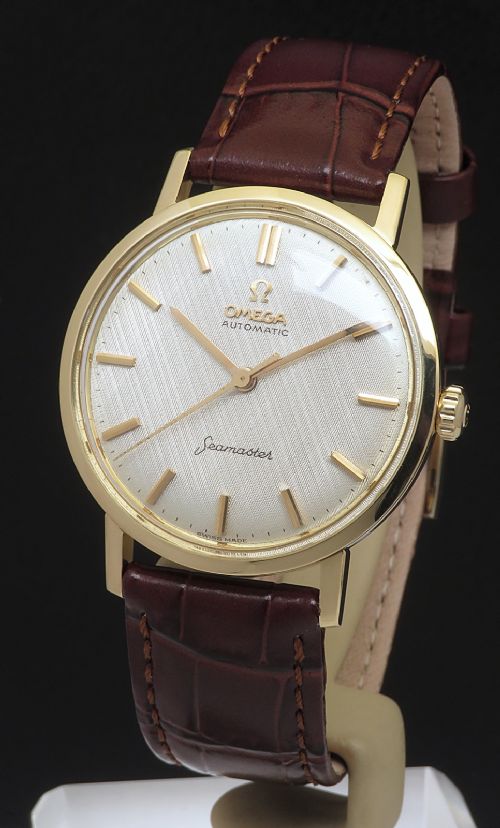
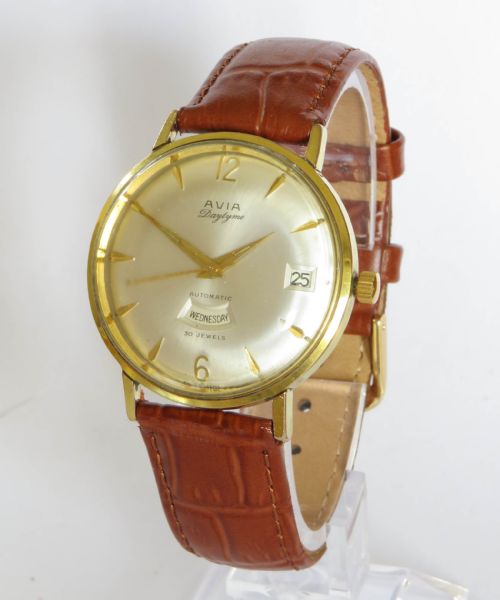
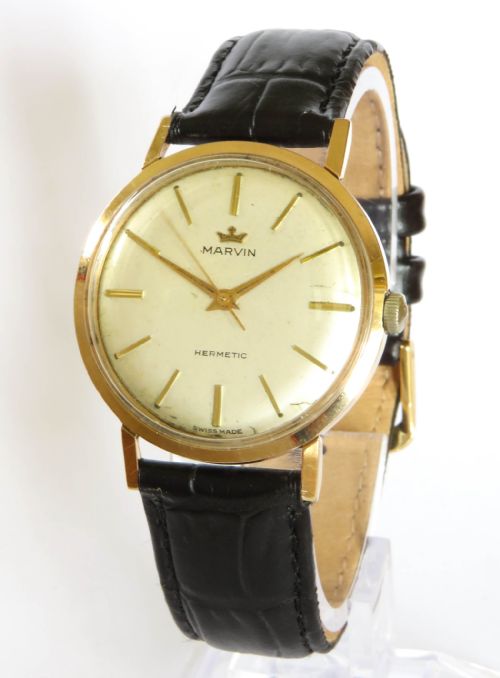
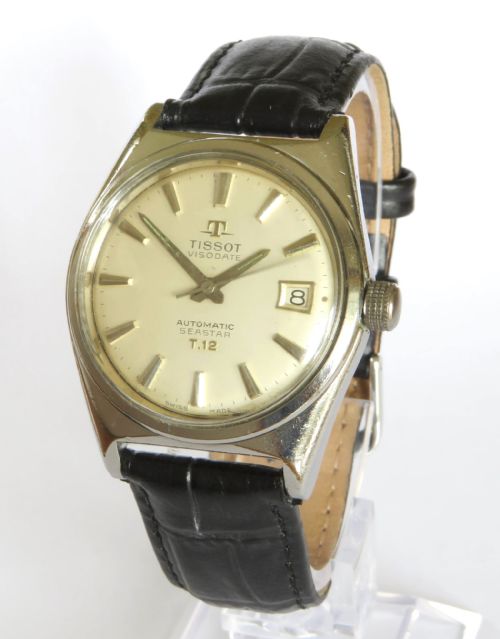
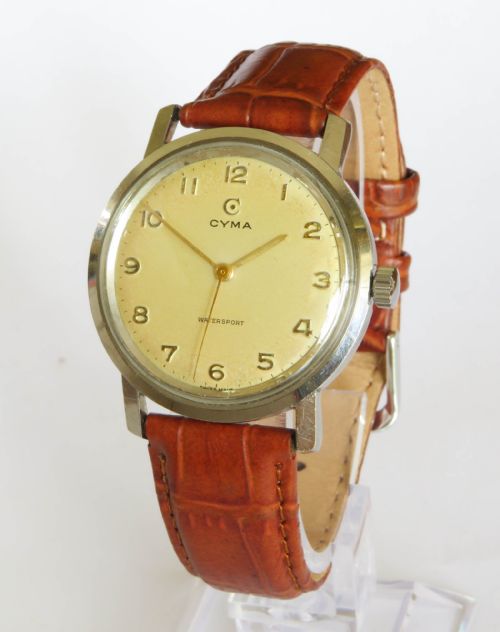
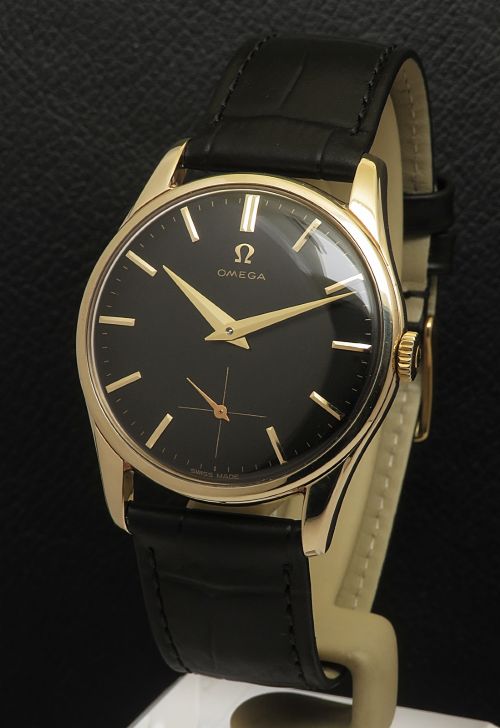
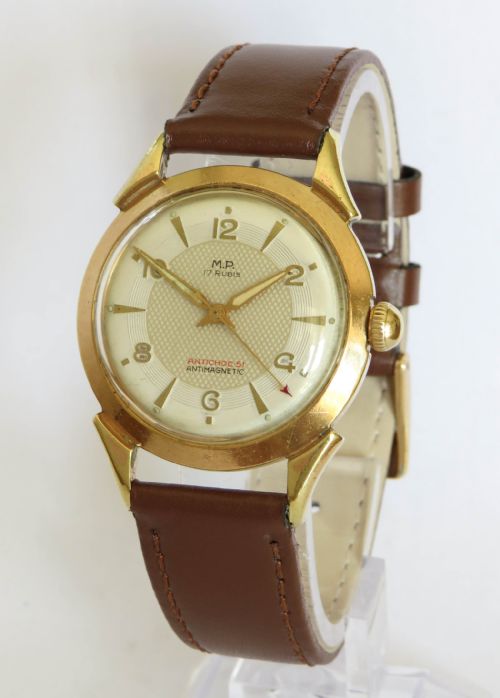
Gold Dial Dress Watch
A gold dial dress watch brings quiet refinement to the wrist, offering a distinct metallic warmth across mid-century and earlier designs.
Gold Dial Dress Watch
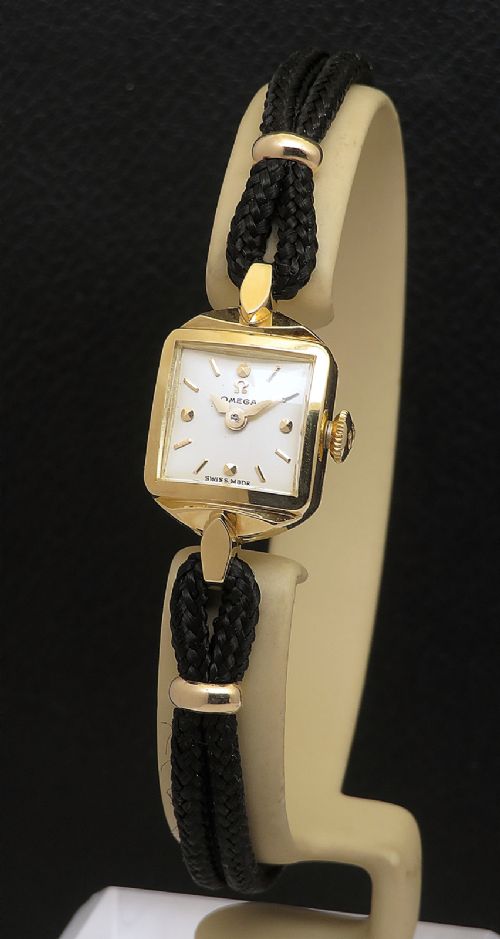
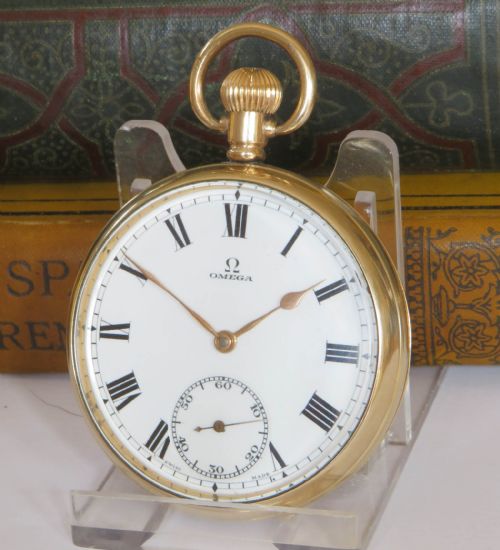
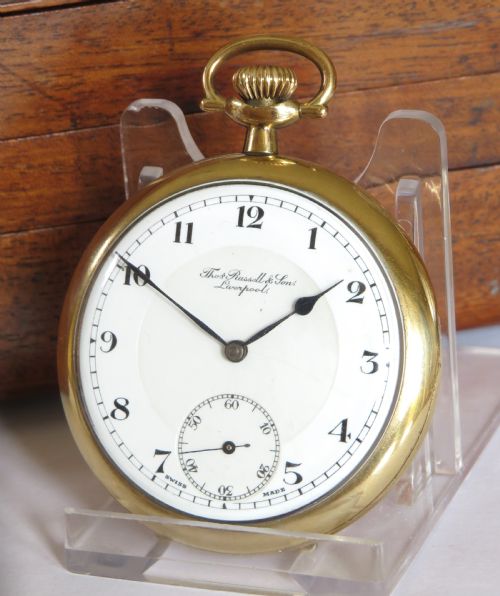
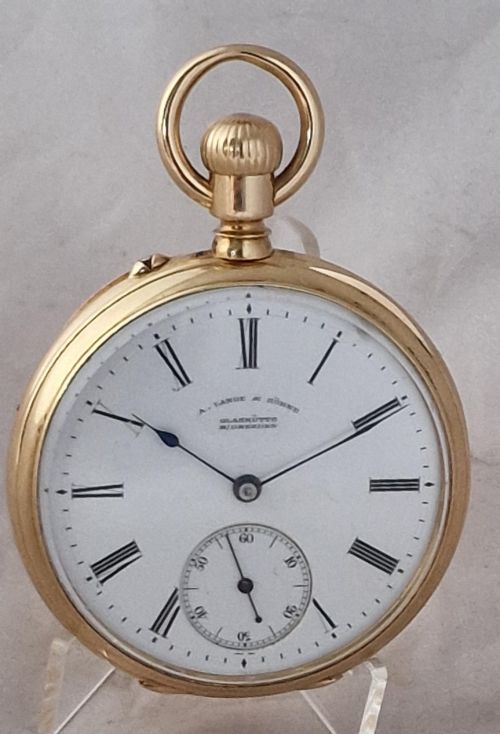
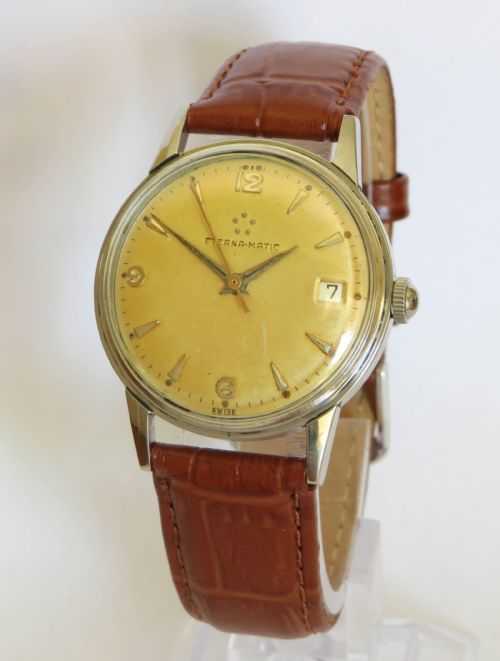
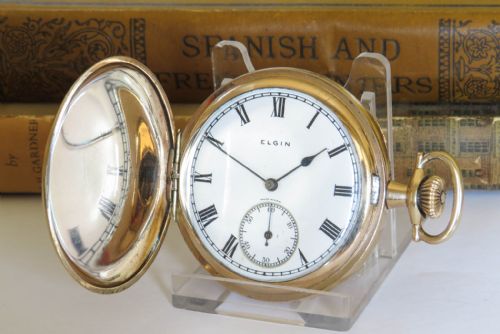
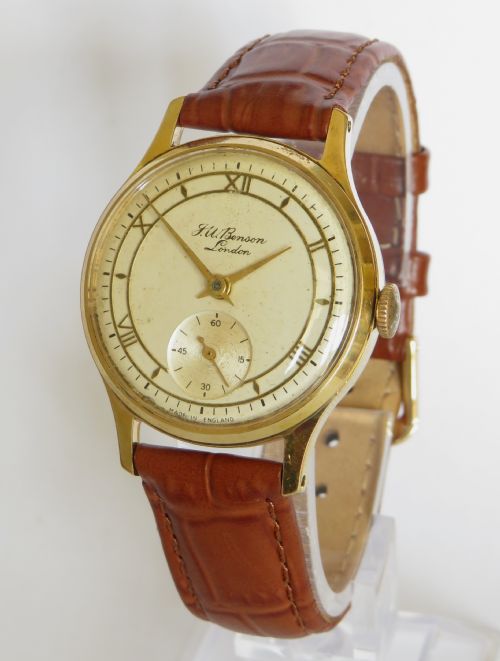
A gold dial dress watch spans wristwatches and pocket watches originating from periods such as the Victorian era, the Edwardian period, Art Deco, and the 1950s and 1960s. These timepieces take the form of gents wrist watches, ladies cocktail watches, and full hunter pocket watches.
Most pieces encountered here date from the mid-century decades, combining mechanical movements with leather straps, metal bracelets, and classic round or square cases. Makers range from prominent Swiss houses to established British retailers and American watchmakers.
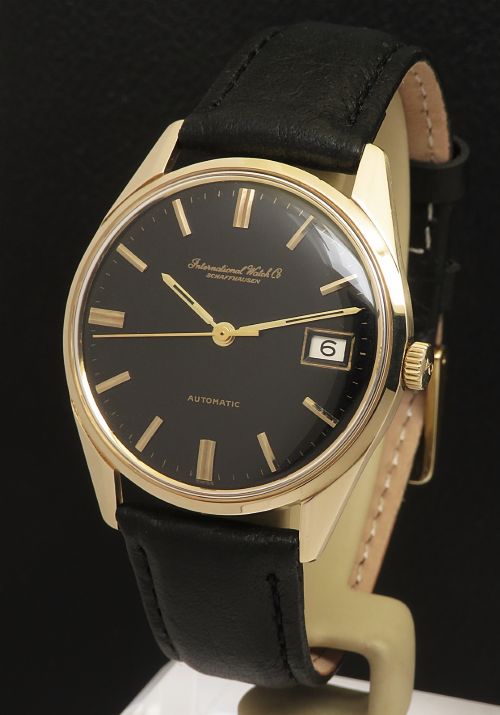
The phrase encompasses both simple manual wind models and automatic chronometers housed in precious metals or gold plate. Each piece reflects the prevailing style of its decade, from early twentieth-century pocket watches to sleek 1960s wristwatches.
Materials and construction
Cases utilise 9ct gold, 18ct gold, gold plate, rolled gold, stainless steel, and metal, paired with glass or acrylic crystals over the dials. Leather straps and metal bracelets secure the watches to the wrist, while pocket watches often include chains.
Internal mechanisms rely on manual wind movements, stem winding systems, bumper automatics, and automatic chronometer calibres. Dials incorporate enamel, mother-of-pearl, and black onyx details alongside metal hour markers.
Some vintage movements rely on a rhythmic bumping rotor that taps gently against the wearer's wrist as they walk.
Judging quality
Quality rests in the precision of the movement and the integrity of the materials, separating standard plated pieces from solid 18ct gold examples with chronometer-grade calibres. Finer specimens retain original dials, signed crowns, and well-preserved maker markings.
The execution of the dial finish, whether sunburst, textured, or set with diamonds, distinguishes simpler models from high-tier cocktail and dress pieces. Presence of original boxes, papers, and signed buckles elevates the standing of an individual watch.
Omega·Thomas Russell and Son·Lange and Sohne·Elgin·IWC·Smiths·Rolex·Avia·Marvin·Tissot·Cyma·Waltham·Consul·Lanco·Zenith·Felca·Garrard·Technos·Longines·Movado
The Gold Dial Dress Watch Glossary
- Chronometer
- A high-precision watch capable of carrying a certificate from an official testing institute. These movements maintain exceptional timekeeping under varied conditions.
- Automatic
- A self-winding mechanical movement that uses a weighted rotor to wind the mainspring through the natural motion of the wearer's arm.
- Calibre
- The specific manufacturer's designation for a particular watch movement model. Collectors use this number to identify the exact internal engineering.
- Full hunter
- A pocket watch featuring a protective metal spring-loaded cover that springs open via a crown-mounted pusher. It shields the glass crystal from scratches.
- Bumper automatic
- An early type of self-winding movement where the rotor swings back and forth against internal springs rather than rotating in a full circle.
Gold Dial Dress Watch: Frequently Asked Questions
How do I wind a manual dress watch?
Gently rotate the crown clockwise between your thumb and forefinger until you feel resistance. Stop immediately to avoid damaging the mainspring.
Wind the watch at roughly the same time each day to maintain consistent tension and accurate timekeeping.
Are these vintage watches waterproof?
Most vintage dress watches lack modern rubber gaskets and screw-down crowns. Exposure to moisture can easily damage the delicate paper dials and internal steel components.
Keep these timepieces away from water, rain, and humidity to preserve the movement and case interior.
How do I identify the production era?
Examine the movement serial number, case hallmarks, and overall stylistic cues such as dial typography and case geometry. Art Deco pieces feature geometric lines, while 1950s models lean towards minimalist markers.
Matching the design elements to the known production periods of the maker provides a reliable date range.
Can I wear a vintage watch daily?
Regular daily wear is suitable provided the watch has been recently serviced by a professional horologist. Care must be taken to avoid sharp impacts and magnetic fields.
Rotating your vintage pieces with modern alternatives helps reduce daily wear on the mechanical gears.