
Mens Automatic Wristwatch
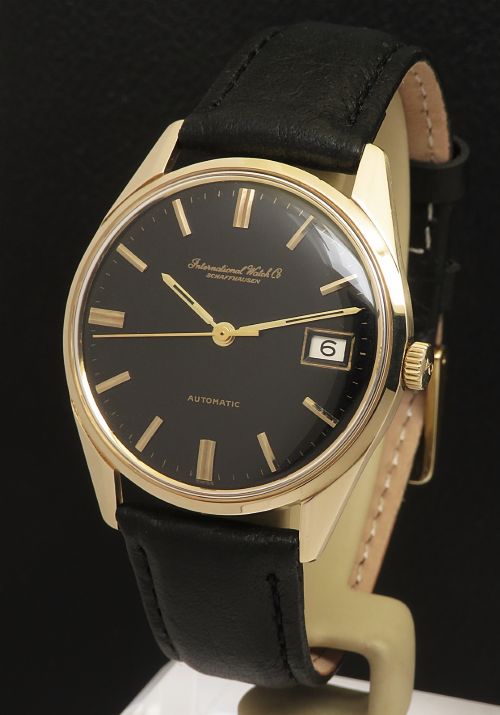
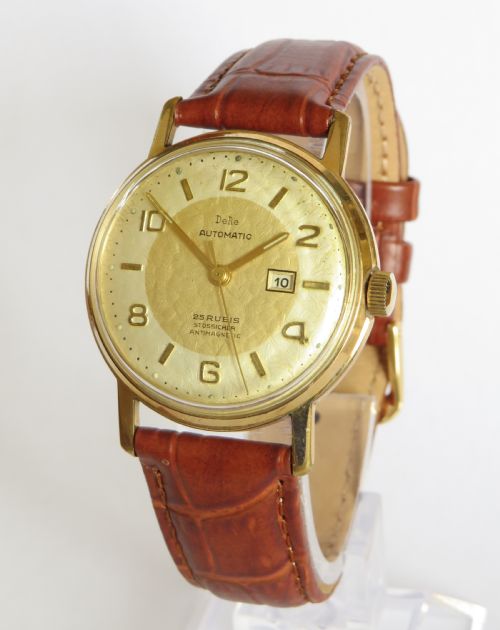
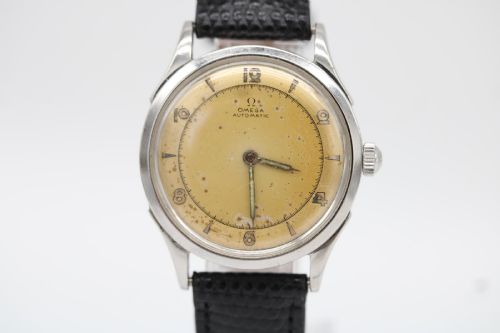
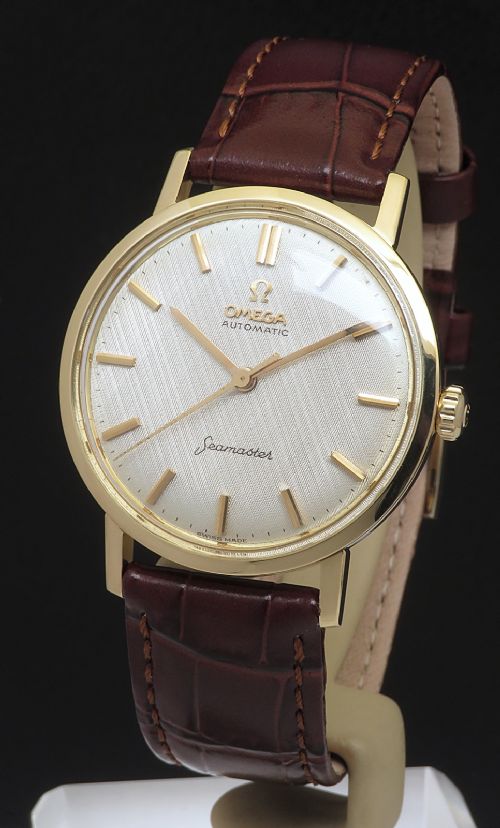
These mens automatic wristwatch pieces run on movement generated by the wearer, offering mid-century engineering on the wrist.
Mens Automatic Wristwatch
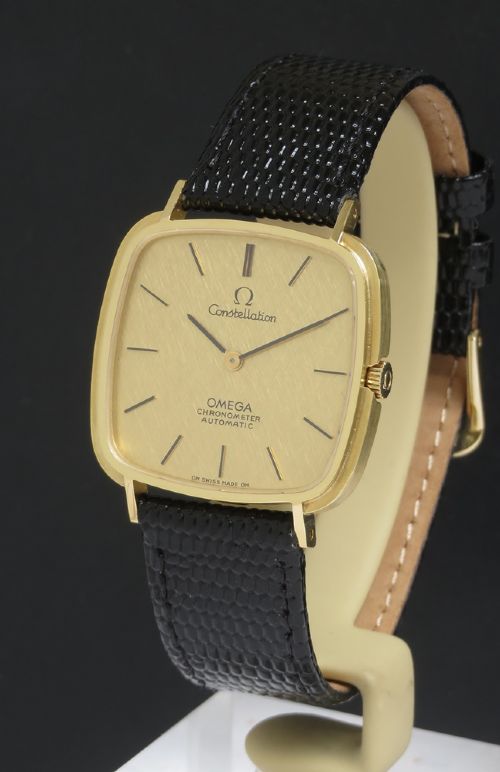
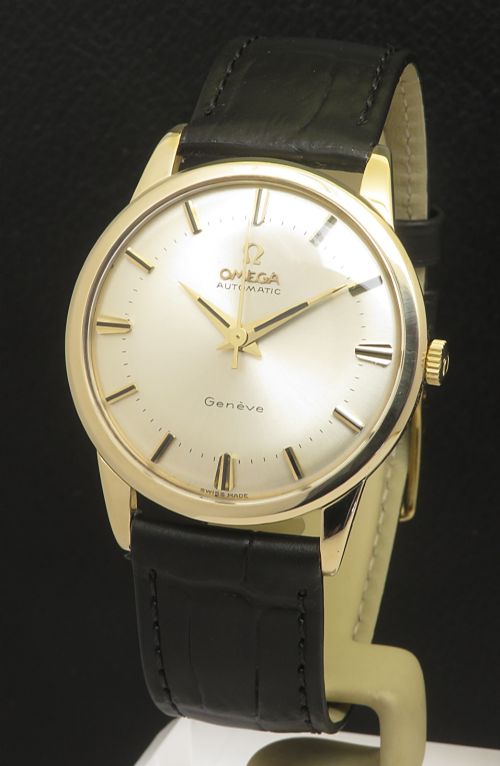
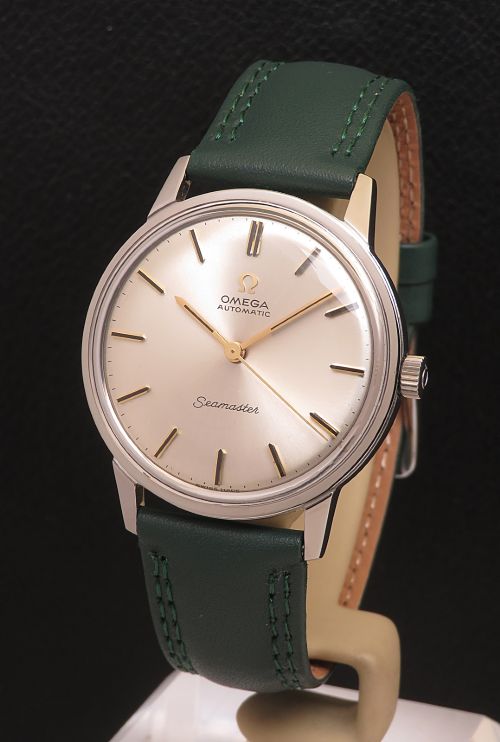
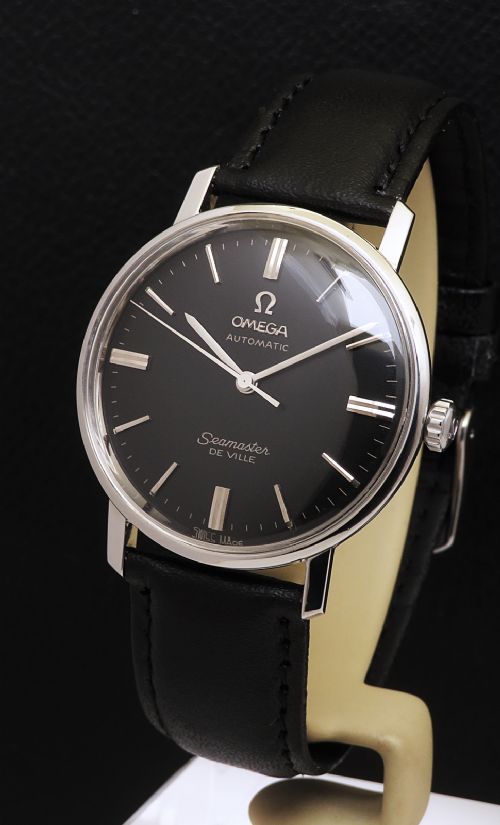
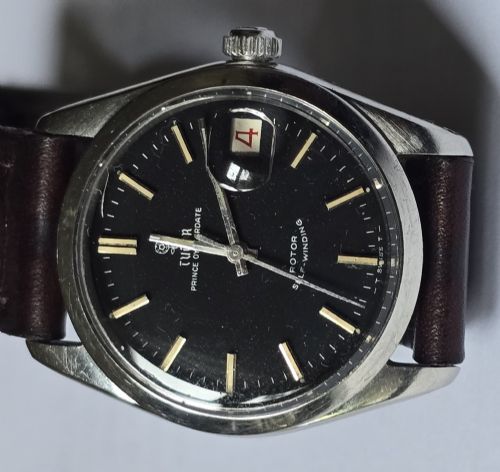
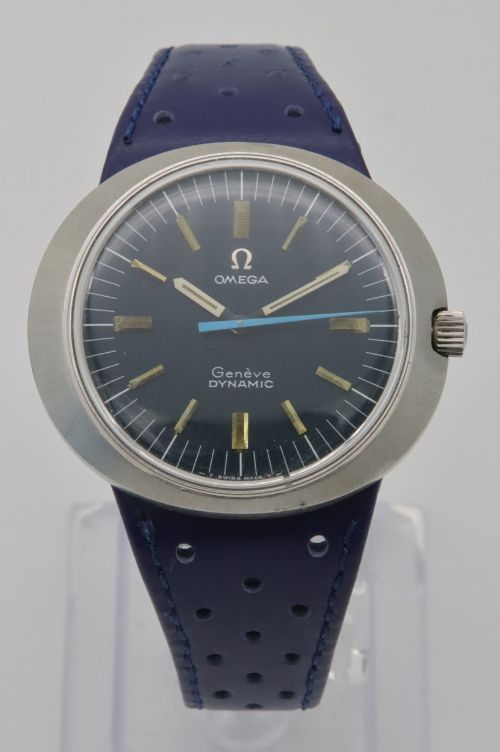
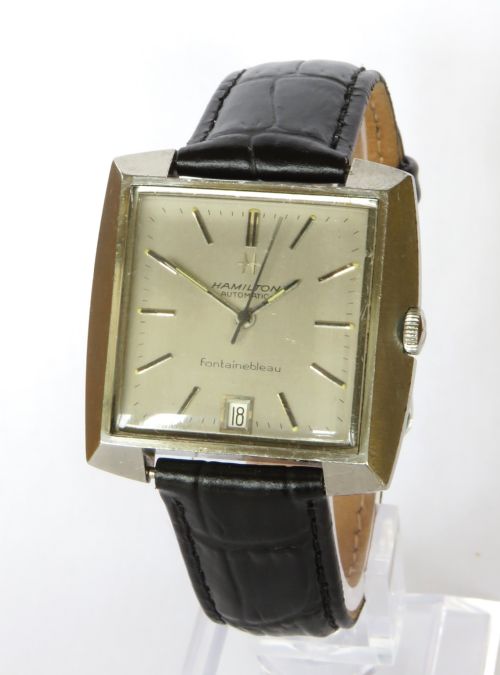
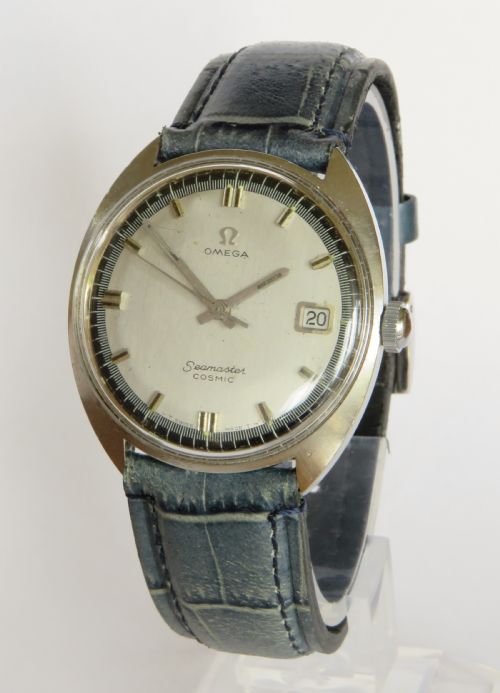
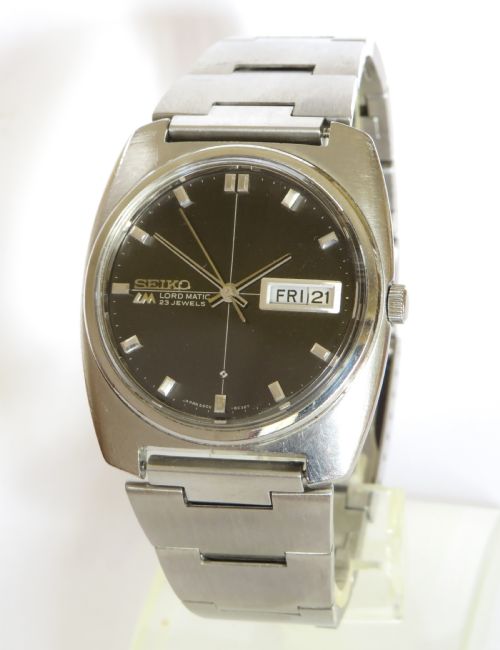
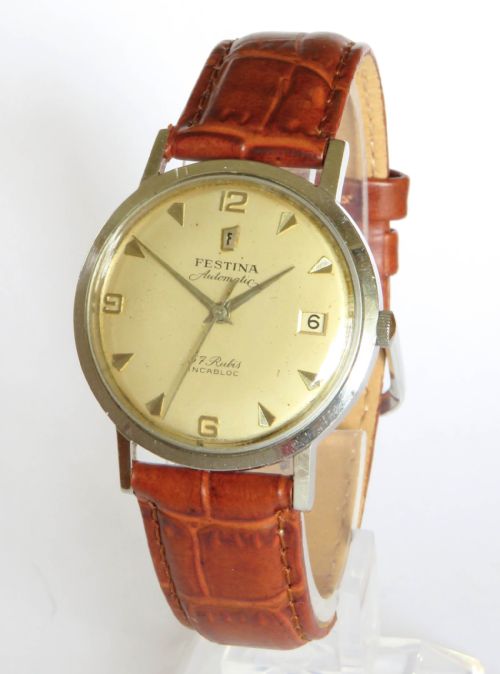
A mens automatic wristwatch relies on internal rotor mechanisms that wind the mainspring using the natural movement of the arm, removing the need for daily manual winding. The examples seen here draw from the mid-century period, specifically the nineteen-fifties and nineteen-sixties.
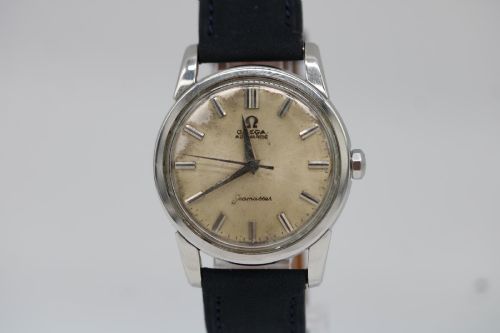
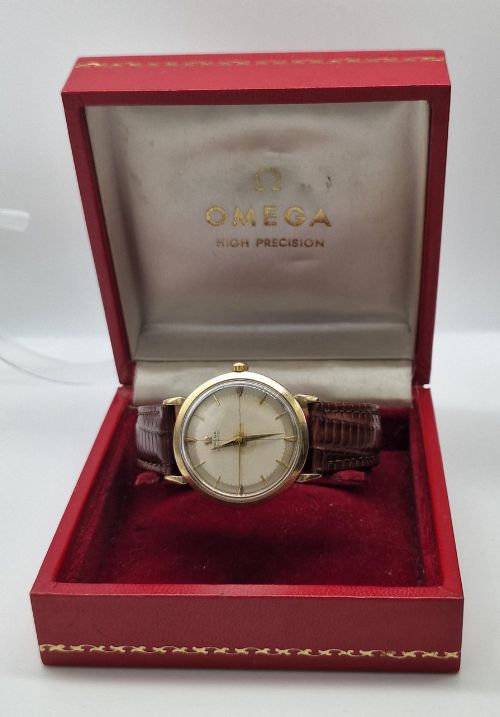
The most common versions met on this page originate from established Swiss houses such as Tissot and Omega. These pieces frequently pair steel or gold plate cases with traditional leather straps.
Materials and Construction
Cases utilise stainless steel and gold plate, housing mechanical movements beneath protective layers of acrylic glass. Dials and cases reflect the clean aesthetic typical of mid-century design.
Straps are predominantly constructed from leather, secured to metal case bodies that enclose the self-winding internal calibres.
Assessing Quality and Execution
Distinction across the range rests on the refinement of the movement inside, such as chronometer certification, alongside the preservation of the dial and case finish. Higher tiers often feature specialised calibres designed for precision timekeeping.
External wear on gold plate and acrylic glass alters the visual impact, separating carefully kept examples from those showing heavy daily use.
Tissot·Omega·Zenith
The Mens Automatic Wristwatch Glossary
- Automatic
- A self-winding mechanical watch movement that uses a weighted rotor to wind the mainspring automatically during wear. This removes the need for daily manual winding.
- Chronometer
- A high-precision watch movement that has passed rigorous accuracy tests conducted by an official testing institute. Such pieces represent the upper tier of mechanical performance.
- Calibre
- The specific internal movement design and model created by the watchmaker. Collectors reference this term to identify the exact mechanics housed inside the case.
- Acrylic Glass
- A lightweight, shatter-resistant plastic material used for watch crystals during the mid-century period. It can be polished to remove surface scratches.
Mens Automatic Wristwatch: Frequently Asked Questions
How do these automatic watches wind themselves?
An internal weighted rotor spins freely with the natural motion of the wearer's wrist throughout the day. This action tightens the mainspring to power the movement.
Because the mechanism relies on kinetic energy from daily wear, watches left off the wrist for extended periods will eventually stop and require manual setting.
What periods do these wristwatches come from?
The pieces recorded in these listings date from the mid-nineteen-fifties and nineteen-sixties. This era is defined by mid-century modern design principles applied to portable timekeeping.
Watch cases from this timeframe often feature clean dial layouts and polished steel or gold plate finishes.
Are these watches waterproof?
Mid-century wristwatches generally offer limited resistance to moisture compared to modern standards. Exposure to water can easily damage the vintage movement and dial.
It is best to keep these pieces away from swimming, showers, and heavy rain to preserve their internal components.
How should I store a vintage automatic watch?
Store the watch in a dry environment away from direct sunlight and extreme temperature fluctuations. Consistent conditions protect the internal oils and leather straps.
If not worn regularly, winding the piece periodically keeps the mechanical parts moving smoothly.