



Gold Ceramic Pitcher
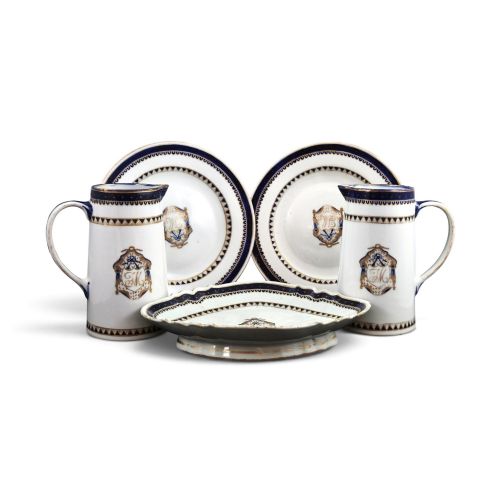
These gold ceramic pitcher pieces bring together fine porcelain, earthenware and gleaming gilding across centuries of design.
Gold Ceramic Pitcher
A gold ceramic pitcher search covers a diverse selection of ceramic vessels, ranging from cream jugs and decorative ewers to jugs and pitchers produced across various periods.
The pieces you encounter most often span the nineteenth and twentieth centuries, including works by makers like Royal Worcester alongside earlier Chinese export porcelain and Regency earthenware.
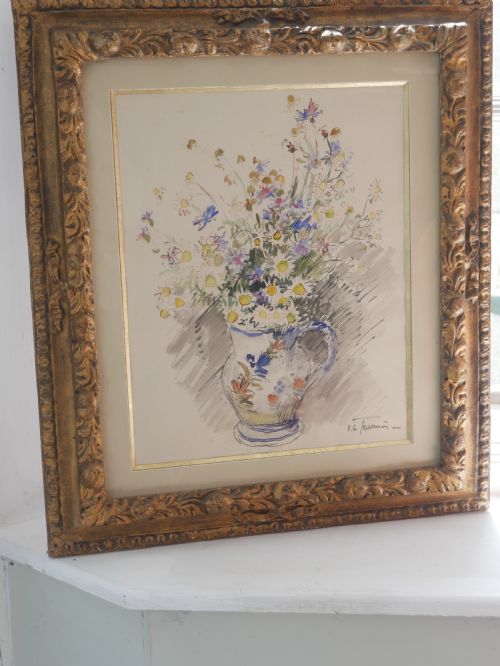
Forms vary from practical cream jugs and jug-and-bowl sets to highly decorative ewers featuring raised gold decor and hand-painted floral panels.
How they were made
Potters shaped these vessels using porcelain and earthenware bodies, which were then fired before receiving detailed hand-painted decoration or transfer printing.
Surface embellishment frequently incorporated gold leaf, gilding and gilt accents, sometimes applied in raised patterns to create tactile contrast with painted florals and landscapes.
Gold Ceramic Pitcher Retail Price Guide 2026
Typical asking prices for gold ceramic pitcher among the pieces listed under this phrase on Sellingantiques today, from the lower quarter to the upper quarter. They describe what is for sale here now, not the wider market.
Listings for this phrase span the eighteenth century to the mid-twentieth century, utilising porcelain, earthenware, and gold leaf.
What varies in quality
The standard of painting on the ceramic body dictates much of the distinction, separating simple utilitarian pieces from finely executed artistic studies.
The precision and preservation of the gilding also play a major role, alongside the complexity of the vessel's form, such as reticulated porcelain work or sculpted handles.
The Gold Ceramic Pitcher Glossary
- Ewer
- A large jug or pitcher with a wide spout and handle, traditionally used for holding water or wine but often made for purely decorative display in later periods.
- Gilding
- The application of gold leaf or gold powder to the surface of ceramics, enhancing the vessel with a metallic sheen.
- Reticulated
- Describes ceramic work featuring an openwork lattice pattern, requiring high skill during the shaping and firing stages.
- Porcelain
- A hard, fine-grained ceramic material fired at high temperatures, known for its translucency and smooth white finish.
Gold Ceramic Pitcher: Frequently Asked Questions
What is a gold ceramic pitcher used for?
Many of these vessels served practical roles on the dining table for serving cream, milk or water during formal meals.
Others were created primarily as ornamental ewers and jug-vases designed for display on sideboards and mantelpieces.
How do I care for gilt ceramics?
The delicate gilding and hand-painted surfaces require gentle handling to preserve the metallic finish and prevent rubbing over time.
Hand washing with mild soap and avoiding abrasive sponges will protect the painted panels and gold details from damage.
How do I date a ceramic ewer?
Makers marks stamped or painted on the underside of the ceramic body offer the most reliable clue to the manufacturing period.
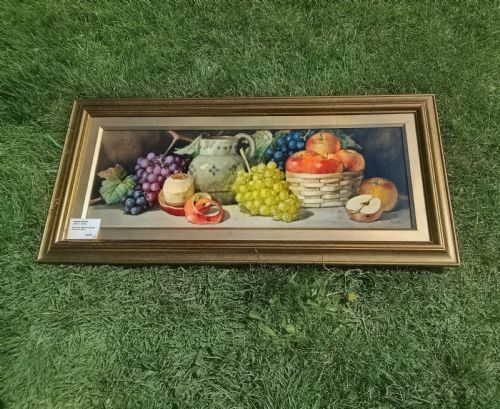
The style of the decoration, such as Victorian aesthetic motifs or mid-century fruit studies, also points to the era of production.
Are these pitchers made of porcelain or earthenware?
The materials vary between fine porcelain, which offers a translucent white body, and heavier earthenware used in larger jugs and basins.
Each material dictates the thickness of the walls and the type of glaze applied during manufacturing.