

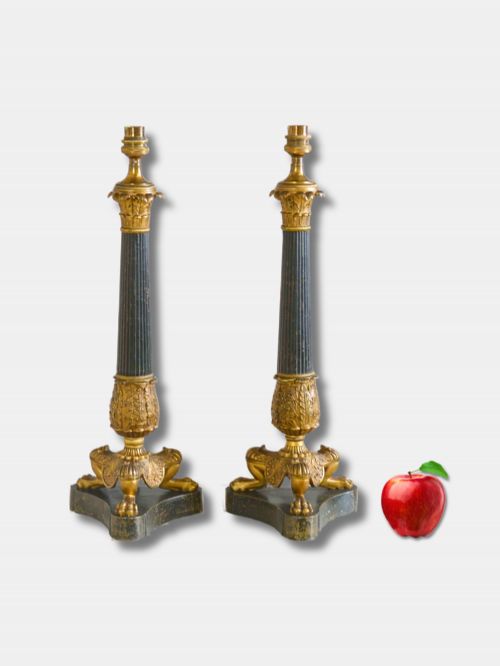


Gold Bronze Table Lamp
A gold bronze table lamp brings weight and warmth to a room, cast in periods from the nineteenth century to the early twentieth century.
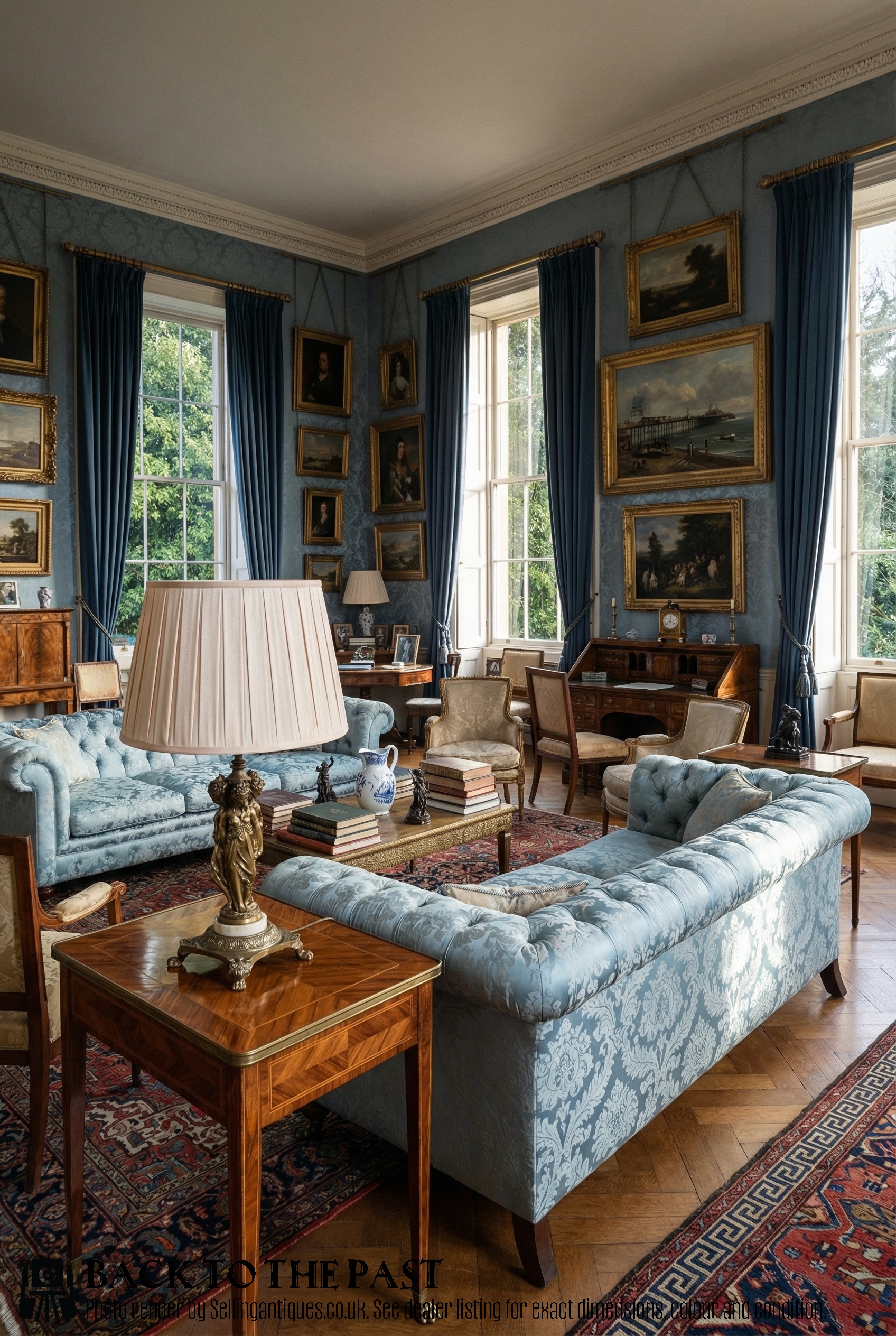
Gold Bronze Table Lamp
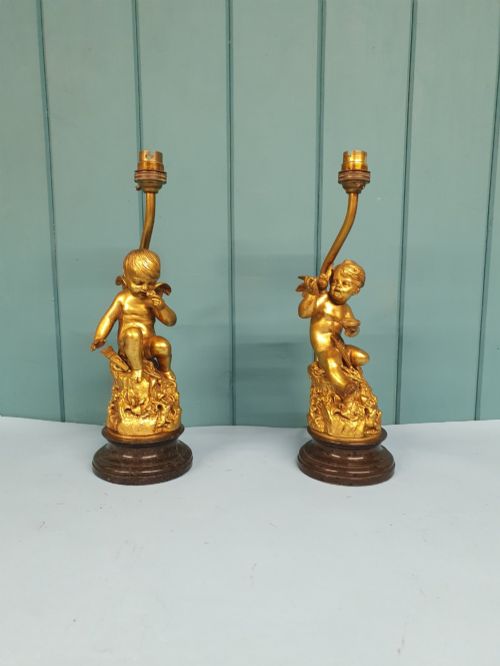
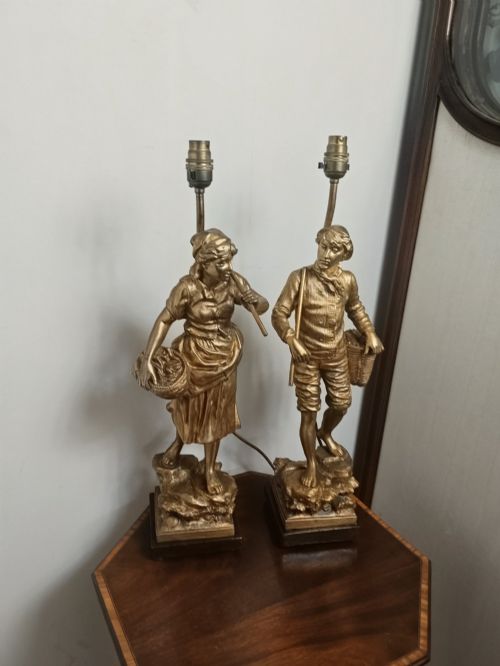
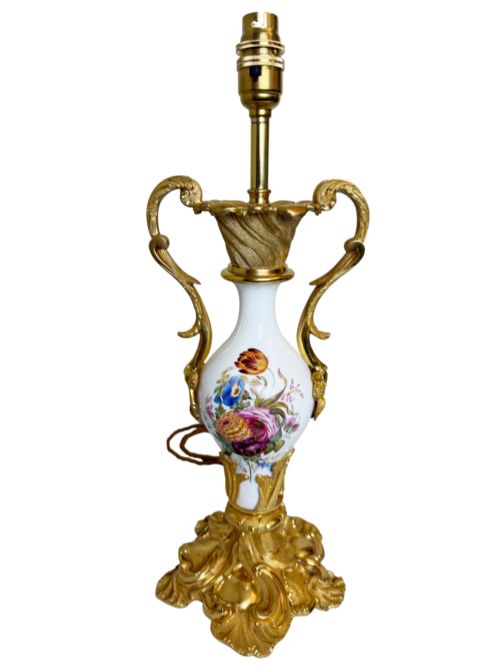
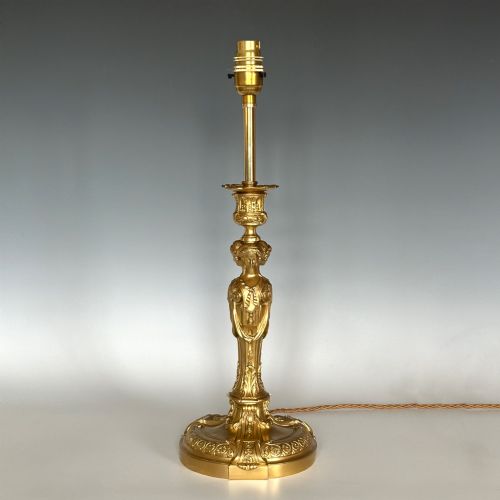
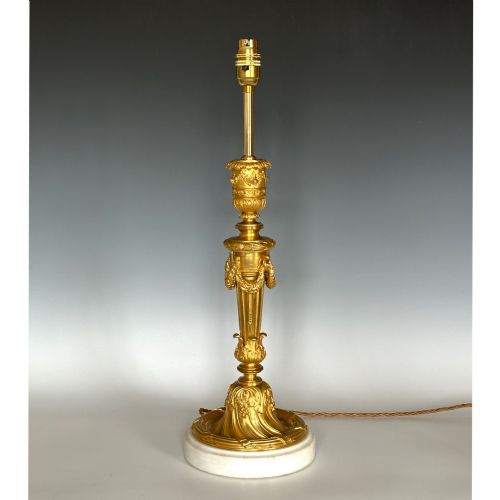
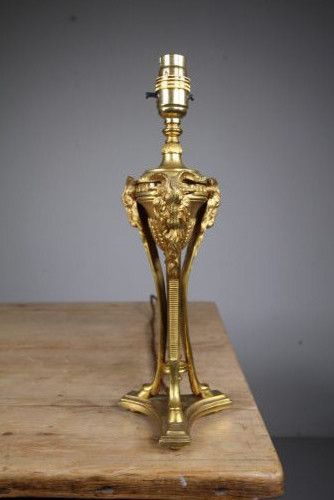
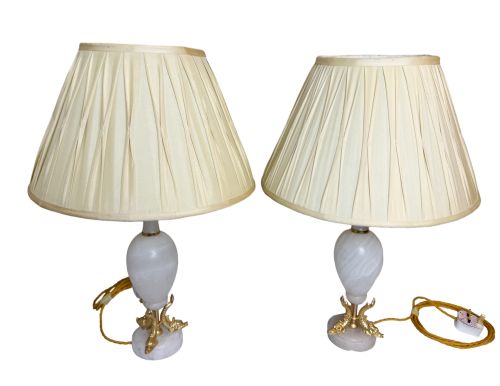
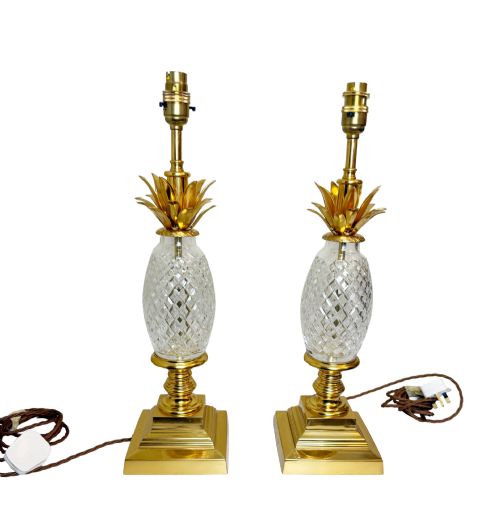
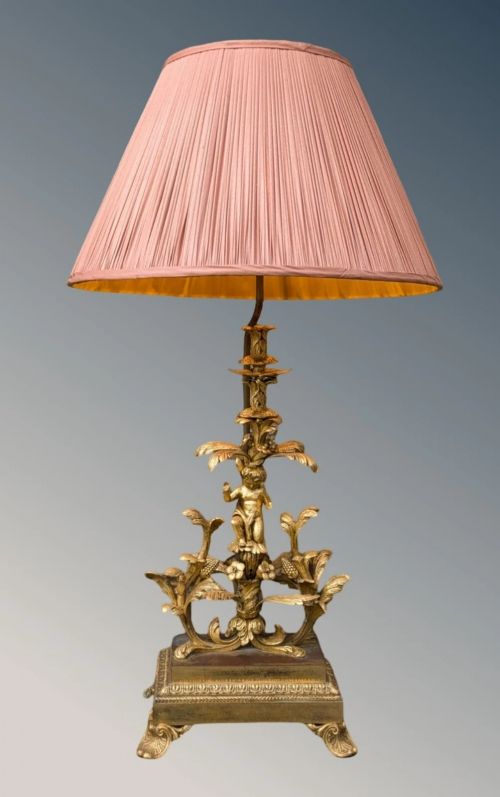
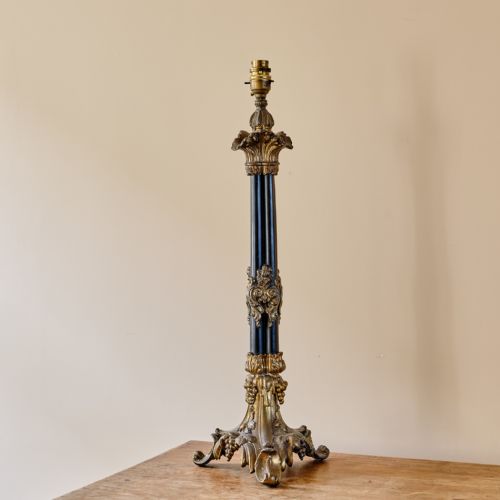
When searching for a gold bronze table lamp, buyers encounter pieces fashioned from gilt bronze, ormolu, and brass, spanning the nineteenth century into the 1930s. The selection includes French Rococo Revival and Neoclassical designs, alongside figural subjects like cherubs, rams heads, and twin ladies.
Most examples originate from French workshops and English makers, taking the form of table lamps, converted candelabra, and lamp bases. These pieces frequently incorporate materials such as marble, crystal, onyx, and porcelain alongside the metalwork.
Materials and construction
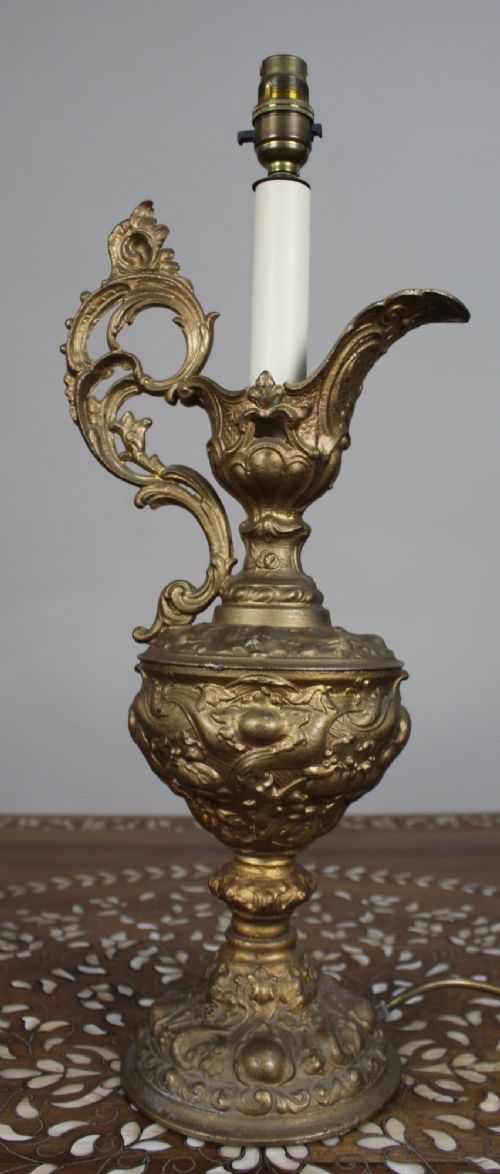
The construction relies on cast bronze and brass finished with mercury gilding or ormolu, creating a durable golden surface. Artisans combined these metals with carved marble, faceted crystal, and Paris porcelain to build structured columns, ewers, and figural mounts.
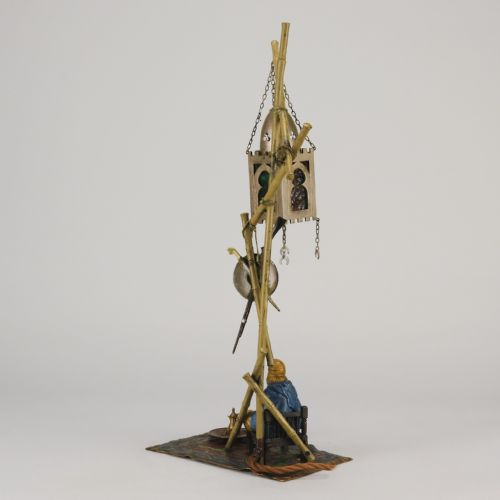
Many items started life as oil lamps, candlesticks, or candelabra before conversion to electricity in later periods. Cold-painting and intricate chasing bring fine detail to figural subjects like cherubs and classical figures.
Listings feature periods spanning from the early nineteenth century through the Art Deco era of the 1930s.
Assessing quality and execution
The choice of secondary materials marks the tier of the piece, with genuine onyx, heavy marble bases, and cut crystal elevating the standard above plain brass or lighter gilt metal.
E Rousseau·Franz Bergman·L & F Moreau
The Gold Bronze Table Lamp Glossary
- Ormolu
- Gilt bronze produced by applying a mercury and gold amalgam to a bronze base and firing it. This technique creates a durable, warm golden finish characteristic of French decorative arts.
- Gilt Bronze
- Bronze metal treated with a gold leaf or gilt surface layer. It provides the heavy foundation and metallic sheen seen across nineteenth-century lighting.
- Candelabra
- Branched lighting fixtures designed to hold multiple candles, frequently converted later into table lamps. They often feature matching pairs with detailed arms and drip pans.
- Rococo Revival
- A decorative style popular in the nineteenth century marked by asymmetrical scrolls, naturalistic floral motifs, and shell forms. It appears frequently in French table lamps from this era.
Gold Bronze Table Lamp: Frequently Asked Questions
How do I date a gold bronze table lamp?
Dating relies on stylistic clues, such as the heavy classical columns of the nineteenth century or the flowing lines of Art Nouveau designs from around 1900. Examining the casting technique and the wiring type also helps narrow the decade of production.
Makers often marked their works or utilised distinct regional foundry methods that align with periods like the Victorian era or the 1920s and 1930s.
Were these always electric lamps?
Many items began as oil lamps, candlesticks, or candelabra and were converted to electricity during the twentieth century. This conversion history is standard for nineteenth-century lighting fixtures.
Original mounts and columns frequently accommodate modern wiring without altering the antique metalwork or porcelain bodies.
How do I clean ormolu and gilt bronze?
Maintenance requires only gentle dusting with a soft, dry cloth to protect the delicate gilt surface. Avoid abrasive cleaners, metal polishes, or water, which can strip the thin layer of gold.
Preserving the original surface is essential for maintaining the historic character of ormolu and gilt bronze pieces.
What is the difference between ormolu and brass?
Ormolu consists of a cast bronze base treated with a gold amalgam finish, giving it a rich, deep golden tone. Brass is an alloy of copper and zinc that generally shows a brighter, yellower metallic colour without the same mercury gilding depth.
Items described as gilt metal or brass often represent a different tier of production compared to heavy French ormolu.