
Gold Bronze Table Clock
These gold bronze table clocks bring striking 19th-century metalwork and intricate dials into any room.
Gold Bronze Table Clock
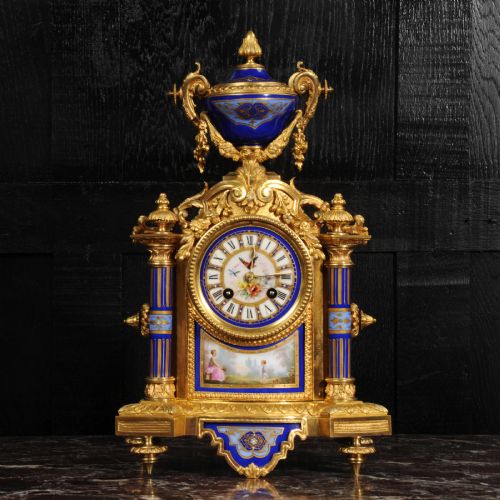
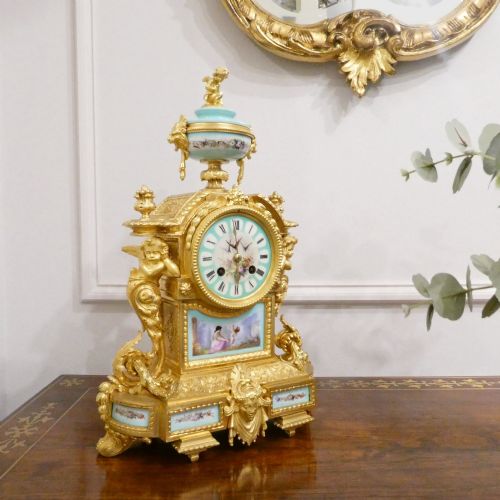
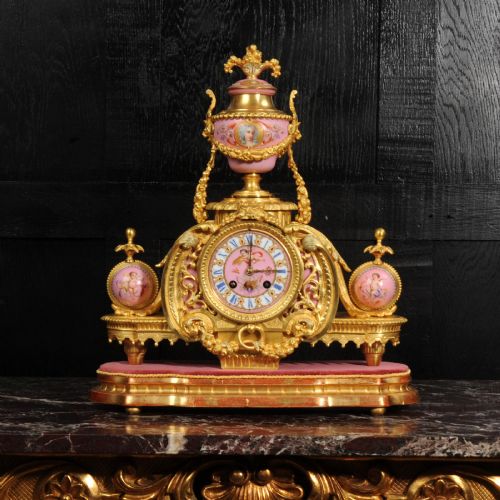
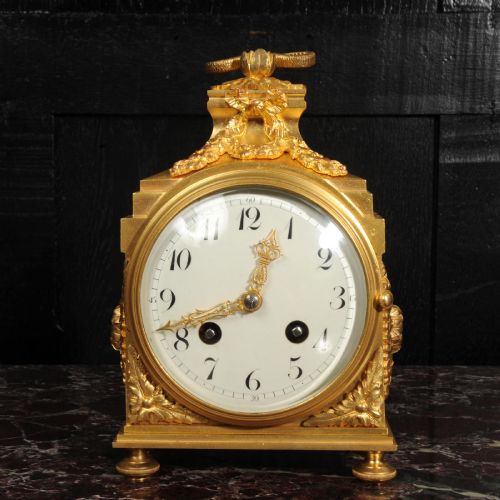
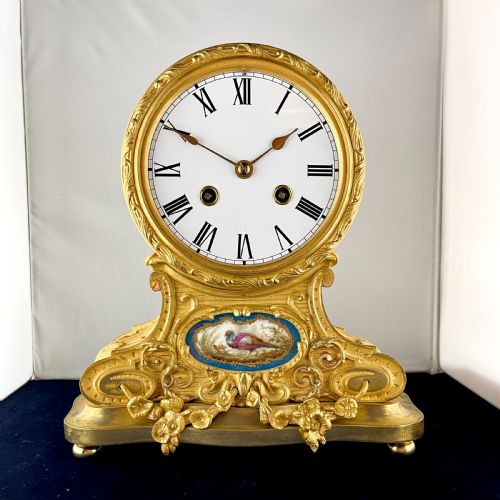
A gold bronze table clock serves as both a functional timekeeper and an ornate decorative centrepiece. When exploring this selection, buyers frequently encounter Victorian mantel clocks, carriage clocks, and imposing figural pieces originating mainly from French workshops.
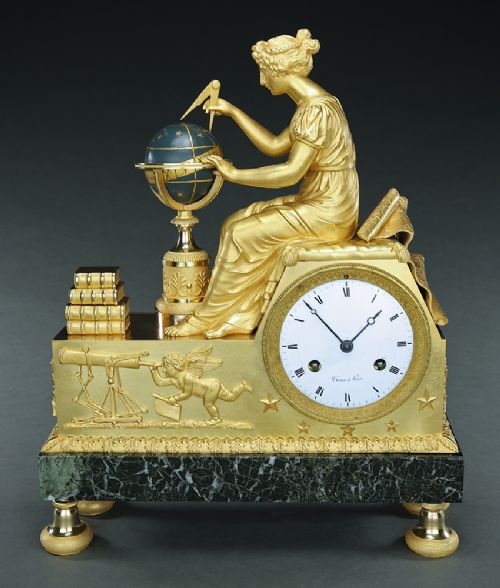
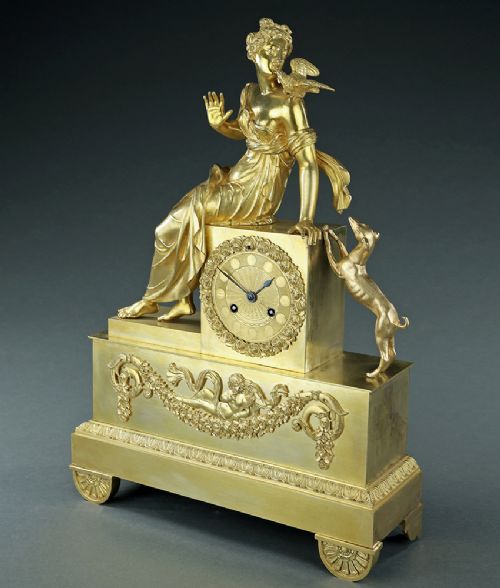
The objects span periods from the eighteenth to the early twentieth century, with nineteenth-century French production dominating the selection. Pieces appear in distinct aesthetic revivals including French Rococo, Louis XVI, and Empire styles, reflecting historical design movements.
Materials and Technique
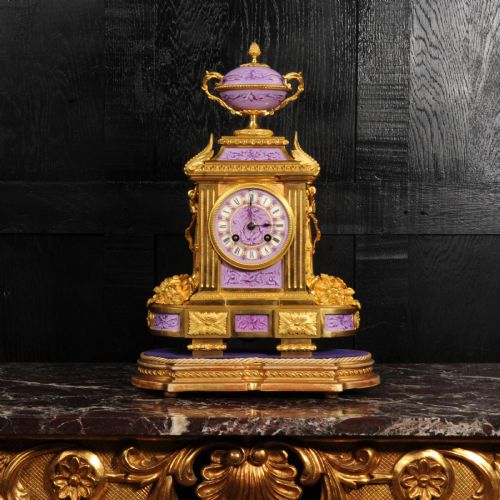
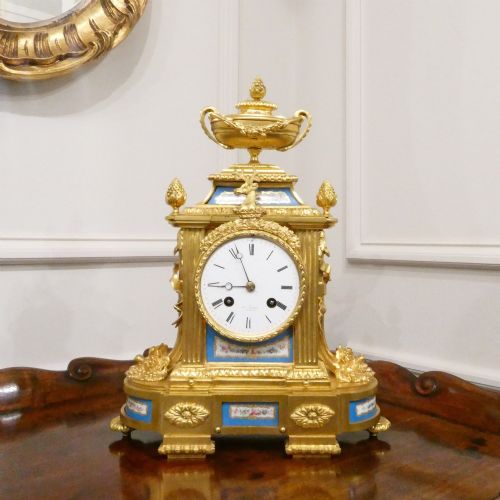
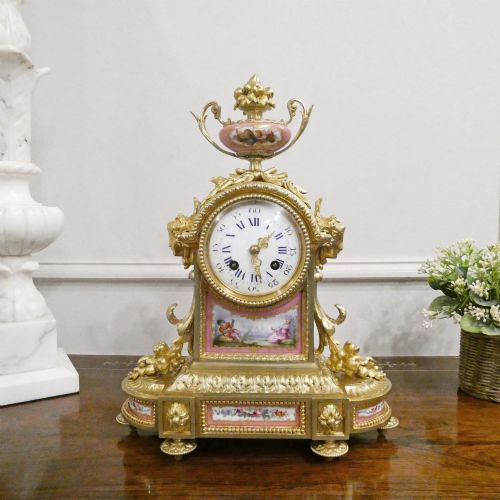
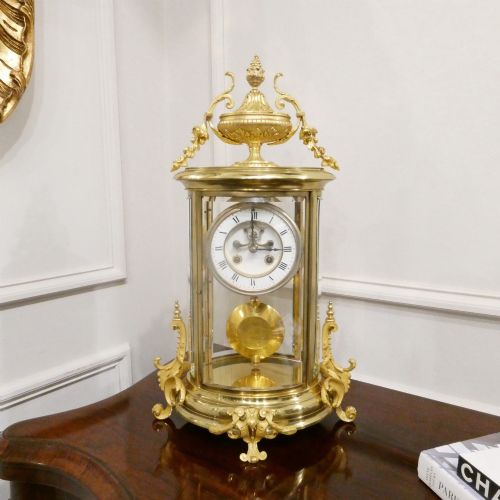
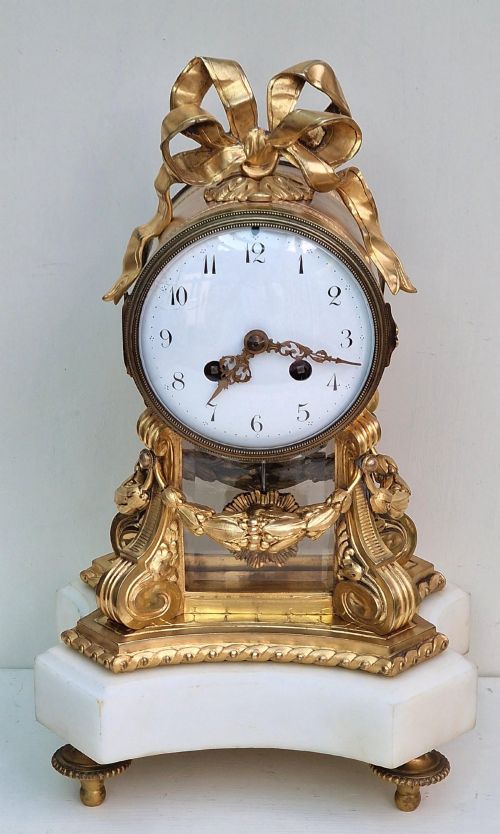
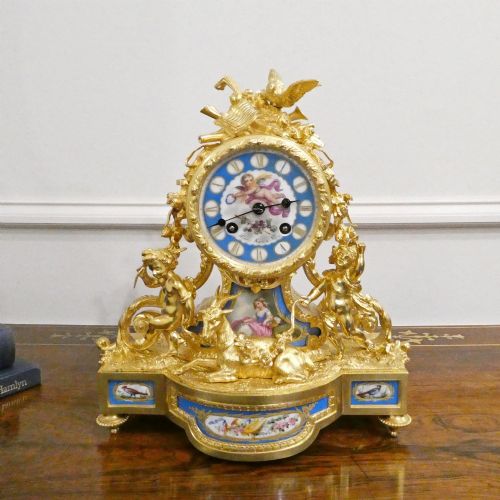
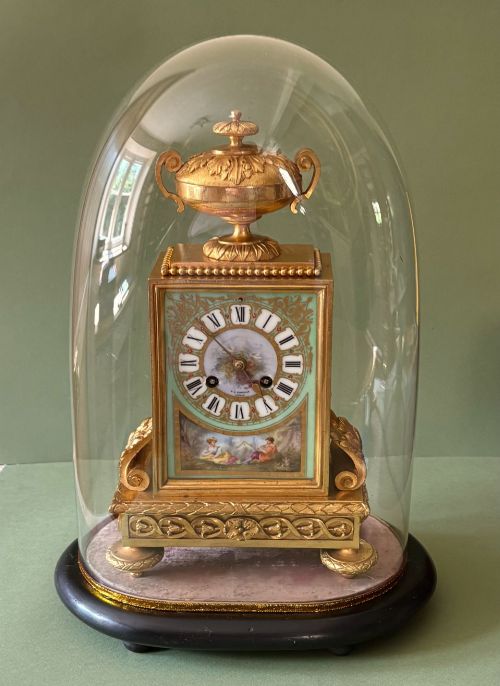
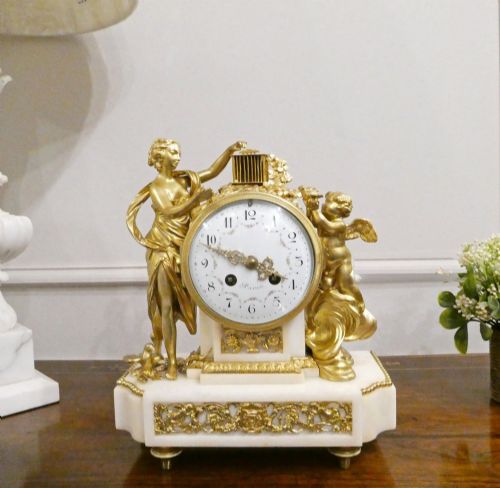
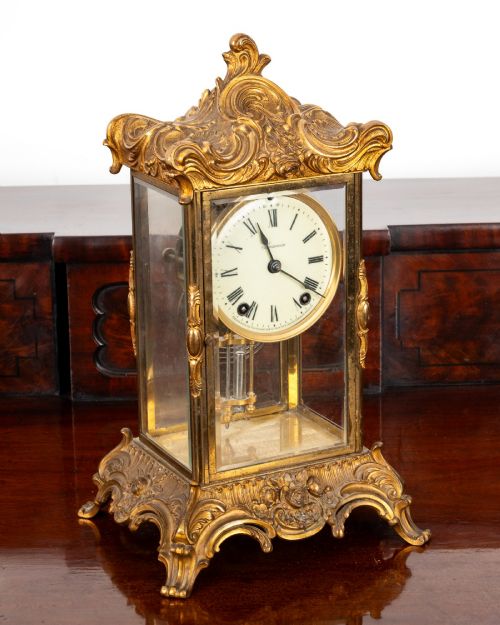
Maker workshops utilised gilt bronze and ormolu as primary metallic surfaces, often combining them with patinated bronze, brass, and white marble. These metal mounts are frequently paired with painted porcelain panels, including Sèvres inserts, and delicate glass components such as crystal regulator panels.
Gold Bronze Table Clock Retail Price Guide 2026
Typical asking prices for gold bronze table clock among the pieces listed under this phrase on Sellingantiques today, from the lower quarter to the upper quarter. They describe what is for sale here now, not the wider market.
Several clocks depict classical triumphs and mythical animals, including an unusual bronze elephant carrying a timepiece upon its back.
Craftsmanship and Proportion
The distinction between standard production and exceptional work lies in the depth of hand-chasing on the bronze and the integration of secondary materials like porcelain and marble. Superior examples display crisp, high-relief casting where ornamental motifs remain sharp rather than smoothed by excessive wear or repetitive moulding.
Mechanical pedigree also dictates standing, as clocks signed by noted makers or housing sophisticated strike and repeat movements demonstrate superior horological ambition. The harmony between the sculptural bronze figures, the architectural case, and the dial layout governs the overall visual balance.
Achille Brocot·Henry Marc·Japy Freres·Samuel Marti·Henry Dasson·Etienne Lenoir·Delettrez·Viner London
The Gold Bronze Table Clock Glossary
- Ormolu
- Finely ground metallic gold applied to a base object of bronze through a mercury amalgamation process. This historic technique produces a rich, warm lustre distinct from modern electroplating.
- Champlevé
- An enamelling technique where troughs or cells are hollowed out of a metal surface and filled with vitreous enamel paste before firing. The resulting colourful patterns accent the bronze frames.
- Crystal Regulator
- A clock design featuring glass panels on all four sides, allowing an unobstructed view of the pendulum and internal gear train. These pieces became popular during the later nineteenth century.
- Pendule d'Officier
- A portable French military-style desk or travel clock typically fitted with a striking movement and a carrying handle. They often combine robust brass frames with refined gilt bronze mounts.
- Drumhead Clock
- A timepiece characterised by a circular clock case mounted atop a distinct plinth or architectural base. The round housing resembles the shape of a side drum.
Gold Bronze Table Clock: Frequently Asked Questions
How do I wind a vintage mechanical clock?
Most antique mechanical clocks utilise a key inserted into specific holes on the dial face to tension the springs or lift the weights. Care must be taken not to overwind the mechanism.
Consult the specific movement type before adjusting the hands, as turning them backwards on striking models can damage the internal gearing.
Where should I place a heavy bronze clock?
Heavy mantel clocks require a sturdy, level surface such as a wooden sideboard or a secure mantelpiece to support their substantial metal and marble weight. Ensuring the base sits flat prevents the pendulum from catching.
Avoid positioning these timepieces near direct heat sources or in damp environments that might tarnish the gilt bronze or crack the enamel dials.
How can I identify a Louis XVI style clock?
Louis XVI style pieces typically feature neoclassical geometric symmetry, straight fluted columns, urn motifs, and ribbons rather than the asymmetrical curves of earlier Rococo designs. The bronze mounts often display restrained architectural proportions.
Examining the cast bronze details and the dial signature usually helps confirm the design period and manufacturing origin.
Why does a carriage clock have a platform escapement?
A platform escapement allows a portable clock to keep accurate time while being moved or transported, eliminating the need for a stationary hanging pendulum. This compact mechanism sits visibly on top of the movement.
Such engineering made carriage clocks reliable travel companions for nineteenth-century travellers.