

Gold Bronze Figure
A gold bronze figure brings a rich metallic warmth to a room, offering finely cast detail that catches the light from every angle.
What a gold bronze figure is
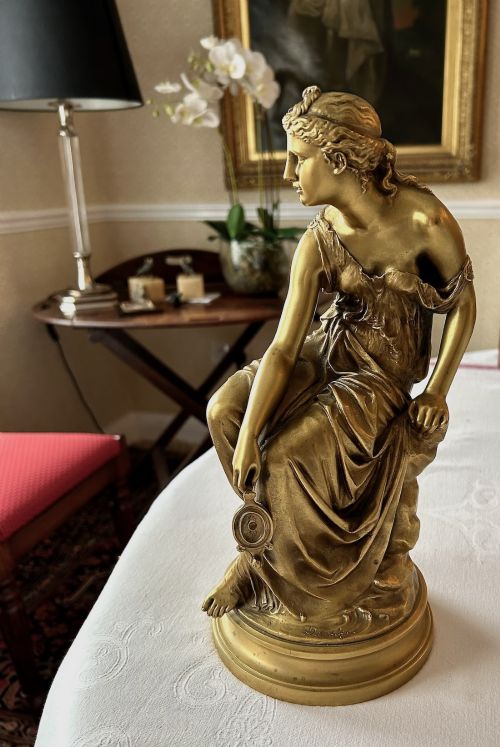
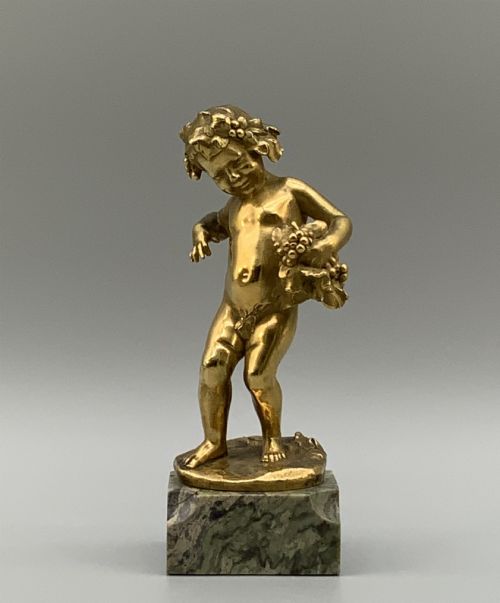
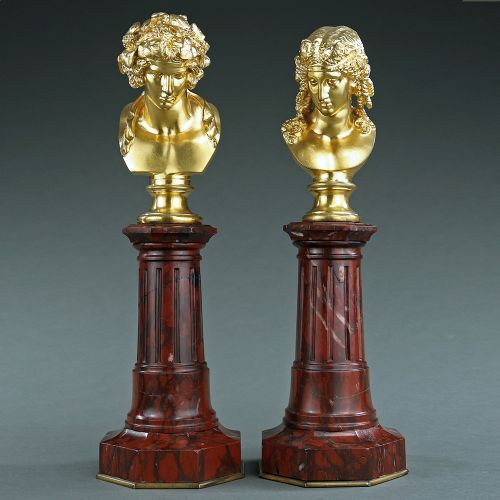
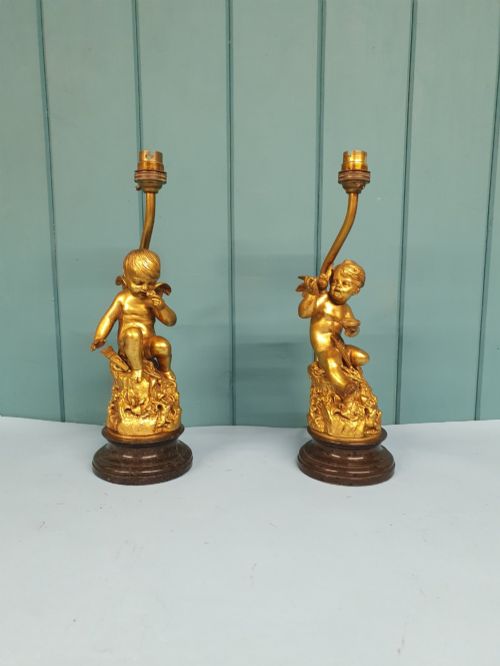
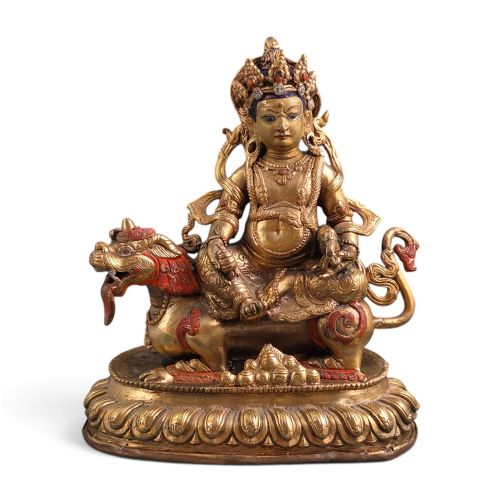
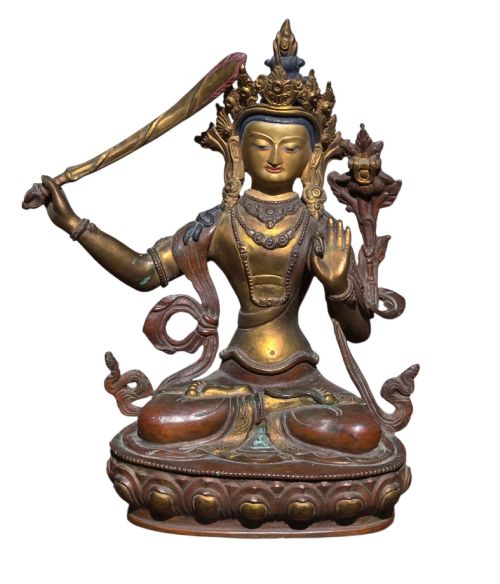
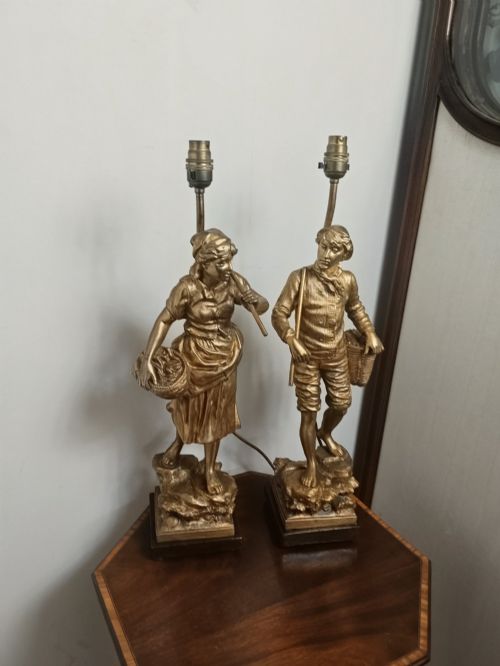
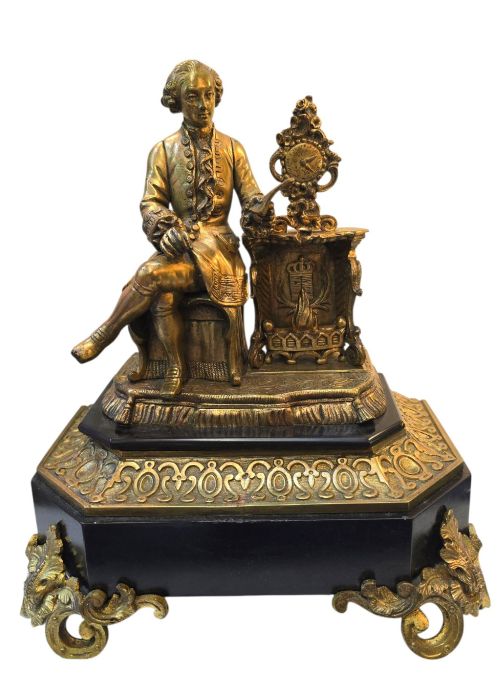
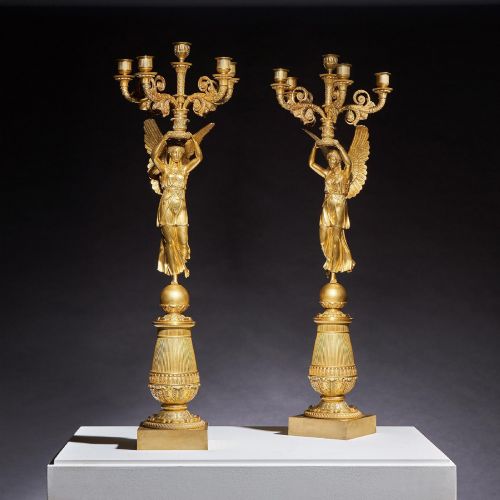
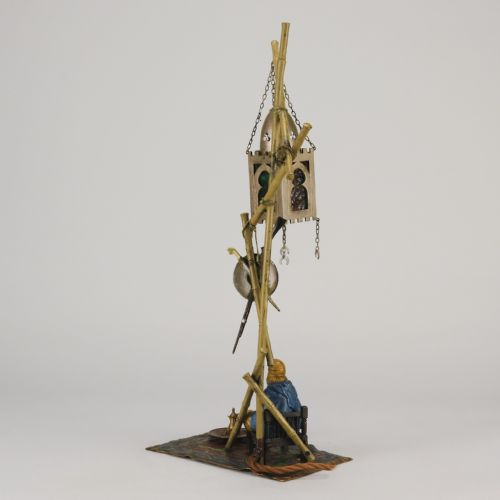
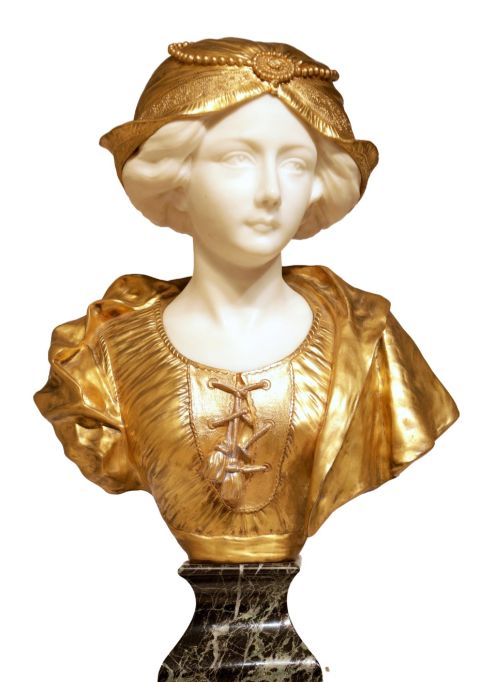
A gold bronze figure is a sculptural work cast in metal and finished with a gilded, bronzed or polished surface. When you search for gold bronze figure, you encounter pieces ranging from nineteenth century classical busts and mythological subjects to dynamic twentieth century dancers and musicians.
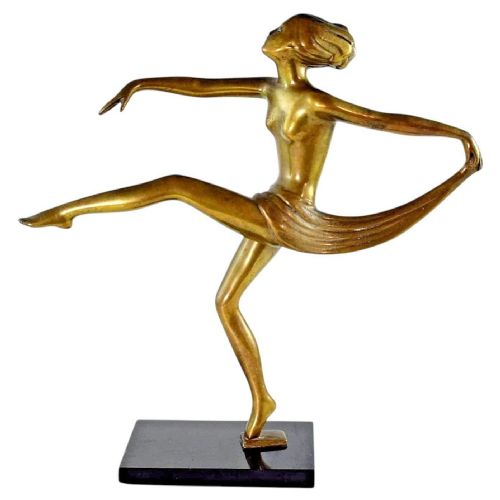
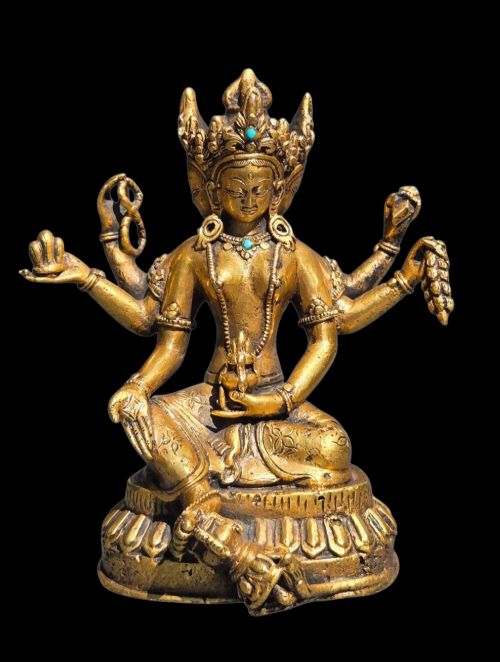
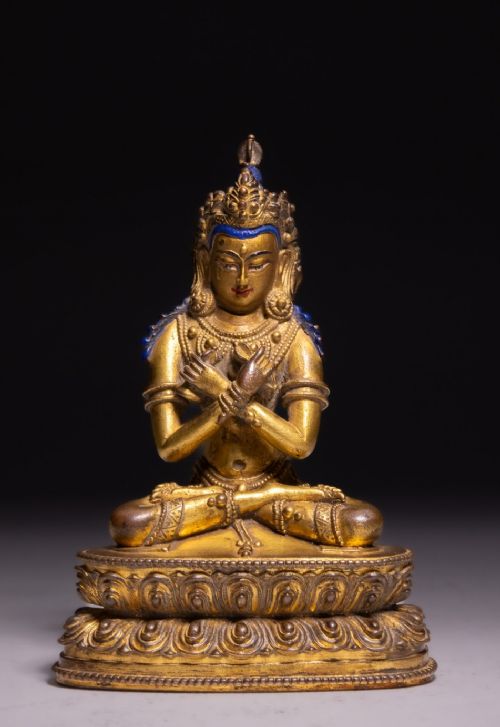
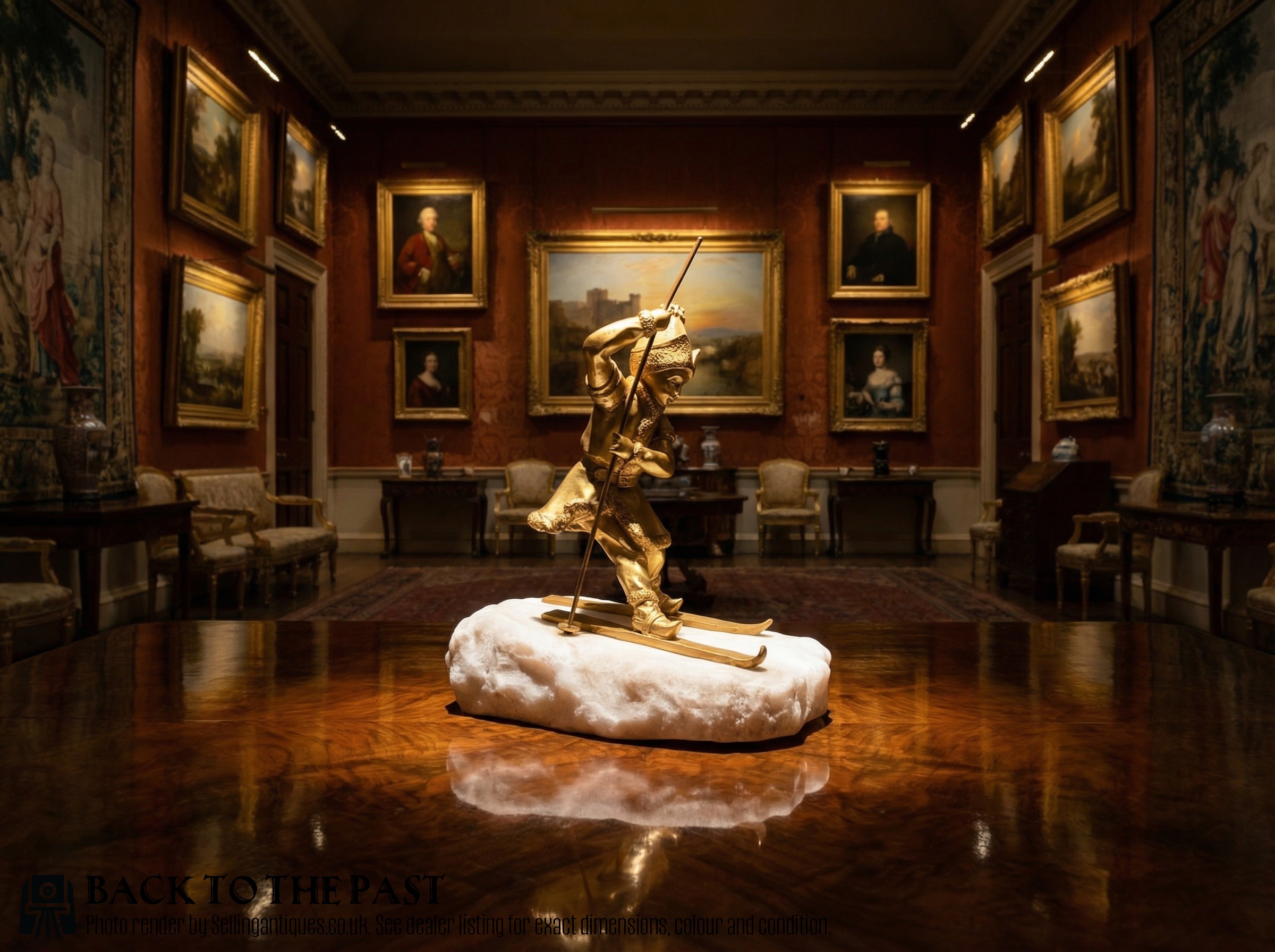
The selection includes European foundry work alongside Eastern examples such as a bronze figure of Garuda and early Thai polished solid bronze. European items often take the form of dancers, skiers and character studies associated with Art Deco and Art Nouveau movements.
Makers represented in the evidence include Affortunato Gory, Ferdinand Preiss, Demetre Chiparus, Josef Lorenzl and Charlotte Monginot. These works frequently incorporate contrasting natural materials for their bases, grounding the metallic sculpture with stone.
How they were made
Makers utilised traditional metal casting techniques to shape bronze, applying subsequent gilding or pigment to create a two-tone metallic effect. The metal surface receives careful chasing and finishing to define facial expressions, drapery and hair.
Sculptures are mounted upon heavy architectural supports fashioned from marble, onyx and alabaster. These stone plinths provide stability and introduce contrasting textures and colours to the composition.
Retail Price Guide 2026
Typical UK retail prices for gold bronze figure, calculated from the Sellingantiques database of over a million retail prices indexed since 2003. This retail price guide relies exclusively on Sellingantiques data; no external sources or auction records are used, so the figures do not describe the wider market.
Listings span periods from the early nineteenth century through the Edwardian era and into the nineteen-thirties, featuring marble, alabaster and onyx.
What varies in quality
Quality rests in the crispness of the metal chasing and the fidelity of the surface finish. Superior casts retain sharp anatomical articulation and delicate texturing on garments, whereas lesser examples show softness in the details.
The integration between the metallic figure and the stone base distinguishes finer items. Tighter mechanical fitting and superior selection of marble or onyx elevate the overall presence of the sculpture.
Affortunato Gory·Ferdinand Preiss·Demetre Chiparus·Josef Lorenzl·Charlotte Monginot
The Gold Bronze Figure Glossary
- Gilt bronze
- Metal that has been coated with a thin layer of gold or gold-coloured wash. This treatment imparts a warm luminosity to the cast surface.
- Chasing
- The manual refinement of a metal casting using punches and hammers. This process sharpens surface details left dull by the mould.
- Patina
- The surface coloration developed naturally over time or applied chemically by the maker. It adds depth and accentuates the contours of the sculpture.
- Base
- The lower structural support upon which the figure stands. These are frequently carved from decorative stones like marble or onyx.
- Foundry
- A workshop where metal is melted and poured into moulds to create sculptures. Marks stamped on the bronze often indicate the specific casting house.
Frequently Asked Questions
How do I clean a bronze figure?
Dust the sculpture gently with a soft, dry brush to prevent accumulation in recessed areas. Avoid water, abrasive cloths or chemical cleaners that might strip the delicate gilding or original surface finish.
For stubborn dust, a slightly compressed air canister held at a distance can clear crevices safely. Regular light maintenance preserves the historic patina and metallic sheen.
Where should I display these sculptures?
Place figures on stable surfaces away from direct sunlight and excessive humidity to protect both the metal and the stone bases. Consistently high temperatures can affect organic components or painted pigments over time.
A spot with controlled ambient lighting allows the metallic finish and contrasting marble or onyx plinths to catch the eye effectively.
How do I identify Art Deco pieces?
Art Deco pieces typically feature stylised human forms, dynamic movement and sleek geometric lines. Subjects like dancers and athletes reflect the modernist aesthetic of the interwar period.
Signatures from known sculptors of the era and materials like gilded bronze paired with onyx further confirm the stylistic attribution.