




Gold Bronze Dancer Statue
A gold bronze dancer statue captures the kinetic energy of the early twentieth century through refined metalwork.
Gold Bronze Dancer Statue
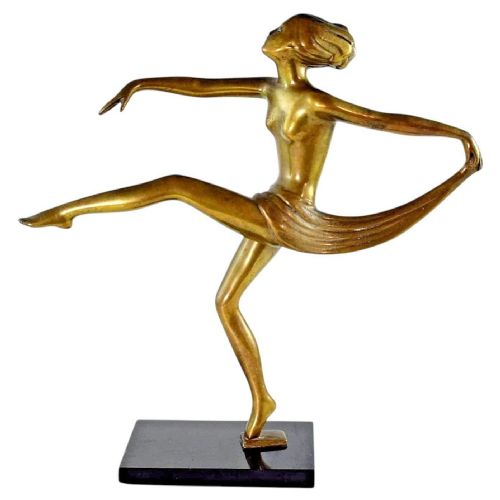
A gold bronze dancer statue typically takes the form of a female figure captured mid-movement during the Art Deco and Art Nouveau periods, frequently resting on heavy stone plinths. These sculptures range from signed works by celebrated European sculptors to unsigned decorative table lighters and cabinet figures.
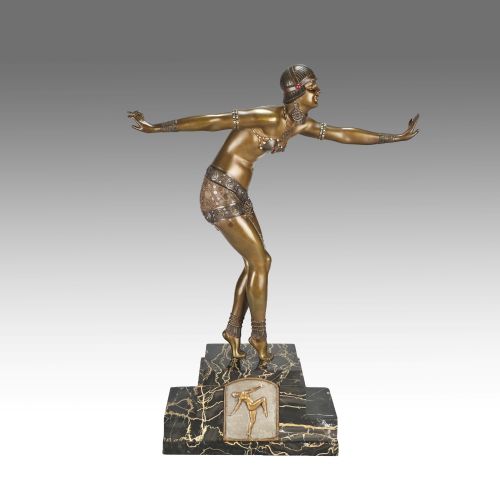
The versions most commonly met on this page date from the nineteen-twenties and nineteen-thirties, reflecting the streamlined aesthetics and theatrical influences of those decades. They celebrate movement, whether through the outstretched arms of an Egyptian dancer or the concentrated posture of a female figurative study.
Makers produced these pieces using durable metals paired with contrasting bases of onyx, marble, or alabaster to anchor the dynamic silhouettes. Collectors find figures ranging from cold-painted bronze studies to cast spelter alternatives produced for everyday domestic utility.
Materials and construction methods
Sculptors mounted their metal figures onto dense natural supports, pairing bronze and gilt bronze with shaped bases of marble, onyx, or alabaster. Chryselephantine examples combined metal with carved ivory elements to render the hands and faces with greater realism.
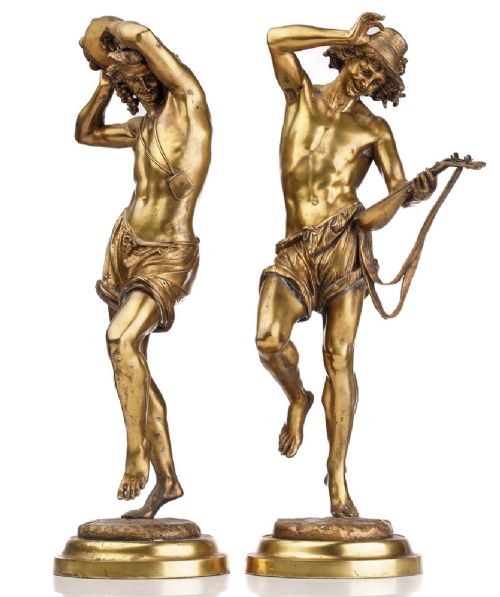
Listings featuring this phrase span four distinct decades, moving from nineteenth-century Neapolitan subjects through Art Nouveau maidens to nineteen-thirties Art Deco dancers.
Distinctions in execution and finish
The crispness of the chasing and the subtlety of the cold-painted or gilt surface separate superior works from standard commercial output. Fine foundry work preserves the delicate musculature and fabric folds intended by the original designer.
The choice of base material and the integrity of the marriage between figure and plinth indicate the original tier of production. Dense carved marble and onyx provide stability and weight lacking in simpler cast alternatives.
Josef Lorenzl·Demetre Chiparus·Paul Philippe·Claire Colinet·Charlotte Monginot·Albert Ernest Carrier-Belleuse
The Gold Bronze Dancer Statue Glossary
- Gilt bronze
- Metal coated with a thin layer of gold to produce a rich reflective surface. This finish protects the underlying alloy while catching ambient light.
- Spelter
- A zinc alloy commonly utilised as an economical alternative to bronze during the early twentieth century. It accepts metallic paints well for decorative figures.
- Chryselephantine
- A term describing sculptures combining metal and ivory components. It appears frequently in luxury figures from the nineteen-twenties.
- Cold-painted
- A technique where paint is applied to metal without high-temperature firing. This allows for intricate polychrome clothing on small figures.
- Onyx
- A banded variety of chalcedony frequently carved into heavy decorative bases. It provides a stable contrasting plinth for slender bronze dancers.
Gold Bronze Dancer Statue: Frequently Asked Questions
How do I date a dancer statue?
Look to the stylistic markers of the figure, such as the geometric drapery typical of nineteen-thirty designs or the flowing organic lines of nineteen-ten pieces. Materials like cast spelter and carved onyx also point directly to the interwar decades.
Examine the signature and foundry marks where present, as well as the construction of the base. Earlier nineteenth-century works employ different patination techniques compared to the bright gilding of the Art Deco era.
What is the difference between bronze and spelter?
Bronze is a durable copper alloy that accepts fine chisel work and holds sharp casting details over centuries. Spelter is a softer zinc-based metal that feels lighter and appears more frequently in utilitarian objects like table lighters.
Bronze sculptures generally command higher regard among collectors due to the quality of the foundry work. Spelter figures provide an accessible alternative with similar decorative presence.
How should I clean a gilt bronze figure?
Dust the surface gently with a soft dry brush to remove accumulated particles without disturbing the delicate gilt or cold-painted layer. Avoid using water, abrasives, or chemical polishes which strip away historic patination.
Maintain a stable indoor environment away from direct sunlight and excessive moisture to protect both the metal surface and the stone base. Gentle care preserves the original finish.
Why are some figures mounted on marble bases?
Marble and onyx bases provide the necessary weight to anchor top-heavy dancer sculptures with outstretched limbs or dynamic poses. These dense stones prevent the figures from tipping over during display.
The contrasting textures of polished stone and patinated metal also enhance the visual presentation of the sculpture. Different stone colours complement the gilt or cold-painted surfaces.