


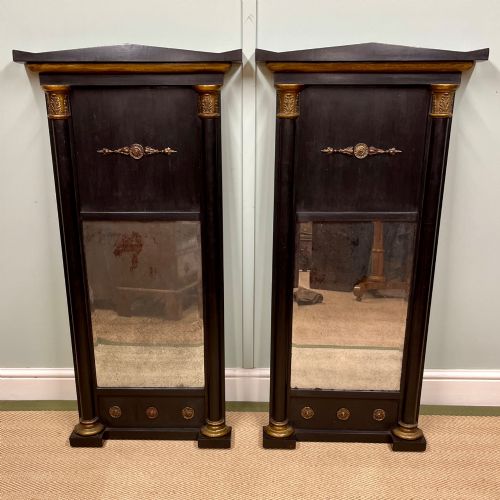


Gold Architectural Mirror
A gold architectural mirror brings scale and reflected light into a room, drawing the eye with disciplined classical lines and gilded surfaces.
Gold Architectural Mirror
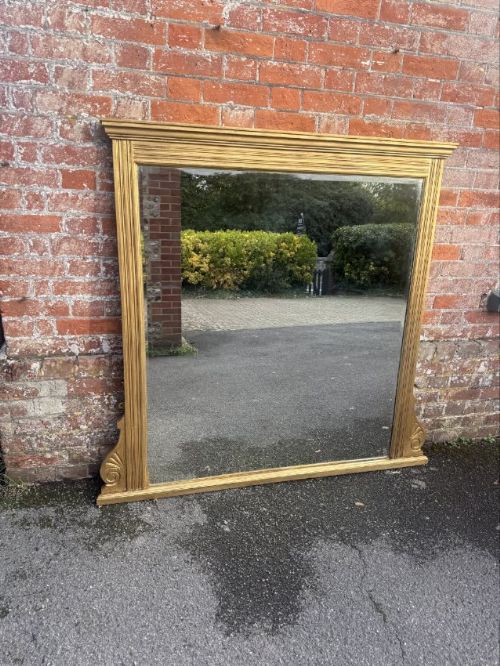
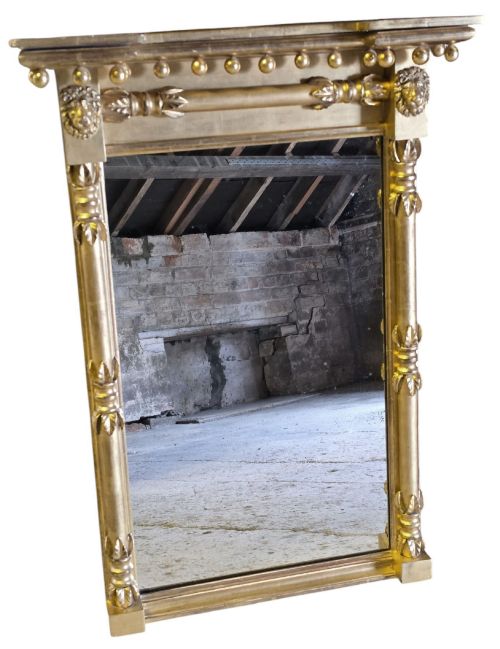
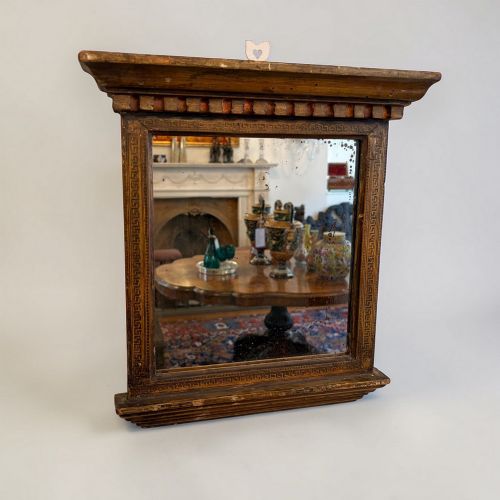
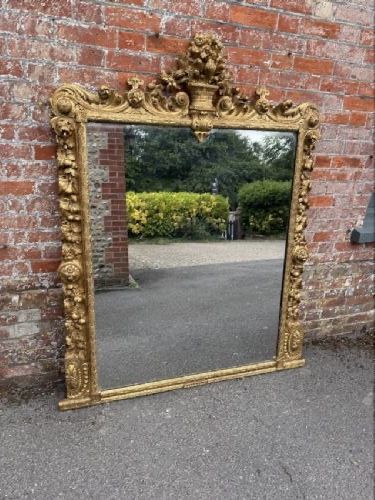
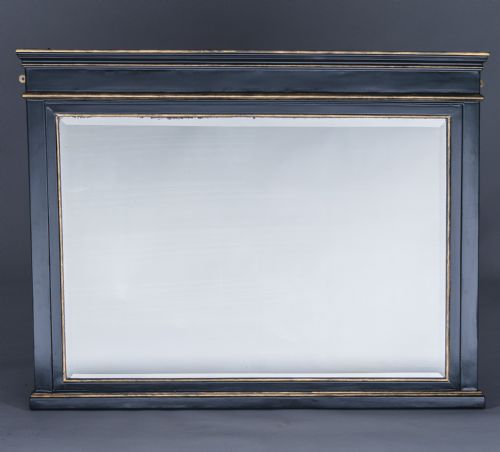
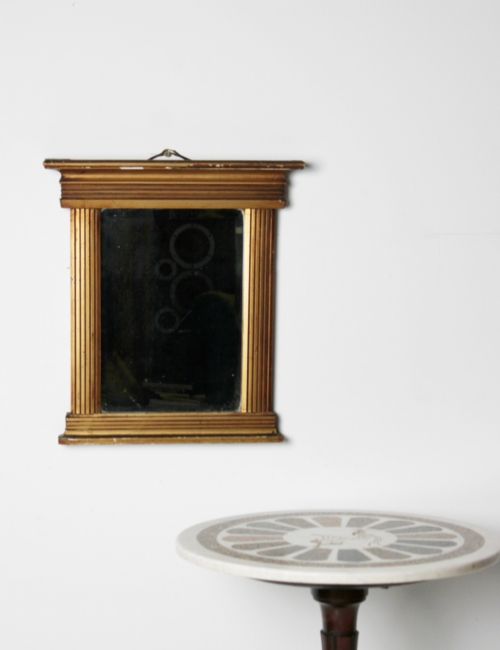
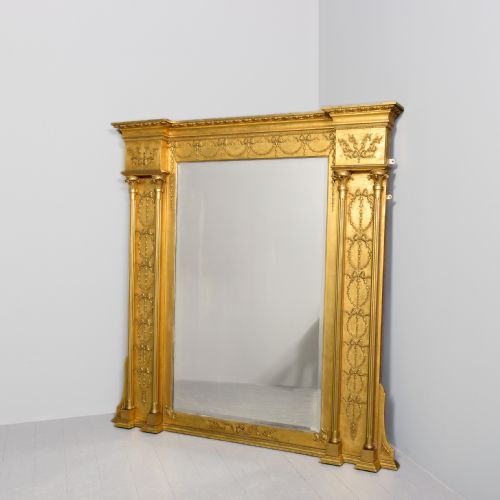
A gold architectural mirror uses classical orders, pilasters, and cornices to structure its frame, bringing a sense of building design to a wall. When searching for a gold architectural mirror, buyers encounter substantial overmantel and pier mirrors dating primarily from the nineteenth century and the Georgian era.
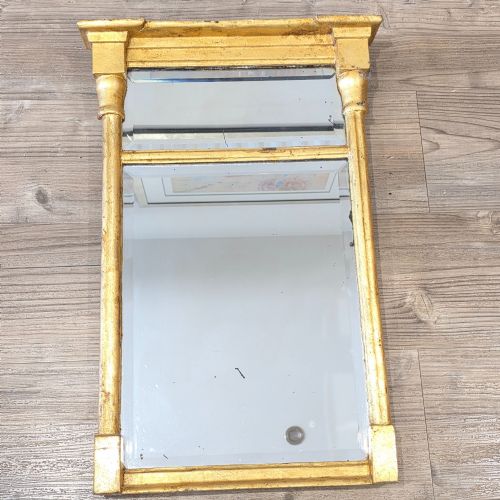
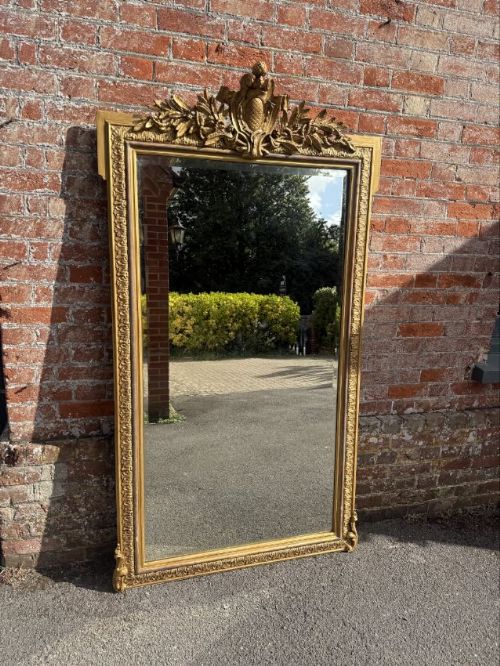
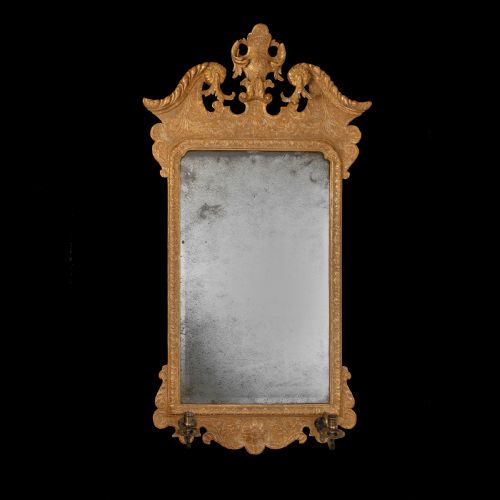
The forms span wide overmantels designed to sit above a fireplace and tall pier mirrors intended for the space between windows. These pieces draw heavily on Regency, Neoclassical, and George II vocabularies, employing rectangular, arched, or triptych formats.
Most examples originate from English and French workshops, utilising walnut, pine, or composition mouldings beneath layers of gold leaf. The survival of original mirror plates and verre églomisé panels alongside the gilded wood defines the typical pieces met here.
How they were made
Craftsmen shaped frames from solid woods such as pine, walnut, and carved wood before applying layers of gesso to create a smooth bed for gilding. Composition ornament, or compa, was frequently pressed into moulds and fixed to the wooden carcass to achieve intricate classical details like egg-and-dart moulding and reeding.
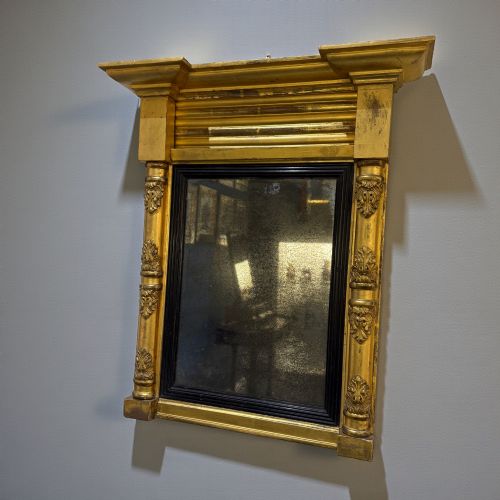
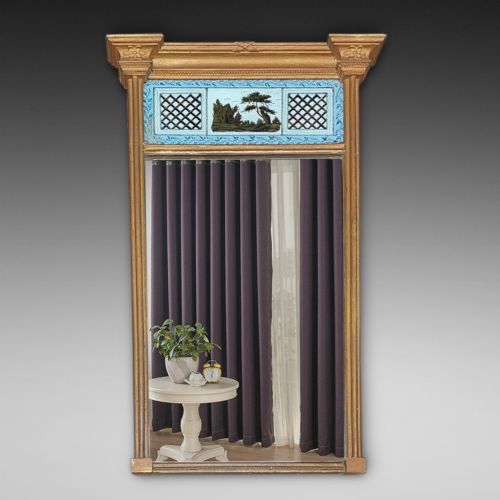
Gold leaf was then laid over a base of bole by hand, burnished to achieve a brilliant metallic sheen or left with a softer matte finish. Certain pieces integrate painted elements, ebonised details, or verre églomisé glass panels decorated with reverse-painted classical motifs.
Gold Architectural Mirror Retail Price Guide 2026
Typical asking prices for gold architectural mirror among the pieces listed under this phrase on Sellingantiques today, from the lower quarter to the upper quarter. They describe what is for sale here now, not the wider market.
Listings feature nineteen-century and Georgian pieces, incorporating materials such as giltwood, gesso, walnut, and verre églomisé.
What varies in quality
The depth and crispness of the hand-carved wood ornamentation separate ambitious framing from routine commercial production. Sharply defined gesso work that retains its original undiluted relief indicates superior workshop execution.
The preservation of the original mercury or silvered mirror glass, complete with natural oxidation and foxing, distinguishes untouched examples from later replacements. The integrity of the foundational gilt surface, free from heavy overgilding, determines the historical value of the piece.
Nosotti's
The Gold Architectural Mirror Glossary
- Giltwood
- Wood that has been coated with gold leaf or gold paint. This technique provides a durable and reflective metallic finish to the carved frame.
- Gesso
- A plaster-like mixture applied to wood frames to create a smooth surface for gilding. It allows craftsmen to carve intricate details before applying gold leaf.
- Pier Mirror
- A tall mirror designed to hang on the wall space between two windows. These pieces often sit above small console tables to amplify natural light.
- Overmantel Mirror
- A wide mirror specifically proportioned to hang above a fireplace mantelpiece. They frequently feature horizontal formats and elaborate architectural cornices.
- Verre Eglomise
- A process of cold painting and gilding on the back of glass. This technique appears in frieze panels above the main mirror plate in Regency pieces.
- Parcel Gilt
- A method where only specific portions of a wooden or painted object are gilded. This highlights structural details such as mouldings and carved motifs against a darker wood ground.
Gold Architectural Mirror: Frequently Asked Questions
Where should I hang a gold architectural mirror?
These mirrors suit placement above a principal fireplace in a reception room or positioned between tall windows to maximise interior daylight.
Ensure the wall structure can support the substantial weight of carved wood and gesso frames.
How do I identify a Regency period mirror?
Regency examples frequently display classical revival motifs, such as reeded frames, ebonised details, and verre églomisé panels.
They reflect the fashionable taste for strict symmetry and ancient architectural influences.
Are original mirror plates common?
Many surviving pieces retain their original glass, which often exhibits characteristic foxing and minor age spots.
Original plates contribute significantly to the authentic character and period integrity of the object.
How do I care for antique gilded surfaces?
Dust the carved frame gently with a dry, soft brush to protect the delicate gold leaf and gesso layers from abrasion.
Avoid liquid cleaners entirely, as moisture penetrates the gesso and causes the gilt surface to lift.