

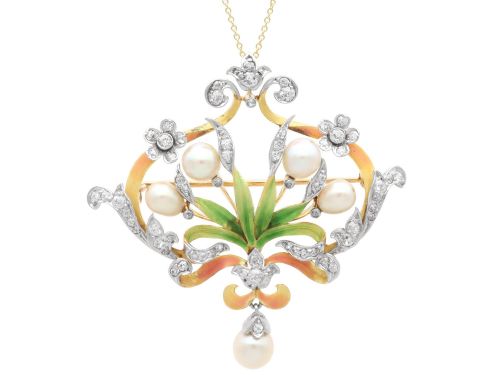
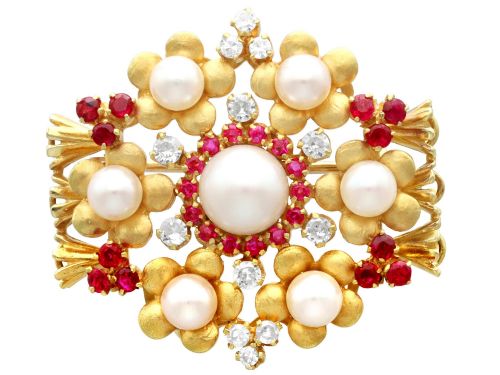
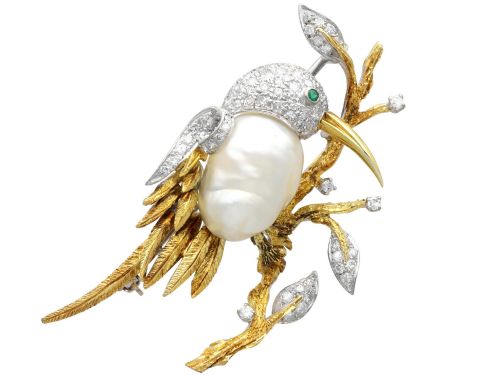

Gold and Diamond Brooch
When you search for a gold and diamond brooch, you uncover wearable miniature sculptures that span Victorian sentimentality to Art Deco geometry.
Gold and Diamond Brooch
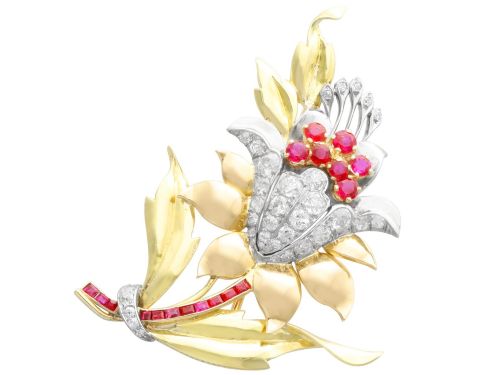
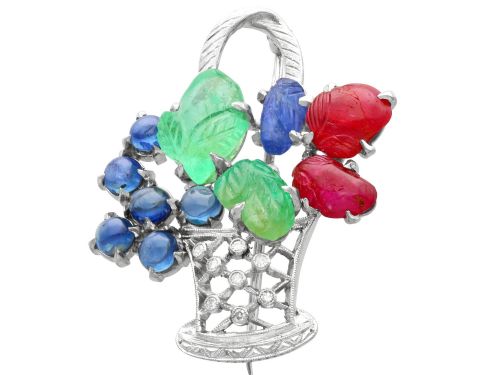
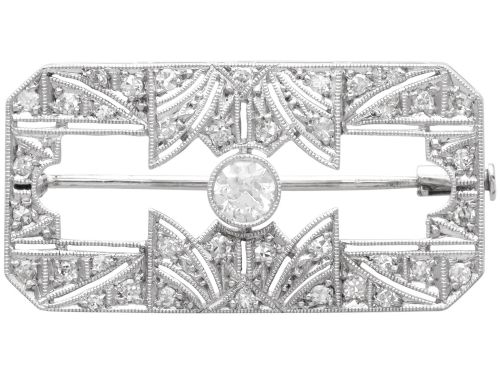
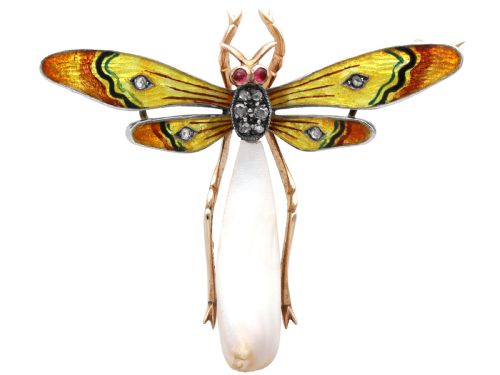
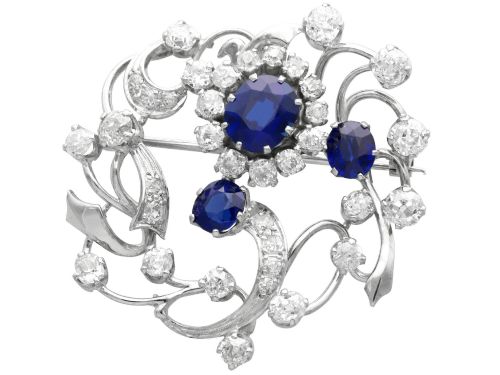
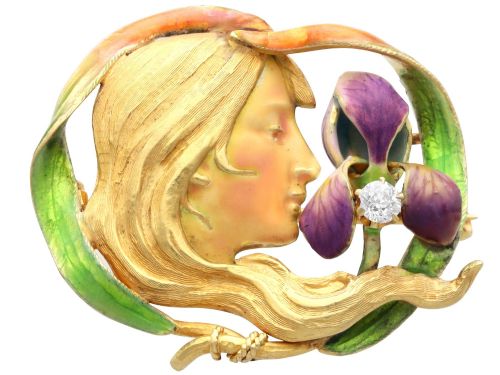
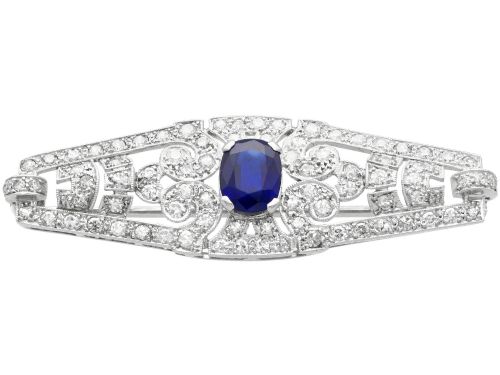
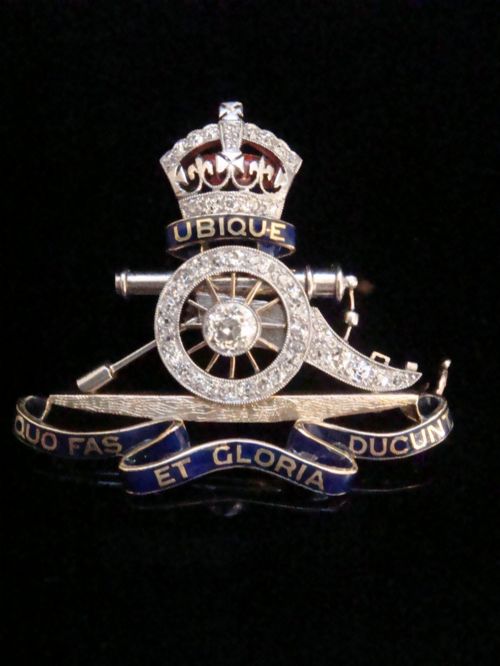
A gold and diamond brooch brings together precious metalwork and gemstones in formats ranging from simple bar pins to intricate floral clusters and animal figures. Collectors encounter Victorian pieces rich in symbolic motifs alongside Edwardian garlands and geometric Art Deco designs.
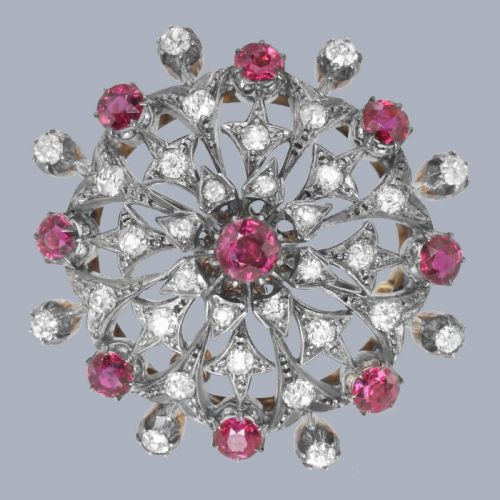
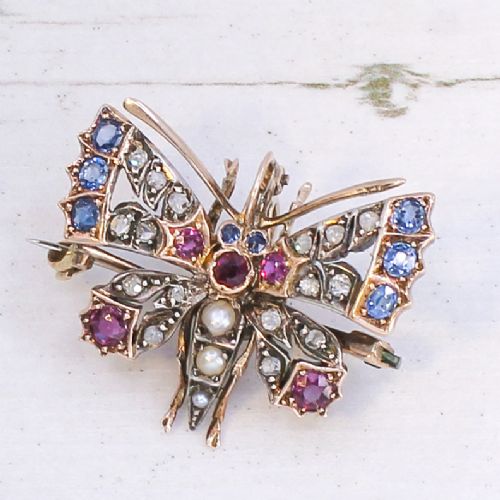
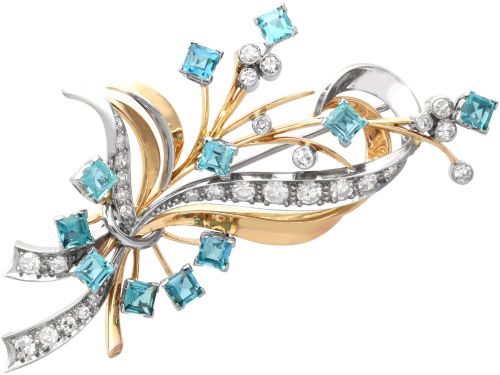
Many examples double as pendants, offering versatile wearability through hidden bails or loops added by period makers. Formats encompass crescent shapes, starburst clusters, insects, and naturalistic sprays set across various carats of yellow, rose, and white gold.
The inventory on this page reflects centuries of shifting tastes, moving from heavy nineteenth-century goldwork to the refined platinum-topped mountings of the early twentieth century. Buyers select these jewels for their dual function as decorative fasteners and miniature works of art.
How they were made
Makers combined yellow, rose, and white gold with silver settings, particularly in nineteenth-century and Edwardian pieces where silver enhanced the brilliance of old-cut diamonds. Platinum emerged later in the period, providing a strong, lightweight metal for intricate pierced work.
Craftsmen utilised techniques such as cannetille wirework, pave-setting, and foil-backing to maximise the sparkle of diamonds and coloured gemstones like rubies, sapphires, and opals. Pins were forged from resilient alloys to ensure structural integrity when fastened to heavy fabrics.
Gold and Diamond Brooch Retail Price Guide 2026
Typical asking prices for gold and diamond brooch among the pieces listed under this phrase on Sellingantiques today, from the lower quarter to the upper quarter. They describe what is for sale here now, not the wider market.
Listings feature yellow gold, rose gold, white gold, platinum, and silver alongside gemstones including diamonds, rubies, sapphires, opals, and garnets.
What varies in quality
Quality rests upon the selection and matching of stones, the crispness of hand-engraved details, and the architectural soundness of the metal mount. Superior pieces display thoughtful stone grading, secure settings that sit flush against the metal, and balanced proportions.
The reputation of the maker or retailer often elevates a piece, particularly when accompanied by original fitted cases or verifiable signatures. Fine articulation in figural designs, such as animal limbs or ribbon folds, marks the upper echelon of period craftsmanship.
Kutchinsky·G. Colani·Ben Rosenfeld·Paillette
The Gold and Diamond Brooch Glossary
- Cannetille
- A delicate nineteenth-century wirework technique that mimics fine gold embroidery and lace.
- Old-cut diamond
- A hand-faceted diamond shape characteristic of antique jewellery, featuring a smaller table and higher crown.
- Bar brooch
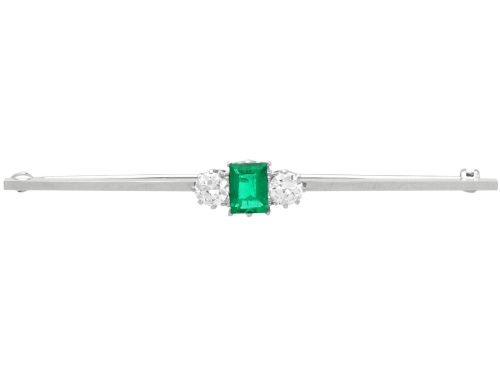
- A horizontal pin format popular across the Victorian and Edwardian eras, often centered with a cluster or gemstone.
- Pendant brooch
- A dual-purpose jewel fitted with a folding loop or bail to allow suspension from a chain.
- Rose-cut diamond
- An antique gemstone cut featuring a flat base and a domed crown covered in triangular facets.
Gold and Diamond Brooch: Frequently Asked Questions
How do I wear a brooch safely?
Secure the pin through thick fabrics like wool or lapels rather than delicate silks to prevent tearing.
Utilise locking safety catches or attach a security chain to anchor the piece securely to your garment.
Can I convert my brooch into a necklace?
Many period pieces feature integrated loops or hinged bails designed specifically for hanging on a chain.
A jeweller can also fit a removable converter without altering the original gold or silver structure.
How do I date a diamond brooch?
Examine the cut of the diamonds, metal combinations like silver-topped gold, and the style of the pin mechanism.
Victorian pieces often display closed-backs and naturalistic motifs, whereas Art Deco examples favour geometric platinum settings.
Were these brooches used as tokens?
Gems like rubies, pearls, and diamonds frequently formed sentiment-laden motifs such as forget-me-knots, crescent moons, and horseshoes.
Victorian and Edwardian buyers exchanged these jewels to mark betrothals, friendships, and milestones.