



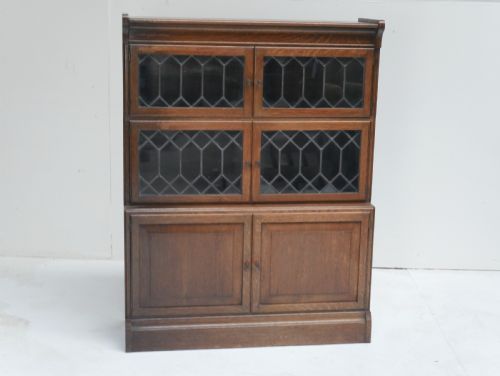
Globe Wernicke Style
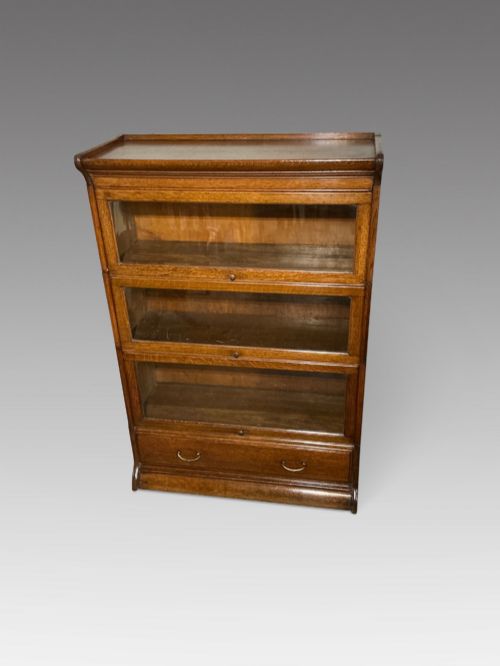
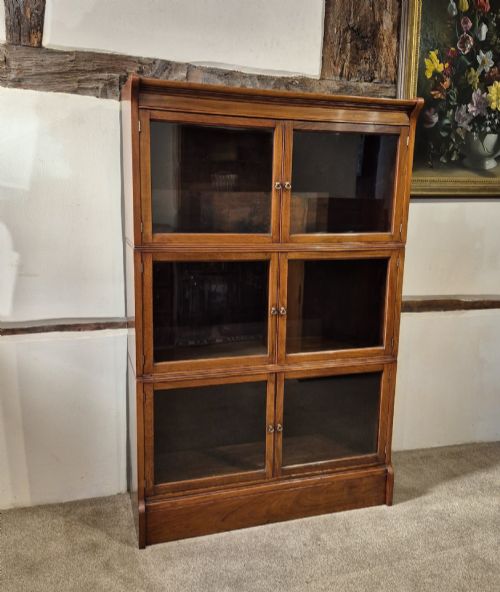
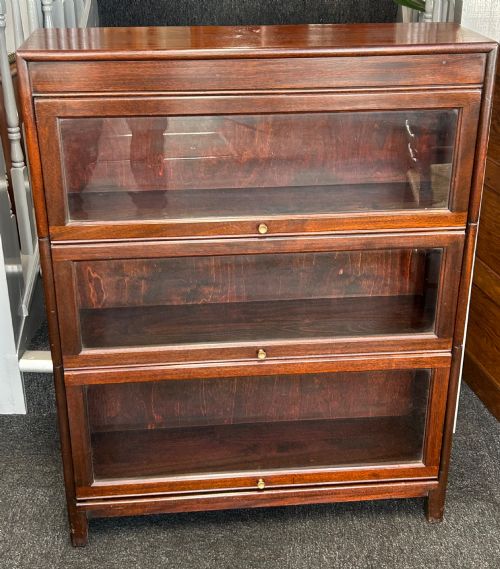
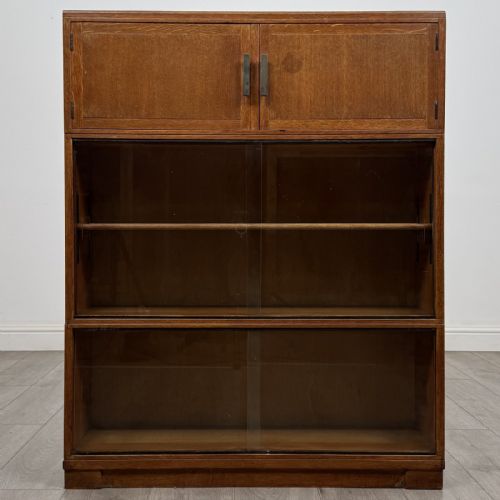
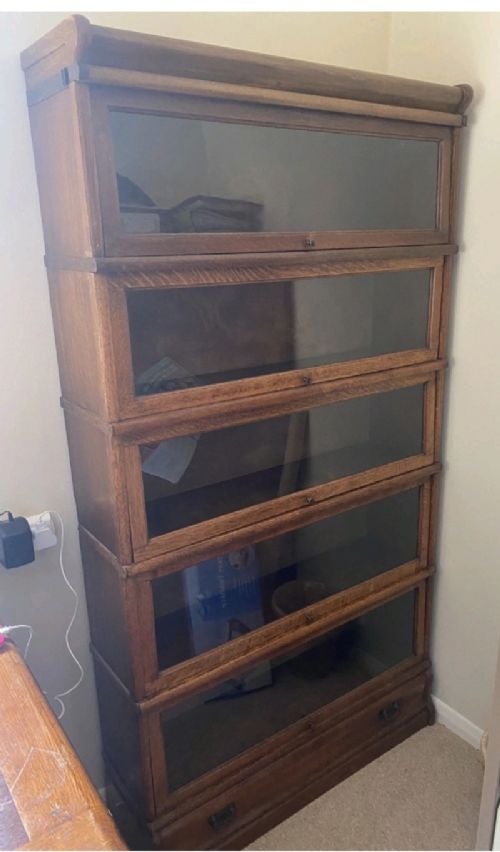
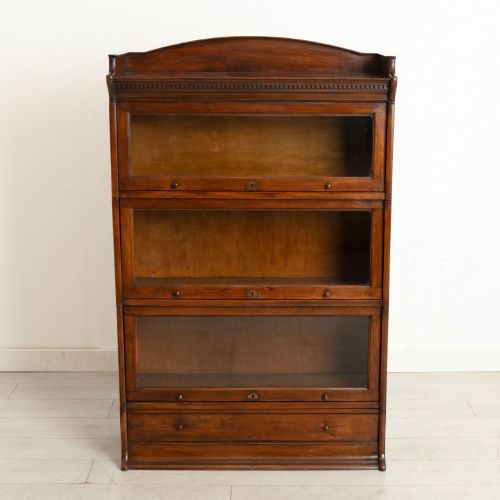
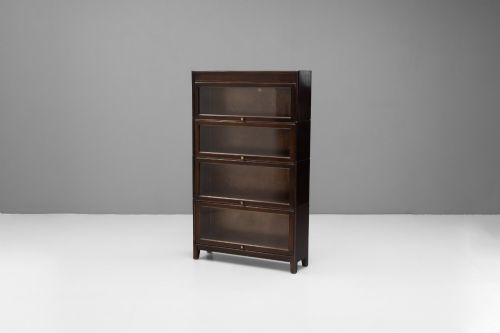
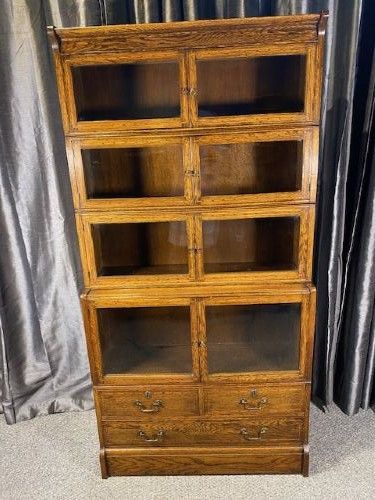
These globe wernicke style pieces are modular bookcases built in stacked tiers with glazed doors, offering practical storage with distinct period character.
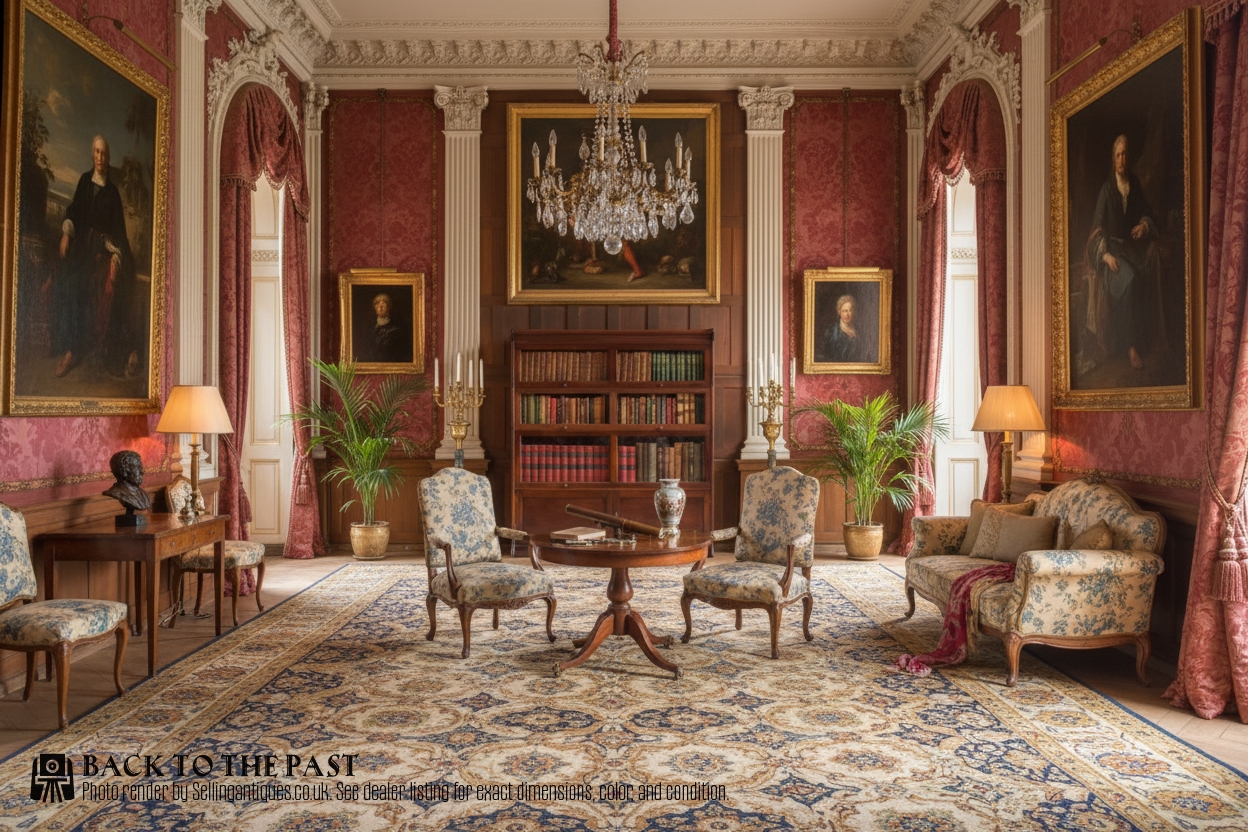
Globe Wernicke Style
When you search for globe wernicke style, you encounter sectional bookcases designed to house collections in interchangeable tiers. The pieces span periods from nineteen hundred through the nineteen-thirties, encompassing Edwardian examples alongside Art Deco and Arts and Crafts variations.
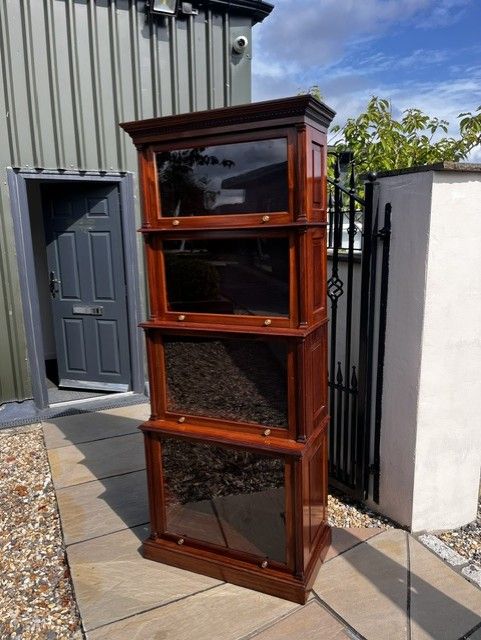
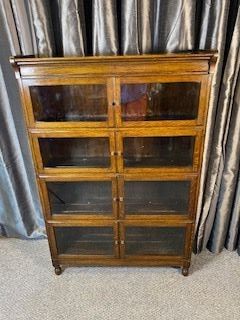
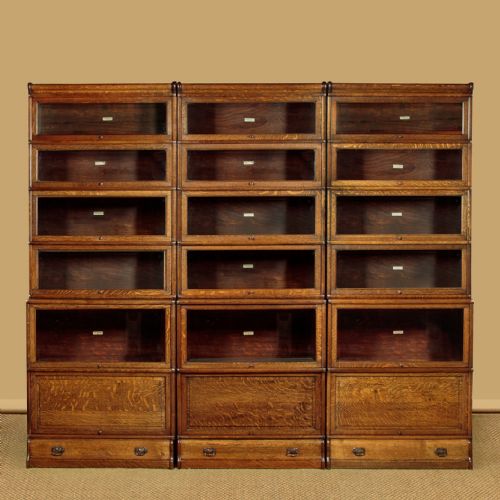
Most entries on this page take the form of stacking bookcases divided into three, four, or five tiers. Oak and mahogany dominate the construction, accompanied by glass panels and brass hardware.
Makers such as Lebus, Minty, Gunn, and AMYL emerge frequently alongside pieces attributed to Heal and Warwick. Bureau additions and open shelving appear alongside standard glazed cabinets.
How They Were Made
Makers constructed these sectional units using solid oak and mahogany timbers combined with glass and brass fittings. Individual tiers incorporated mechanical lifting mechanisms to allow glass doors to slide upwards and recess into the cabinet body.
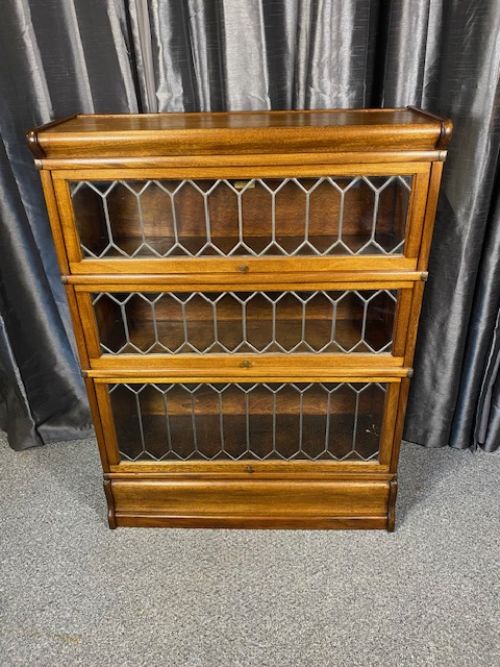
Workshops utilised leaded glass details alongside plain glass panes within wooden frames. Metal and lead components reinforced the stacking mechanism of each separate tier.
Globe Wernicke Style Retail Price Guide 2026
Typical asking prices for globe wernicke style among the pieces listed under this phrase on Sellingantiques today, from the lower quarter to the upper quarter. They describe what is for sale here now, not the wider market.
Legal paperwork occasionally turns up wedged behind the backboards of barrister bookcases by owners who stored files a century ago.
What Varies in Quality
The standard of timber selection and grain matching separates basic utilitarian units from finer workshop productions. Golden oak and solid mahogany variants demonstrate superior cabinet-making through tight joints and clean proportions.
Hardware execution, particularly brass pulls and lifting mechanisms, indicates the original grade of manufacture. Original glass integrity and timber finish preservation distinguish well-maintained examples.
Heals·Lebus·Minty·Gunn·AMYL·Warwick
The Globe Wernicke Style Glossary
- Sectional bookcase
- A modular piece of furniture composed of independent stacking tiers that can be separated or rearranged. Each tier contains its own shelf and glazed door.
- Barrister bookcase
- An alternative name for a stacking sectional bookcase traditionally used by legal professionals to protect law volumes. The doors lift and slide inward above the books.
- Leaded glass
- Windowpanes held together by narrow strips of lead came, creating geometric patterns within the cabinet doors. This technique appears on Arts and Crafts and Edwardian variants.
- Tier
- An individual stackable section of a modular bookcase housing a single shelf and door. Cabinets range from two tiers up to six or more.
- Bureau bookcase
- A sectional cabinet incorporating a drop-front writing desk tier alongside standard book storage compartments. These provide dual functions within office and library settings.
Globe Wernicke Style: Frequently Asked Questions
How do sectional bookcases work?
Each tier operates as an independent box with a glass door that lifts on a mechanical scissor hinge and slides into the recess above the books.
The separate sections simply stack on top of a base plinth and sit beneath a top cornice without permanent fixings.
Can individual tiers be removed?
The modular construction allows you to lift apart each tier once the top cornice and upper sections are removed from the stack.
This design historically facilitated easy transport and allowed owners to expand their shelving capacity by purchasing additional tiers.
Where were these bookcases used?
Legal offices, studies, and libraries utilised these modular cabinets to protect valuable volumes from dust while maintaining organised archives.
Domestic interiors also adopted them for general book storage in living rooms and reading spaces.
How do I date a stacking bookcase?
Stylistic markers such as Edwardian proportions, Arts and Crafts leaded glass, or Art Deco lines help determine the production era.
Maker stamps and patent marks found on the interior woodwork or hardware provide further chronological evidence.