

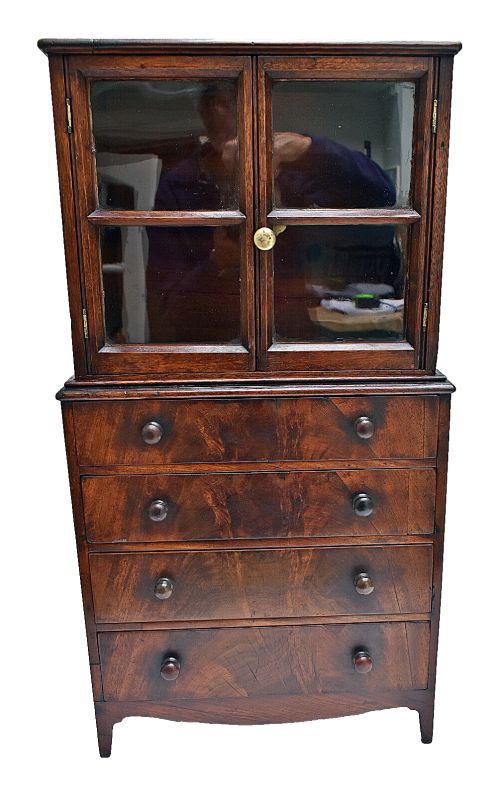
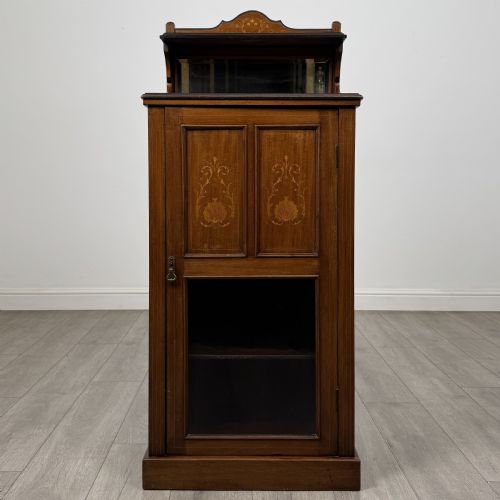
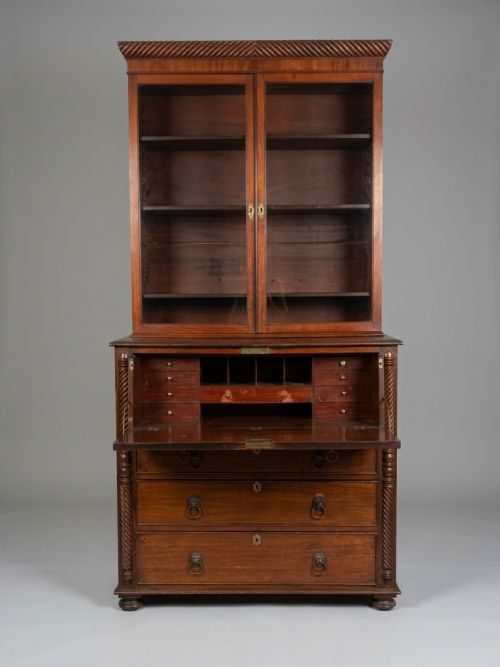
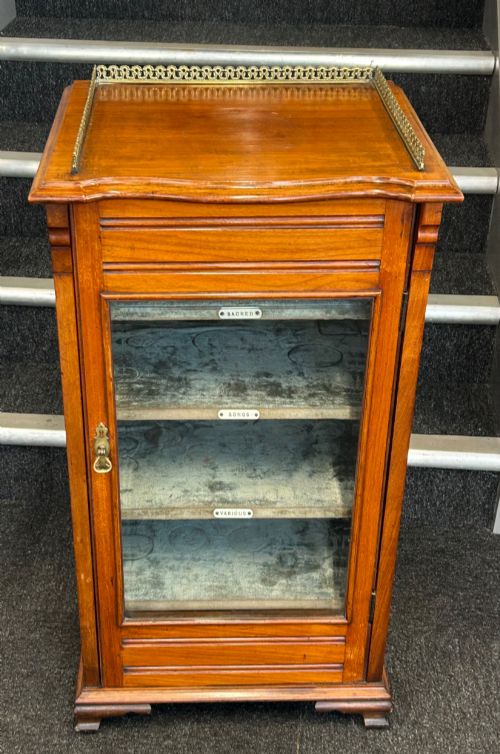


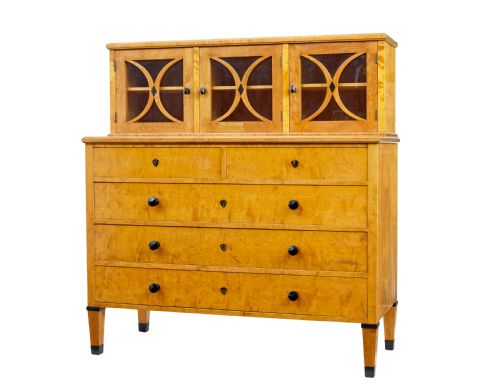


Glazed Top Chest
These glazed top chest selections combine upper display with lower storage, bringing period character and practical organisation to any room.

Glazed Top Chest
A glazed top chest merges a glass-fronted upper cabinet with a lower chest or bureau base, creating a dual-purpose storage and display unit. When searching for a glazed top chest, buyers encounter tall bookcases, secretaire variants and cabinets on chests spanning several centuries.
The lower sections offer drawer or cupboard capacity while the upper glass doors protect books or collections from dust. Pieces originate from diverse regional traditions, ranging from English mahogany designs to Swedish country painted furniture.
How they were made
Cabinet makers constructed these pieces primarily using dense timbers such as mahogany and walnut, alongside regional woods like birch, pine and painted timber. Surfaces frequently incorporate decorative wood veneers and intricate inlay work to enhance the exterior appearance.
Hardware components such as hinges, handles and escutcheons utilise cast brass or iron. Upper compartments incorporate clear or patterned glass panels secured within timber frames, while lower sections rely on traditional joinery for drawer construction.
Glazed Top Chest Retail Price Guide 2026
Typical asking prices for glazed top chest among the pieces listed under this phrase on Sellingantiques today, from the lower quarter to the upper quarter. They describe what is for sale here now, not the wider market.
Listings feature periods spanning from the eighteenth century through the Victorian era to Edwardian designs, constructed in mahogany, walnut, pine and birch.
What varies in quality
Superior examples demonstrate refined timber selection, such as closely figured mahogany or richly grained walnut veneers, paired with crisp inlay work. Lower quality pieces rely on simpler secondary timbers and heavier, less harmonious proportions.
The execution of the glazing bars and the clarity of the original glass significantly influence the overall character of the upper cabinet. Original brass hardware and intact internal fittings also separate standard utility items from finer formal furniture.
The Glazed Top Chest Glossary
- Glazing bar
- A narrow wooden strip that holds individual panes of glass within a door or window frame. These bars create the distinctive grid patterns seen on upper display sections.
- Secretaire
- A desk form featuring a fitted drop-front drawer that conceals small pigeonholes and writing surfaces. This feature frequently integrates into the middle section of tall bookcases.
- Vitrine
- A glass-fronted cabinet designed specifically for displaying objets d'art or collections. The term often describes pieces with extensive glass panels on multiple sides.
- Bombe
- A swelling or bulging contour characteristic of continental furniture styles, particularly Dutch pieces. This curved profile requires advanced woodworking skill to execute correctly.
- Inlay
- A decorative technique where contrasting materials are inserted into recessed cavities on the wood surface. Common motifs include geometric lines or floral patterns.
Glazed Top Chest: Frequently Asked Questions
What is a glazed top chest?
A glazed top chest is a combined furniture form featuring a glass-fronted cabinet mounted upon a chest of drawers or bureau base. It serves both display and storage functions.
Such pieces accommodate books, ceramics and paperwork within a single vertical footprint, making them suitable for studies and living spaces.
How do I date a glazed top chest?
Dating relies on identifying stylistic markers, construction methods and timber choices characteristic of periods like the Georgian, Victorian or Edwardian eras. Regional traits also offer clues.
Details such as drawer dovetailing, glass manufacture and decorative veneers help establish the likely decade or century of origin.
Where should I place a glazed top chest?
These tall combination units require adequate wall space and stable flooring away from direct heat sources to protect older timbers and veneers. Their height makes them focal points in rooms.
Placing them in studies, libraries or drawing rooms allows the upper display section to showcase collections while the lower drawers store everyday items.
Are glazed top chests practical for modern homes?
The dual nature of upper display and lower enclosed storage provides functional utility for contemporary organisation needs. They house books and tableware effectively.
Their varied footprints accommodate different spatial requirements, from compact music cabinets to large bureau bookcases.