




Victorian Display Chest
A victorian display chest brings together practical storage and glazed viewing space, offering a period solution for showing small objects.

Victorian Display Chest
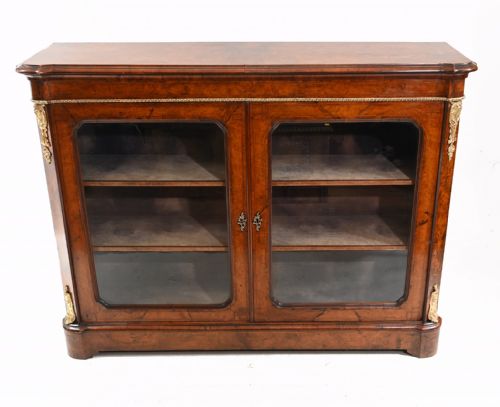
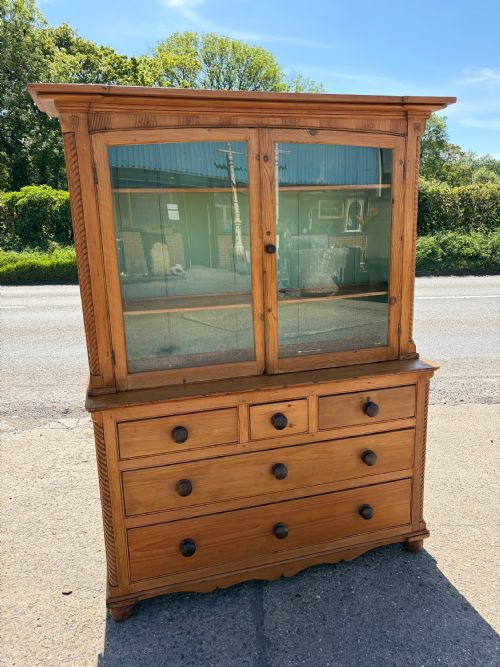
When searching for a victorian display chest, you encounter diverse forms that combine drawer storage with glazed compartments for viewing contents. These pieces span standard Victorian periods alongside 19th Century and early 20th Century examples.
The selection ranges from tall collectors cabinets and specimen chests with numerous small drawers to shop fittings, haberdashery units, and pier cabinets. Many integrate glass doors or drop fronts designed specifically to protect and exhibit collections.
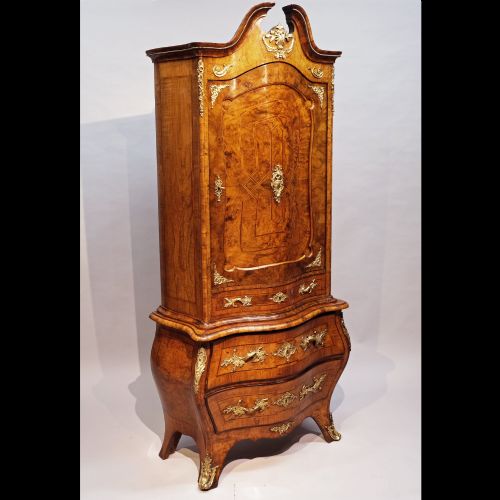
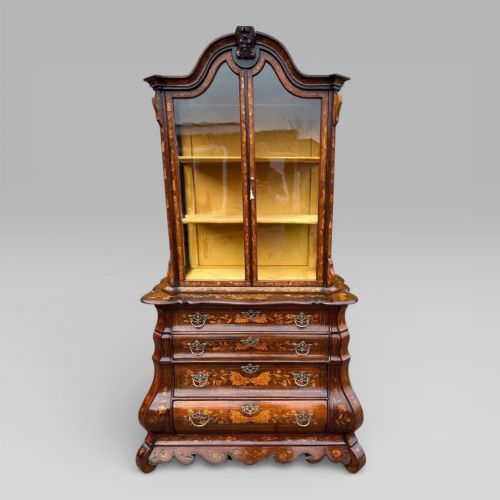
Origins include English workshops, continental examples in Dutch Baroque Revival and Rococo Revival styles, and utilitarian maritime or campaign pieces. Walnut, mahogany, and pine form the backbone of these hybrid storage and display formats.
How they were made
Cabinetmakers utilised dense hardwoods such as mahogany and walnut, frequently selecting burr veneers or figured pitch pine to create decorative surfaces on the exterior carcase. Secondary timbers like pine appear within drawer construction and internal framing.
Glazing techniques incorporated bevelled glass panels held within brass or wooden framing, paired with brass handles, locks, and ormolu mounts. Joinery methods relied on precise dovetail joints for drawers and panelled construction for larger cabinet doors.
Victorian Display Chest Retail Price Guide 2026
Typical asking prices for victorian display chest among the pieces listed under this phrase on Sellingantiques today, from the lower quarter to the upper quarter. They describe what is for sale here now, not the wider market.
Listings feature woods including mahogany, walnut, burr walnut, burr yew wood, teak, pine, and pitch pine alongside brass and ormolu hardware.
What varies in quality
The standard of a victorian display chest rests upon the selection of timber veneers, such as burr walnut or burr yew, and the precision of the marquetry or inlay work. Superior items display harmonious grain matching across multiple drawers and doors.
Hardware integrity also separates workshop outputs, with solid brass fittings, working locks with original keys, and finely glazed bevelled doors indicating elevated craftsmanship. The complexity of internal partitioning in specimen and haberdashery units defines the upper tier.
Edwards & Roberts·Manoah Rhodes & Sons Ltd·Ermen & Roby·John Piggott & Co Ltd·Fred Wade·Cha’s Baker·J.T.Crockett
The Victorian Display Chest Glossary
- Specimen Cabinet
- A multi-drawer unit designed for organising and protecting natural history collections, fossils, or coins. These pieces feature shallow drawers to prevent damage to delicate items.
- Haberdashery Cabinet
- A multi-drawer retail fitting originally used for storing and displaying sewing accessories and textiles. They often incorporate glass panels or label holders on the drawer fronts.
- Pier Cabinet
- A narrow display unit built to stand against the wall space between windows. These typically feature glazed doors and walnut or mahogany surfaces.
- Ormolu
- Gilt bronze ornamentation applied to furniture mounts and decorative details. This technique adds metallic highlights to the wood carcase.
- Burr Walnut
- Timber taken from the bough growth of a walnut tree, yielding a swirling, highly figured grain pattern. Cabinetmakers prized this for veneering prominent drawer and door fronts.
Victorian Display Chest: Frequently Asked Questions
What is a victorian display chest used for?
These pieces serve to store objects while displaying them behind glass doors or within shallow drawers. Collectors utilise them for small items, textiles, and curiosities.
Their hybrid form allows collectors to keep items dust-free while maintaining clear visibility for viewing or study.
How do I identify a victorian display chest?
Look for 19th Century construction methods, typical timber choices like mahogany, walnut, and pine, and characteristic hardware such as brass locks and handles. Styles often reference Victorian revival aesthetics or utilitarian shop fittings.
Glazed doors, multi-drawer configurations, and specialised interior layouts for specimens or sewing cottons further distinguish these items from standard chests of drawers.
Where were victorian display chests placed?
Domestic examples sat in libraries, drawing rooms, and studies to hold collections of books, medals, or natural history specimens. Shop variants functioned as retail display counters and haberdashery fittings.
Their proportions allowed them to fit against walls or pier spaces without dominating smaller interior layouts.
Are all victorian display chests made of mahogany?
While mahogany appears frequently in the evidence, makers also used walnut, burr walnut, burr yew wood, teak, and pine. Painted finishes and exotic veneers also occur across different regional workshops.
The choice of material depended on whether the piece originated as a domestic cabinet, a trade counter, or a campaign trunk.