



Glazed Shop Fitting
These glazed shop fitting pieces bring commercial history into domestic spaces, offering tall towers, counters and cabinets built to display goods.
Glazed Shop Fitting
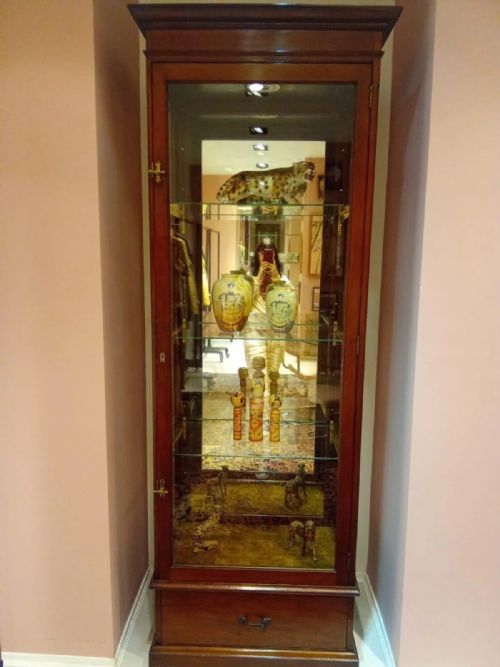
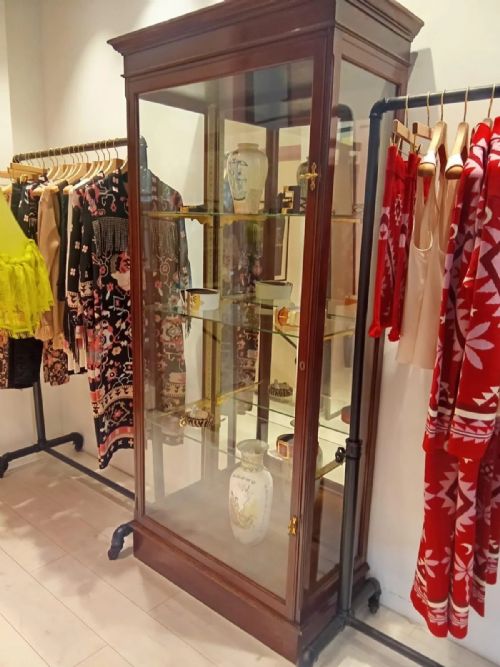
A glazed shop fitting is a practical piece of commercial furniture designed to protect and exhibit merchandise, most commonly found here as display cabinets, haberdashery units, and serving counters.
Buyers looking at this selection encounter pieces originating from the Victorian and Edwardian eras, through to the 1920s and Art Deco periods of the 1930s.
The most frequent items on this page are mahogany display cabinets and oak counter-top units, often featuring adjustable glass shelves and mirrored interiors.
Materials and Joinery
Makers relied heavily on solid mahogany and oak for the primary carcases, occasionally incorporating American walnut, ebonised timber, or brass frames.
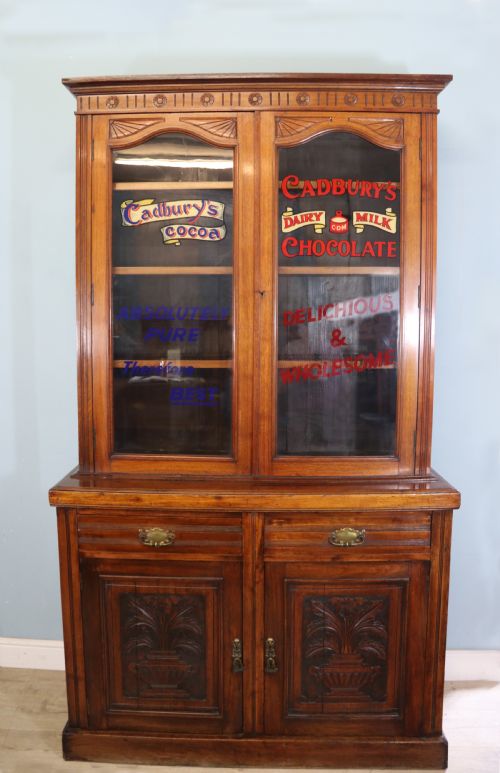
Large sheets of glass and mirrors were integrated to maximise light and visibility, sometimes supplemented by gold leaf detailing and hand sign-written advertising panels.
Glazed Shop Fitting Retail Price Guide 2026
Typical asking prices for glazed shop fitting among the pieces listed under this phrase on Sellingantiques today, from the lower quarter to the upper quarter. They describe what is for sale here now, not the wider market.
Sweet shops and gunsmiths relied on these exact glass cabinets to tempt customers.
Assessing Build and Presence
Quality rests in the structural timber selection and the proportions of the glazing, moving from standard utility counters to substantial architectural tower cabinets and generous display showcases.
Fry·Rowntree·Siegel·E Pollard and Co Ltd·Jenners of Edinburgh
The Glazed Shop Fitting Glossary
- Haberdashery cabinet
- A multi-drawer and glazed commercial unit originally used for storing and displaying small sewing goods and textiles. These pieces often feature glass-fronted drawers.
- Counter-top cabinet
- A smaller glazed display case designed to sit upon a shop service counter for close customer inspection. These items typically house confectionery or jewellery.
- Tower cabinet
- A tall, vertical glazed display unit built to showcase goods over multiple vertical tiers. These structures maximise floor space in retail environments.
- Advertising cabinet
- A trade display case incorporating branded lettering or manufacturer names such as Fry's or Rowntree's. These units promoted specific goods directly to the public.
Glazed Shop Fitting: Frequently Asked Questions
What is a glazed shop fitting?
A glazed shop fitting is a piece of antique commercial furniture built to display retail goods while protecting them from dust and handling. These items include freestanding tower cabinets, counter-top display cases, and multi-drawer haberdashery units.
Originally used in nineteenth and early twentieth-century shops, they are now adapted for domestic interiors to display collections, books, and tableware.
How do I date an oak display cabinet?
Dating these cabinets involves examining the timber grain, construction techniques, and hardware styles used by makers across the Victorian, Edwardian, and 1920s periods. Earlier nineteenth-century examples often feature heavy solid mahogany or oak, while later pieces adopt streamlined Art Deco influences.
Sign-written advertising panels and maker plaques also provide clues to the exact retail era in which the cabinet operated.
Were these cabinets made for homes?
These pieces were strictly manufactured for commercial trade environments like jewellers, gunsmiths, sweet shops, and draperies. Merchants required secure glass enclosures to showcase merchandise clearly to customers walking up to the counter.
Today, interior designers repurpose these commercial fittings into homes because their deep glass panels offer exceptional visibility for personal collections.
Can I use a counter top cabinet in a kitchen?
Counter-top cabinets work well in kitchens for storing dry goods, culinary collections, or glassware thanks to their compact dimensions and protective glass doors. Their original shallow depth was designed for shop counters without taking up excessive workspace.
Ensure the timber and internal glass shelves are stable enough to support the weight of modern kitchen items before loading them.
What does sign-written mean?
Sign-written refers to hand-painted lettering applied directly to the timber or glass of a cabinet to advertise specific goods or merchant names. These historical inscriptions often name confectioners, tobacconists, or outfitters who originally used the fittings.
Such lettering indicates that the cabinet served a working commercial purpose before entering the antique market.