

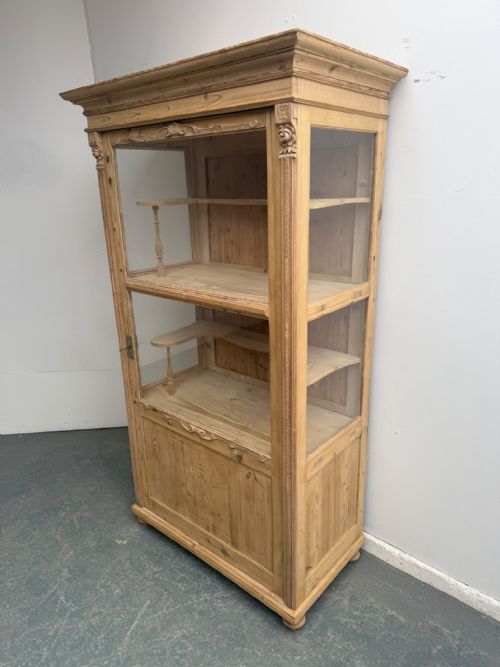


Glazed Shop Display
When you search for glazed shop display, you are looking at practical mercantile furniture designed to showcase retail goods.
Glazed Shop Display
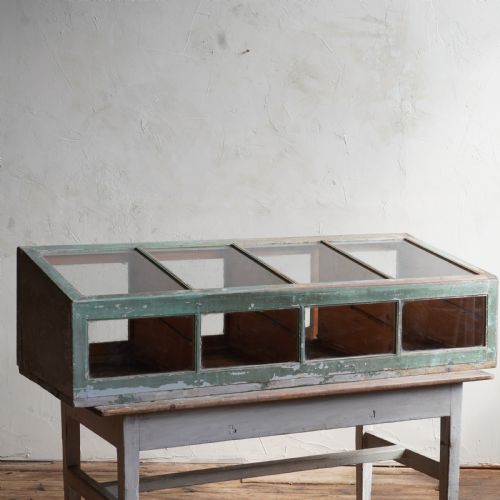
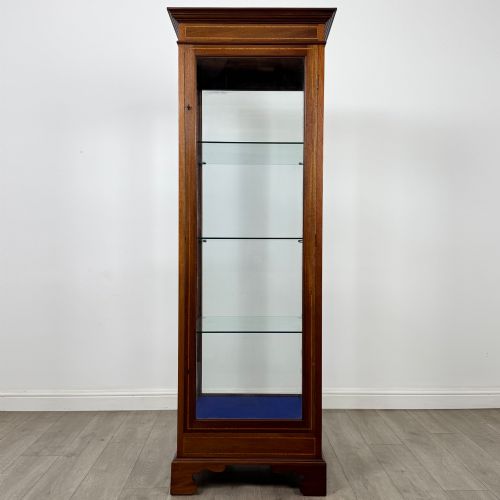
A glazed shop display typically takes the form of a countertop case, a tall freestanding cabinet, or a serving counter used in commercial interiors. These pieces originate from the Victorian, Edwardian, and 1920s periods, reflecting an era of specialised retail trade.
Countertop display cabinets and smaller table top versions appear frequently on this page, often constructed in mahogany or oak with adjustable glass shelves. These smaller units sat upon shop counters to highlight confectionery, pharmacy items, or small wares.
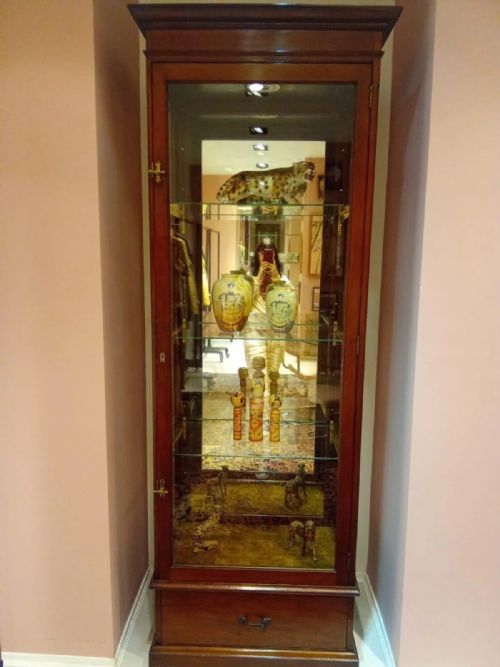
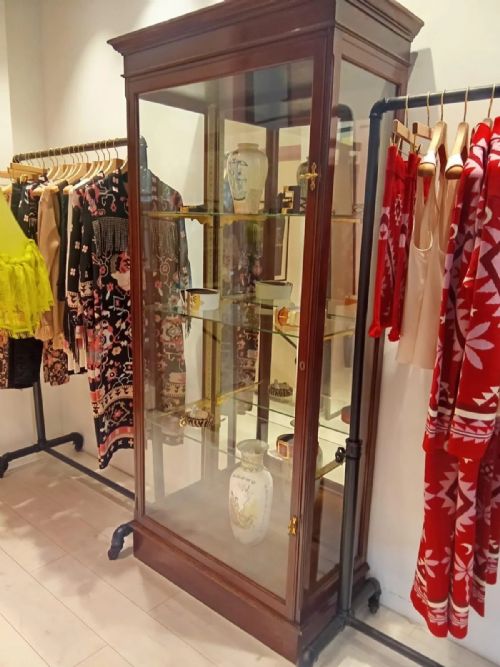
Larger freestanding tower cabinets, haberdashery units, and shop counters also emerge from the evidence, offering substantial glazed storage for retail settings.
Craftsmanship and Proportion
The standard of a glazed shop display rests on the selection of timber and the proportion of the framing, where solid mahogany and substantial brass mounts elevate the piece above utilitarian pine or simpler constructions.
Integration of original mirrored interiors, adjustable glass shelving, and coherent period details such as Adam style mouldings determine the sophistication of the cabinet.
The presence of authentic trade lettering, specialised confectionery advertising, or complete retail hardware distinguishes commercial pieces of particular character.
Listings feature items spanning the Victorian era through the 1930s, constructed predominantly in mahogany, oak, and glass.
F. Sage & Co.·Fry's Chocolate·Kemps Pharmacy·Robert West Gunsmith
The Glazed Shop Display Glossary
- Haberdashery cabinet
- A multi-drawer retail unit featuring glass fronts or trays designed to organise small sewing goods and clothing accessories. These pieces are highly sought after for domestic storage.
- Countertop case
- A compact glazed display unit placed upon a retail counter to showcase high-value goods directly to customers. They often feature rear sliding doors for easy access.
- Ebonised
- Wood finished with a dark stain or paint to imitate expensive ebony. This technique was popular for adding a formal, polished appearance to Victorian and 1920s furniture.
- Creamware
- A fine light-coloured earthenware developed in the eighteenth century. Pieces appearing in retail contexts often served utility roles before becoming decorative objects.
- Counter
- A long shop fixture with a solid base and a glazed or timber top surface. They served as both workspace and primary display area in historic stores.
Glazed Shop Display: Frequently Asked Questions
What were glazed shop display cabinets used for?
These cabinets served merchants as secure enclosures to exhibit merchandise while protecting delicate or valuable stock from dust and handling. Retailers utilised them on counters or floors to draw customer attention.
Items ranging from confectionery and jewellery to pharmaceutical goods were arranged inside to maximise visual appeal and encourage purchases in busy shops.
How do I style a shop display cabinet at home?
Placing a glazed display cabinet in a living space creates an immediate focal point for collections of ceramics, glassware, or books. The internal glass shelves and mirrors distribute light effectively across displayed objects.
Mixing smaller tabletop cases on sideboards or utilising tall freestanding units adds architectural interest and period character to modern domestic interiors.
How can I tell Victorian from Edwardian display cases?
Victorian display pieces often feature darker timbers, heavier mouldings, and robust American walnut or mahogany construction. They tend to exhibit rich, deep patination developed over decades of commercial use.
Edwardian and 1920s examples frequently display lighter framing, cleaner lines, and simpler commercial styling, sometimes incorporating ebonised finishes or specialised advertising panels.
Did these cabinets come from sweet shops?
Many surviving display cabinets originated in confectioners and grocers, bearing original advertising for brands such as Fry's or Rowntree's. These sweet shop units were built specifically to tempt customers with chocolates and crystallized fruits.
Other examples served in pharmacies, jewellers, and gunsmiths, each trade requiring specialised glazing and secure shelving to suit their particular merchandise.