
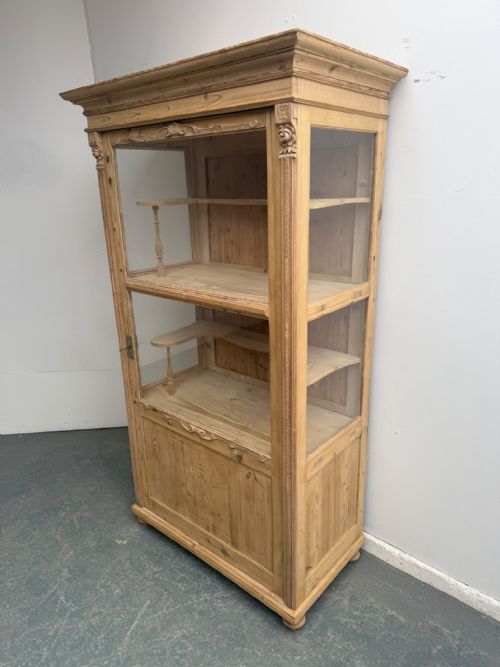


Glazed Shop Cabinet
A glazed shop cabinet brings commercial utility and clear sightlines into domestic spaces, housing collections behind glass panels.

Glazed Shop Cabinet
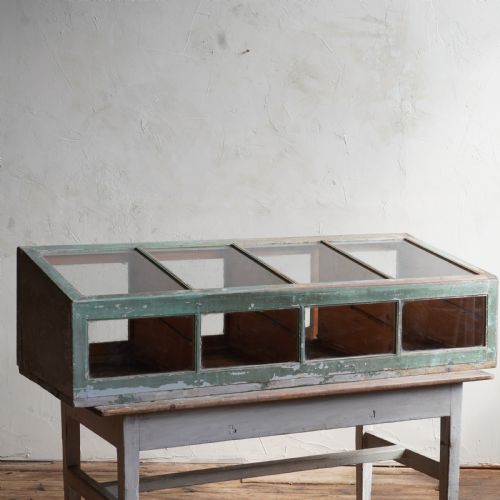
A glazed shop cabinet is a commercial fixture repurposed for domestic display, designed to hold and showcase goods clearly. These pieces originate from retail environments spanning the Victorian era through the Edwardian period, 1920s commercial works, and Art Deco designs.
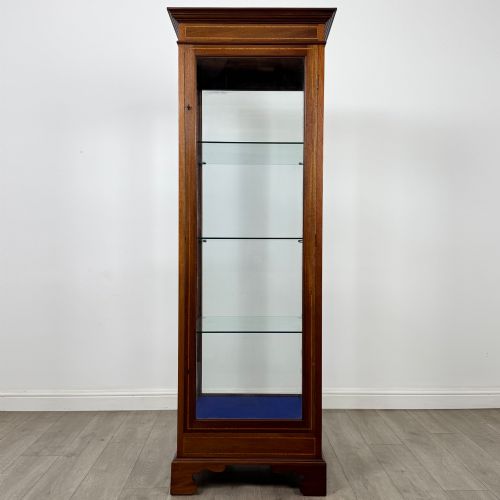
Buyers encounter multiple physical formats ranging from small countertop display cases and table top units to tall freestanding towers, expansive shop counters, and wall-mounted variations. Mahogany and oak dominate the construction, accompanied by pine, walnut, ebonised wood, and steel frames.
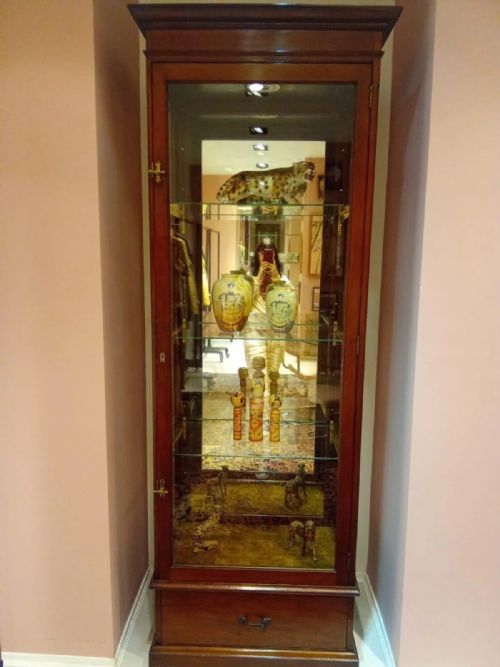
The intended function of these cabinets shaped their manufacture, leading to configurations with adjustable glass shelves, mirrored interiors, and specialised branding such as pharmacy, confectioner, and jeweller shop fittings.
How they were made
Makers constructed these commercial cases primarily in solid mahogany, oak, and walnut, often utilising ebonised wood or steel for structural framing. Glass panels formed the primary viewing areas, supported by brass hardware, mirrors, and internal fabric linings.
Cabinetmakers integrated functional elements suited to daily retail use, including lockable doors, sliding access panels, and adjustable glass shelving to maximise interior visibility.
Some cabinets still carry the sweet scent of historical confectionery after a century in business.
What varies in quality
The presence of authentic retail branding, such as original hand sign-written pharmacy or confectionery advertisements, distinguishes exceptional showroom pieces from standard commercial carcasses.
F. Sage and Co.
The Glazed Shop Cabinet Glossary
- Haberdashery cabinet
- A specialised multi-drawer commercial unit with glazed fronts intended for the display and storage of small textiles and sewing goods. These pieces typically feature pull-out trays behind glass doors.
- Countertop display cabinet
- A compact glazed case designed to sit upon a retail shop counter for eye-level customer inspection. They are frequently found in Edwardian and 1920s commercial settings.
- Ebonised wood
- Timber treated with a chemical stain or finish to imitate the dense, dark appearance of ebony. This technique was popular in Victorian and early 20th-century cabinetmaking.
- Mirrored interior
- A reflective backing fitted inside a display case to multiply light and illuminate objects from behind. It is a common feature in jeweller and apothecary cabinets.
- Display counter
- A substantial retail furniture piece combining a solid timber base with a glazed viewing surface on top. Merchants utilised these to present goods directly to customers across a shop floor.
Glazed Shop Cabinet: Frequently Asked Questions
What is a glazed shop cabinet?
A glazed shop cabinet is a piece of commercial retail furniture built with glass panels to display merchandise securely. Merchants originally used them in pharmacies, sweet shops, and jewellers to keep goods visible yet protected.
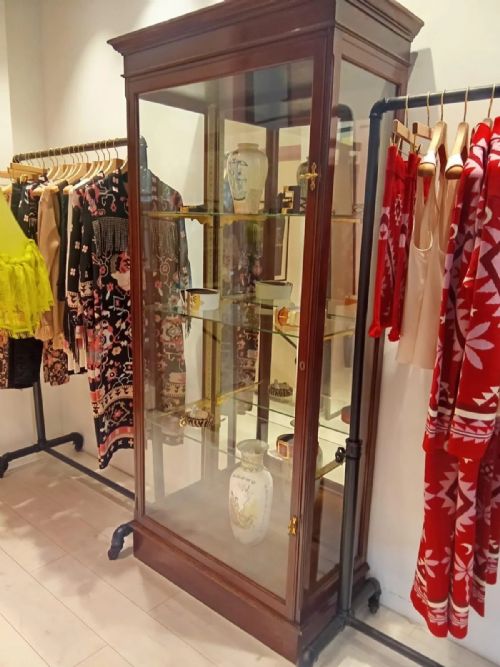
Today, collectors utilise these pieces in domestic settings to exhibit collections of small items, ceramics, and books while keeping dust away.
How do I date a shop cabinet?
Dating relies on observing the timber choices, construction techniques, and stylistic markers present in the frame. Victorian and Edwardian examples often feature heavy mahogany or oak framing with traditional joinery.
Later pieces from the 1920s and 1930s introduce ebonised finishes, steel elements, and Art Deco geometric lines. Original painted shop signage and hardware also provide clear chronological clues.
Where were these cabinets used?
These cabinets stood in high-street shops, department stores, and commercial counters across Britain. Merchants placed countertop versions near tills for impulse purchases and tall freestanding towers against walls.
In modern homes, they function as display furniture in living rooms, dining spaces, and kitchens to store tableware or curated collections.
Are the glass shelves original?
Many surviving cabinets retain their original thick plate glass shelving, which often rests on adjustable brass brackets. These shelves bear the weight of commercial goods and decades of use.
Replacements do occur due to accidental breakage over time, so examining the edges and thickness helps determine originality.