


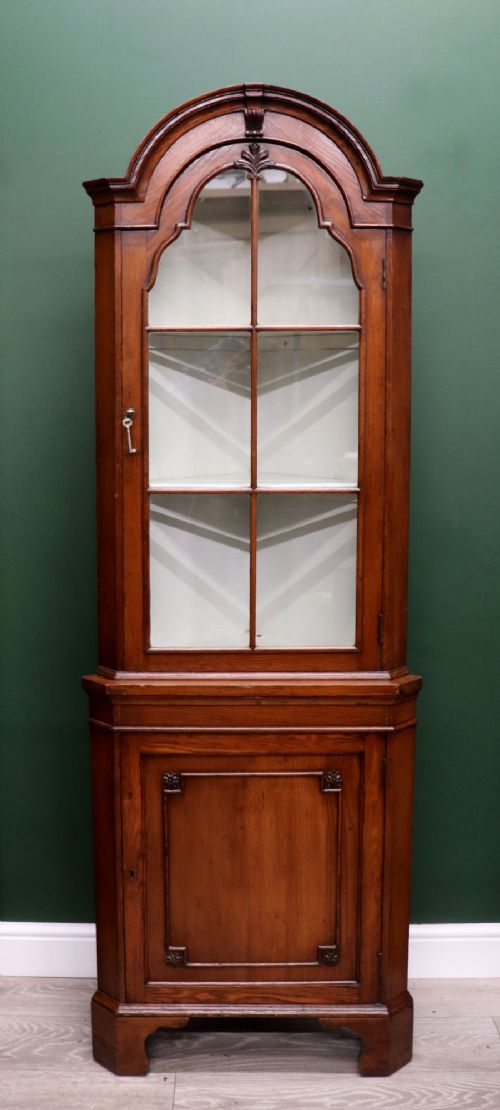
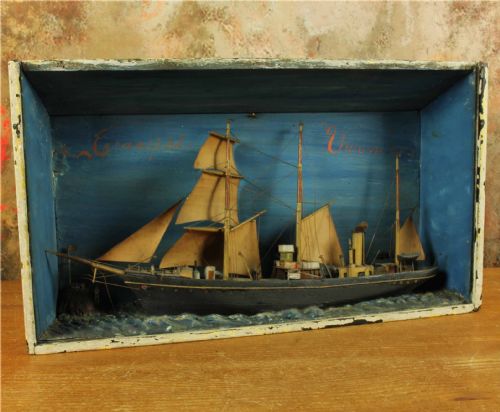
Antique Wooden Display Case
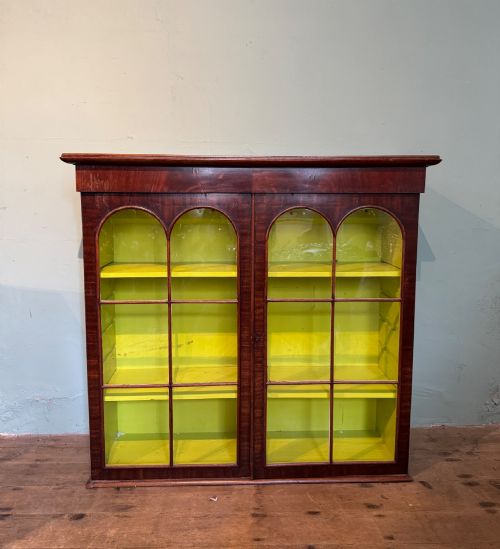
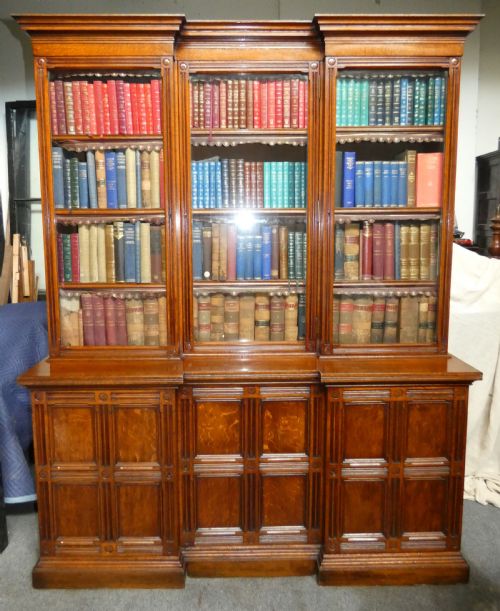
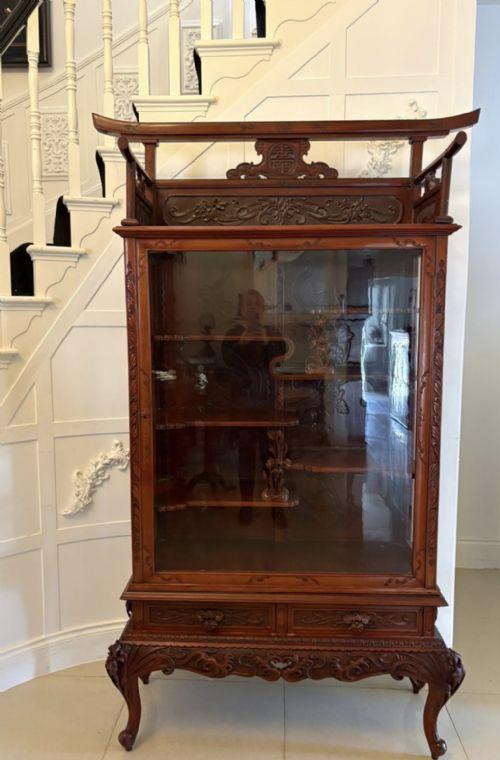
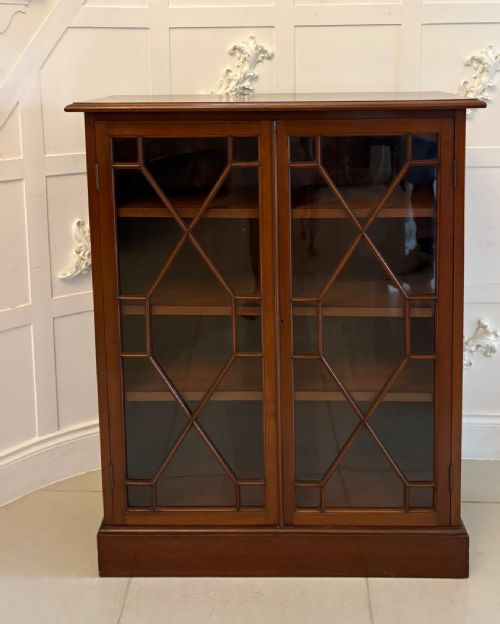
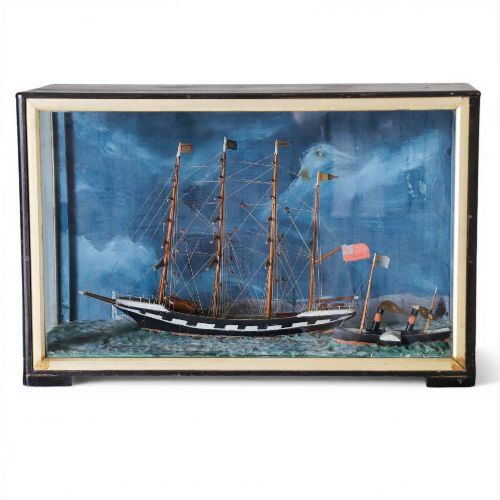
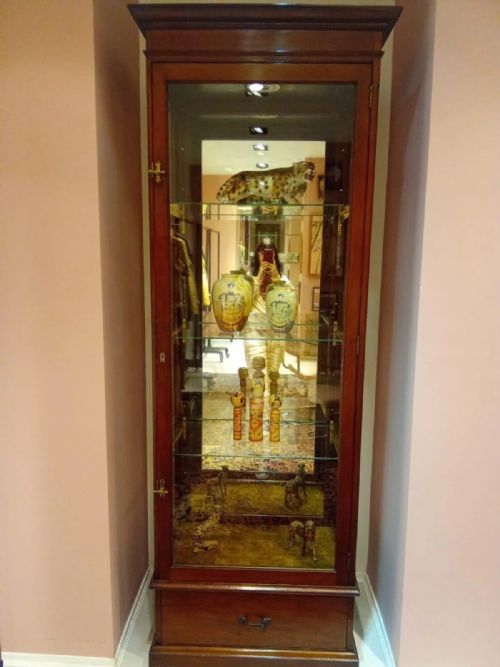
An antique wooden display case holds everything from maritime dioramas to glazed shop cabinets, offering a practical way to curate and protect precious items.
Antique Wooden Display Case
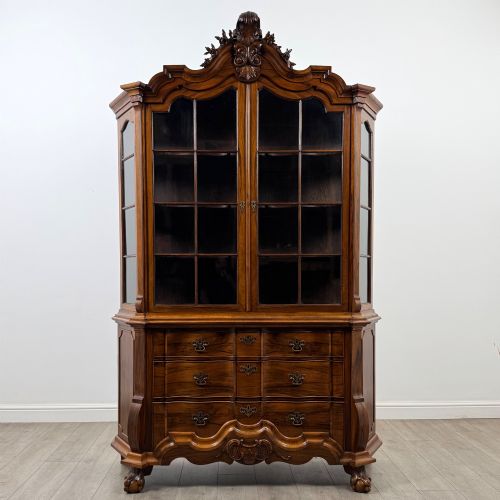
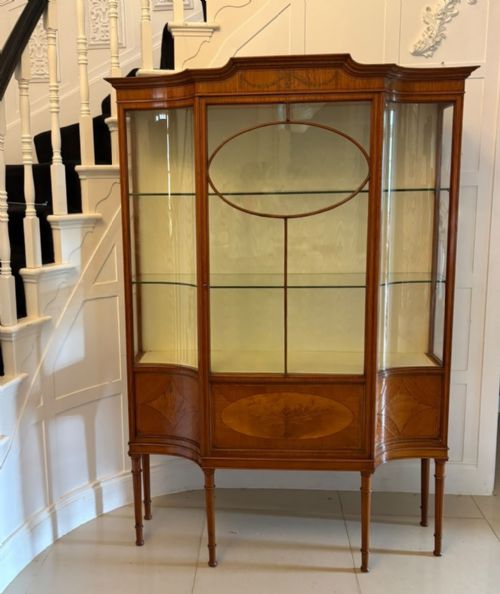
When searching for an antique wooden display case, buyers encounter a diverse selection ranging from Victorian and Edwardian glazed cabinets to specialised shop counters, corner cabinets and shadow box dioramas. These pieces originate from various periods including the nineteenth century, the Edwardian era and the nineteen-twenties, reflecting the changing interior requirements of different eras.
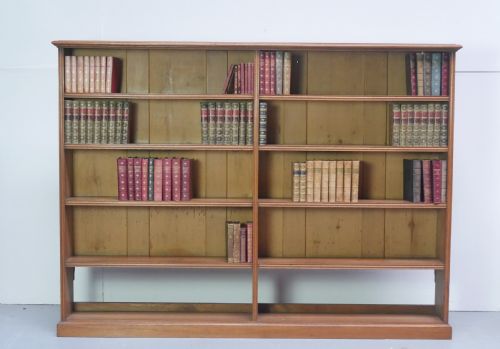
Floor-standing bookcases, wall-mounted display cabinets and tabletop glazed cases represent the primary forms seen. Many examples incorporate specialised interiors, such as adjustable glass shelves or fitted compartments designed for specific collections.
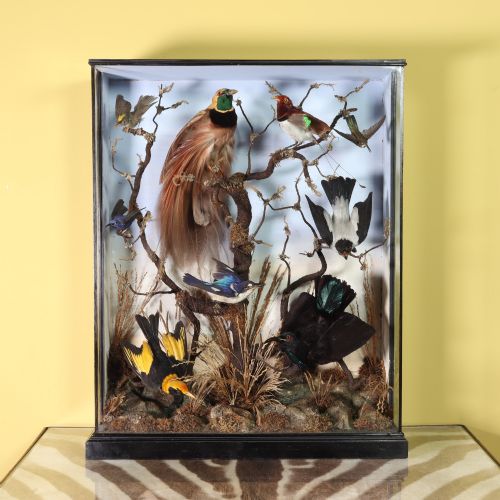
Other variations merge display functions with distinct forms like taxidermy cases, advertising cabinets and maritime dioramas. These functional pieces served trade, natural history collection and domestic decoration across the nineteenth and twentieth centuries.
How they were made
Construction relies heavily on timbers such as mahogany, oak, walnut and satinwood, frequently complemented by glass panes and brass hardware. Marquetry inlay, red lacquer and painted finishes appear on select pieces from specific stylistic revivals.
Makers utilised traditional cabinet-making techniques to house delicate contents securely, combining wooden framing with transparent glass viewing panels. Interior elements often feature adjustable shelving systems and fabric-lined backing boards to support the items on display.
Among the glass cases rest unusual historical survivors, including a taxidermied pet dog and a collection of stuffed birds from New Guinea.
What varies in quality
Quality rests on the selection of timber and the precision of the cabinetwork, where fine satinwood inlay and well-fitted doors elevate a piece. The clarity of the original glass panels and the integrity of internal fittings also define the standard of execution.
Pieces that retain sophisticated proportions and specialised elements, such as adjustable glass shelves or detailed brass mounts, demonstrate higher levels of craftsmanship than utilitarian storage boxes.
J Griffiths of Burford·T. E. Gunn·S. King·Hutchings of Aberystwyth
The Antique Wooden Display Case Glossary
- Vitrine
- A glass-fronted cabinet designed for displaying fine objects or porcelain. These cases often feature ormolu mounts and delicate wooden framing.
- Diorama
- A three-dimensional scene housed inside a wooden box or case, frequently depicting maritime vessels, sailing ships or taxidermy specimens. The internal composition creates a sense of depth and perspective.
- Marquetry
- Decorative woodwork where small pieces of contrasting veneer are fitted into a design on the surface of a cabinet. This technique appears on fine satinwood and walnut pieces from the Victorian and Edwardian periods.
- Haberdashery cabinet
- A commercial display unit featuring multiple glass-fronted drawers or doors designed for retail merchandise. These pieces provide organised visibility for small goods and collector items.
- Ormolu
- Gilt bronze mounts applied to the exterior of cabinets and vitrines for decorative effect. This metalwork characterises select nineteenth-century display pieces.
Antique Wooden Display Case: Frequently Asked Questions
What periods do these cases come from?
The available selection spans the nineteenth and twentieth centuries, including Victorian, Edwardian and nineteen-twenties examples. Different eras introduced distinct timber preferences and decorative styles.
Craftsmanship evolved from heavier nineteenth-century constructions toward lighter Edwardian satinwood and commercial display formats by the nineteen-twenties.
How were these cases originally used?
These cabinets served multiple functions in homes, shops and museums. Retailers utilised countertop and haberdashery units for goods, while households displayed books, ceramics and collections.
Specialised enclosures also protected taxidermy specimens and detailed model ships from dust and damage.
Are the shelves adjustable?
Many larger bookcases and shop display cabinets feature adjustable shelving systems to accommodate varying object heights. This flexibility allowed owners to alter the internal arrangement for different collections.
Fixed shelving remains more common in smaller tabletop cases and specialised diorama boxes.
What woods should I look for?
Mahogany, oak, walnut and satinwood appear frequently across the listings. Each timber brought different grain patterns and colour tones to the furniture.
Cabinet-makers matched these woods to specific stylistic movements, using dark mahogany for traditional forms and bright satinwood for Sheraton Revival pieces.