



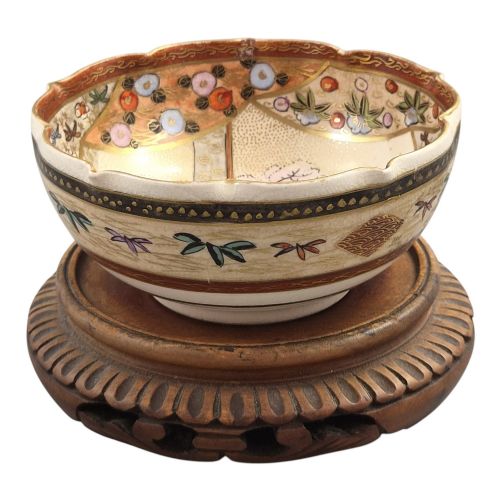
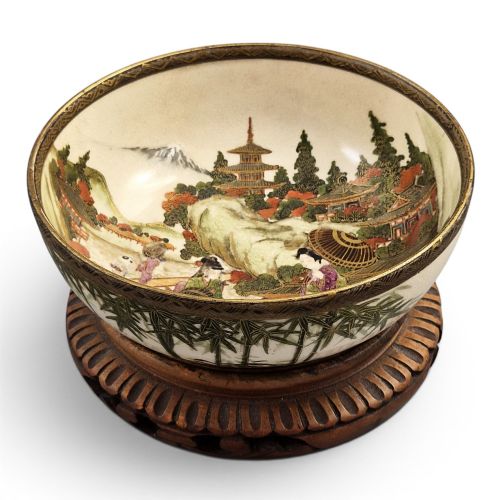


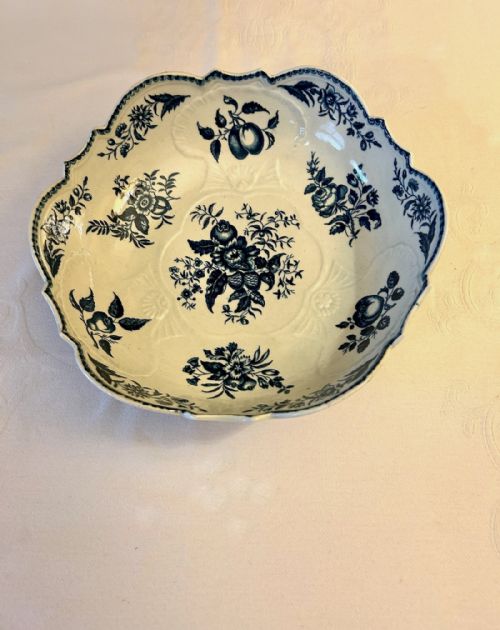
Glazed Porcelain Dish
A glazed porcelain dish brings centuries of ceramic artistry to a table, offering both vibrant hand-painted colour and practical form.
Glazed Porcelain Dish
When searching for a glazed porcelain dish, collectors encounter a diverse range of objects spanning multiple centuries and global kilns. These items include deep bowls, shallow plates, chargers, and decorative tazzas created for display or dining.
Victorian and Edwardian British examples sit alongside earlier Chinese Kangxi period pieces and Japanese Satsuma wares. Buyers meet both refined porcelain and related ceramic bodies treated with high-fired glazes.
Materials and technique
Potters combined fine white clay and mineral rocks to form the dense ceramic body before applying fluid mineral glazes. Kiln firing vitrified the mixture into a durable, non-porous surface capable of holding lustrous finishes.
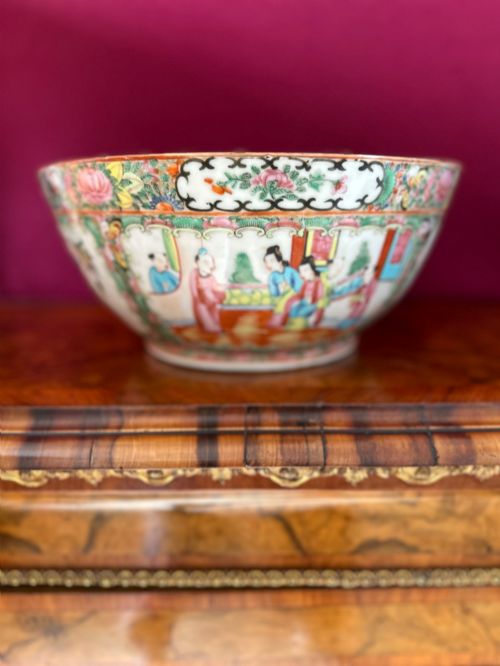
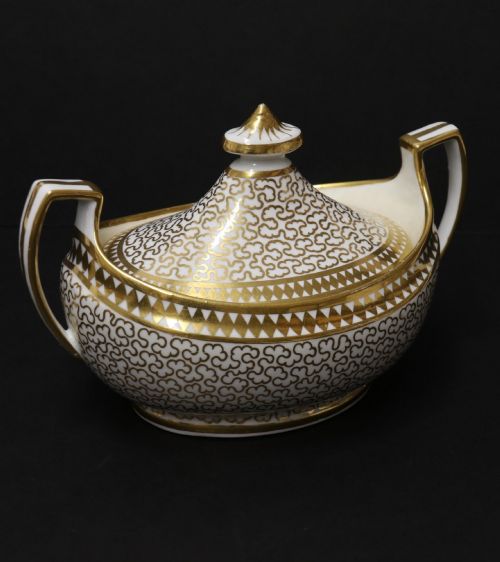
Decorators applied cobalt blue pigments under the glaze or used overglaze enamels and gold leaf to build intricate patterns. Artisans also utilised moulded relief work and carved floral scrolls directly into the damp clay before firing.
Glazed Porcelain Dish Retail Price Guide 2026
Typical asking prices for glazed porcelain dish among the pieces listed under this phrase on Sellingantiques today, from the lower quarter to the upper quarter. They describe what is for sale here now, not the wider market.
The inventory spans Victorian, Edwardian, Art Deco, and 18th-century periods alongside Qing Dynasty and Meiji period wares.
Judging execution and finish
The refinement of the painted detail and the crispness of moulded motifs distinguish exceptional items from standard production. Superior examples display precise brushwork, controlled glaze pooling, and balanced composition across the surface.
The depth and brilliance of the glaze, particularly in lustres and iron-red applications, indicate the skill of the kiln master. Potter marks and artist signatures provide further evidence of individual studio execution.
Coalport·Meissen·Royal Worcester·Chamberlains Worcester·Kinkozan·Wedgwood·Minton
The Glazed Porcelain Dish Glossary
- Celadon
- A transparent green or grey-green glaze over a pale ceramic body, often featuring subtle crackle lines. This finish originated in ancient China and mimics the appearance of jade.
- Imari
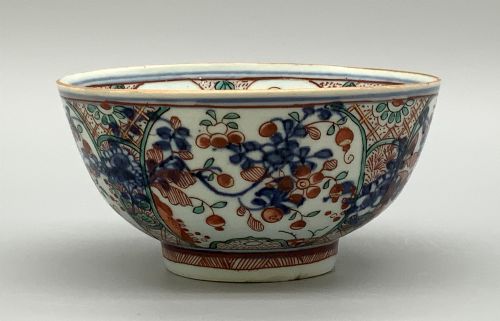
- A traditional Japanese style of decorative porcelain featuring a distinct palette of underglaze blue, iron red, and gilt highlights. The designs typically incorporate complex floral and brocade patterns.
- Tazza
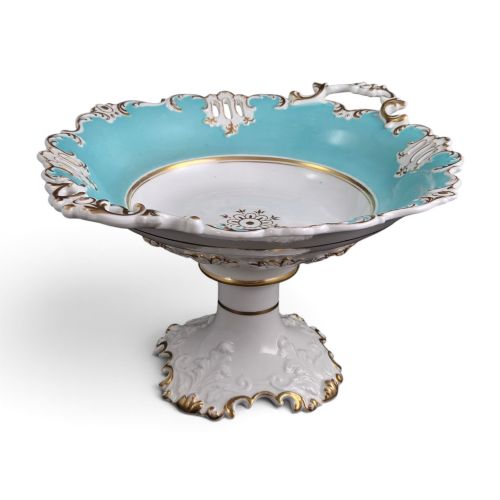
- A shallow ornamental dish or bowl raised on a central foot or pedestal. These stemmed vessels were traditionally used to serve fruit or confections at formal dining tables.
- Lustreware
- Pottery or porcelain finished with a metallic glaze that produces an iridescent, glowing sheen. This technique relies on thin metallic films applied over the fired surface.
- Chinoiserie
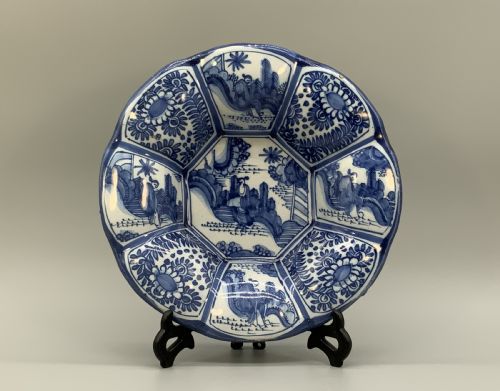
- European artistic style reflecting Chinese aesthetic influences, commonly seen in blue and white painted tablewares. Artisans rendered imaginary oriental landscapes and figures on local ceramic bodies.
Glazed Porcelain Dish: Frequently Asked Questions
How are antique glazed porcelain dishes best displayed?
Plates and chargers look striking mounted on walls using secure wire hangers or supported on sturdy plate stands within cabinets. Deeper bowls and tazzas function well as standalone centrepieces on dining tables or sideboards.
Positioning items away from direct sunlight preserves the vibrant enamel colours and gold leaf highlights over time. Gentle placement on felt-lined surfaces prevents scratching to the base and rim.
Can these antique dishes still be used for food?
Most antique glazed porcelain pieces serve primarily as decorative objects rather than functional tableware. Older glazes can contain trace elements that make modern food use unsuitable.
Hand washing in warm water with mild soap protects the delicate overglaze enamels and metallic gilding from harsh detergents. Dishwriters and abrasive scrubbers must be avoided entirely to preserve the antique finish.
What is the difference between porcelain and earthenware?
Porcelain is fired at extremely high temperatures using fine kaolin clay, resulting in a vitrified, non-porous material that often appears translucent. Earthenware utilises coarser clay fired at lower temperatures, producing a more porous body that requires a glaze to hold liquids.
Many antique listings group ceramics broadly, but porcelain rings slightly when tapped and resists staining compared to softer earthenware bodies.
How do I identify the period of a dish?
Makers' marks, backstamps, and painted signatures stamped into the base offer the most reliable clues for dating. Stylistic indicators, such as Art Deco geometric forms or Victorian floral motifs, also point to specific eras.
Comparing the potting style, glaze consistency, and weight with documented examples helps narrow down the decade of manufacture.