

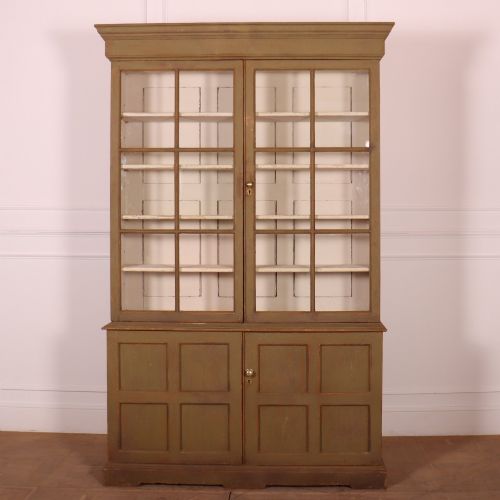
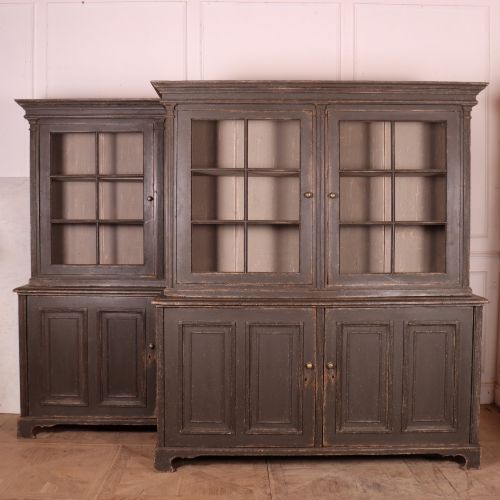
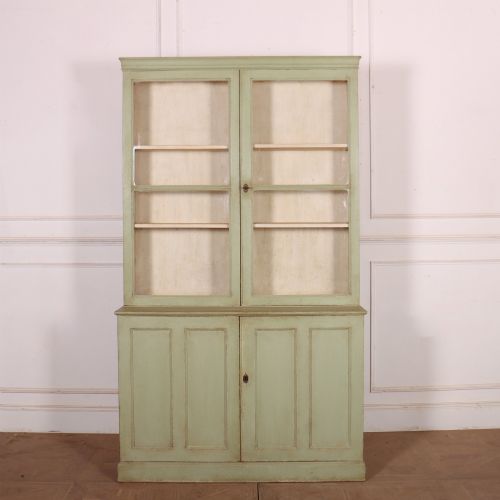
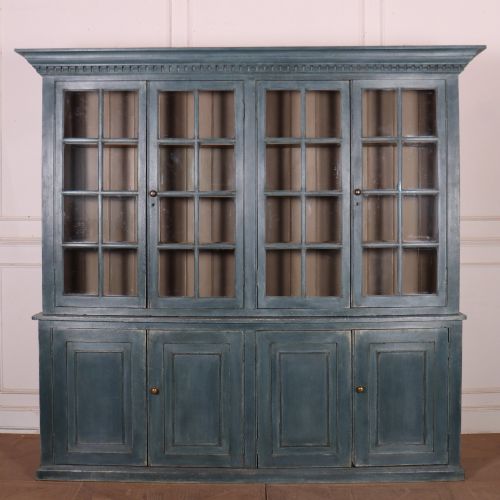
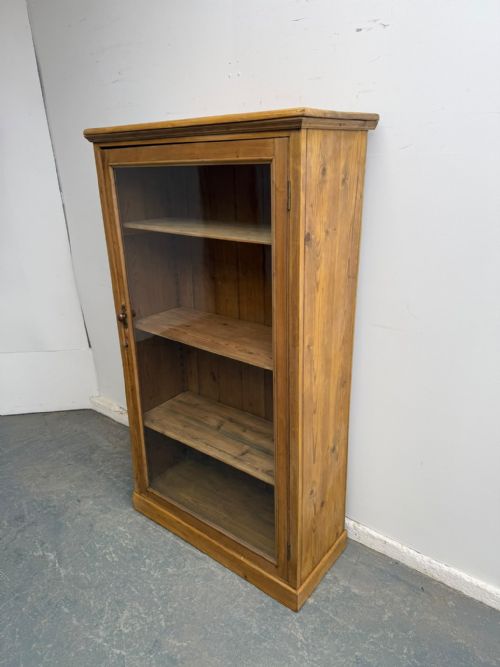
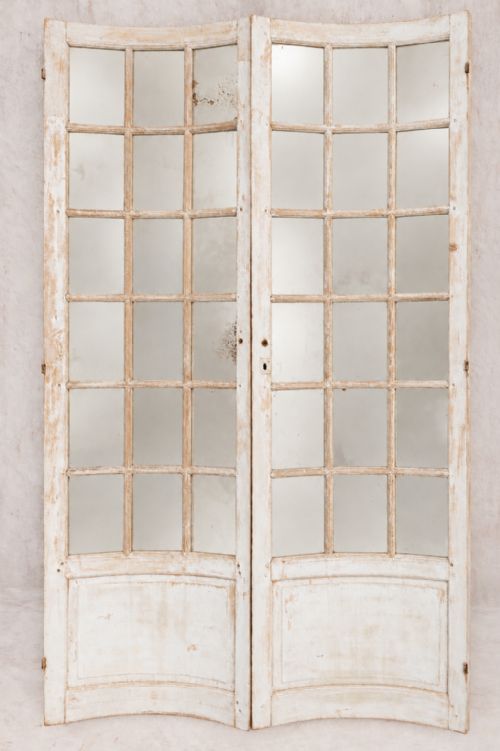
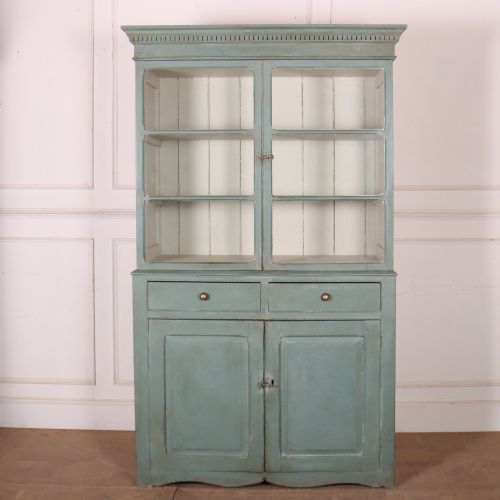
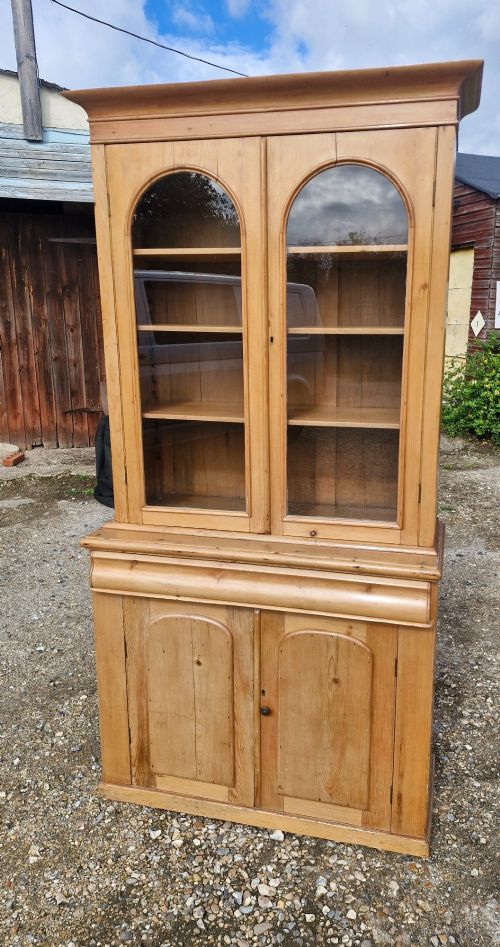
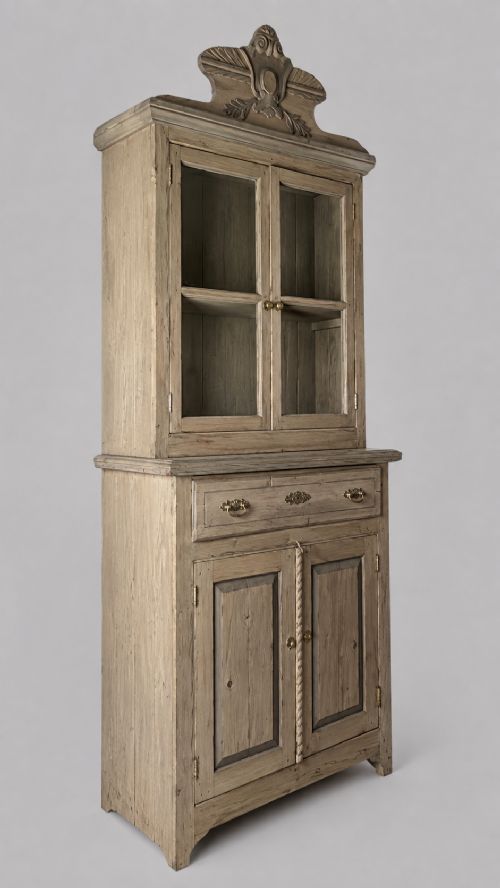
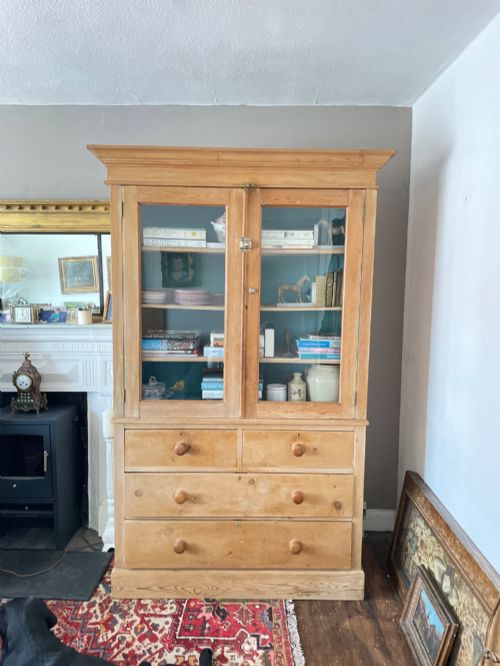
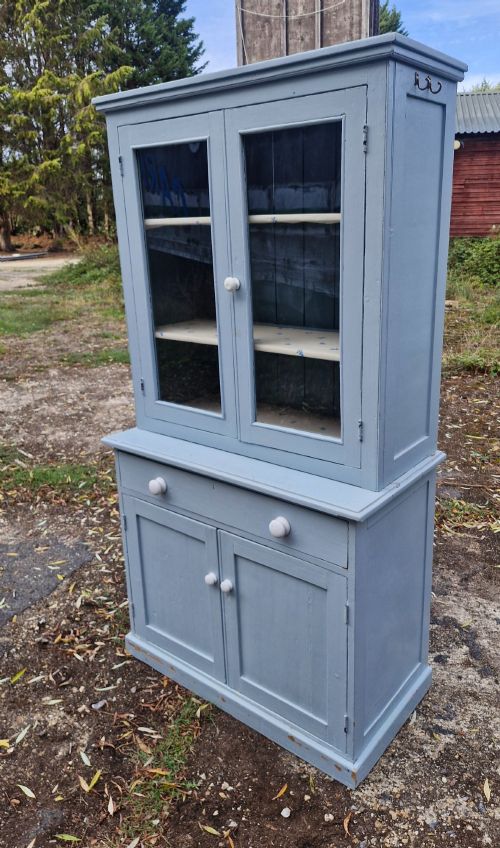
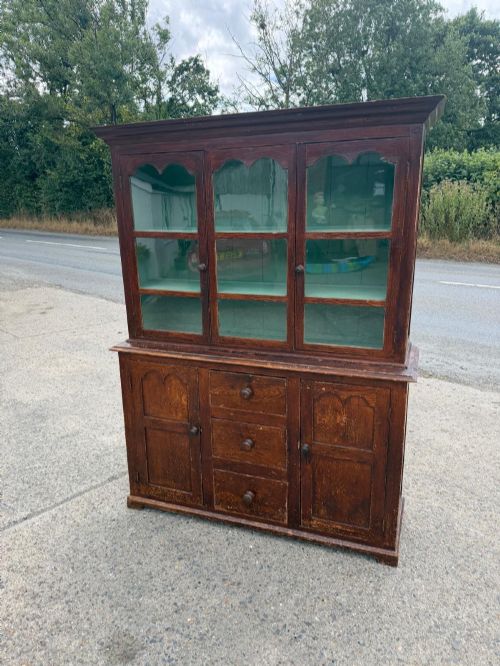
Glazed Pine Doors
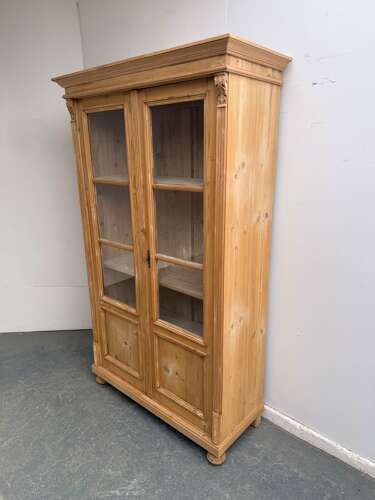
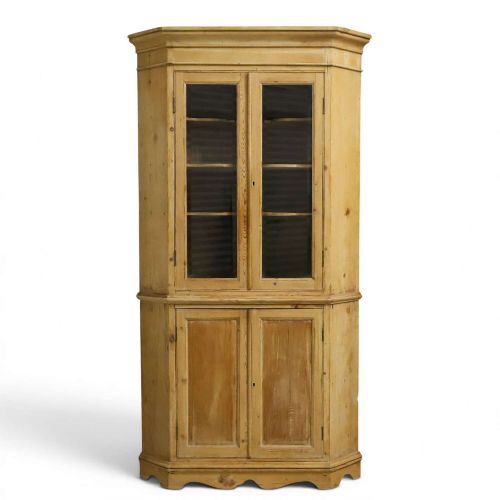
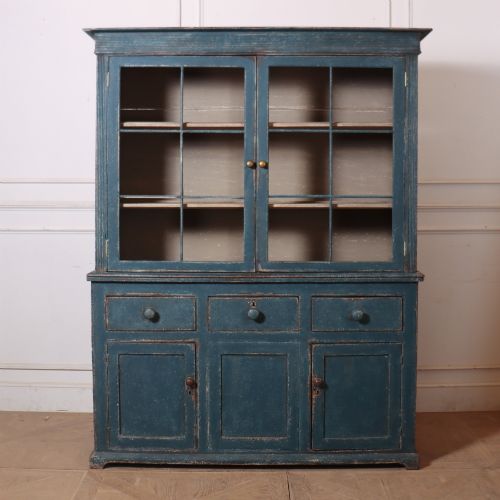
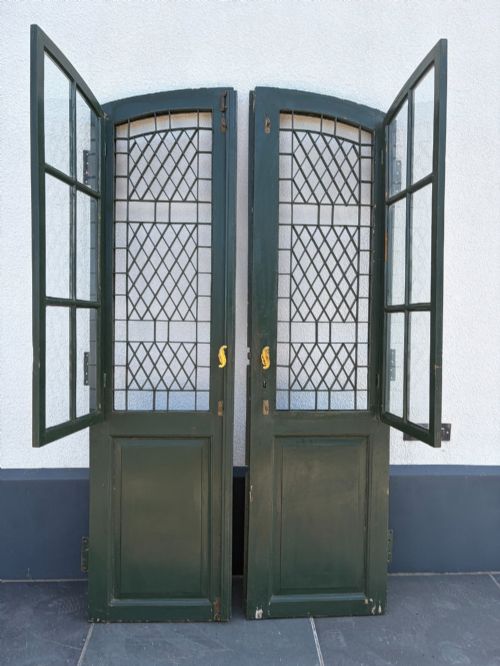
These glazed pine doors bring practical division and clear light to an interior, combining sturdy timber frames with glazed upper panels.
Glazed Pine Doors
When searching for glazed pine doors, a buyer encounters architectural timber joinery designed to separate rooms while letting daylight pass through the glass sections. The options span nineteenth century examples up through early twentieth century pieces, reflecting vernacular building traditions.
Most entries belonging to this group take the form of architectural double doors or single room dividers, frequently featuring glass panes set above raised wooden panels. Painted surfaces and waxed finishes appear regularly across the surviving stock.
Origins stretch across British and continental workshops, including French provincial and English country joinery. These pieces suit domestic restoration projects where period character matters.
How they were made
Makers constructed these joinery pieces using solid pine frameworks joined with traditional mortise and tenon joints to withstand daily movement. Glass panes were secured into rebated timber frames using wooden glazing bars or putty.
Surface treatments rely on oil-based paints, traditional wax preparations, or bare stripped timber depending on the regional workshop tradition. Iron and brass hardware such as hinges and latches completed the assembly.
Glazed Pine Doors Retail Price Guide 2026
Typical asking prices for glazed pine doors among the pieces listed under this phrase on Sellingantiques today, from the lower quarter to the upper quarter. They describe what is for sale here now, not the wider market.
Several glazed utility doors retain hints of old bathroom paint schemes hidden beneath layers of later workshop wax.
What varies in quality
The standard of timber selection and the precision of the joinery define the upper tier of these pieces. Straight-grained pine without excessive knotting provides greater structural stability over decades of opening and closing.
Original hardware, intact period glass, and cleanly proportioned glazing bars distinguish finer architectural examples from simpler utility doors. The integration of painted layers or well-maintained waxed finishes further separates finer workshop output.
The Glazed Pine Doors Glossary
- Glazing bar
- A slender wooden strip that holds individual glass panes within a sash or door frame. These bars form the structural grid of the window portion.
- Mortise and tenon
- A traditional woodworking joint where a projecting tongue fits snugly into a corresponding cavity. This method provides robust frame stability.
- Rebate
- A rectangular recess cut along the edge of a timber frame to receive glass panels or mating doors. It ensures a flush fit.
- Waxed finish
- A protective coating applied to bare timber using natural waxes to enrich the grain. This treatment produces a soft sheen rather than a glossy film.
Glazed Pine Doors: Frequently Asked Questions
How do I date an old pine door?
Dating relies on examining the construction methods, tool marks left on the timber, and the type of glass fitted in the upper panels. Hand-sawn boards and early hardware styles often point towards nineteenth-century origins.
Later pieces from the early twentieth century display more standardised machine milling and different glass manufacturing textures. Comparing the proportions to known regional styles helps narrow down the period further.
Can these doors be repainted?
Many surviving examples carry layers of historic paint or stripped pine finishes that accept new coats readily. Preparation involves cleaning the surface and applying appropriate primers suited to the timber.
Retaining original painted surfaces is common if the patina holds historic value for the interior scheme. Modern breathable paints work well on older pine to prevent moisture trapping.
Are these doors suitable for internal use?
These pieces function primarily as interior architectural dividers, study entries, or bathroom doors within period homes. Their lightweight pine construction makes them ideal for internal partition walls.
External use requires additional weatherproofing and draught-proofing measures to protect the softer timber and historic glass. Most buyers install them to preserve sightlines between adjoining rooms.
What glass is typically found in them?
Original glazing often consists of float glass or older drawn sheet glass with minor surface ripples and bubbles. Some architectural examples feature etched glass panels for added privacy in utility spaces.
Replacement panes occasionally appear where historic glass has broken over the decades of use. Checking the panes helps determine the level of originality.