
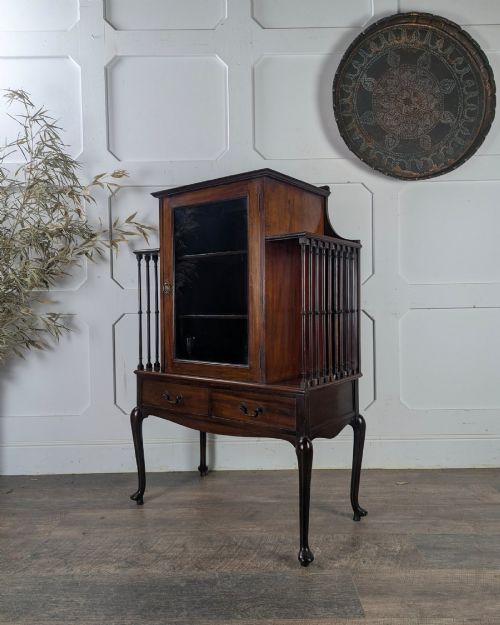
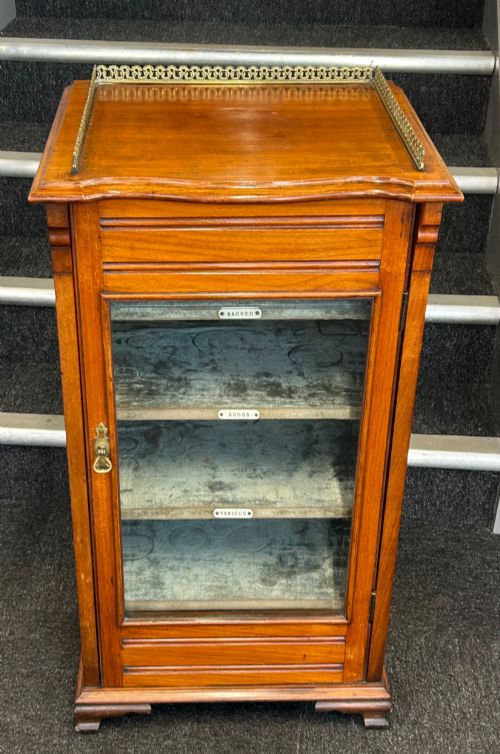
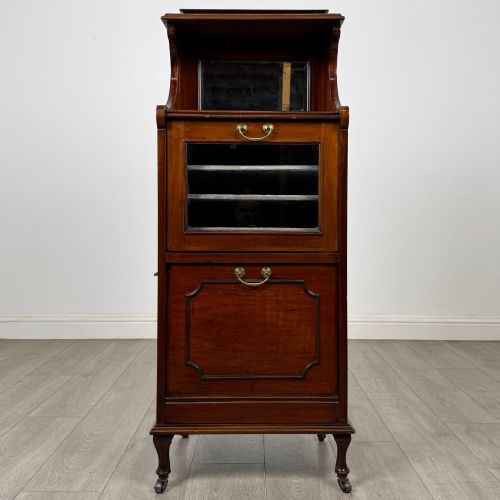
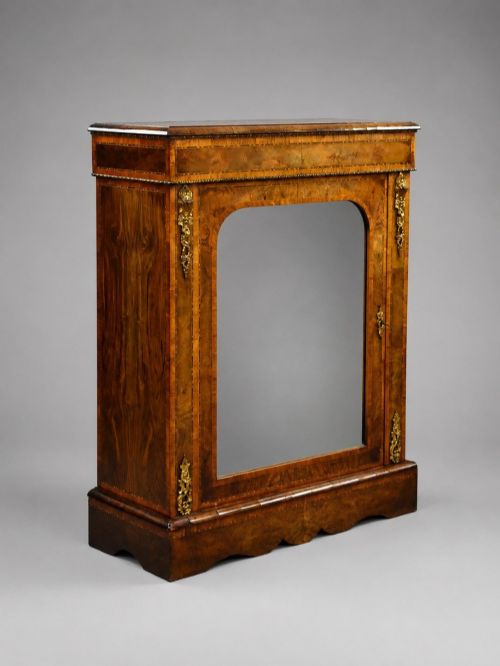
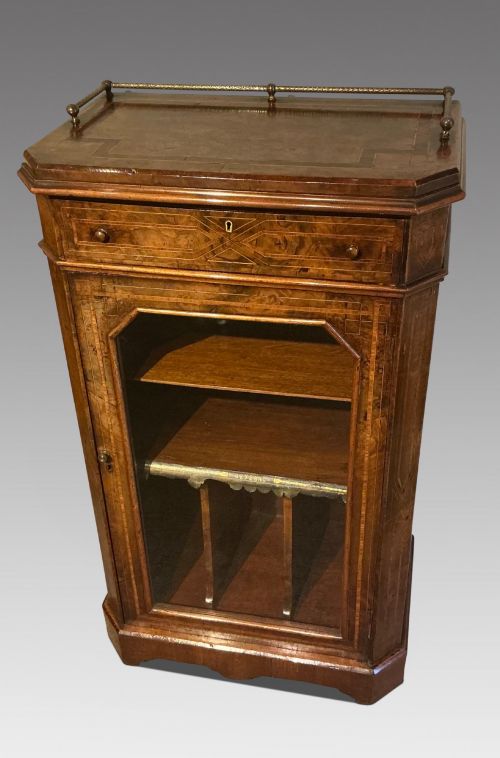


Glazed Music Cupboard
A glazed music cupboard brings refined storage for sheets and scores into the home, combining display glass with compartmentalised timber shelving.
Glazed Music Cupboard
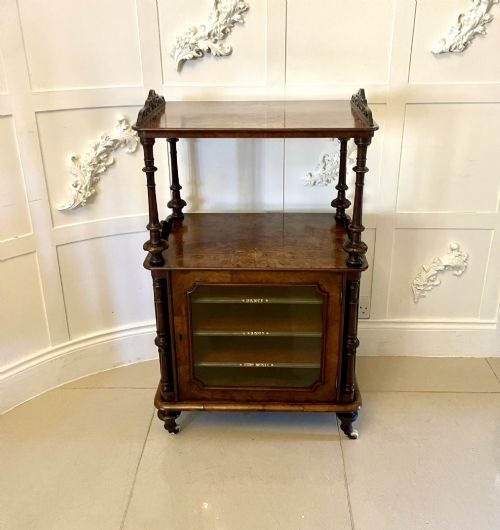
When searching for a glazed music cupboard, collectors encounter pieces primarily spanning the Victorian and Edwardian eras, alongside early twentieth-century examples. These items function as specialised storage units designed originally to house sheet music, often featuring glazed doors that allow the contents to be seen.
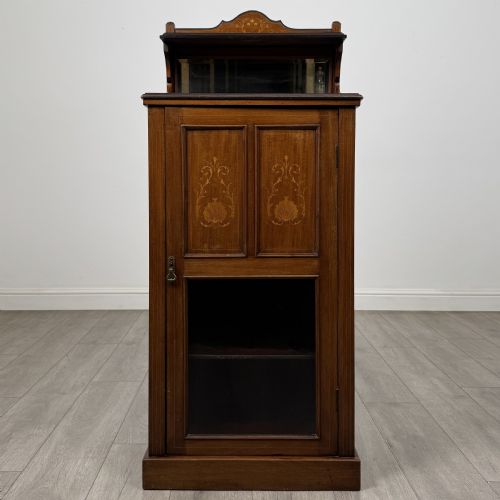
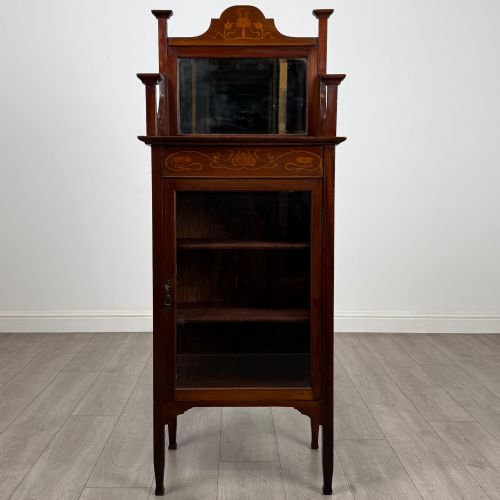
The form crosses over with display cabinets and pier cabinets, uniting domestic utility with parlour elegance. Mahogany and walnut dominate the selection, frequently enhanced by intricate inlay work and glass panels.
Most examples originate from the nineteenth and early twentieth centuries, reflecting the period's domestic musical culture. Buyers find both upright music cabinets and wider side cabinets adapted for this purpose.
Materials and construction
Cabinet makers utilised dense hardwoods such as mahogany, walnut, burr walnut, rosewood, and satinwood to construct these pieces. Timber selection dictated the structural integrity and provided a rich canvas for surface decoration.
Glass panels were fitted into doors to create display capabilities, while brass hardware served for handles, hinges, and locking mechanisms. Craftspeople frequently applied decorative inlay work to elevate the visual appeal of the mahogany and walnut surfaces.
Some pianist's lounge servers double as sophisticated places to conceal sheet music while showing off porcelain tea sets.
What separates the best from the rest
Quality in a glazed music cupboard rests upon the selection of timber veneers, such as burr walnut or yew wood, and the precision of any inlaid detailing. Superior examples exhibit refined proportions and careful timber matching across the facade.
The integration of the glass door and the internal shelving reveals the maker's hand. Higher grade specimens display robust brass fittings, tight joinery, and well-executed surface polishing that accentuates the natural grain of the rosewood or mahogany.
The Glazed Music Cupboard Glossary
- Burr walnut
- A highly figured timber harvested from the wart-like growths on walnut trees. It provides intricate patterns used for decorative veneer panels.
- Pier cabinet
- A low freestanding cabinet designed to fit against the narrow wall space between windows. These pieces often incorporate glass doors for display.
- Inlay
- A technique where contrasting woods or materials are inserted into recessed portions of a base timber to create patterns. Edwardian pieces frequently utilise this for floral or geometric motifs.
- Ebonized
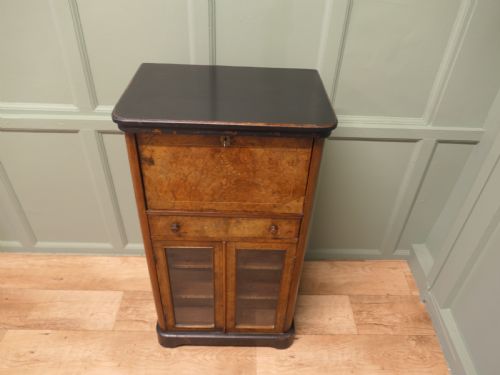
- Wood treated with a chemical stain or finish to imitate ebony. This dark finish appears on specific Victorian items.
- Satinwood
- A durable, yellowish timber prized for its lustrous sheen. Makers employed it for fine stringing and banding details on mahogany and rosewood bodies.
Glazed Music Cupboard: Frequently Asked Questions
What is a glazed music cupboard?
A glazed music cupboard is a specialist cabinet designed to store sheet music and scores behind a glass door. They combine the storage utility of internal shelving with the display function of a glass-fronted case.
These pieces date predominantly from the Victorian and Edwardian periods, constructed in timbers like mahogany and walnut.
How were music cabinets used?
These cabinets housed sheet music, folios, and musical scores in the drawing rooms and parlours of period homes. The internal compartments kept fragile paper organised and protected from dust.
Over time, many have transitioned to general display use, holding books, ornaments, or collections behind their glass panels.
How do I identify a Victorian music cabinet?
Victorian examples typically feature dark hardwoods such as burr walnut, rosewood, or ebonized finishes. They often display robust proportions and rich grain patterns.
Details like brass hardware and traditional joinery help distinguish these mid to late nineteenth-century pieces from later Edwardian reproductions.