
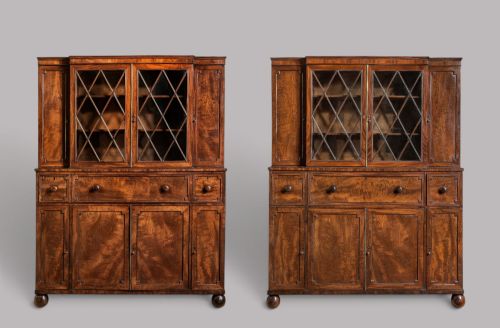
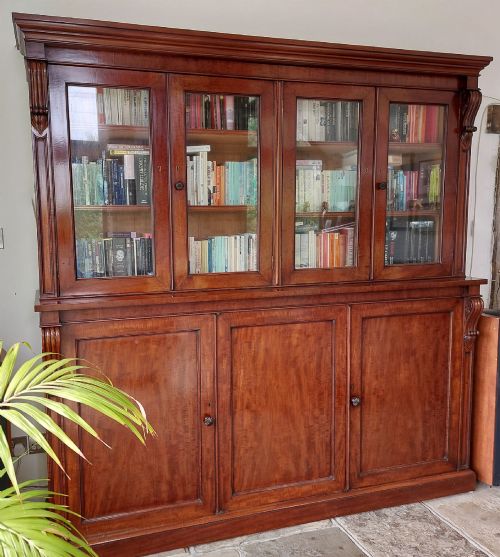
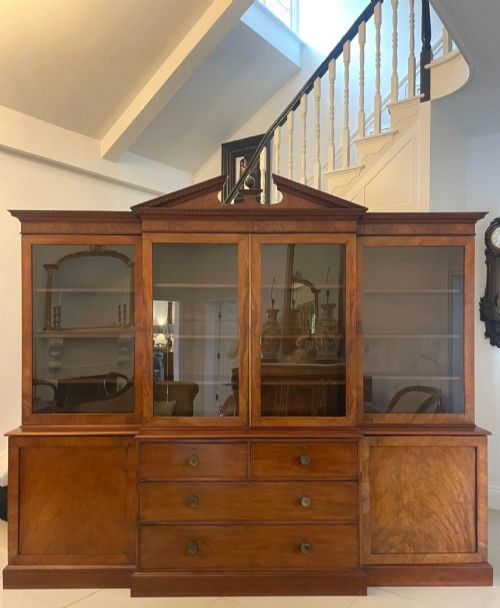
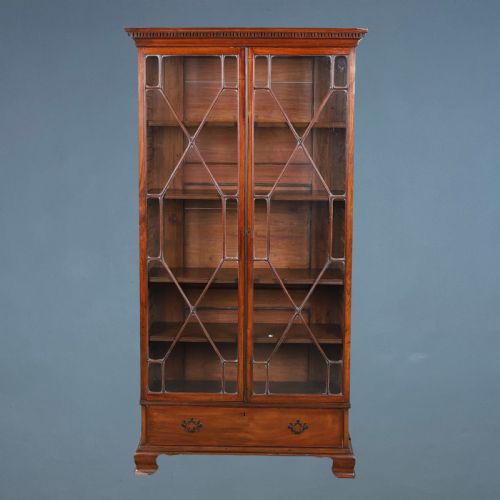
Glazed Library Cabinet
A glazed library cabinet protects valuable volumes behind glass doors while keeping them entirely visible for study.
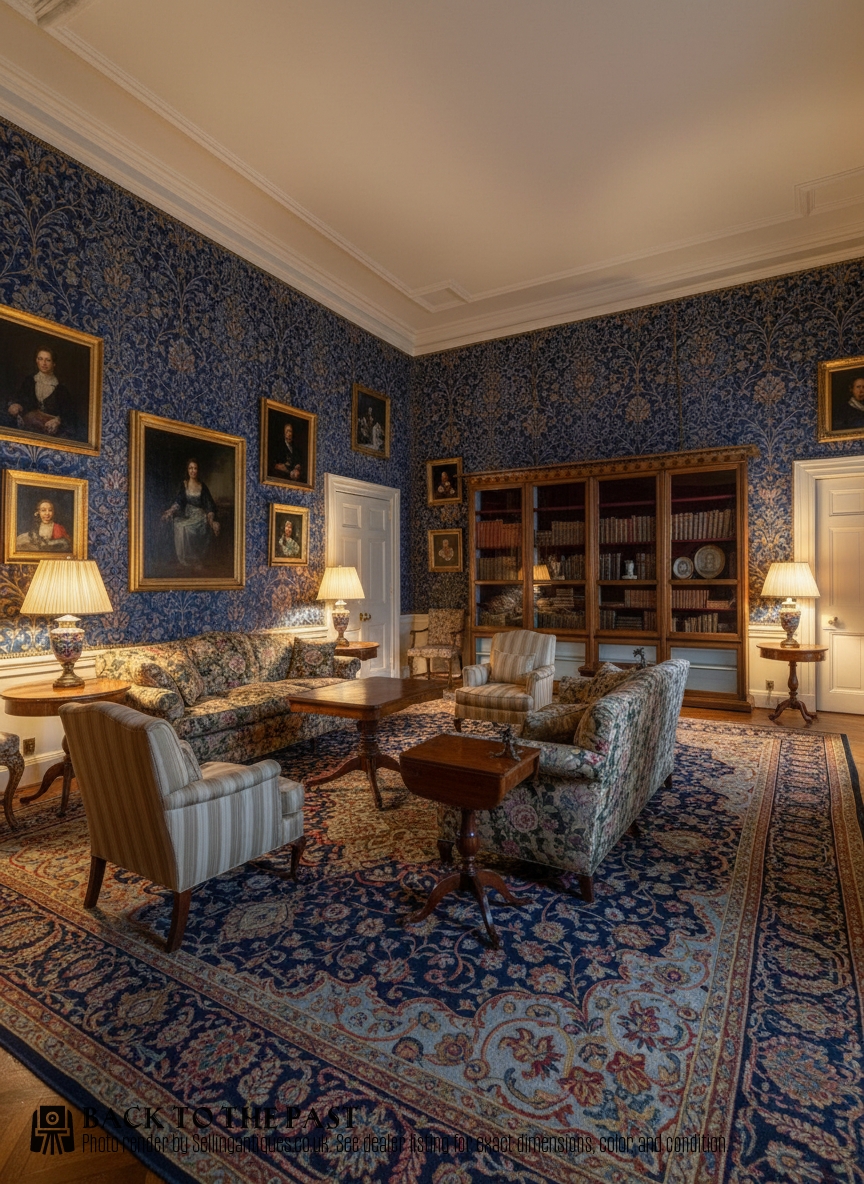
Glazed Library Cabinet
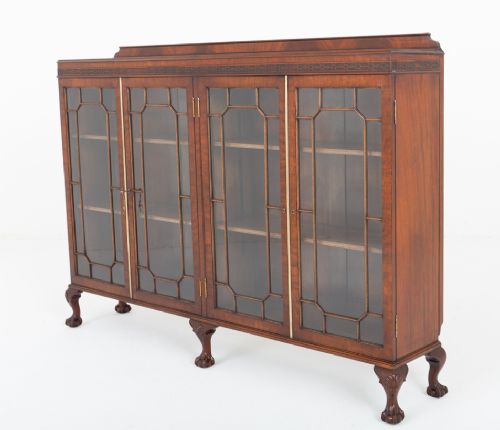
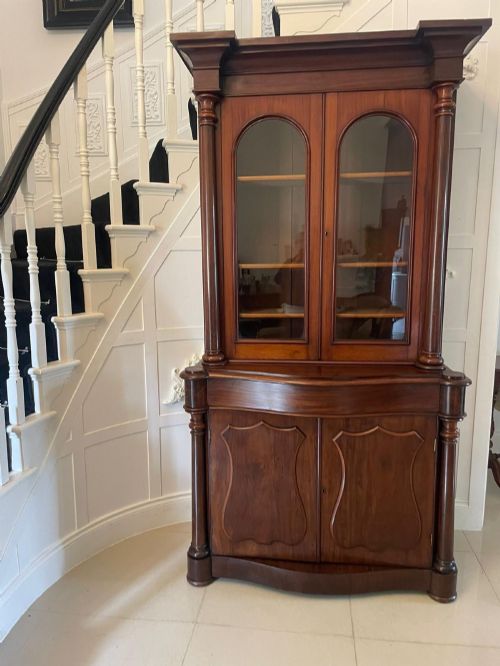
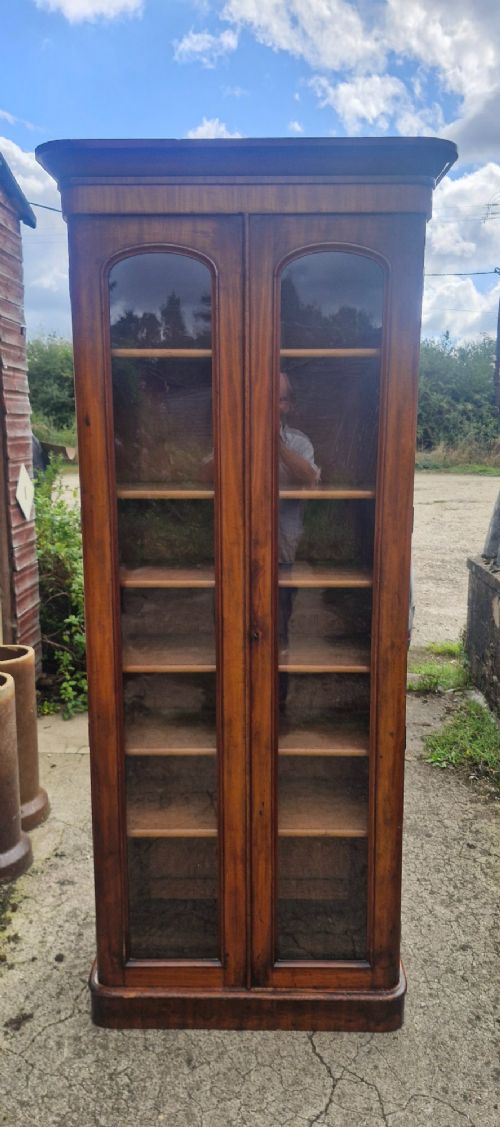
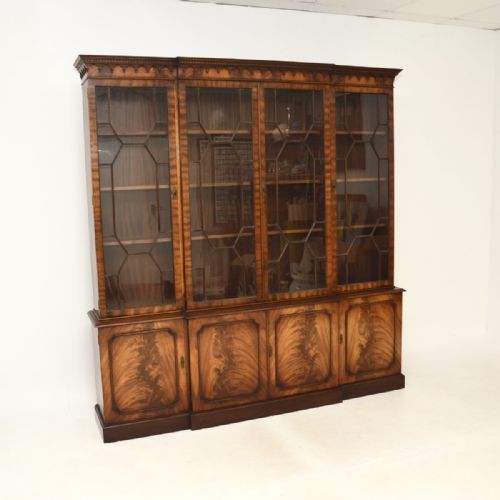
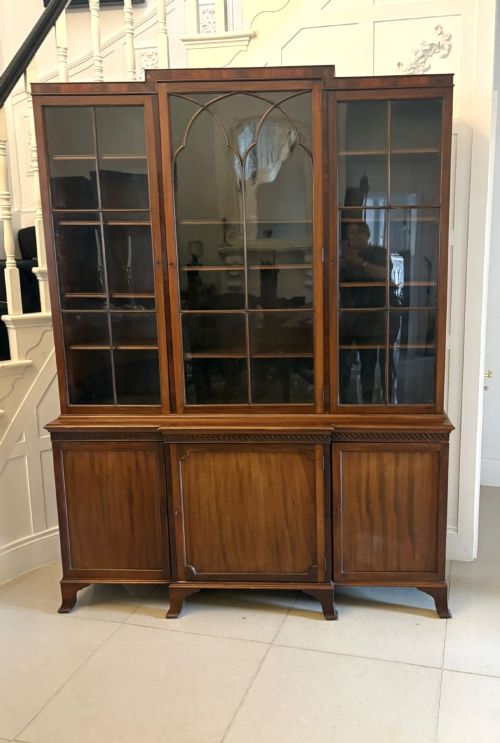
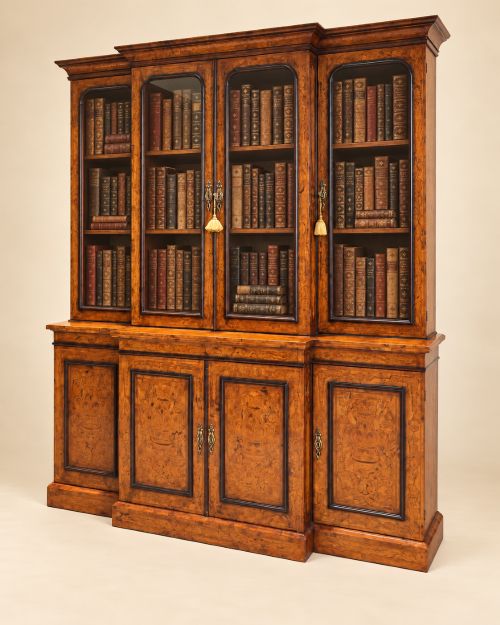
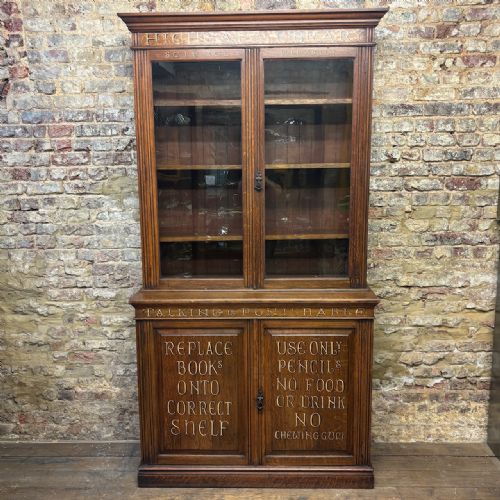
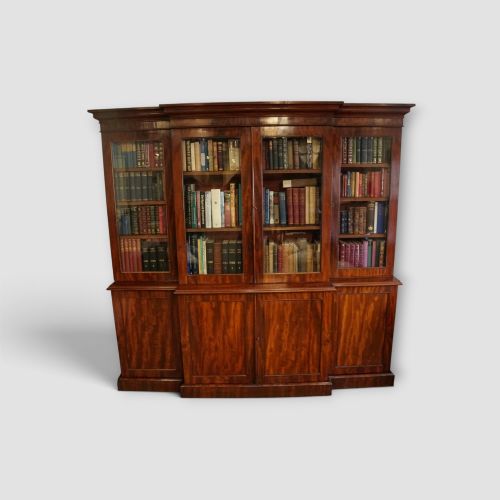
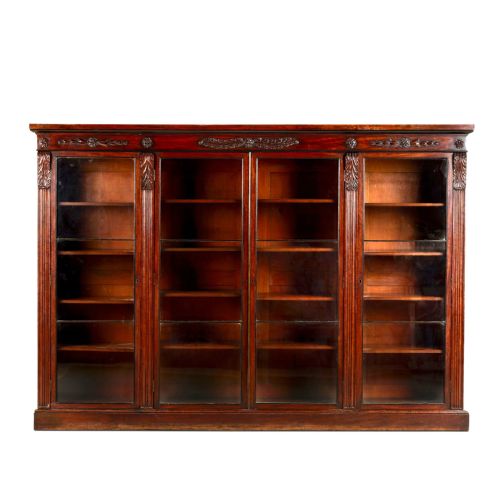
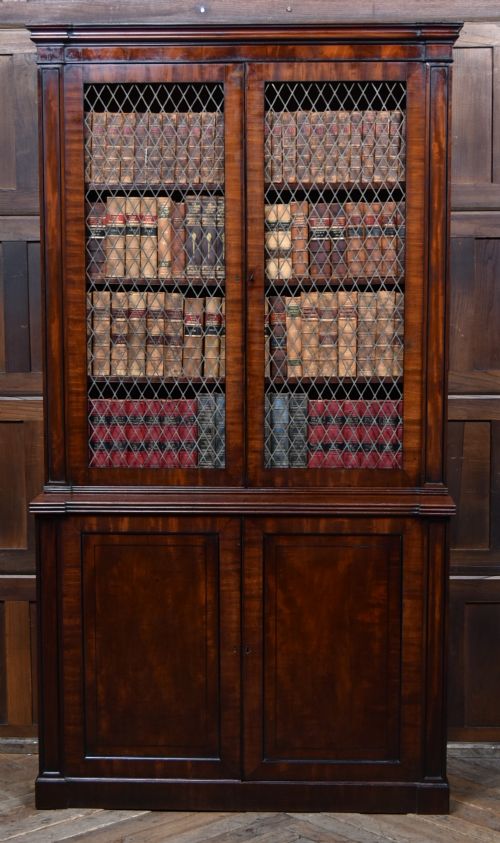
A glazed library cabinet is a tall timber storage piece designed specifically to house books, journals and papers while shielding them from dust and damp air. The most common examples found here date from the Victorian and Edwardian eras, constructed in substantial mahogany, walnut or oak with glazed upper doors.
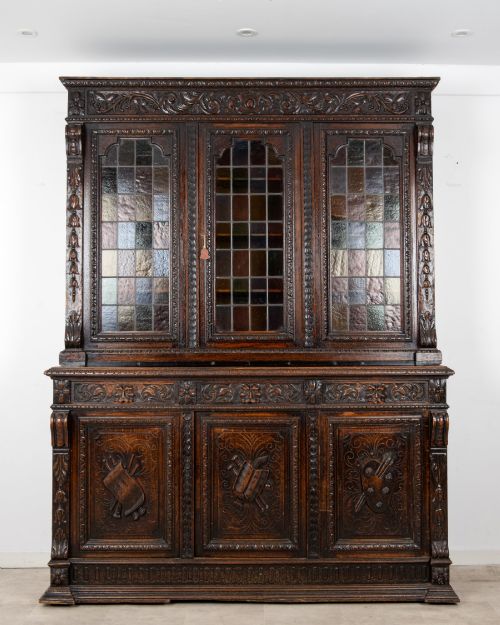
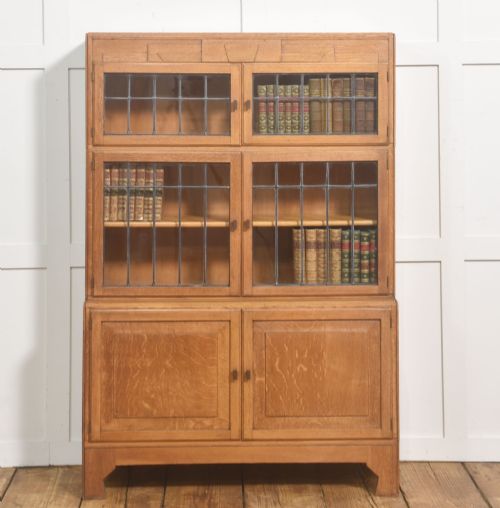
Makers designed these pieces for serious study spaces, often splitting them into a lower set of panelled wooden cupboards and an upper display section enclosed by glass. Many surviving items feature adjustable wooden shelves inside, allowing owners to alter the internal height to accommodate varying folio sizes.
The form spans formal Georgian breakfront configurations down to practical early twentieth-century stacking designs and school bookcases. Buyers searching for a glazed library cabinet typically want a substantial architectural anchor for a room that provides both functional storage and clear visibility for a book collection.
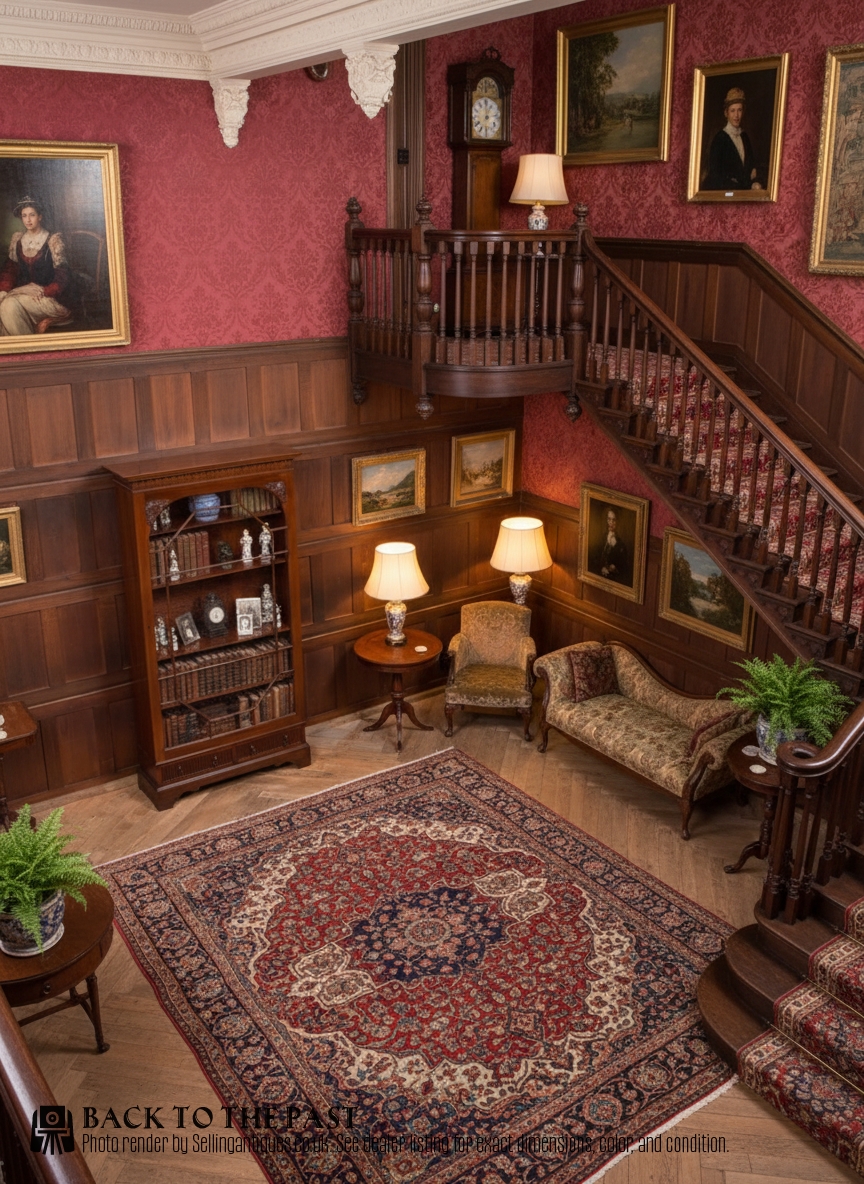
Materials and Construction Methods
Cabinetmakers relied heavily on dense hardwoods like mahogany, walnut and oak, frequently applying flame mahogany veneer over secondary pine or oak carcases to create striking figure on the principal display surfaces. Glazing frames required precise joinery to hold individual glass panes securely, sometimes utilising lead cames or delicate timber astragals to divide the window areas.
Brass hardware, including escutcheons, hinges and locking mechanisms, added functional security and visual contrast against the dark timber tones. Interior components such as shelf racks and movable brass pins demonstrated careful attention to utility, ensuring the heavy weight of large leather-bound volumes caused no structural sagging over decades of use.
Glazed Library Cabinet Retail Price Guide 2026
Typical asking prices for glazed library cabinet among the pieces listed under this phrase on Sellingantiques today, from the lower quarter to the upper quarter. They describe what is for sale here now, not the wider market.
Some Victorian bookcase doors hide adjustable shelves that have faithfully supported dusty ghost stories and forgotten gardening journals for well over a century.
Assessing Craftsmanship and Distinction
Quality separates mass-produced utility shelving from bespoke cabinetmaking through the choice of timber and the precision of its grain matching across door panels. Superior examples display thoughtful proportions, seamless jointing in the cornice mouldings, and hand-cut astragals rather than heavy, thick glazing bars.
The interior finish matters immensely at the upper end of the market, where makers lined the backboards with complementary wood or incorporated dust-sealing lips around the door rebates. Original glass panels containing authentic bubbles and variations add authenticity and visual depth that modern replacement panes simply lack.
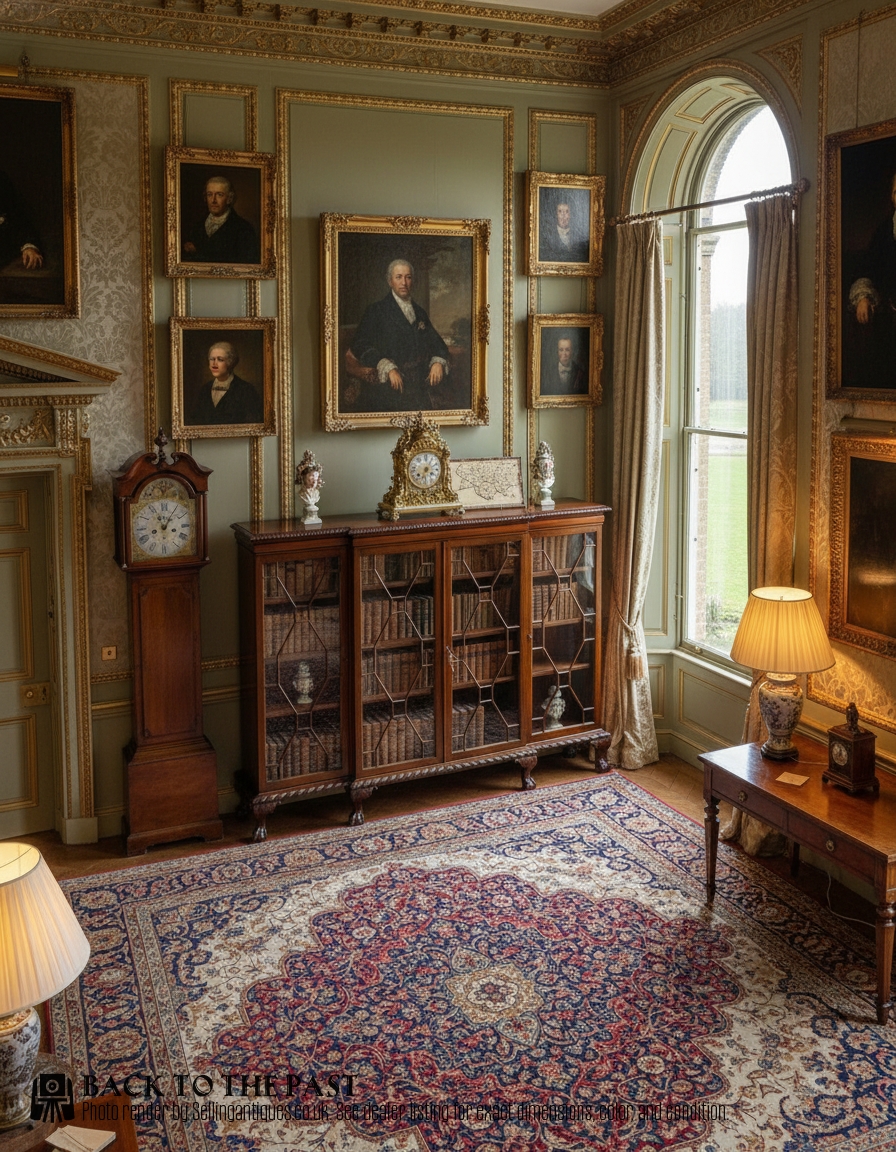
Gillows·Mercier Frères
The Glazed Library Cabinet Glossary
- Breakfront
- A cabinet design where the central section projects forward from the flanking outer wings, creating a strong architectural rhythm.
- Astragal
- A narrow moulding used to hold glass panes within a door frame, dividing the window into smaller geometric sections.
- Flame Mahogany
- A wood veneer cut from timber fork sections, producing a fiery, feather-like pattern prized for high-status furniture.
- Cames
- Slender strips of cast lead used to hold small pieces of glass together in leaded or stained glass cabinet doors.
- Escutcheon
- A protective metal plate surrounding a keyhole, frequently cast in brass to complement the surrounding woodwork.
Glazed Library Cabinet: Frequently Asked Questions
How do I tell Victorian from Georgian cabinets?
Georgian cabinets generally display restrained classical proportions, often utilising fine mahogany with delicate astragal glazing bars and subtle string inlay. They lean toward architectural symmetry and understated elegance.
Victorian pieces tend to be heavier and more robust, sometimes incorporating revival styles like Gothic pointed arches or richly figured walnut and flame mahogany veneers. They frequently feature deeper cornices and bolder mouldings than their eighteenth-century predecessors.
Can I adjust the shelves inside?
Many period library cabinets feature adjustable wooden shelving supported by brass rack strips or wooden ratchets affixed to the interior carcase sides. This system allows owners to shift shelves up or down to suit large folios or smaller octavo volumes.
Not every antique cabinet includes this feature, as simpler or earlier models occasionally relied on fixed shelving secured directly into the cabinet walls. Checking the interior sides reveals whether the shelves were built for permanent placement or flexible arrangement.
Where should I place one at home?
These large cabinets require stable wall space away from direct sunlight and strong heat sources to protect dry book bindings and sensitive timber veneers. Placing them in a study, home office or living room provides the balanced environment wooden furniture needs to prevent warping.
Because many library cabinets stand quite tall and heavy, positioning them against a solid wall ensures absolute stability. Allowing sufficient clearance in front of the cabinet also ensures the glazed doors can swing open comfortably for daily access.