


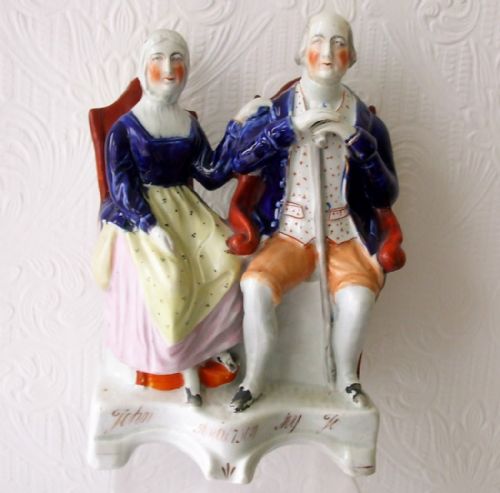


Glazed Earthenware Portrait Figure
These glazed earthenware portrait figure options capture statesmen, monarchs and literary subjects in ceramic, offering characterful shelf appeal.
Glazed Earthenware Portrait Figure
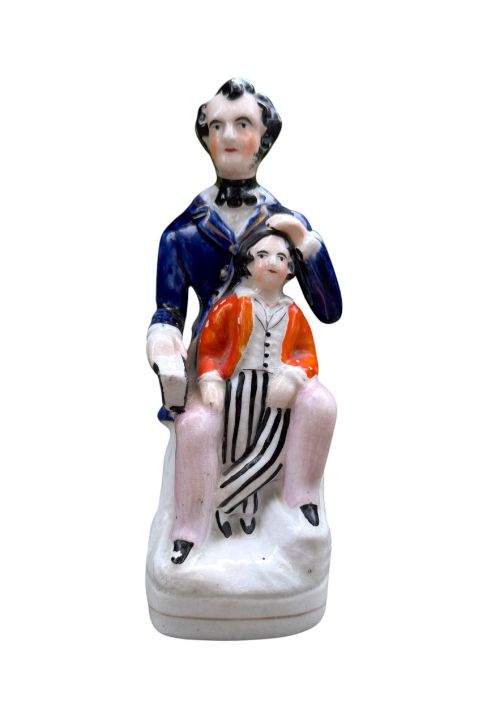
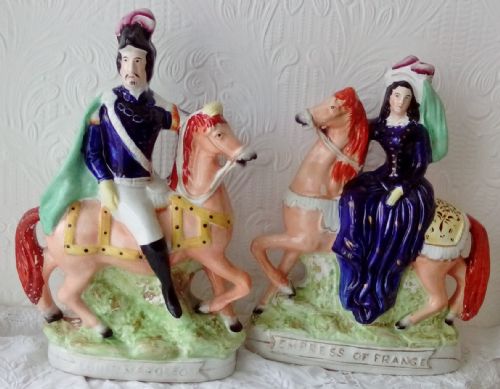
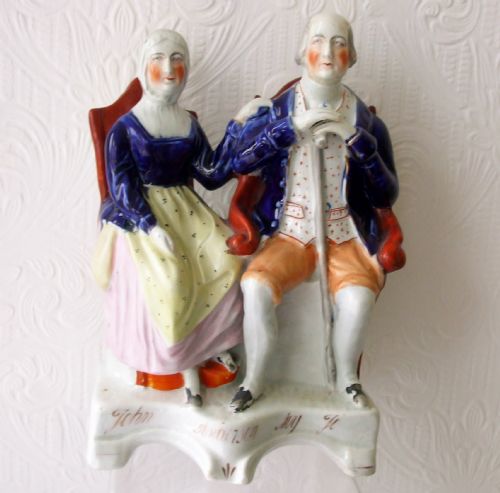
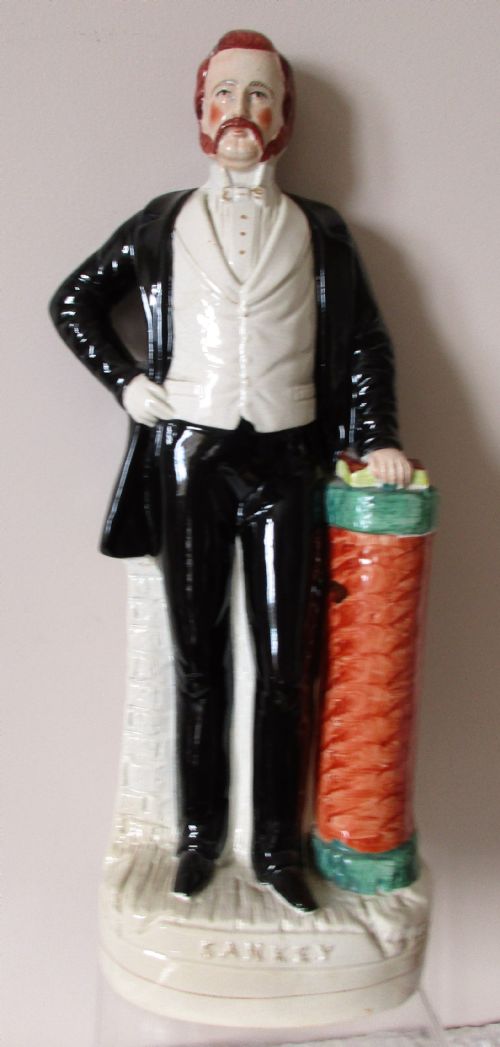
A glazed earthenware portrait figure depicts recognisable historical, royal or literary personages from the Georgian and Victorian eras. These ceramic likenesses served as domestic mantelpiece ornaments, celebrating figures ranging from Queen Victoria to Admiral Sir Charles Napier.
The pieces on this page span the nineteenth century, including specific decades such as the eighteen-eighties and eighteen-seventies alongside broader Victorian and Georgian styles. Common forms include standing decorative figurines, portrait groups, flatback figures and decorative busts.
Makers immortalised political allies, military leaders and popular characters like John Anderson My Jo and Robin Hood in clay. Such works form a distinct branch of Staffordshire pottery production intended for nineteenth-century domestic display.
How They Were Made
Moulds formed the basic three-dimensional shape of the subjects, often leaving the backs flat for shelf placement in nineteenth-century parlours. Firing in kilns set the ceramic body before hand-painting completed the surface decoration of each portrait.
Victorians eagerly collected ceramic likenesses of contemporary newsmakers, turning foreign military alliances into mantelpiece ornaments.
What Varies in Quality
The application of enamel paint and lead glaze affects the visual depth of the piece. Skilful hand-painting provides distinct contrast to the garments and facial expressions, distinguishing finer portrait figures from simpler output.
The Glazed Earthenware Portrait Figure Glossary
- Earthenware
- Porous pottery fired at lower temperatures than stoneware or porcelain. It requires a glaze to become impermeable to liquids.
- Lead glaze
- A glossy coating containing lead oxide applied to pottery before firing. It produces a smooth, shiny surface finish on nineteenth-century figures.
- Flatback
- A style of ceramic figure moulded with a flat, unpainted rear side. This design allowed the piece to sit flush against a wall or mantelpiece.
- Enamel paint
- Vitreous pigments applied over the fired glaze and fixed with a low-temperature firing. It provides bright surface colours on Staffordshire pottery.
Glazed Earthenware Portrait Figure: Frequently Asked Questions
What subjects do these figures show?
The subjects include British and foreign monarchs, military commanders, politicians and literary characters from the nineteenth century.
Prominent individuals such as Queen Victoria, Prince Albert, Lord Shaftesbury and General Charles George Gordon appear alongside popular folk figures.
Where were these figures displayed?
Victorian households placed these ceramic portrait pieces on mantelpieces, sideboards and parlor shelves as decorative ornaments.
Their flatback construction allowed them to stand securely against walls in modest and grand homes alike.
How do I date a figure?
Dating relies on identifying the historical subject, costume details and manufacturing materials recorded in the piece.
Nineteenth-century styles, specific royal events like weddings, and the use of pearlware or lead glaze help narrow the period of creation.