


Glazed Earthenware Cachepot
These glazed earthenware cachepot pieces are decorative indoor plant pots that bring colour and historic character to a room.
Glazed Earthenware Cachepot
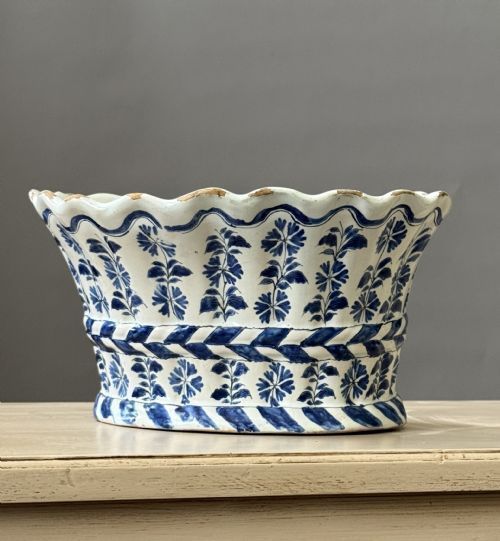
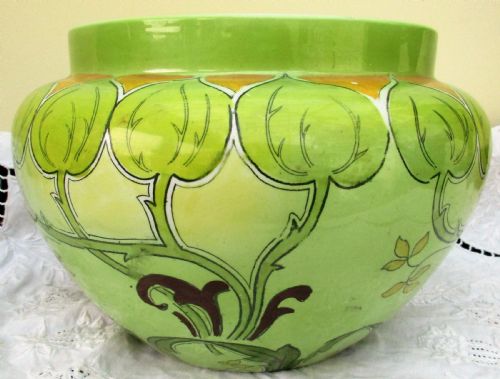
When you search for a glazed earthenware cachepot, you encounter decorative planters and jardinières designed to hold potted plants indoors. The examples seen here range from early eighteenth century Delft bough pots and Nevers faience to nineteenth century Victorian majolica, Art Nouveau designs, and early twentieth century studio potteries.
The forms vary from traditional circular planters and fern rockwork to three handled vessels and specialised pot a orange containers. These pieces hail from various eras including the eighteenth, nineteenth, and early twentieth centuries, reflecting changing domestic tastes in horticulture and interior decoration.
How they were made
Makers shaped these vessels from earthenware and stoneware clays, applying tin glazes, coloured majolica glazes, or specialised ceramic finishes. Potters threw the bodies on wheels or formed them in moulds before firing them in kilns.
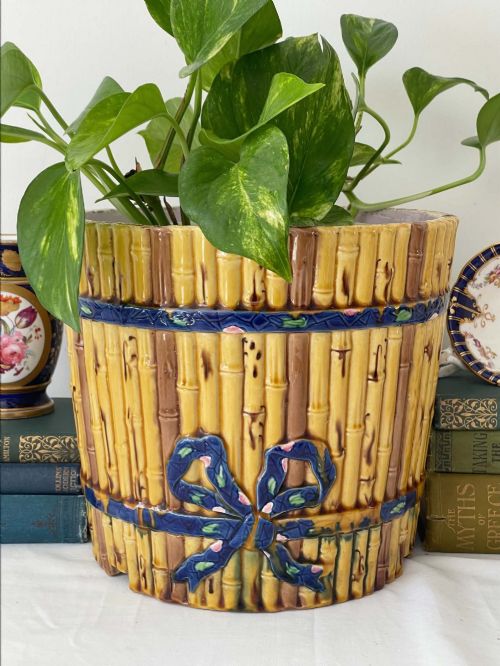
The surface decoration often involved hand painted motifs, applied relief work such as bamboo or rockwork, and fluid Art Nouveau lines. Artisans then glazed and refired the pieces to achieve rich surface sheens and durable waterproof barriers.
Several Victorian planters take the form of graceful swans, bamboo thickets, and rugged fern rockwork to delight plant enthusiasts.
What varies in quality
The distinction between standard domestic wares and top tier examples lies in the crispness of the modelled relief, the depth of the glaze, and the sophistication of the hand painting. Pieces bearing identifiable studio signatures or notable factory marks command greater attention from collectors.
Preservation of the original glaze surface without extensive restoration elevates a piece. The artistic ambition of the design, whether an elaborate Victorian naturalism or an avant garde Arts and Crafts movement shape, dictates the standing of an individual vessel.
W.A. Adderley·Doulton Burslem·Doulton Lambeth·Royal Doulton·Royal Worcester·Minton·Macintyre and Co.·William Moorcroft·Linthorpe Pottery·Charles Noke·Liberty and Co.
The Glazed Earthenware Cachepot Glossary
- Cachepot
- A decorative container used to hold an ordinary flowerpot and catch drainage water. This French term translates literally as hide pot.
- Jardiniere
- A large ornamental pot or stand for flowers and plants, often used as a central room feature. They share many similarities with standard planters.
- Majolica
- A type of earthenware decorated with opaque coloured tin glazes over a modelled surface. It became especially popular during the Victorian era for botanical themes.
- Faience
- European tin glazed earthenware produced from the fifteenth century onwards. Pieces often feature intricate painted designs on a white or cream ground.
- Bough pot
- An early vessel designed to hold cut branches or flowers for interior decoration. They frequently feature multiple spouts or apertures across the top surface.
Glazed Earthenware Cachepot: Frequently Asked Questions
What is a glazed earthenware cachepot?
A glazed earthenware cachepot is a decorative outer pot designed to conceal a plain plant pot and protect interior surfaces from moisture. These vessels allow houseplants to be displayed ornamentally within living spaces.
They appear in various historic styles, from early tin glazed earthenware to Victorian majolica and twentieth century studio pottery. Their primary function remains holding potted greenery while adding aesthetic interest to a room.
How do I care for an antique cachepot?
Caring for an antique planter involves gentle dusting and avoiding harsh chemical cleaners that might damage the historic glaze. Use a plastic liner inside the vessel rather than planting directly into the historic earthenware.
Moisture and soil salts can permeate porous historic bodies over time if water sits directly against the ceramic. A separate inner pot prevents water damage and makes watering your plants much simpler.
How can I tell the period?
Dating these ceramic pieces relies on examining the glaze characteristics, factory marks, stylistic traits, and the composition of the earthenware body. Victorian pieces often feature naturalistic relief moulding or bright majolica colours, while earlier eighteenth century examples show tin glazes and hand painted cobalt motifs.
Factory stamps, impressed registry numbers, and painted signatures help narrow down the decade of manufacture. Comparing the stylistic vocabulary to known periods like Art Nouveau or Arts and Crafts provides further chronological clues.
Can I use these pots outdoors?
Historic glazed earthenware planters are generally intended for indoor use rather than exposed garden conditions. Frost and freezing temperatures can cause historic earthenware to crack or the glaze to craze and flake off.
Keeping these antique vessels inside protects them from thermal shock and weathering. Displaying them in sheltered indoor environments preserves their delicate glazes and structural integrity.