


Victorian Ceramic Plant Pot
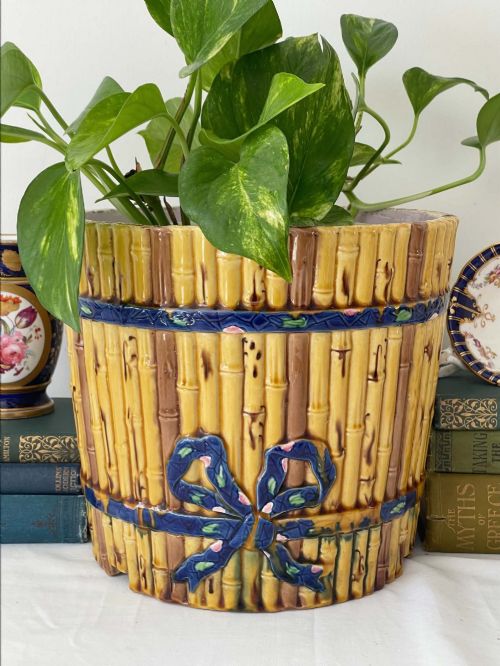
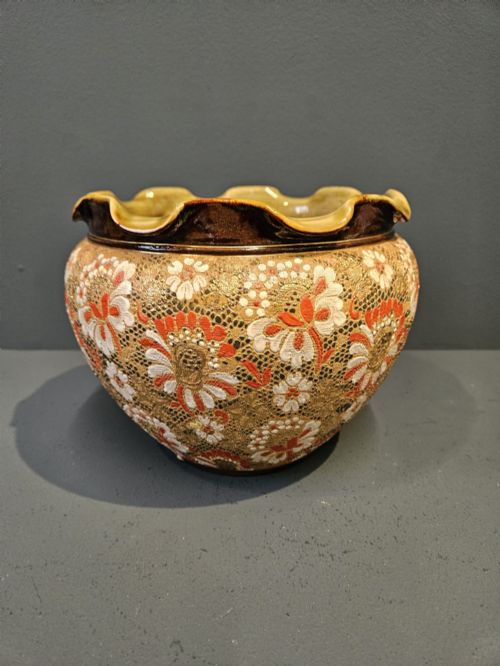
These Victorian ceramic plant pot examples bring textured earthenware and patterned majolica glazes directly into period interiors.
Victorian Ceramic Plant Pot
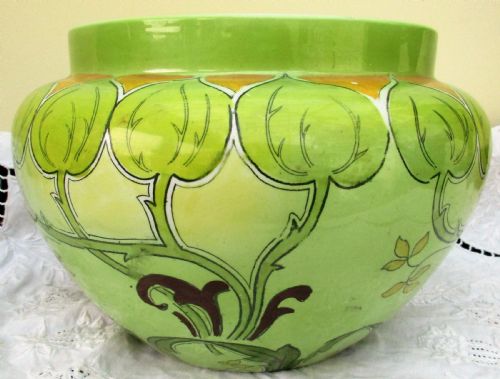
A victorian ceramic plant pot takes the form of a jardiniere or planter, designed to house indoor flora within nineteenth-century rooms. The pieces span styles from rigid neoclassical symmetry to flowing art nouveau curves.
Makers utilised earthenware and stoneware bodies, often shaping them into round vessels or pedestal sets. These pots frequently sat in formal drawing rooms or conservatories upon matching stands.
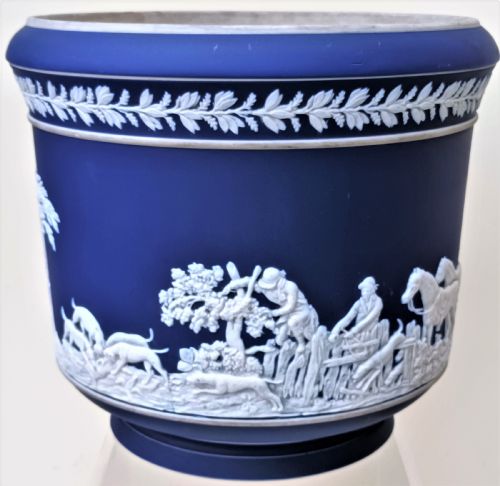
The most common versions on this page are robust earthenware vessels bearing majolica glazes or detailed sprigged reliefs. Examples range from simple nineteenth-century bodies to elaborate pieces carrying specific factory date marks.
Materials and production
Potters shaped clay bodies from earthenware and stoneware, sometimes applying salt glazes or rich majolica colours over the surface. These chemical finishes produced deep greens, blues, and browns that protected the porous clay beneath.
Many items incorporate enamel painting, gold leaf highlights, or applied jasperware reliefs to create tactile contrast against the glazed background. Artisans threw vessels on wheels or moulded them in sections before firing them in kilns.
The decorative styles recorded here include Art Nouveau, Naturalism, Arts and Crafts, and Neoclassical designs.
Distinguishing quality
The standard of a victorian ceramic plant pot rests upon the crispness of the moulded relief and the evenness of the glaze application. Finer pieces display sharply defined botanical motifs and controlled colour flow without pooling or dry patches.
Works carrying distinct factory ciphers, date marks, or named artist signatures command greater attention. The precision of hand-painted details and the structural integrity of complex pedestal pairings separate ordinary utility vessels from exhibition-grade examples.
William Adams And Sons·W.A. Adderley·Royal Doulton·Doulton Lambeth·Doulton Burslem·Burmantofts Majolica·Royal Worcester·Minton·Wedgwood·George Jones·Linthorpe Pottery
The Victorian Ceramic Plant Pot Glossary
- Jardiniere
- A large ornamental pot or container designed to hold a plant indoors. They often feature footed bases or matching pedestals.
- Majolica
- A type of earthenware covered with an opaque tin glaze and painted with metallic oxide colours. The technique creates bright, glossy surfaces popular during the nineteenth century.
- Jasperware
- A fine-grained, unglazed stoneware developed by Josiah Wedgwood. It is characterised by contrasting white stoneware reliefs applied against a coloured background.
- Slaterware
- A ceramic technique involving textured surfaces created by pressing lace or fabric into wet clay before firing. This method produced rough, patterned finishes common on late nineteenth-century pots.
- Earthenware
- Porous pottery fired at lower temperatures than stoneware or porcelain. It requires a vitreous glaze to hold water effectively for plant use.
Victorian Ceramic Plant Pot: Frequently Asked Questions
How do I use a jardiniere safely?
Place a plastic liner or saucers inside the ceramic vessel to catch drainage water and protect the historic interior body from moisture damage.
Keep the pot away from direct freezing conditions if displayed in unheated spaces to prevent historic earthenware from cracking.
What is the difference between a jardiniere and a planter?
A jardiniere typically functions as an outer decorative cachepot designed to conceal a plain growing pot. Planters sometimes allowed direct planting into the soil, though historic ceramic examples often served both ornamental purposes.
Examine the interior base for drainage holes to determine whether the vessel was meant for direct planting or interior display.
How do I identify a period piece?
Look for impressed factory stamps, registration diamond marks, or handwritten artist signatures on the unglazed base. These factory marks often provide precise decade or year indications.
Inspect the weight and clay body beneath any glaze chips to verify nineteenth-century earthenware characteristics.
Can these pots stay outdoors?
Most nineteenth-century earthenware and majolica pieces were created for interior conservatory or drawing room use. Frost can easily damage porous historical bodies and decorative glazes.
Keep them inside protected living areas to preserve the coloured enamels and delicate surface details.