


Glazed Display Counter
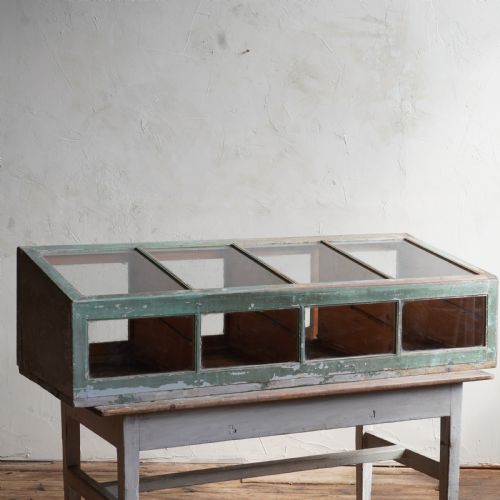
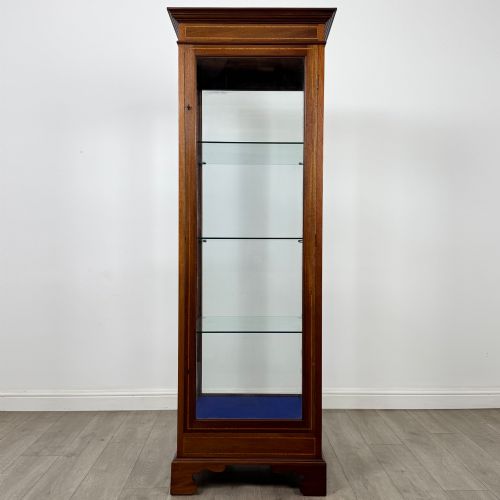
A glazed display counter is a commercial showcase designed to present goods safely while offering customers a clear view.
Glazed Display Counter
A glazed display counter combines a functional retail surface with a transparent viewing enclosure, originating largely from commercial environments spanning the nineteenth century through to the nineteen-thirties. These pieces emerge in various forms, from large freestanding shop counters and tall floor-standing cabinets to smaller countertop display boxes and vitrines intended for intimate retail settings.
Specialised iterations include pharmacy cabinets, haberdashery units, and confectionery display cases bearing advertising for makers like Fry's, Rowntree's, and Cadbury's. These commercial survivors bridge the gap between utilitarian shop fittings and decorative interior furnishings.
Materials and Construction Techniques
Makers constructed these counters using sturdy structural timbers such as mahogany, oak, and other hardwoods to support heavy glass panels and daily commercial use. Brass fittings, locks, and metal brackets provided security and mechanical reinforcement for doors and sliding compartments.
Glazing formed the primary element, utilising clear glass panes to maximise visibility alongside mirrored interiors that reflected light and merchandise. Finishes varied from natural polished wood and ebonised surfaces to distressed paint and gold leaf detailing.
Specialised trade cases often incorporated interior velvet linings, tiered shelving, and hand-painted advertising signage directly onto the wood or glass surfaces to promote confectionery and pharmaceutical brands.
The listings on this page span the Victorian period through to the nineteen-thirties, utilising mahogany, oak, brass, and glass.
Factors Defining Quality
The distinction between standard retail utility and exceptional craftsmanship lies in the selection of timber and the sophistication of the joinery. Superior examples utilise dense, well-figured mahogany or quarter-sawn oak with tight, precise joints that withstand decades of commercial handling.
Hardware and secondary materials elevate a piece significantly, with original brass locks, sturdy sliding mechanisms, and intact mirrored backs marking out the finer workshops. Surviving branded advertising, such as authentic chocolate or apothecary lettering, adds an extra layer of commercial provenance.
Proportion and scale dictate the visual success of the counter, where generous glass-to-wood ratios and harmonious architectural lines separate bespoke retail furniture from basic utility storage.
F. Sage & Co.·E. Pollard & Co. Ltd.
The Glazed Display Counter Glossary
- Vitrine
- A glass-sided display cabinet designed primarily for the protection and viewing of delicate objects. These range from table-top cases to large freestanding architectural units.
- Haberdashery cabinet
- A multiple-drawer retail storage unit featuring glass fronts or pull-out trays intended for small textiles and accessories. They were staples of twentieth-century drapery shops.
- Countertop display cabinet
- A compact showcase designed to sit directly upon a shop counter for customer browsing. They frequently feature rear doors for staff access.
- Ebonised
- Wood treated with a chemical finish or stain to imitate solid ebony. This dark, formal treatment was popular in commercial furniture of the early twentieth century.
- Admiralty pattern
- A specific design standard commissioned for official government or naval use. These pieces often incorporate robust brass framing and secure locking mechanisms.
Glazed Display Counter: Frequently Asked Questions
What is a glazed display counter?
A glazed display counter is a piece of commercial furniture featuring transparent glass panels and a solid timber base. It was traditionally used in shops to showcase merchandise while keeping items secure.
Today, these counters serve as striking focal points in residential interiors for displaying collections, tableware, or books.
How were these counters used originally?
Merchants utilised them in nineteenth and early twentieth-century shops, pharmacies, and tea rooms to present goods clearly to customers. Staff accessed the interior via rear doors while shoppers viewed items from the front.
Specialist variants were branded for confectioners and chemists to market specific products directly on the sales floor.
How do I style a shop display counter at home?
These counters work effectively in kitchens, hallways, or living rooms as standalone storage and display surfaces. Their glass panels allow natural light to circulate while protecting delicate objects from dust.
Pairing a timber counter with modern minimalist furniture highlights its industrial and commercial origins.
How can I tell Victorian cabinets apart from Edwardian ones?
Victorian models often feature darker, heavily polished mahogany and more ornate architectural detailing. They tend to reflect the heavier, robust aesthetic of the nineteenth century.
Edwardian and early twentieth-century examples frequently display lighter oak frames, cleaner commercial lines, and integrated advertising or simpler functional hardware.