





Glazed Ceramic Animals
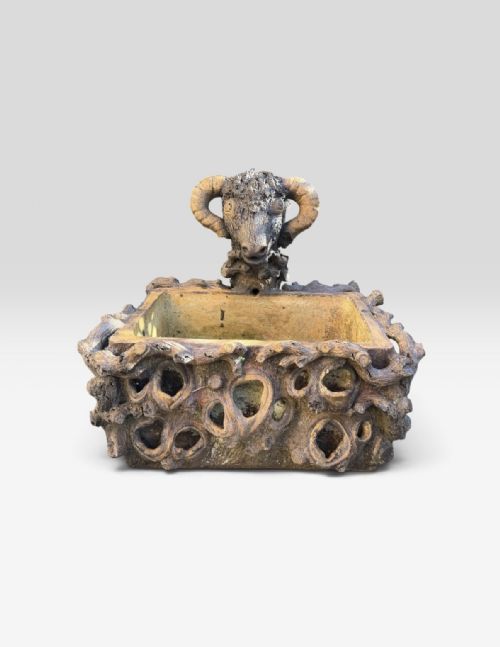
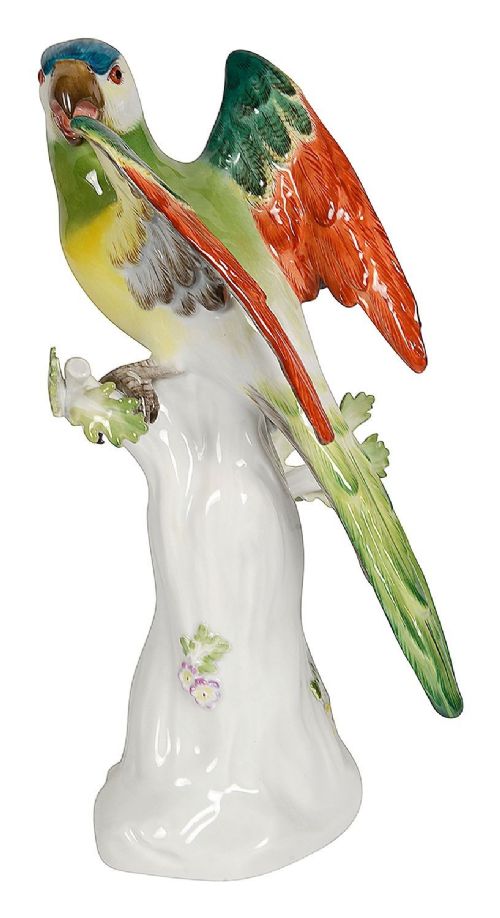
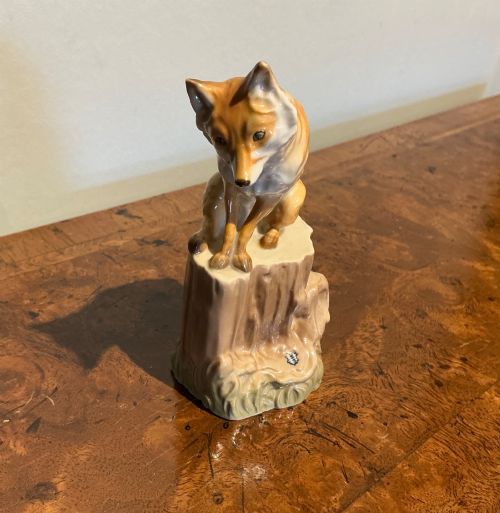
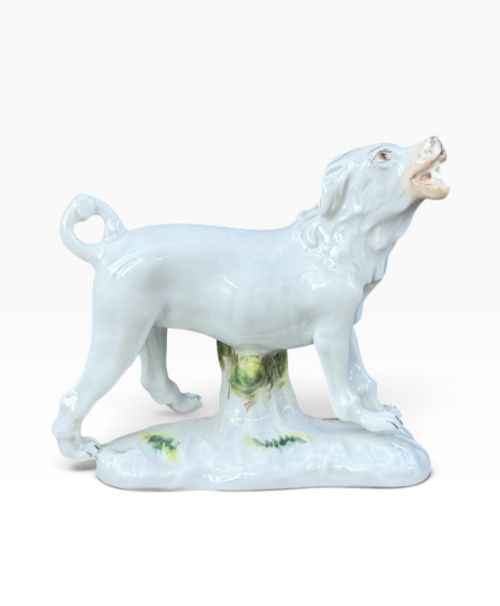
Glazed ceramic animals bring character to a room, ranging from Staffordshire dogs to Chinese Shiwan lions.
Glazed Ceramic Animals
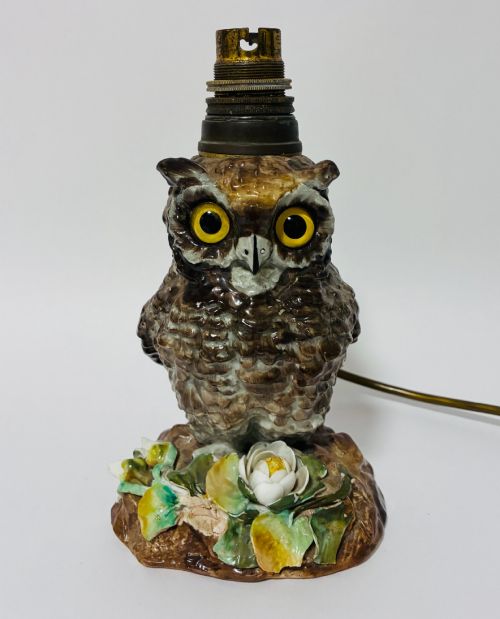
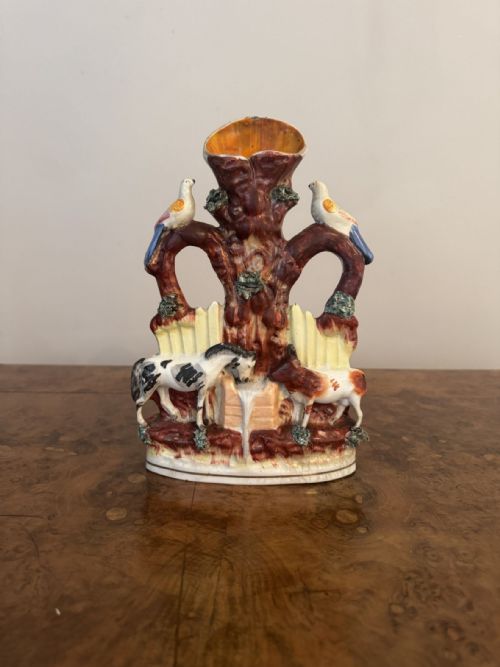
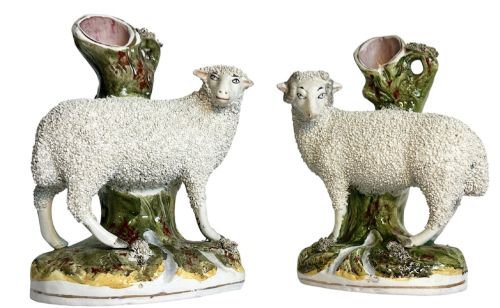
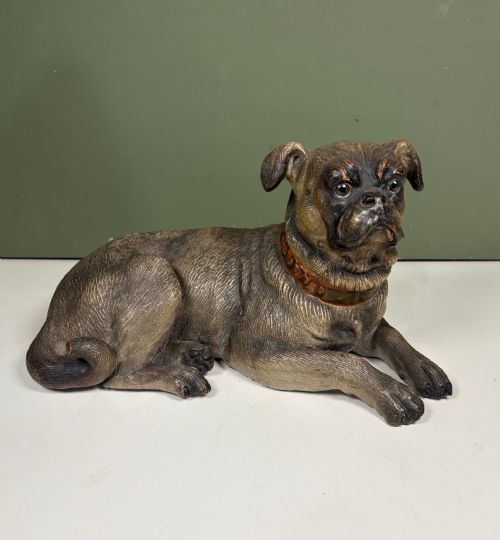
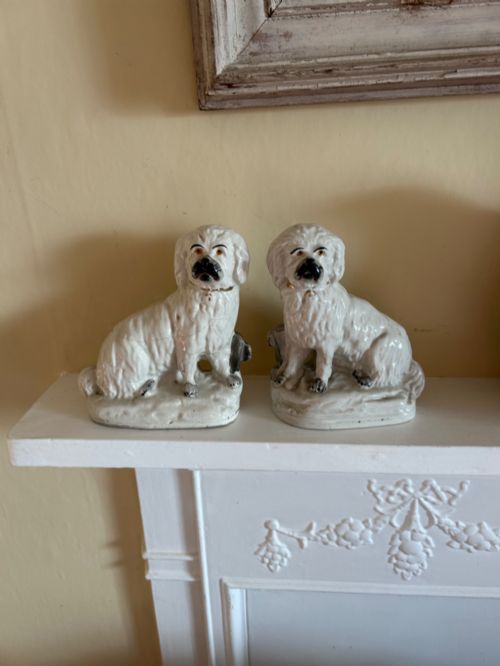
When you search for glazed ceramic animals, you encounter a diverse assortment of figures spanning multiple centuries and origins. The selection comprises domestic creatures, farm animals, and exotic beasts rendered in clay and porcelain. Buyers often meet Staffordshire pugs, sheep, and lions alongside continental figures and Chinese porcelain ducks.
The objects take various functional and decorative forms, including spill vases, lamp bases, inkwells, and standalone sculptures. Pieces originate from English potteries, European factories, and Asian kilns, reflecting distinct regional tastes from the nineteenth and early twentieth centuries.
Materials and methods
Makers utilised earthenware, porcelain, and terracotta bodies to form these animal sculptures. Earthenware pieces frequently display slip casting or hand moulding, while porcelain versions involve finer clay preparation and higher firing temperatures. Potters applied glazes including salt glaze, treacle glaze, copper lustre, and sancai glaze to seal the clay and provide colour.
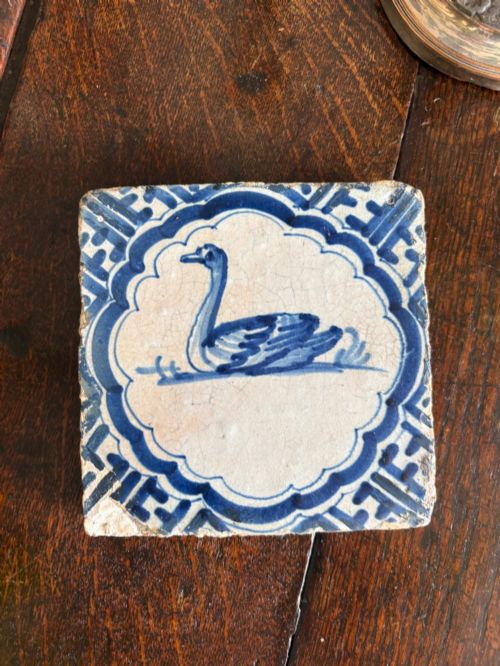
Surface decoration often involves hand painting under or over the glaze, with some French and Art Deco examples incorporating glass eyes or gilded highlights. Dutch Delft and English tiles utilise tin glazes to create a smooth white ground for painted animal motifs.
Glazed Ceramic Animals Retail Price Guide 2026
Typical asking prices for glazed ceramic animals among the pieces listed under this phrase on Sellingantiques today, from the lower quarter to the upper quarter. They describe what is for sale here now, not the wider market.
Listings include earthenware, porcelain, terracotta, and stoneware pieces spanning the nineteenth and twentieth centuries.
Assessing quality
The crispness of the modelling defines the distinction between standard and superior pieces. Finer animal figures exhibit careful attention to anatomical detail, fur texture, and facial expression rather than hasty mass production. Hand painted elements show precision and control in the brushwork.
The depth and richness of the glaze application also separate standard production from exceptional examples. Lustres, sancai colours, and deep treacle finishes display uniform coverage and appealing tonal variation across the ceramic surface.
Nymphenburg·Meissen·Rockingham Pottery·Rosenthal·Royal Dux
The Glazed Ceramic Animals Glossary
- Staffordshire
- A general term for pottery produced in the Staffordshire region of England, known for utilitarian and decorative figures.
- Pearlware
- A fine earthenware developed in the late eighteenth century featuring a bluish-white glaze that pooled in recesses.
- Shiwan pottery
- Chinese ceramic ware produced in Guangdong province, recognised for heavy bodies and rich, thick monochrome glazes.
- Spill vase
- A hollow figurine incorporating a small vertical cylinder designed to hold wooden spills for lighting candles or fires.
- Salt glaze
- A vitreous coating formed by throwing common salt into the kiln during high temperature firing, creating an orange peel texture.
Glazed Ceramic Animals: Frequently Asked Questions
What are glazed ceramic animals?
These pieces comprise three-dimensional figures of creatures shaped from clay and finished with a vitreous coating. They span domestic pets, farm animals, and exotic wildlife.
Peculiar forms include inkwells, lamp bases, and spill vases designed for practical household use alongside pure decoration.
How do I date a ceramic animal?
Dating relies on stylistic clues, the type of ceramic body, and the characteristics of the glaze. Nineteenth-century Staffordshire pieces differ substantially in weight and finish from twentieth-century Art Deco designs.
Examining the base often reveals potting techniques and manufacturing marks associated with specific periods.
Where were these figures made?
Production centres span English potteries, European porcelain houses, and Asian kilns. Staffordshire and continental factories generated vast quantities of decorative figures.
Asian examples include Chinese Shiwan pottery and Qing Dynasty porcelain works.
How should I display them?
Animals in ceramic and porcelain suit placement on mantelpieces, bookshelves, and side tables where their forms can be appreciated. Pairs of lions or dogs traditionally flank central spaces.
Placing them away from heavy traffic areas prevents accidental knocks to delicate ears and tails.