


Glazed Brass Pendant
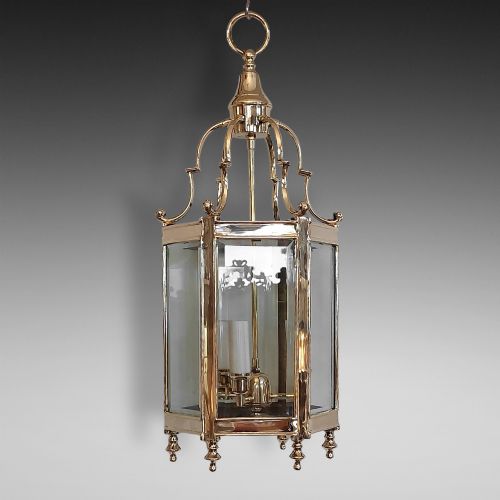
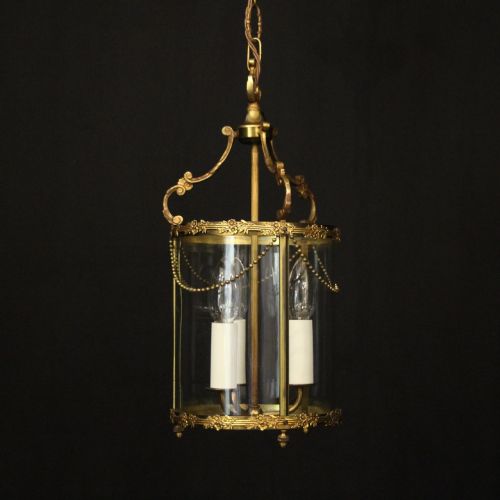
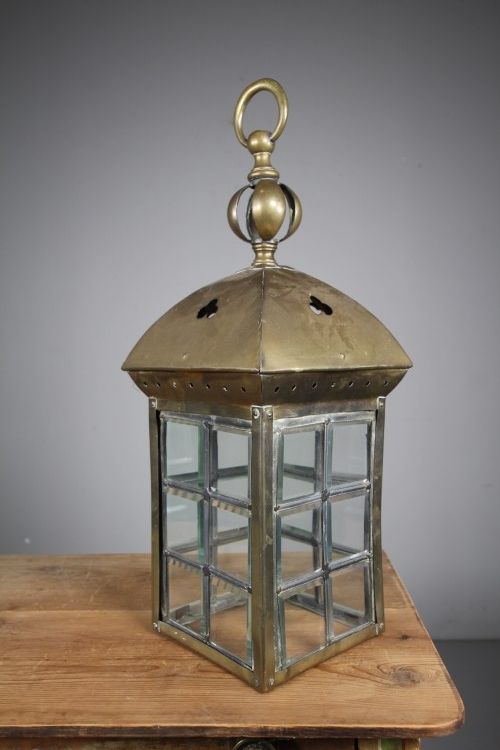
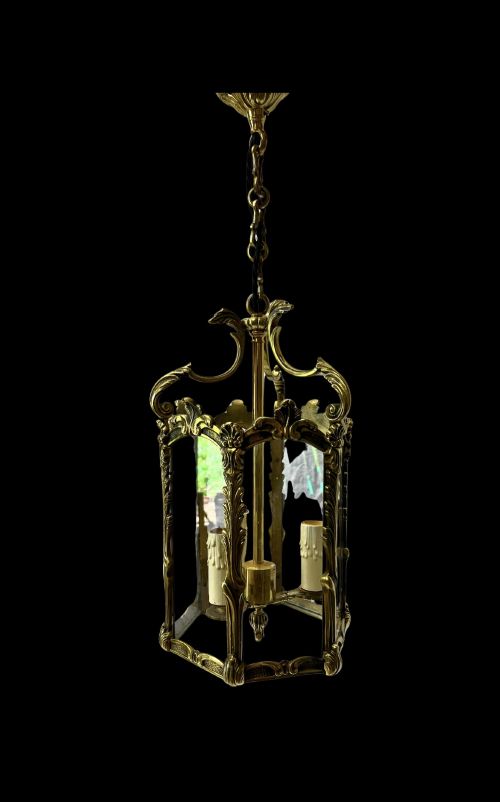
A glazed brass pendant brings immediate presence to an entrance hall, casting light through bevelled glass panels held within solid metal frames.
Glazed Brass Pendant
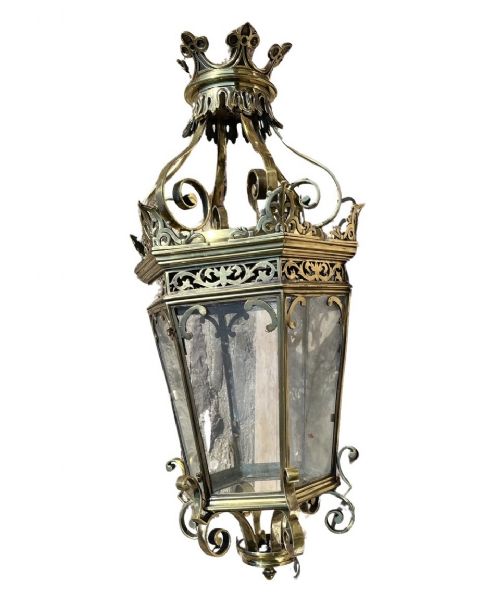
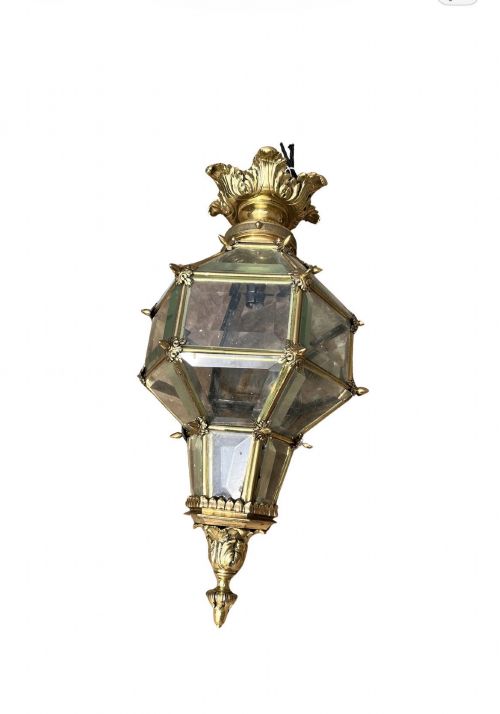
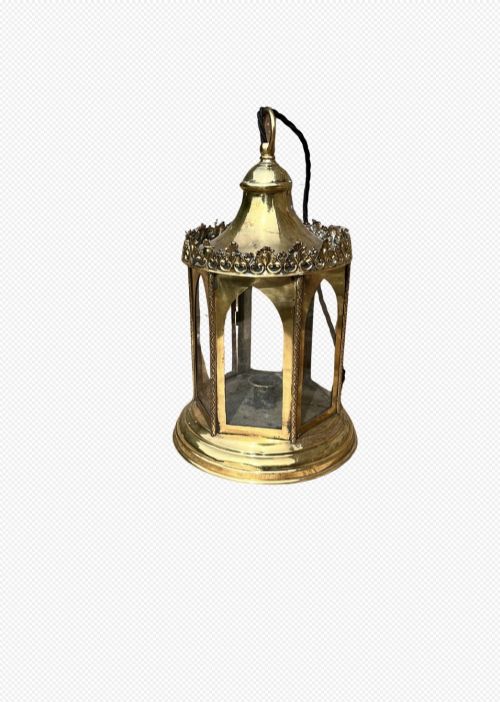
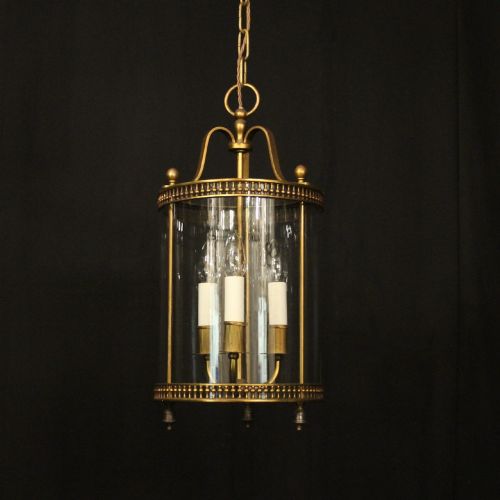
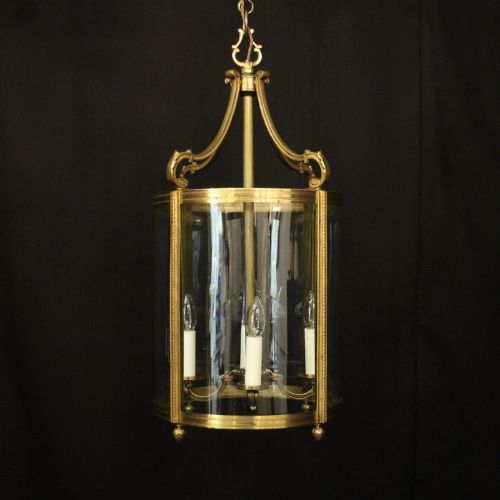
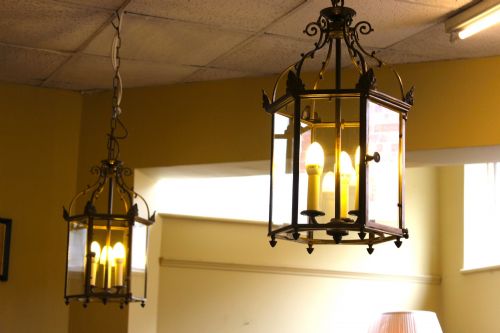
When you search for a glazed brass pendant, you enter a category defined by overhead illumination housed in metal and glass enclosures. These hanging fixtures function as hall lanterns, ceiling lights and porch lanterns designed to illuminate interior thoroughfares. Most examples encountered here originate from the nineteenth and early twentieth centuries, spanning Edwardian, Victorian and various continental styles.
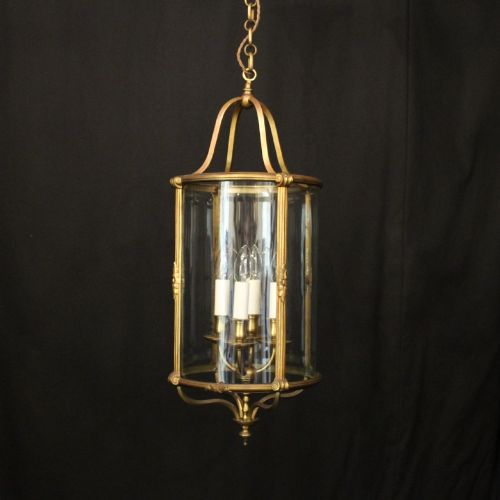
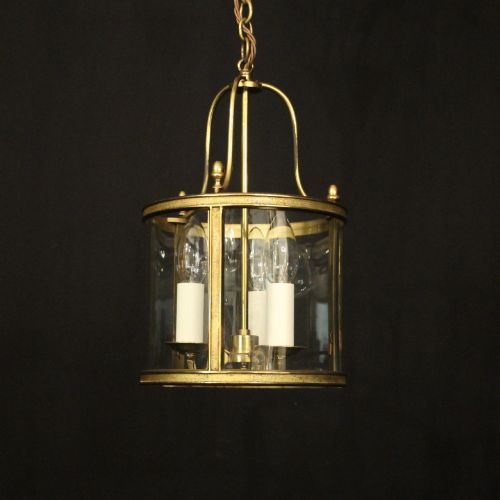
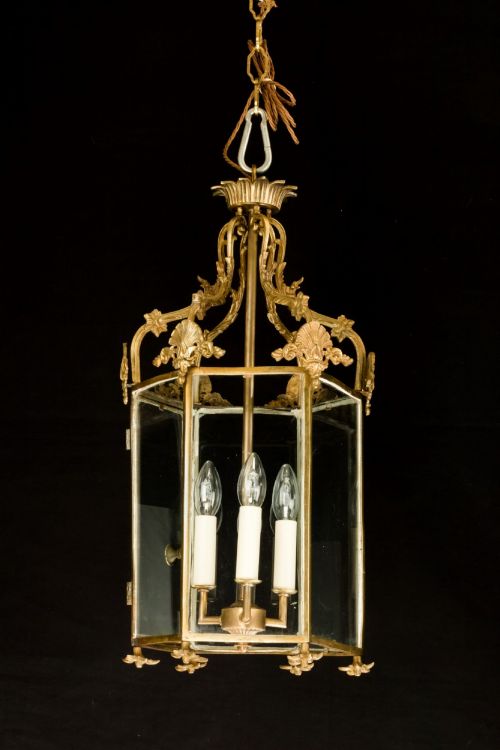
Hexagonal and multi-sided forms dominate the selection, often featuring hinged doors for access to the interior bulbs. French designs from the early twentieth century frequently incorporate gilded bronze or brass alongside multiple interior lights. English and continental makers alike produced these hanging fixtures to serve both functional and decorative roles in domestic architecture.
Assessing Craftsmanship and Proportion
The distinction between standard production and superior craftsmanship rests in the weight of the metal and the precision of the glass setting. Finer lanterns utilise heavier gauge brass or gilt bronze with crisp casting details that remain sharp across repetitive decorative motifs. Bevelled or convex glass panels fitted snugly into rebated frames indicate a higher grade of manufacture than flat glass simply held by basic clips.
Proportion and scale dictate the visual success of a hanging lantern within a given space, with balanced dimensions marking out better workshops. The integration of functional elements, such as discreetly hinged access doors and robust suspension loops, separates utilitarian pieces from more ambitious decorative commissions.
Some lanterns include tiny hinged doors originally designed so servants could relight candles without taking the fixture down.
The Glazed Brass Pendant Glossary
- Bevelled glass
- Glass with edges ground and polished to an angled bevel, which refracts light and adds decorative depth to the lantern panels.
- Gilt bronze
- Bronze that has been coated with a thin layer of gold or gold-coloured alloy, providing a rich and durable surface finish.
- Hall lantern
- A ceiling-hung lighting fixture specifically designed in height and proportion to illuminate narrow entrance spaces and stairwells.
- Hexagonal form
- A geometric structure featuring six sides, commonly utilised in lantern design to distribute light through multiple directional planes.
- Gothic Revival
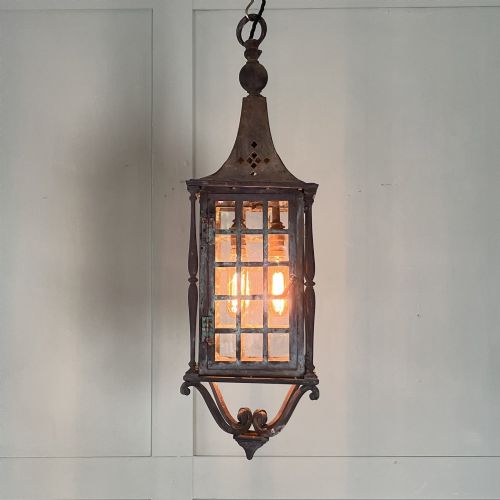
- An architectural and decorative style drawing inspiration from medieval forms, characterised by pointed arches and structural verticality.
Glazed Brass Pendant: Frequently Asked Questions
Where should I hang a glazed brass pendant?
These fixtures suit entrance halls, high-ceilinged landings and generous porches where their drop and dimensional presence can be appreciated. Their enclosed nature protects the light source while directing illumination downward and outward.
Ensure adequate ceiling height is available to accommodate the vertical drop of the lantern without obstructing passage through the room or hallway.
How do I know the period of a lantern?
Dating relies on stylistic clues such as the specific configuration of the metal casting, the presence of gilding and the cut of the glass. Edwardian and Victorian examples often display heavier structural frames and specific corner detailing.
Comparison with documented French styles and nineteenth-century manufacturing techniques helps narrow down the decade of production.
Are these lanterns electrified for modern use?
Many surviving examples have been adapted over time to house internal electrical lamp holders while retaining their historical exterior appearance. This conversion allows them to function safely on standard domestic circuits.
Check individual descriptions to understand the wiring configuration and the number of light bulbs accommodated within the internal cluster.
How do I clean the glass panels?
Maintenance involves gentle cleaning of the glass surfaces using standard glass cleaner applied with a soft cloth to avoid disturbing the surrounding metal frame. Care must be taken around aged gilding or delicate patinated brass.
Removing the dust from internal corners maintains the clarity of the panels and ensures maximum light output from the bulbs.