
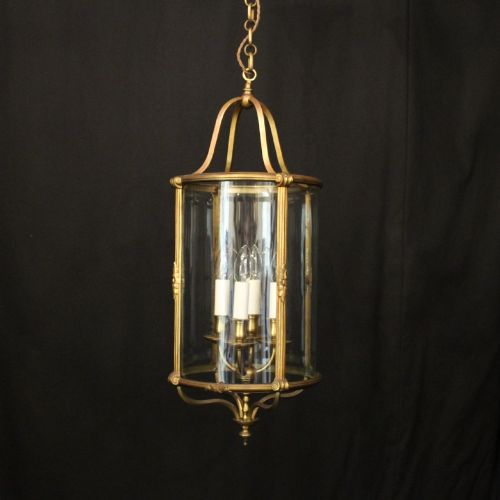
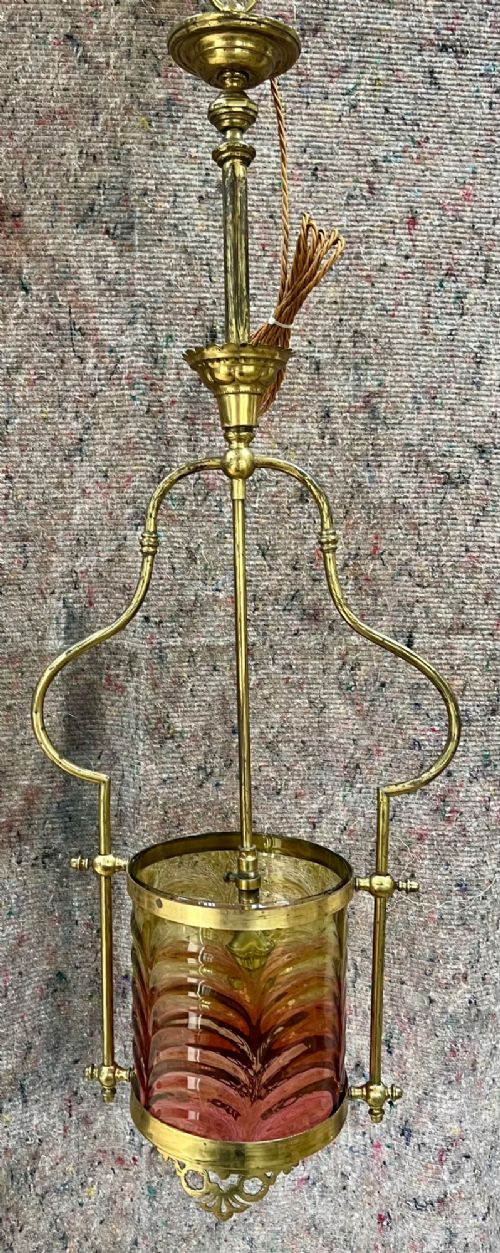
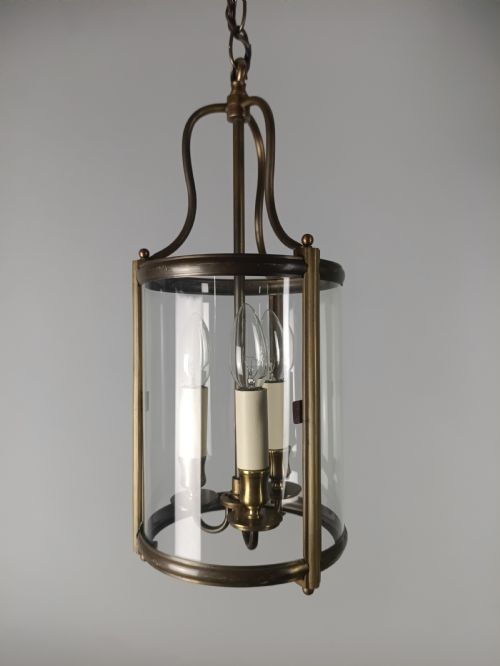
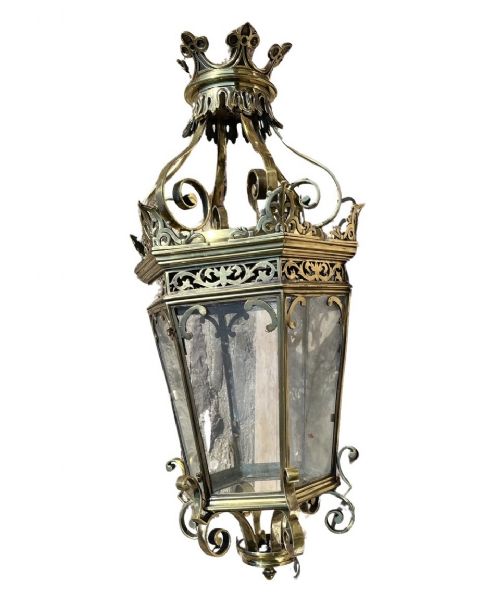
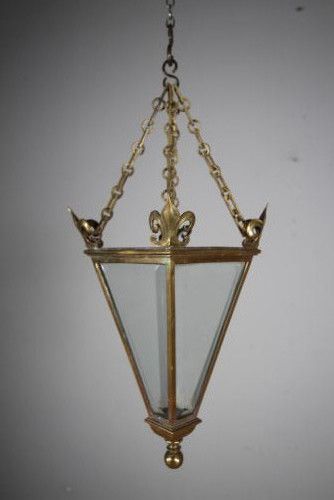
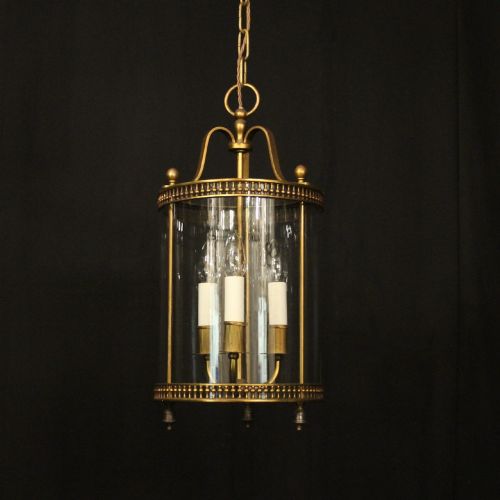
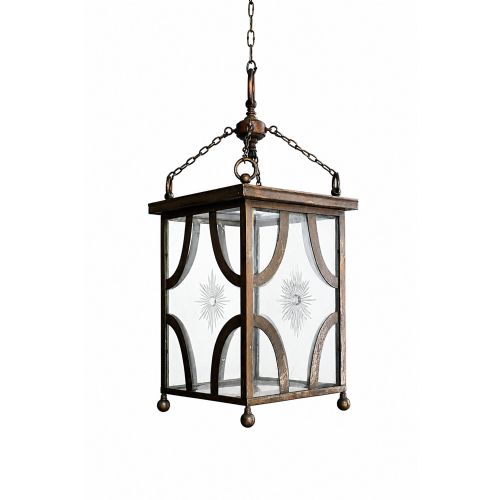
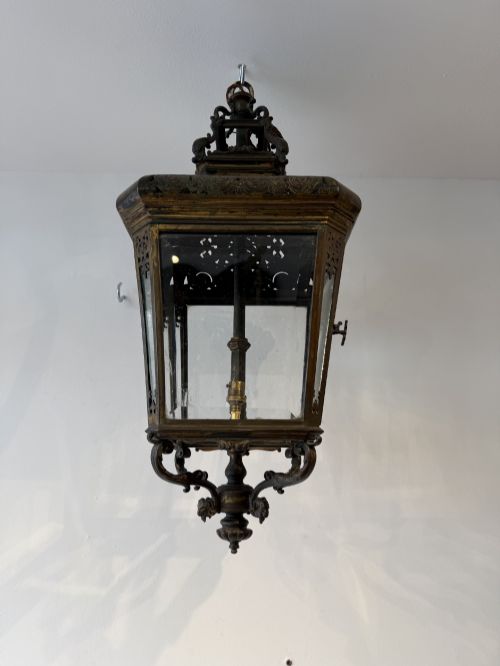


Glass Vestibule Light
A glass vestibule light delivers a strong first impression in an entrance hall, combining functional illumination with decorative metalwork.
Glass Vestibule Light
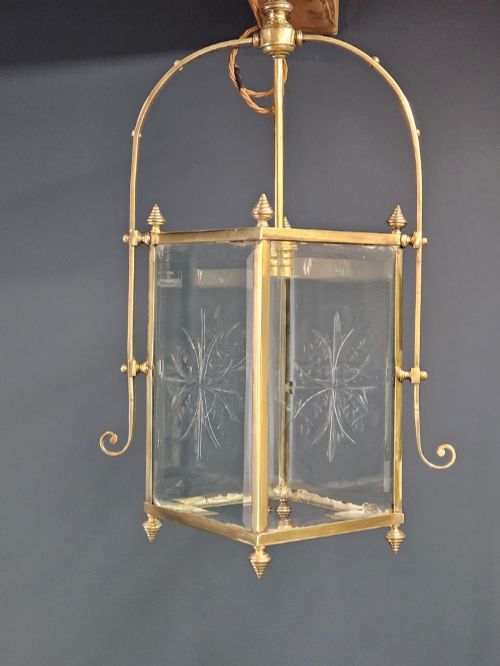
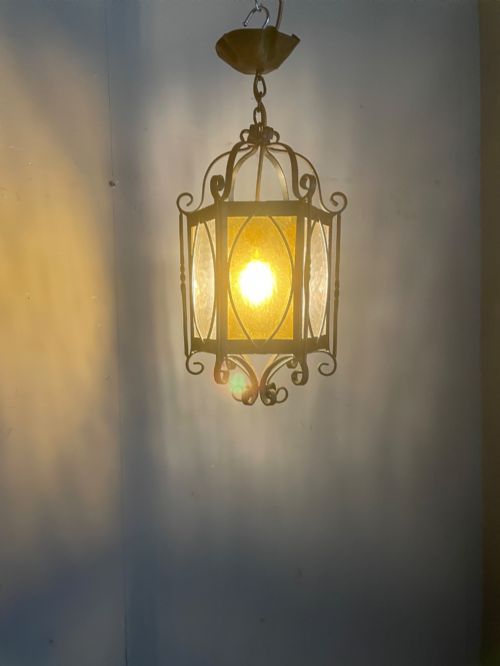
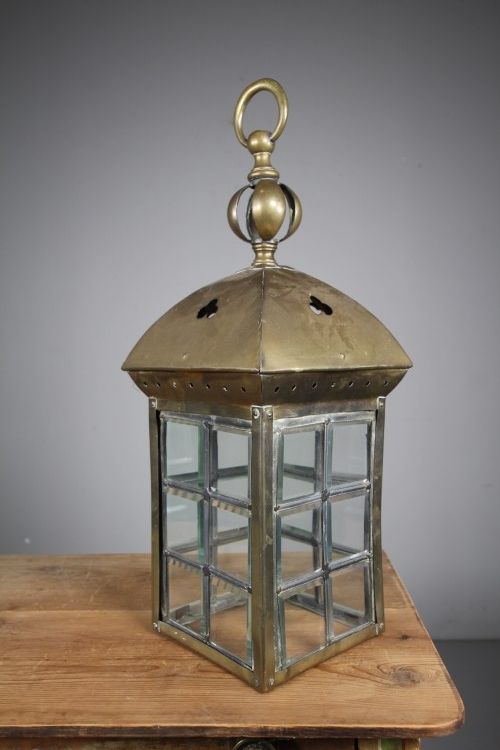
A glass vestibule light takes the form of a hanging hall lantern designed to illuminate entrance spaces and corridors. Buyers encounter variations spanning the nineteenth century through the nineteen-thirties, reflecting Edwardian, Victorian, and various French design movements.
Most examples utilise metal frames holding glass panels in configurations ranging from simple hexagonal shapes to ornate multi-light fixtures. English and French origins dominate the selection, often incorporating doors for access to internal bulbs or candles.
How they were made
The primary construction relies on metalwork frames fashioned from brass, gilt bronze, wrought iron, and copper to support the structure. Glass elements are integrated as plain, frosted, etched, or cut panels, sometimes featuring coloured shades.
Metal components undergo casting, gilding, or blacksmithing to achieve specific period aesthetics, such as French Rococo or Gothic Revival styles. Glazing is secured within the metal framework, frequently incorporating hinged doors for practical maintenance.
Listings feature lanterns spanning the 1860s to the 1930s, utilising brass, gilt bronze, wrought iron, and various cut or frosted glass configurations.
What varies in quality
Quality differences emerge in the weight and finish of the metal frame, with hand-chased gilt bronze and blacksmith-made iron sitting above standard brass castings. The crispness of decorative detailing in styles like Louis XVI or French Chateau dictates the visual refinement of the piece.
The complexity of the glass work also defines the tier of the lantern, from simple leaded or clear panes to deeply cut or etched crystal components. Proportion and scale heavily influence desirability, particularly in larger architectural pieces designed for grand hallways.
The Glass Vestibule Light Glossary
- Gilt bronze
- Bronze metal that has been coated with a thin layer of gold or gold-coloured alloy. This technique provides a rich, durable surface finish seen on decorative French lanterns.
- Hall lantern
- A ceiling-suspended lighting fixture specifically proportioned for corridors and entranceways. These pieces typically feature glass panels enclosed in a metal frame.
- Frosted glass
- Glass treated to create a milky, opaque surface that diffuses light evenly. It appears frequently in period lighting to soften the glare of internal illumination.
- Wrought iron
- Iron beaten and shaped by hand while hot to create structural or decorative elements. Blacksmiths utilise this material for sturdy, textured lantern frames.
- Cut glass
- Glass decorated by grinding facets or patterns into the surface using a wheel. This method adds sparkle and refracts light within more elaborate fixtures.
Glass Vestibule Light: Frequently Asked Questions
Where should a glass vestibule light hang?
These lanterns suit entrance halls, porches, and high-ceilinged corridors where their hanging design provides both ambient light and a decorative focal point.
Sizing depends on the proportions of the space, ensuring adequate clearance below the fixture while maintaining visual balance.
How do I access the bulbs?
Many period lanterns incorporate a small hinged door within the metal frame specifically designed for changing bulbs or cleaning the interior glass.
Other designs rely on removable bottom bowls or panels secured by latches or screws.
Are these lights wired for modern electricity?
Most antique lanterns are adapted for modern electrical standards while retaining their original frames, sockets, and hanging chains.
Buyers should consult a qualified electrician to ensure safe installation and compatibility with current household wiring.
How do I identify a French style lantern?
French pieces often display ornate cast details associated with Louis XVI, Rococo, or Chateau aesthetics, frequently utilising gilt bronze or finely chased brass.
English variants tend towards more restrained brass or wrought iron framing with simpler hexagonal or convex shapes.