



Glass Topped Table
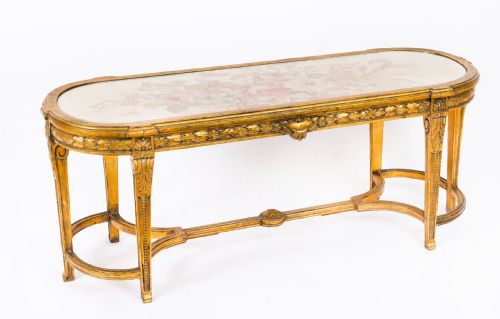
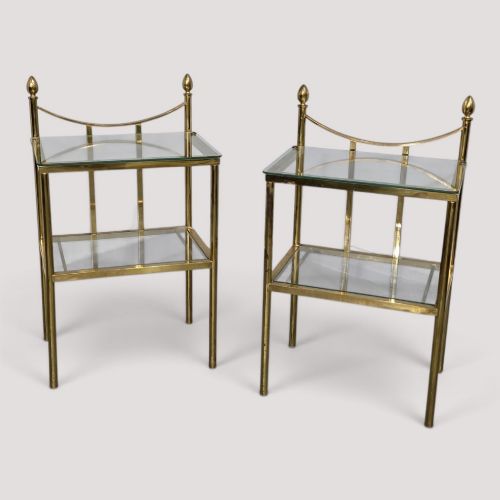
When you search for a glass topped table, you find display pieces, low coffee surfaces and side furniture combining clear glazing with wood, metal and silver mounts.
Glass Topped Table
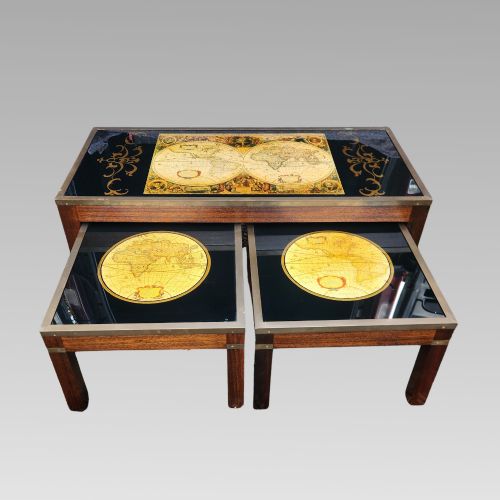
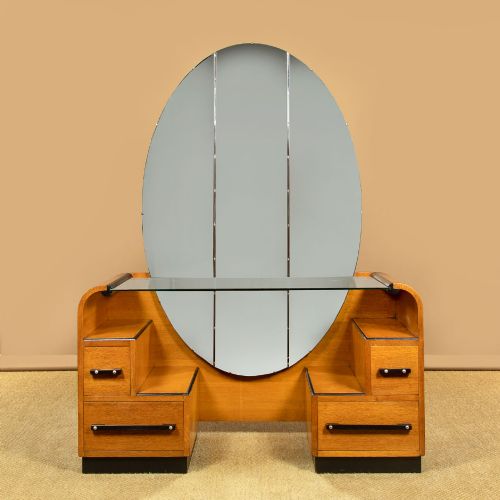
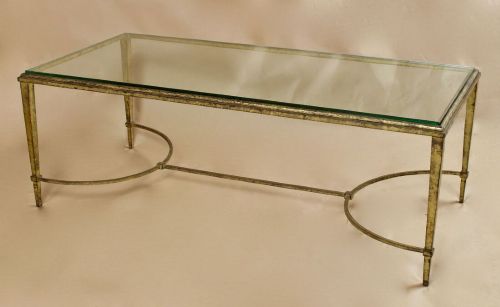
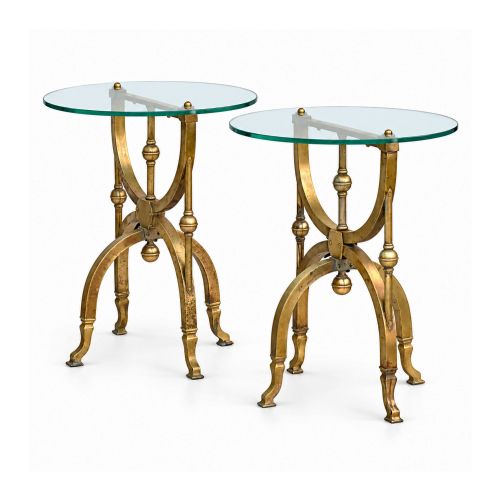
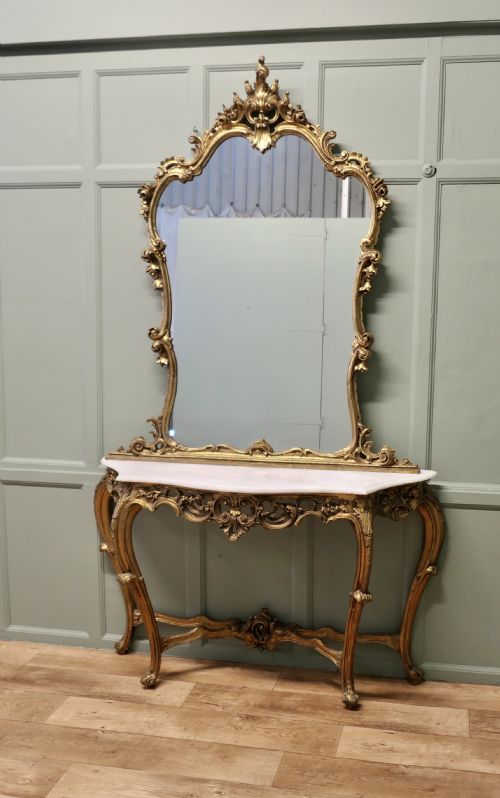
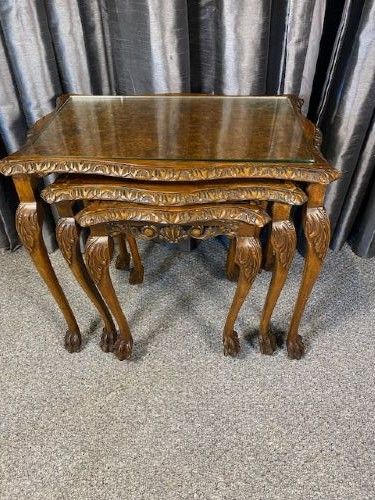
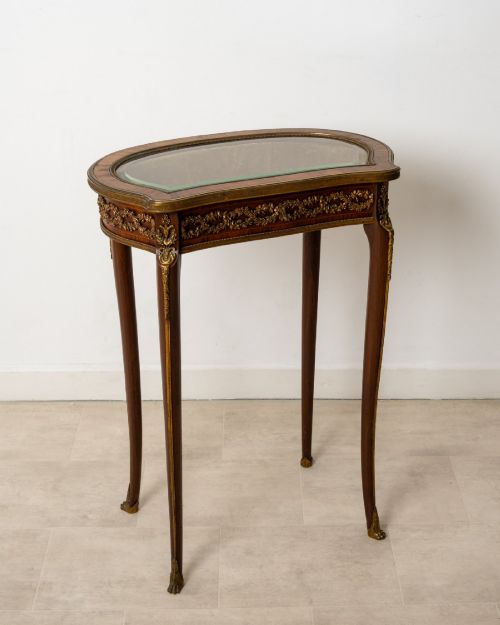
A glass topped table encompasses several distinct forms, most frequently appearing here as French and English bijouterie display tables, occasional furniture, and low coffee tables. These pieces combine transparent or cut glass surfaces with structural frames in mahogany, satinwood, walnut, or gilt metals. The selection spans the nineteenth century through the Art Deco and Edwardian periods.
Buyers encounter glazed display cases designed to show small valuables alongside simpler occasional tables and console forms. The structural woodwork often incorporates marquetry or brass inlay, while smaller tabletop items utilise silver mounts and coloured glass.
How they were made
The construction relies on traditional cabinetmaking techniques using timbers such as mahogany, satinwood, kingwood, and walnut for the foundational frames. Metal elements, including ormolu mounts, cast iron, and gilt bronze, are integrated to accent the woodwork and glass inserts.
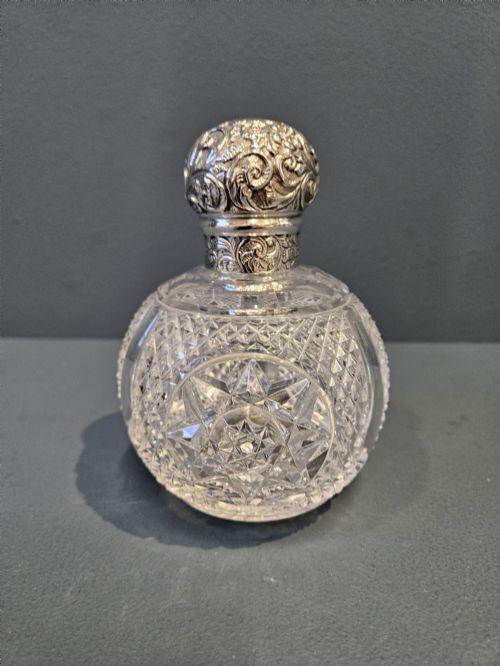
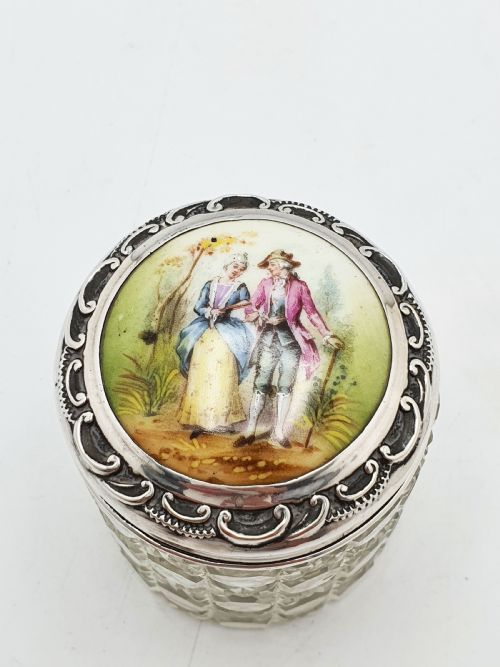
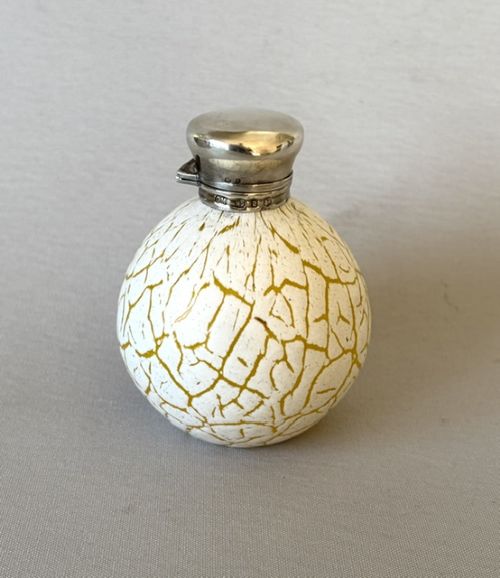
Glazing techniques involve fitted plate glass, cut glass, and occasionally frosted or crackle glass panes secured within wooden rebates or metal bezels. Silver mounts and guilloché enamel details are applied to smaller components using standard silversmithing methods of the period.
Glass Topped Table Retail Price Guide 2026
Typical asking prices for glass topped table among the pieces listed under this phrase on Sellingantiques today, from the lower quarter to the upper quarter. They describe what is for sale here now, not the wider market.
Materials recorded across these listings include mahogany, sterling silver, cut glass, ormolu, velvet, and brass.
What varies in quality
Quality rests on the crispness of the timber cabinetwork, the precision of marquetry inlay, and the refinement of the ormolu or cast metal mounts. Finer examples display harmonious proportions and superior selection of veneers like satinwood and kingwood.
The execution of glass cutting, silver smithing work on attached containers, and the structural integrity of hinged display lids distinguish superior pieces from standard domestic production.
George May·Maison Ramsay·François Linke·Henry Clifford Davis·Henry Perkins
The Glass Topped Table Glossary
- Bijouterie table
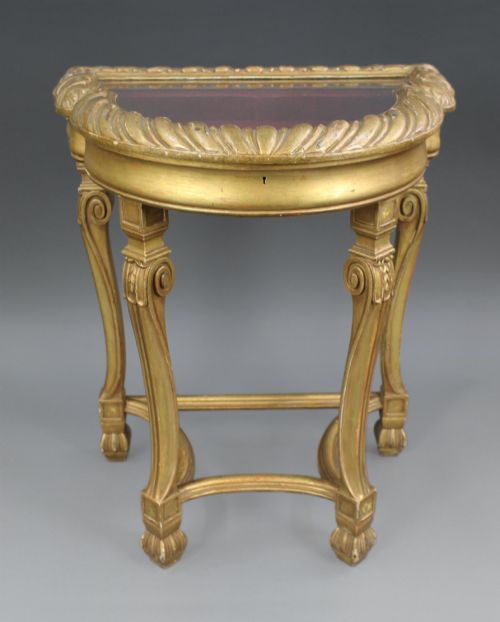
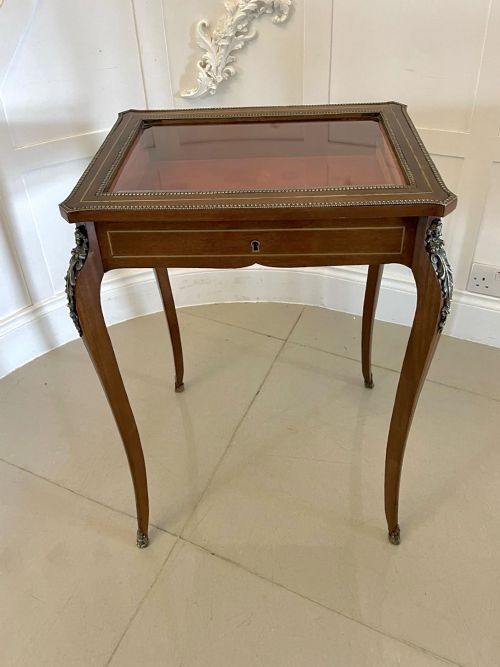
- A display table with a glazed top and compartment designed for exhibiting small ornaments and jewellery. These pieces date predominantly from the Victorian and Edwardian eras.
- Ormolu
- Gilded bronze or brass mounts applied to furniture frames for decorative effect. It originates from French cabinetmaking traditions.
- Marquetry
- Decorative veneer patterns formed by fitting small pieces of wood and shell into a background panel. It appears on nineteenth-century French and English display furniture.
- Guilloché enamel
- A decorative mechanical engraving technique covered with translucent enamel, commonly found on dressing table jars and silver-mounted containers.
Glass Topped Table: Frequently Asked Questions
What is a bijouterie table?
A bijouterie table is a display case on legs with a glazed top, originally used in drawing rooms to exhibit small valuables and collections.
These pieces combine furniture making with display functions, often featuring velvet linings inside the glazed compartment.
How do I date a glass topped table?
Dating relies on identifying the prevailing style, timber choices, and construction methods characteristic of periods like the Victorian, Edwardian, or Art Deco eras.
Hardware, such as silver hallmarks or ormolu casting style, provides precise chronological markers for manufactured components.
Where should I place a glass topped table?
These tables suit sitting rooms and halls where their reflective glass surfaces and display compartments can be viewed easily from above.
Consider pairing them with complementary antique seating or console arrangements to balance the room's proportions.
Are glass topped tables fragile?
While the fitted glass panels are durable, older plate and cut glass requires careful handling and stable placement away from heavy impacts.
The underlying wooden or metal frames provide solid structural support when maintained in stable room environments.