





Glass Shop Cabinet
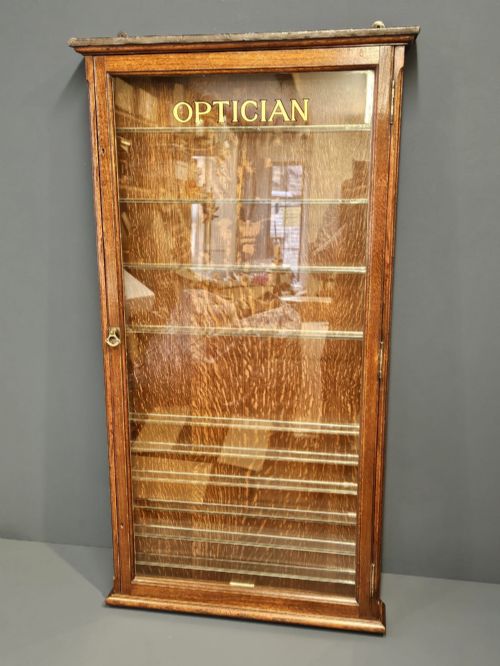
A glass shop cabinet is a commercial showcase designed to display goods clearly while keeping them secure, offering period charm for domestic collections.
Glass Shop Cabinet
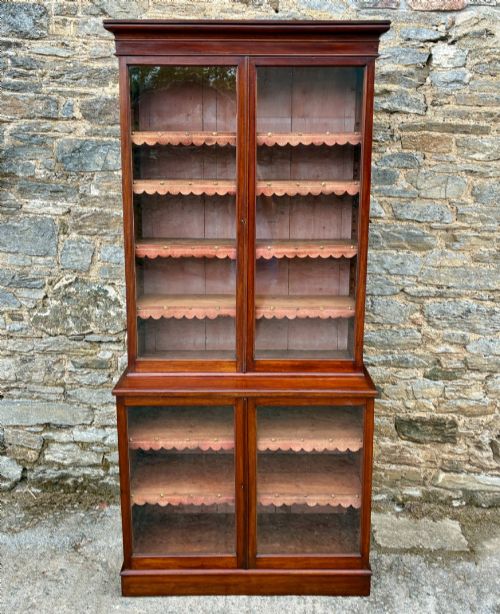
A glass shop cabinet bridges retail heritage and domestic display, providing glazed visibility for specimens, tableware and small collections. Buyers exploring this category encounter tall freestanding units, countertop cases and long shop counters suited to diverse interior spaces.
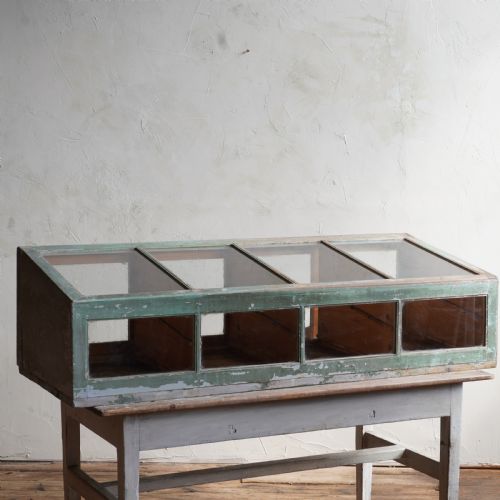
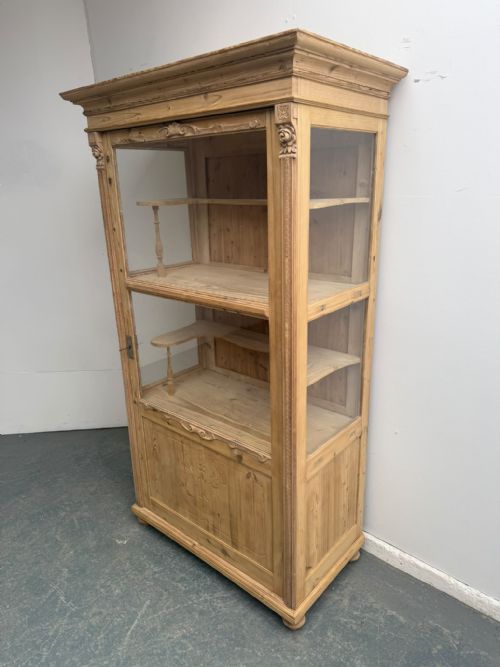
The pieces span the late nineteenth century through to the Art Deco period of the nineteen thirties, encompassing Edwardian commercial fittings, Victorian apothecary cases and early twentieth-century haberdashery units. Designs range from modest tabletop oak and mahogany boxes to substantial architectural display counters built for high street merchants.
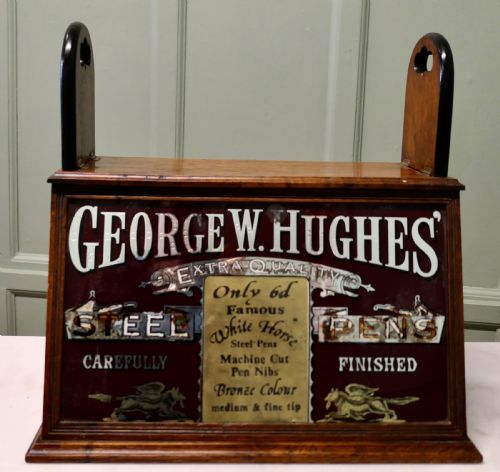
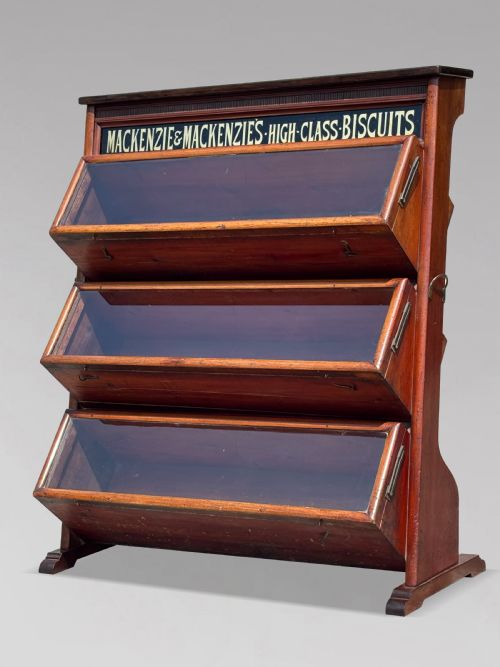
Originating in commercial premises such as pharmacies, grocers and drapers, these cabinets often bear the names or scripts of historical makers and retailers. Their construction reflects the practical demands of trade, prioritising clear glass viewing areas and sturdy timber framing to protect merchandise.
Materials and Construction
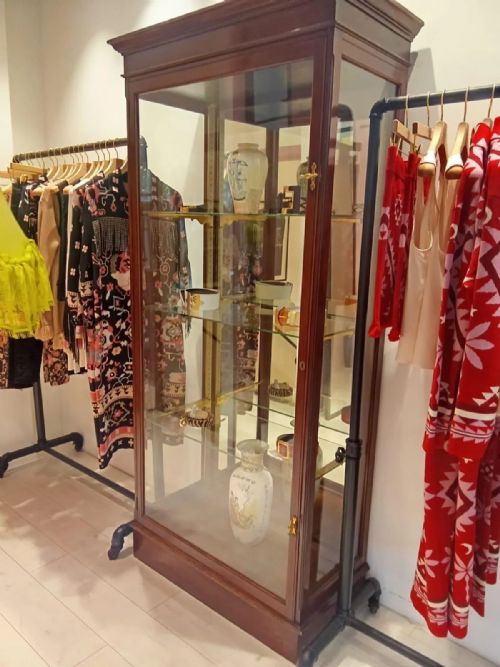
Makers built these cabinets primarily using dense hardwoods such as mahogany and oak, often combining them with large expanses of clear glass to maximise interior light. Brass hinges, locks and decorative mounts provide structural reinforcement while adding functional detail to the timber framework.
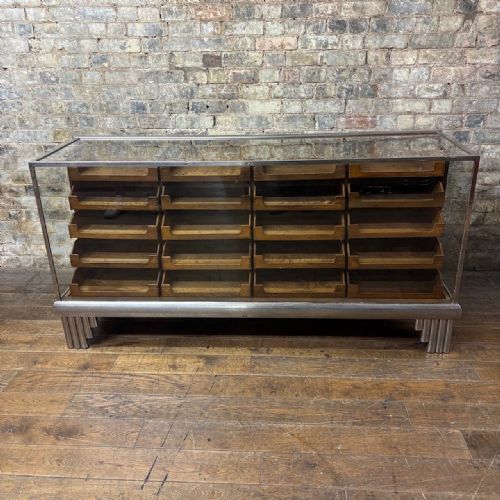
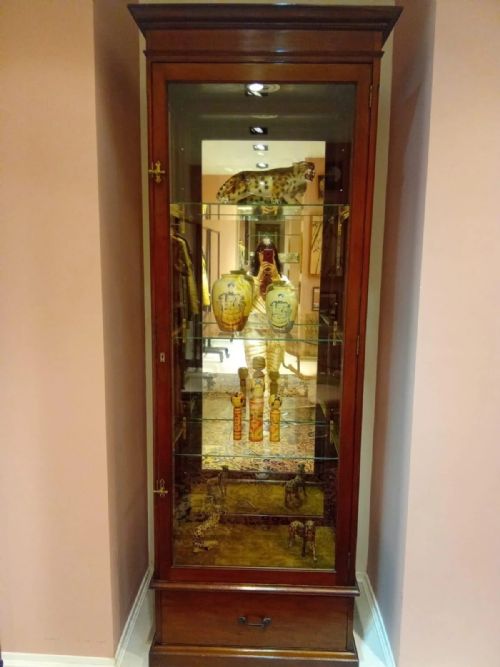
Interior elements frequently include adjustable glass shelves and mirrored panels designed to reflect light and enhance the visibility of displayed objects. Some examples incorporate ebonised finishes, chrome framing or painted advertising scripts directly onto the glass or timber bases.
Glass Shop Cabinet Retail Price Guide 2026
Typical asking prices for glass shop cabinet among the pieces listed under this phrase on Sellingantiques today, from the lower quarter to the upper quarter. They describe what is for sale here now, not the wider market.
Listings feature oak, mahogany, brass and glass across Victorian, Edwardian and nineteen thirties commercial forms.
Quality and Construction
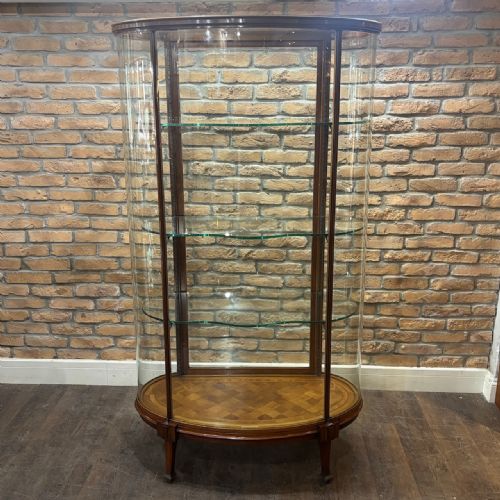
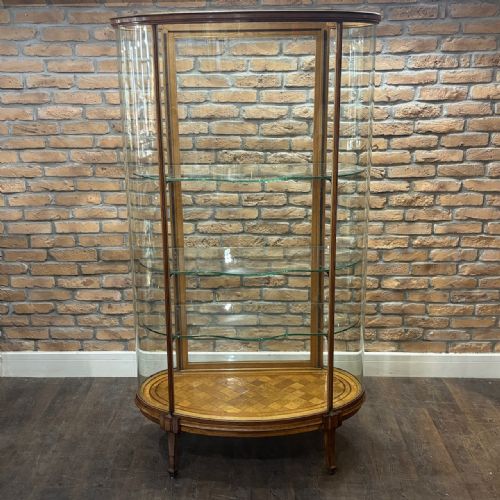
The distinction between standard commercial joinery and finer workshop output lies in the integration of specialised glazing, such as curved bow glass panes and detailed brass framing. Superior examples demonstrate precise timber selection, particularly in figured mahogany or quarter-sawn oak frames.
Original hardware, including working locks with keys, maker plaques and intact mirrored backs, elevates the standing of a cabinet. The presence of authentic merchant branding or etched glass advertising contributes to the historical interest of the piece.
F. Sage & Co·Dudley & Co·John Stow Ltd
The Glass Shop Cabinet Glossary
- Bow end
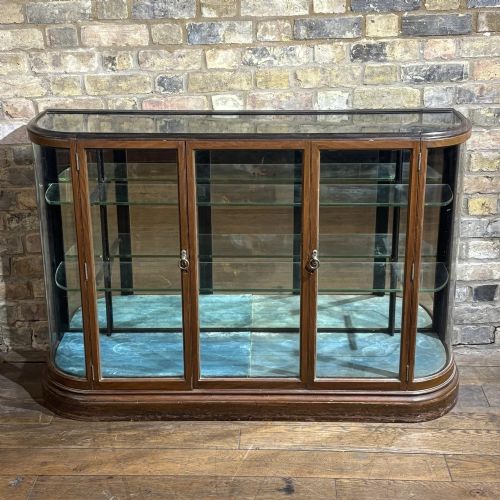
- A cabinet featuring curved glass panes at one or both ends, allowing increased visibility from multiple angles. This technique required skilled glass bending.
- Haberdashery cabinet
- A multiple-drawer or glazed unit originally utilised in drapery shops to organise small sewing items, ribbons and cottons. Collectors value their numerous compartments.
- Countertop display case
- A smaller glazed showcase designed to sit upon a shop counter for customer browsing. These units were frequently utilised by confectioners and chemists.
- Ebonised
- Timber treated with a dark stain or finish to imitate ebony. This technique gained popularity during the late nineteenth century for a formal appearance.
- Bijouterie case
- A shallow glass-topped table or cabinet created for displaying jewellery, medals or small specimens. They typically feature hinged lids lined with fabric.
Glass Shop Cabinet: Frequently Asked Questions
What is a glass shop cabinet?
A glass shop cabinet is a glazed commercial showcase originally built for retail merchants to exhibit merchandise. They combine sturdy timber frames with extensive glass panels to protect objects while keeping them visible.
Today, these cabinets serve as display furniture in homes, allowing collectors to exhibit small items securely away from dust.
How do I date a glass shop cabinet?
Dating relies on examining the timber species, construction techniques, hardware and any surviving maker signatures or merchant branding. Victorian and Edwardian examples often feature solid mahogany or oak with brass fittings.
Later pieces from the nineteen thirties introduce materials like chrome and aluminium alongside simpler geometric lines. Comparing the joinery style to known periods helps narrow down the decade of manufacture.
Where were these cabinets used?
These cabinets originated in various nineteenth and early twentieth-century retail environments including pharmacies, drapers, jewellers and grocers. Merchants utilised them on countertops or as freestanding floor units to showcase goods.
Specific trades commissioned specialised designs, such as shallow cases for haberdashery or mirrored backs for chemist bottles and confectionery.
How do I maintain the glass and wood?
Maintenance involves cleaning the glass panels with standard glass cleaner while avoiding harsh chemicals that might damage aged wood finishes. Timber frames benefit from occasional application of appropriate wax or polish to preserve the condition.
Care should be taken with adjustable glass shelves to prevent chipping the edges during cleaning or rearranging displayed items.