



Glass Picture Frame
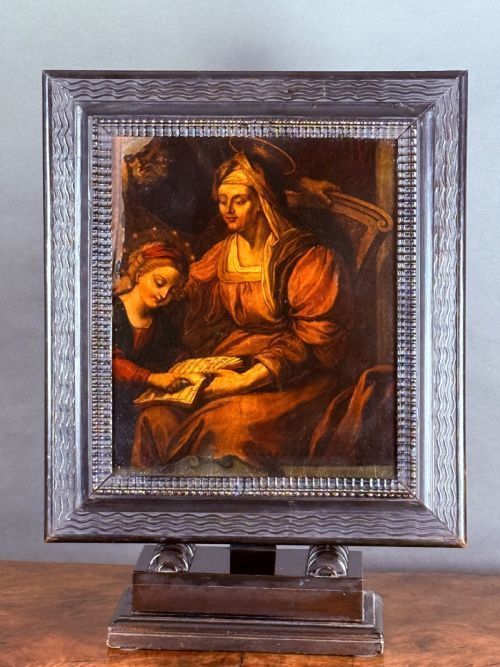
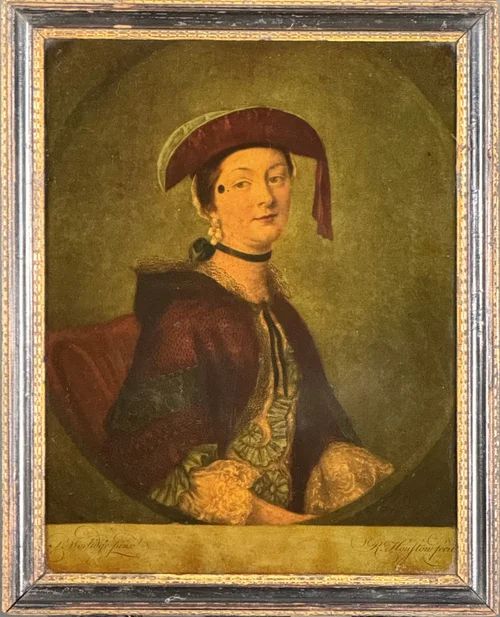
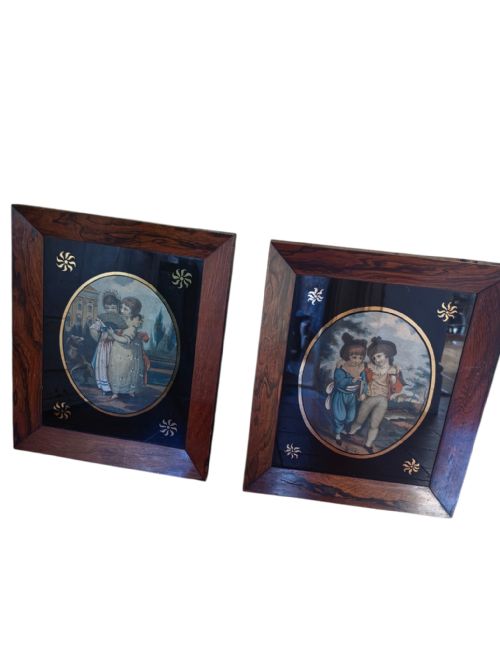
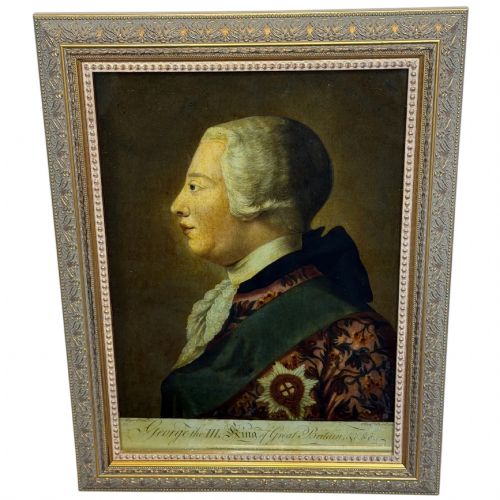
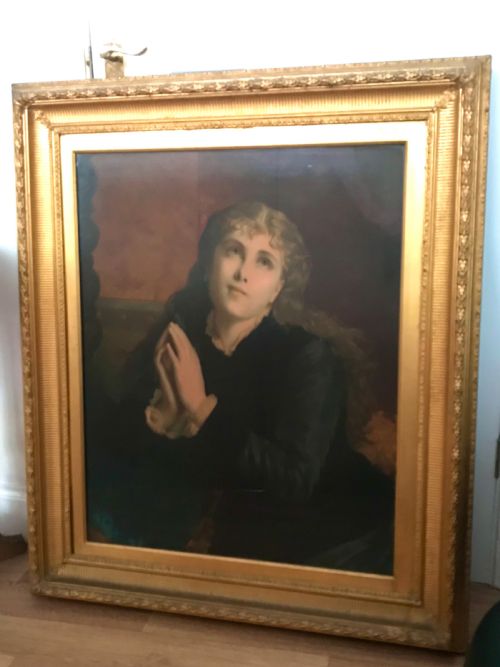
When searching for a glass picture frame, collectors encounter historic reverse-painted mezzotints, mirrored surrounds, and delicate housings holding portraits or prints.
Glass Picture Frame
A glass picture frame encompasses both protective glazing housings and structural frames constructed entirely of mirrored or decorated glass panels. Within this category, buyers frequently encounter 18th-century and Georgian reverse glass prints alongside Art Deco peach and green mirrored surrounds.
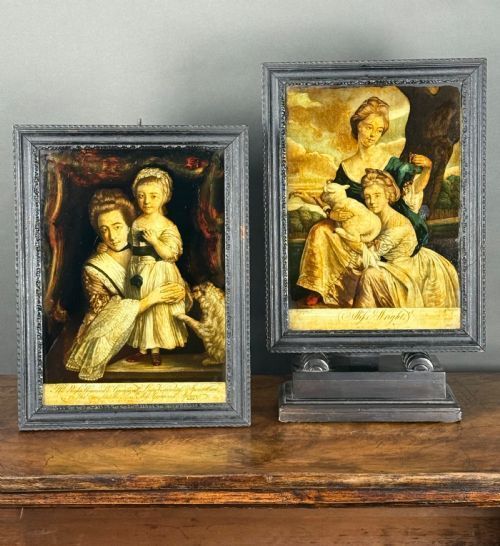
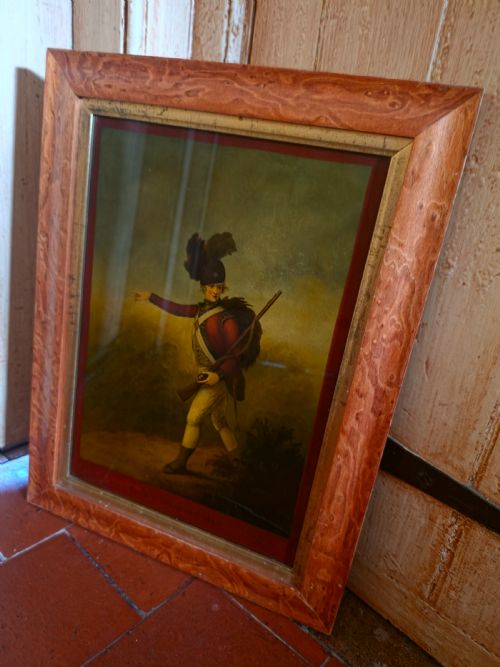
The objects span wall art, domestic portraits, and free-standing desk accessories executed across the 18th, 19th, and early 20th centuries. Pieces range from delicate reverse-painted mezzotints housed in wooden surrounds to substantial bevelled glass looking-glass structures.
How They Were Made
Reverse glass painting involves applying pigment, oil paint, or mezzotint directly to the back of a glass sheet so the final image is viewed clearly through the front surface. Artisans also utilised eglomise techniques, combining silver or gold leaf with painted details on glass.
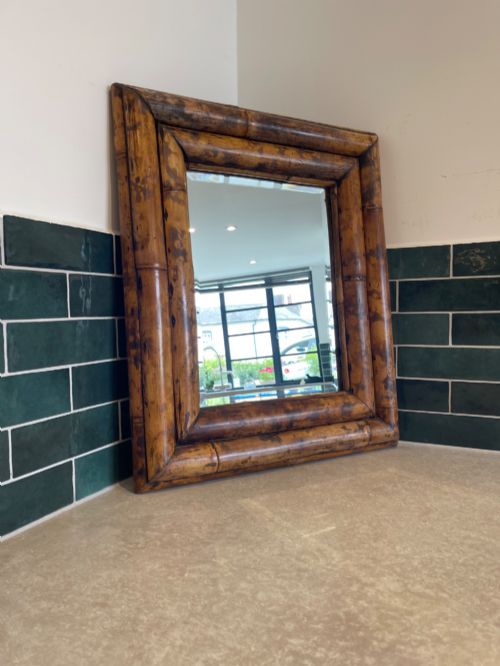
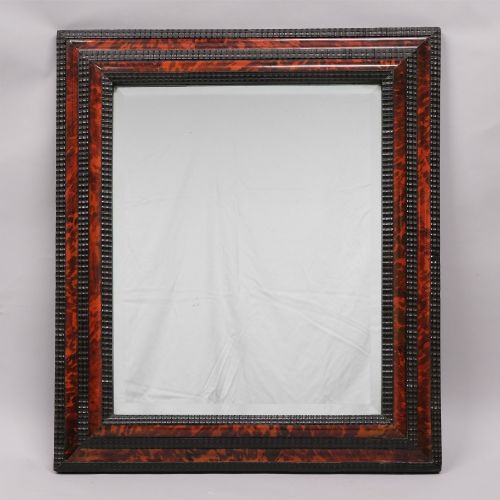
Surrounding housings rely on traditional materials including giltwood, rosewood, maple, tortoiseshell, and chrome, often fitted with bevelled mirror plates or protective panes secured over paper, canvas, or silkwork.
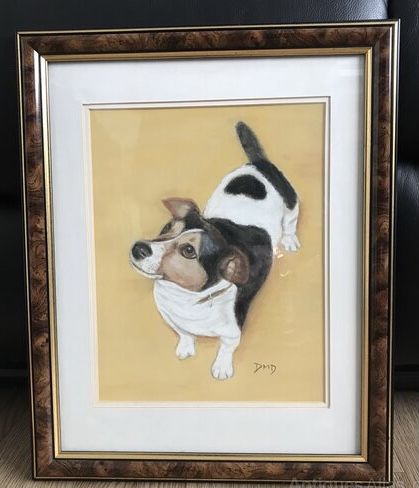
Dogs and children feature frequently in these antique glass pictures, reminding viewers that past households loved pets just as much.
What Varies in Quality
Quality rests upon the precision of the reverse painting technique and the integrity of the original glass plate. Fine examples display sharp detail in the mezzotint or pigment without flaking, bubbling, or modern restoration to the painted layer.
The craftsmanship of the enclosing frame dictates overall distinction, distinguishing standard commercial surrounds from finely carved giltwood, ripple-moulded tortoiseshell, or bespoke Art Deco bevelled mirror constructions.
Fletcher·Sebastiaan Vrancx·Charles Spooner·Richard Purcell·Robert Sayer·Abraham Cooper·Takabatake Kasho·W. Bishop·Richard Phillips·J.M. Arundele
The Glass Picture Frame Glossary
- Reverse glass painting
- A technique where the artist paints or prints directly onto the rear of a glass sheet, viewed from the unpainted front side. This method protects the pigment from dust and atmospheric wear.
- Mezzotint
- A printmaking process where the copper plate is roughened to achieve rich tonal gradations, often transferred onto glass for reverse painting. Eighteenth-century publishers produced many notable portraits using this method.
- Eglomise
- A cold decoration technique where gilt or silver leaf is applied to glass and scratched or painted upon. The process creates reflective, metallic borders popular in decorative panels.
- Crystoleom
- A Victorian method of applying a colour print to convex glass, rubbing away the paper backing, and hand-painting the remaining transparent layer in oil or watercolour. These pieces sit in curved settings.
- Bevelled glass
- A glass pane with edges ground and polished at an angle to catch light. This treatment adds depth and refinement to mirrors and frames.
Glass Picture Frame: Frequently Asked Questions
What is a reverse glass print?
A reverse glass print is an image transferred or painted onto the back of a glass sheet. Viewers look through the smooth front surface to see the finished composition.
This technique protects the delicate pigments from oxidation and dirt. It requires skilled execution because artists must work in reverse order, painting foreground details before background elements.
How do I date a glass frame?
Dating relies on examining the materials of the enclosing structure, such as rosewood, giltwood, or chrome, alongside the mounting techniques on the reverse. Georgian and 18th-century examples often feature hand-beveled glass and specific mezzotint portrait subjects.
Later Art Deco pieces from the 1930s utilise peach and green mirrored glass with clean geometric lines. Fastening methods like old screws and handmade backing boards also help confirm the period.
Were these always meant for walls?
While many reverse glass pictures and large mirrors were hung on walls, numerous variations served different functions. Smaller Art Deco frames were designed as free-standing desk accessories.
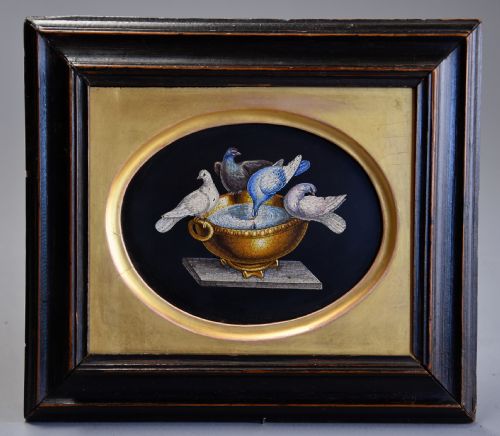
Other pieces incorporate locket mechanisms or shadow box housings for textiles, micromosaics, and beadwork fragments. Domestic placement varied according to the object's size and weight.