
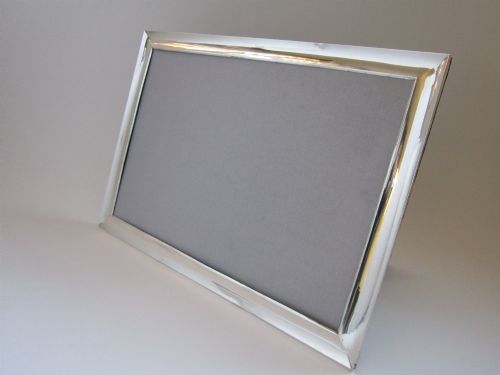
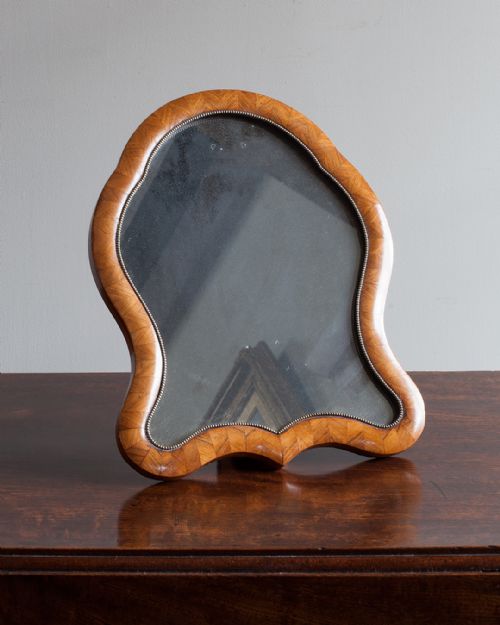
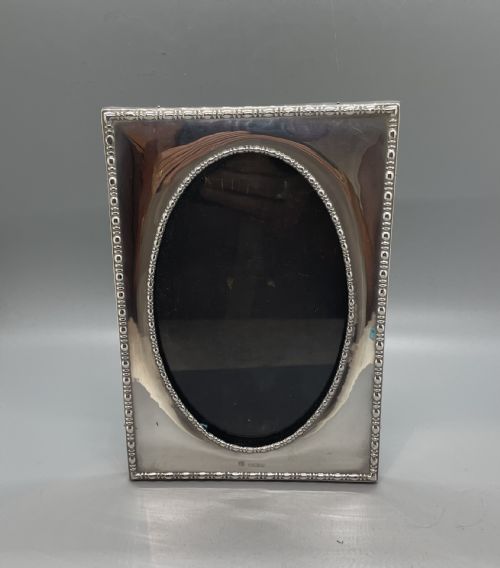
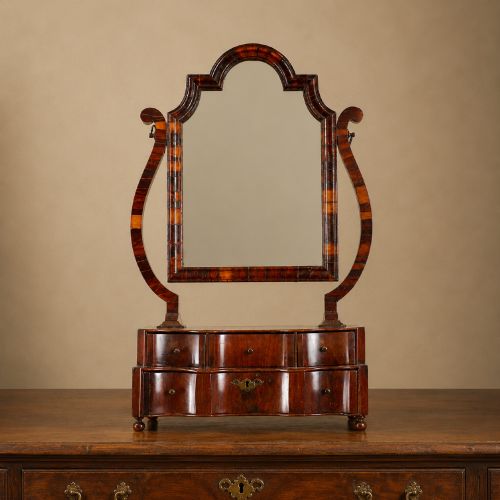
Vintage Tabletop Frame
A vintage tabletop frame brings intimacy and character to a desk or mantelpiece, holding portraits and small mirrors in metals, woods, and glass.
Vintage Tabletop Frame
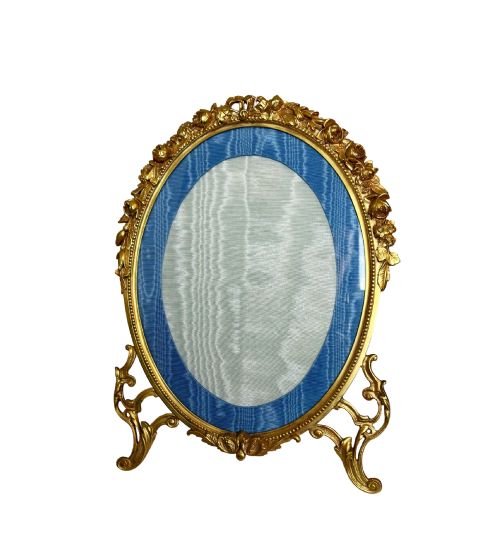
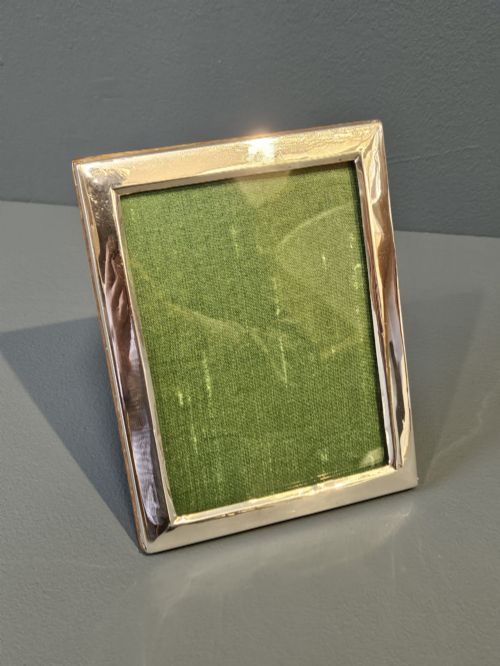
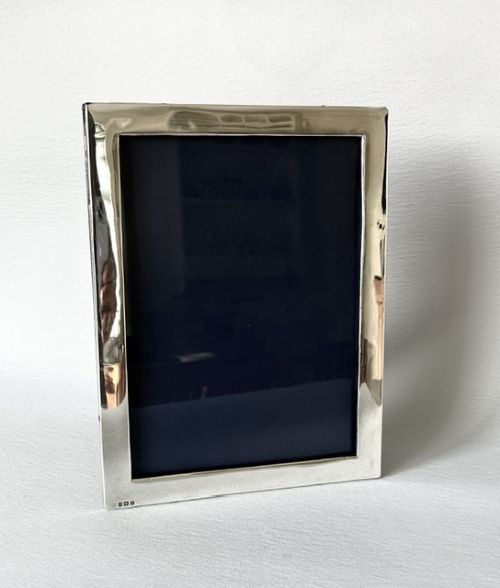
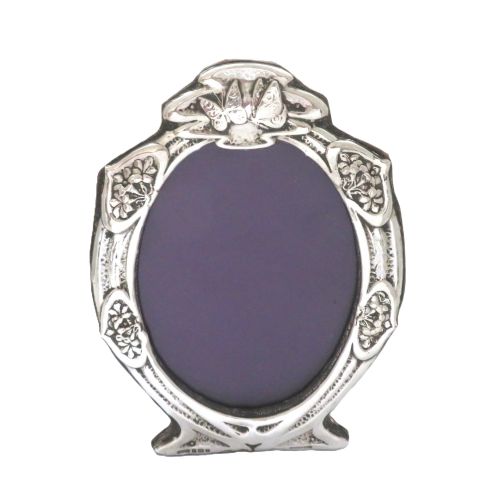
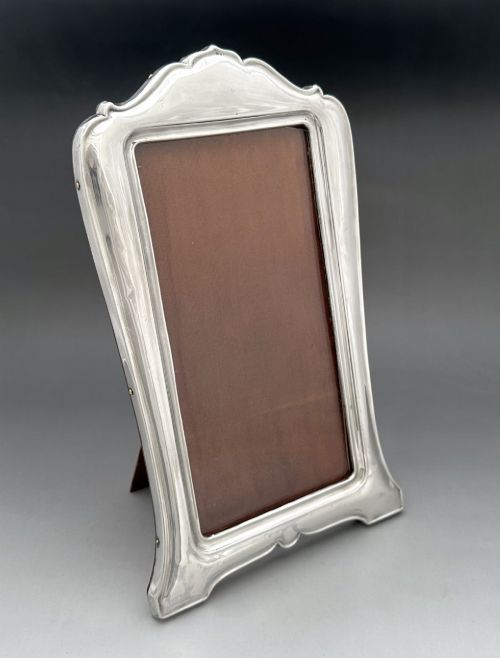
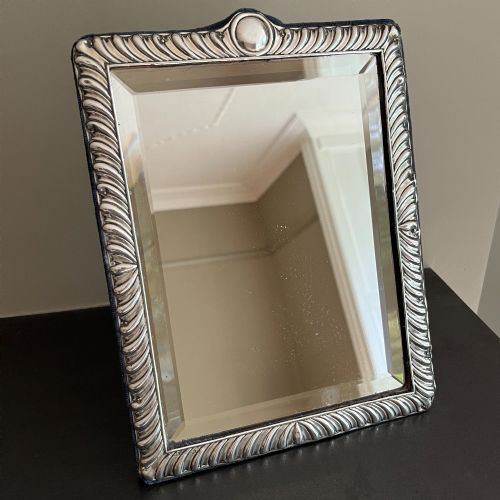
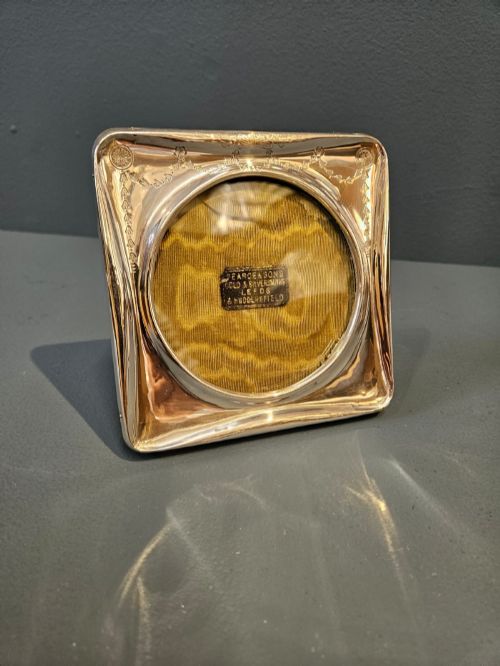
A vintage tabletop frame encompasses standing picture frames, photograph frames, and dressing table mirrors designed to sit on furniture rather than hang upon a wall. Buyers searching this phrase meet an array of objects intended for domestic display, ranging from compact desk portraits to large vanity mirrors.
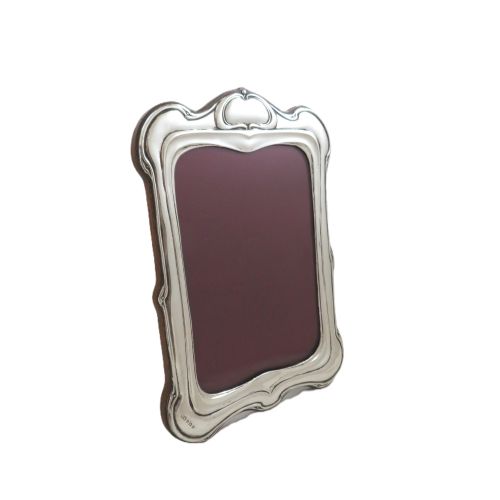
The selections span periods from the nineteenth century through the Edwardian era and the 1920s, reflecting changing domestic fashions. Forms vary from simple rectangular profiles to heart shapes and oval formats supported by rear struts or easel backs.
Most examples found here combine precious metals, gilt bronze, or polished timbers with glass fronts and wooden or velvet backing boards. Their primary purpose remains the presentation of cherished likenesses or the reflection of light within a room.
Materials and Construction
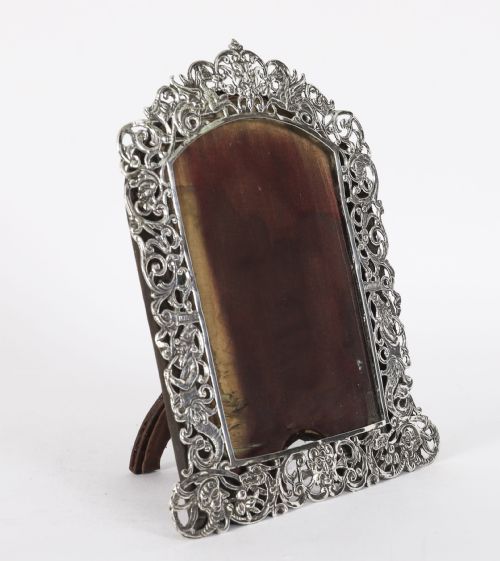
Makers utilised sterling silver and silver plate for many domestic frames, often applying embossed floral borders or precise engine-turned patterns to the metal surface. These metallic faces were typically mounted onto sturdy wooden backings fitted with fabric stands for tabletop stability.
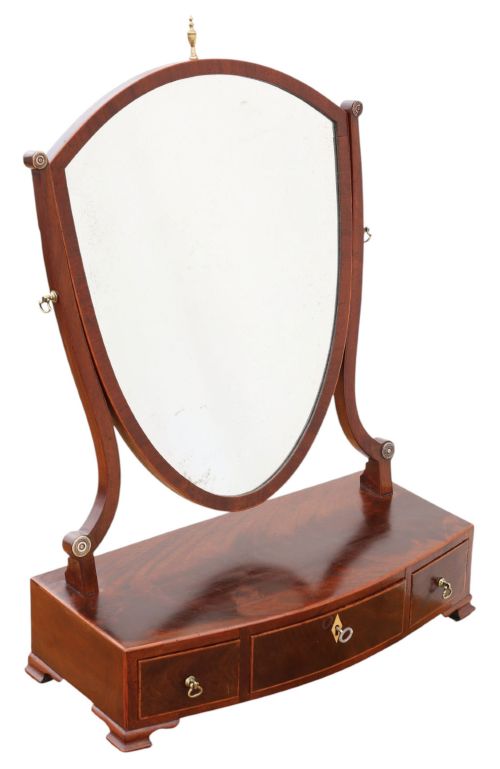
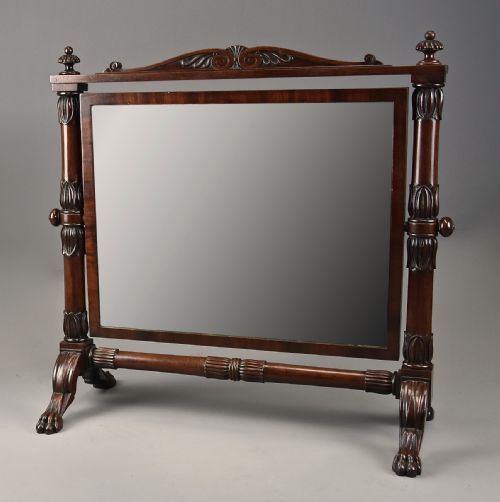
Cabinet makers worked with timber such as mahogany, kingwood, walnut, laburnum, and carved giltwood to construct swing mirrors and folding easel frames. Glass elements, including cut glass and silver gilt mirrors, were set securely into these wooden or bronze housings.
Listings feature sterling silver, gilt bronze, mahogany, and glass across the Victorian, Edwardian, and George V periods.
Distinctions in Quality
The standard of a vintage tabletop frame rests upon the crispness of its cast or chased ornamentation and the integrity of its structural joints. Superior examples display deep relief work in silver or bronze and utilise dense hardwoods rather than lighter secondary timbers.
Weight and balance distinguish finer pieces, ensuring the frame stands firmly on its easel or swing pivots without tipping. The preservation of original components, such as wooden backing boards, velvet struts, and mirror glass, dictates the standing of an individual piece.
Jacob & Co.·Else Preußner
The Vintage Tabletop Frame Glossary
- Strut mirror
- A looking glass supported by a hinged prop at the back, allowing it to stand upright on a dressing table or desk.
- Engine-turned
- A mechanical decoration technique producing intricate geometric patterns etched into metal surfaces.
- Gilt bronze
- An alloy of copper and zinc coated with a thin layer of gold, commonly used for decorative frames.
- Easel back
- A hinged leg attached to the rear of a picture frame that props it up on horizontal surfaces.
- Cheval mirror
- A full-length or large dressing table mirror hung within a frame that permits it to swing at an angle.
Vintage Tabletop Frame: Frequently Asked Questions
How do I clean a silver tabletop frame?
Silver frames require gentle polishing with a soft cloth to maintain the metal without wearing away crisp embossed details or hallmarks.
Care must be taken to avoid getting polish onto the wooden backing boards or velvet supports attached to the reverse.
What is the difference between a photo frame and a picture frame?
Photograph frames are generally sized specifically for standard photographic prints and often feature glass fronts with easel backs.
Picture frames encompass broader artistic works, including oil paintings and decorative panels, which may utilise heavier timber or bronze surrounds.
Can I replace the glass in an antique frame?
Original glass panes are preferred by collectors to maintain authenticity, but replacements can be fitted if the historic glass is broken.
Glaziers should cut replacement glass to fit the exact rebate of the frame without forcing the antique housing.
How were dressing table mirrors used?
Dressing table mirrors provided reflected light and assistance during personal grooming on vanity units or chests of drawers.
Their adjustable swing mechanisms allowed users to alter the angle of reflection according to their seating position.