




Art Deco Picture Holder
An art deco picture holder brings geometric clarity to a desk or mantelpiece, offering a crisp way to display cherished photographs.
Art Deco Picture Holder
When you search for an art deco picture holder, you are looking at frames designed to hold photographs upright using structural stands or folding mechanisms. These pieces range from compact travel items to substantial desk accessories intended for prominent display.
The versions you are most likely to meet on this page span the early decades of the twentieth century, with a strong concentration of pieces from the nineteen-thirties. They appear in forms that reflect the architectural and decorative shifts of the period, from Edwardian antecedents to full modernist geometry.
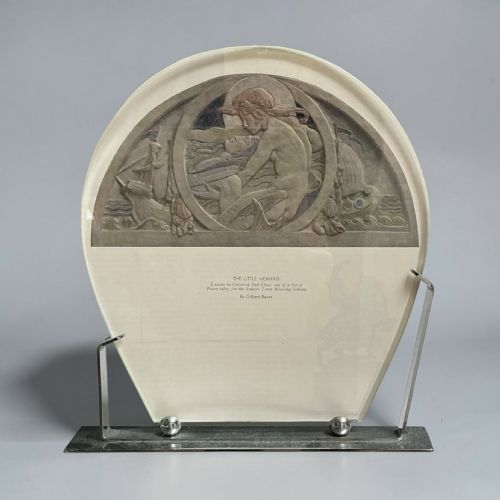
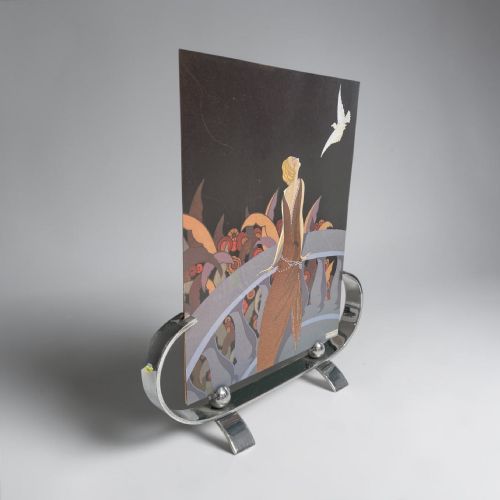
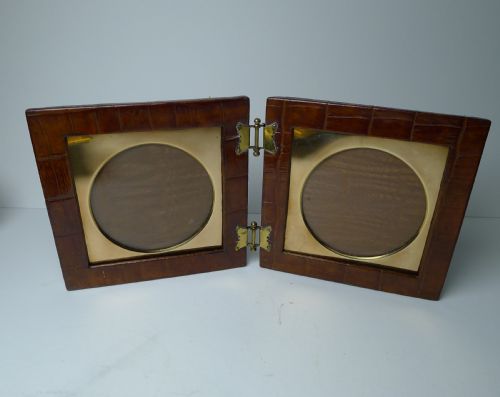
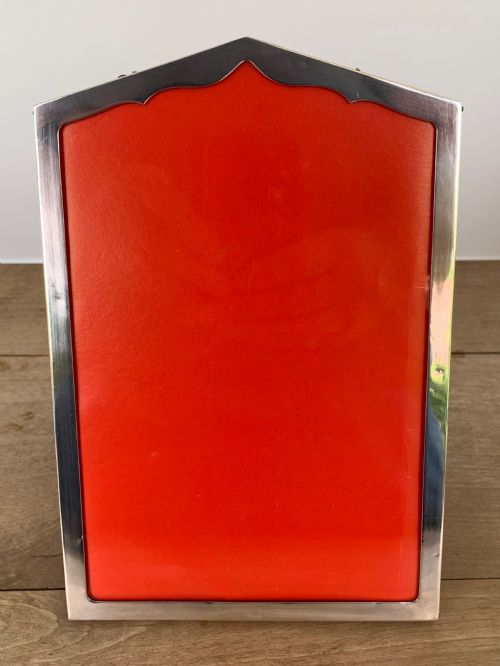
Makers produced these frames in distinct shapes, including oval formats, double folding travel cases, and architectural skyscraper designs. They serve as both functional photograph holders and decorative objects of their era.
How they were made
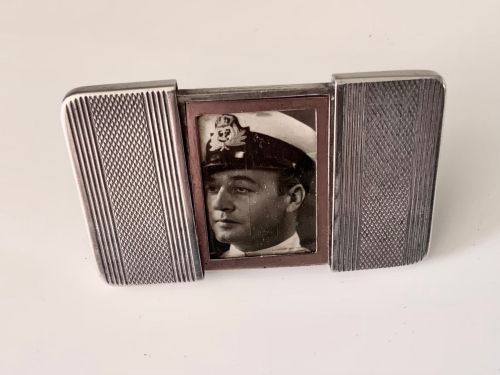
Silversmiths and metalworkers utilised sterling silver, nickel plated metal, and chrome to construct durable frames with clean metallic surfaces. Many silver examples incorporate engine-turned surface patterns that catch the light through precise mechanical engraving.
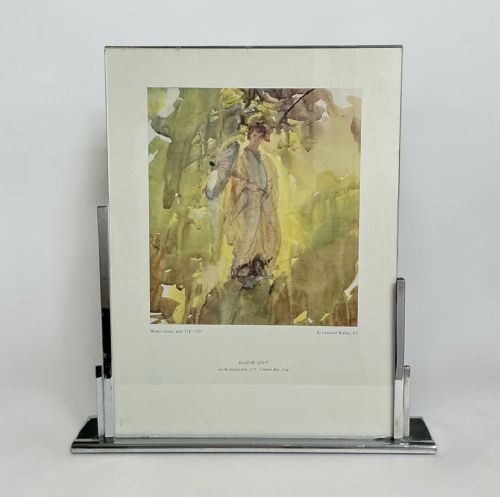
Makers combined glass panels with metal housings to protect photographs while maintaining transparency, alongside structural elements in wood and copper. Travel versions frequently wrapped rigid internal cores in textured leatherette finishes like crocodile to withstand movement.
Art Deco Picture Holder Retail Price Guide 2026
Typical asking prices for art deco picture holder among the pieces listed under this phrase on Sellingantiques today, from the lower quarter to the upper quarter. They describe what is for sale here now, not the wider market.
Crocodile-patterned folding travel frames let Edwardians take their dearest faces on bumpy train rides without losing a single smile.
What varies in quality
The distinction between ordinary and superior examples lies in the crispness of the metalwork and the complexity of the manufacturing technique. Engine-turned silver and heavy gauge sterling display a tactile weight and precision that lighter plated alternatives lack.
Quality also shows in the architectural ambition of the design, such as tiered skyscraper silhouettes and specialised easel backs that secure the frame firmly without wobble. The integration of materials, from clean glass fitting to secure hinges on folding travel frames, separates standard utility items from finer studio production.
Deakin & Francis
The Art Deco Picture Holder Glossary
- Engine-turned
- A mechanical method of engraving precise geometric patterns onto metal surfaces. This technique creates a textured, light-catching finish seen on finer silver frames.
- Skyscraper
- An architectural style of the period characterised by vertical emphasis and stepped forms. Frames of this type mimic the silhouette of modern city towers.
- Sterling silver
- An alloy containing a high proportion of pure silver mixed with strengthening metals. It provides the heavy substance and polish found on premier period photograph frames.
- Nickel plated metal
- A base metal coated with a thin layer of nickel to resist corrosion and provide a bright finish. It was widely utilised for durable, shiny frames during the thirties.
- Leatherette
- A simulated leather material used to cover the exterior of folding and travel frames. It offers a practical, textured surface that protects the contents during transit.
Art Deco Picture Holder: Frequently Asked Questions
What is an art deco picture holder?
An art deco picture holder is a decorative frame designed to display photographs on a flat surface using an easel back or folding stand.
These pieces utilise metals, glass, and leatherette to combine practical utility with the characteristic geometric style of the period.
How were they used originally?
People placed these frames on office desks, dressing tables, and mantelpieces to display portraits of family members.
Travel variants were built with folding panels to protect photographs securely inside luggage while moving between locations.
How do I tell periods apart?
Earlier pieces from nineteen-ten often show Edwardian influences with softer decorative flourishes, whereas items from nineteen-thirty embrace starker modernist lines.
Skyscraper silhouettes and unadorned chrome point firmly to the later nineteen-thirties aesthetic.
What materials should I expect?
The selection includes sterling silver, nickel plated metal, chrome, glass, wood, copper, and textured leatherette.
Silver and chrome dominate the metallic options, frequently paired with clear glass plates to shield the photograph.