




Freestanding Glass Frame
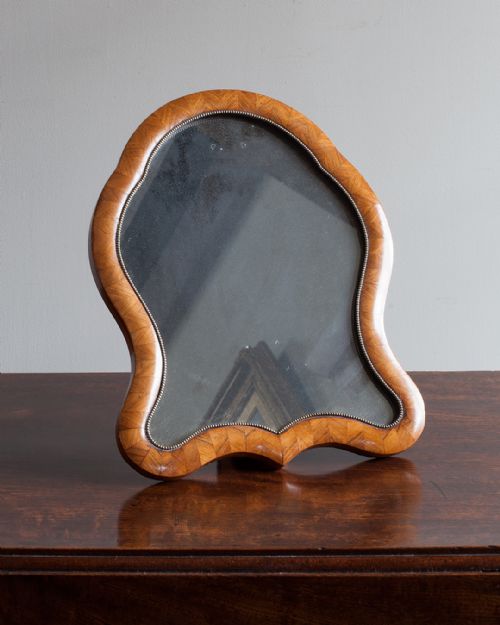
A freestanding glass frame sits on surfaces to hold photographs or mirrors, bringing polished timber and polished glass into domestic rooms.
Freestanding Glass Frame
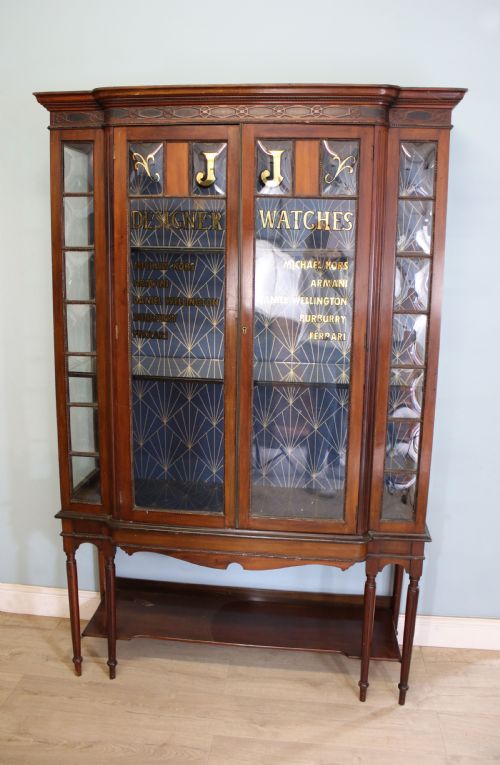
A freestanding glass frame takes the form of dressing table mirrors, cheval mirrors, display cabinets, and picture frames across this selection. These pieces date from the Georgian, Regency, Victorian, Edwardian, and Art Deco periods, spanning the nineteenth and twentieth centuries.
The materials seen in these objects include mahogany, kingwood, satinwood, brass, steel, silver plate, and leather alongside glass. Forms range from large floor-standing cheval mirrors to small table mirrors and glazed cabinets designed for display.
Makers and origins include work stamped by Henry Matthews in Birmingham alongside French Rococo Revival styles and George III designs. Buyers encounter everything from inlaid Edwardian mahogany frames to 1930s chrome and glass picture frames.
Materials and construction methods
Cabinet makers utilised dense hardwoods such as mahogany and exotic timbers like kingwood and satinwood for the structural frames and cabinet bodies. These woods often feature inlaid details, turned frames, and polished surfaces characteristic of fine cabinet work.
Metal components incorporate cast brass, silver plate, steel, and chrome to support the swinging mirror plates or frame structures. Glass elements are glazed within the timber or metal surrounds, supported by easel backs or pivoting side standards.
Materials recorded across the inventory include mahogany, kingwood, satinwood, brass, steel, silver plate, leather, and glass.
Judging quality and craftsmanship
Quality rests upon the selection of timber grain, the precision of the inlay, and the weight of the supporting brass or steel mounts. Superior pieces display harmonious proportions and careful joinery that keeps tall cheval mirrors steady on their turned frames.
The finish of the glass and the execution of carved or cast details distinguish finer examples from standard production items. Hallmarks on silver elements and the crispness of Edwardian or Regency mouldings indicate skilled workshops.
Henry Matthews
The Freestanding Glass Frame Glossary
- Cheval mirror
- A full-length mirror hung in a frame that allows it to swing at an angle. These tall pieces typically stand on four feet with vertical side supports.
- Triptych dressing table mirror
- A three-panel mirror where the two outer hinged wings fold over the central plate. This allows the user to view angles from multiple sides.
- Easel mirror
- A table-top mirror supported by a hinged prop or leg at the rear. This design props the glass frame at an inclined viewing angle.
- Kingwood
- A dense, heavy Brazilian timber with rich dark violet-brown colouring and lighter streaks. Cabinet makers utilised this decorative wood for fine nineteenth-century table mirrors.
- Satinwood
- A pale, hard timber from Ceylon with a lustrous satin-like sheen. Craftsmen used it for contrasting inlay work on mahogany frames.
Freestanding Glass Frame: Frequently Asked Questions
How do I date a freestanding glass frame?
Dating relies on the combination of timber species, hardware, and stylistic details such as George III proportions or Art Deco chrome. Examining the construction of the frame joints and back panels also reveals the period.
Makers' marks or silver hallmarks, such as those from Birmingham, provide precise manufacturing years for plated and silver easel mirrors.
What is the difference between a cheval mirror and a table mirror?
A cheval mirror stands independently on the floor as a large piece of furniture, often featuring floor-length glass in a swinging frame. These require floor space in a bedroom or dressing room.
A table mirror is much smaller and sits upon a dressing table, chest of drawers, or sideboard, supported by feet or an easel back.
Where should I place a display cabinet with glass panels?
These glazed cabinets suit reception rooms or studies where fragile objects or books require enclosed shelving. Their freestanding nature allows placement against suitable walls.
Positioning them away from direct sunlight protects the interior contents and preserves the polished mahogany, kingwood, or leather finishes.
How do I care for antique wood and glass frames?
Maintaining these pieces involves dusting timber surfaces with a soft cloth and avoiding abrasive cleaning agents on the glass or metal mounts. Wax polish preserves the finish on mahogany and satinwood frames.
Keeping frames away from rapid temperature changes prevents the wood from warping and protects the stability of the joints.