

Glass Lantern Pendant
These glass lantern pendant pieces bring focused overhead illumination and period character to hallways and vestibules.
Glass Lantern Pendant
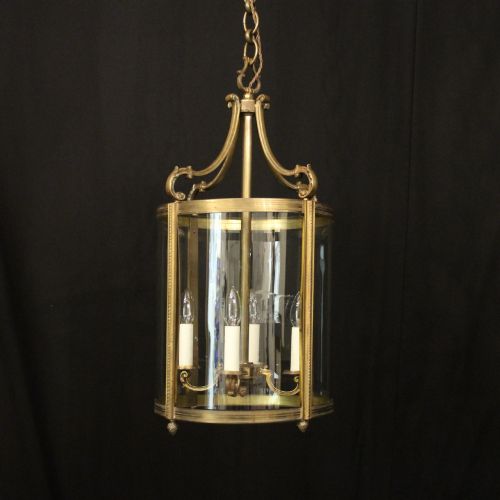
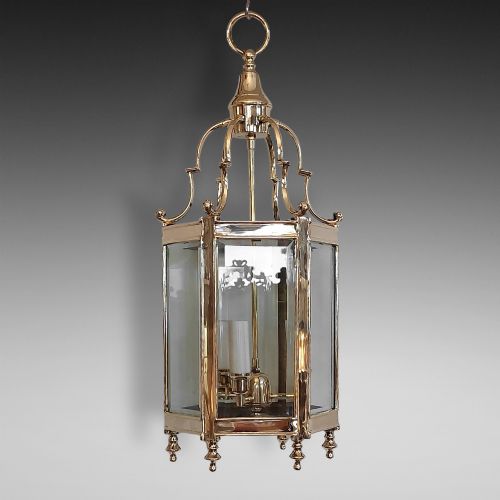
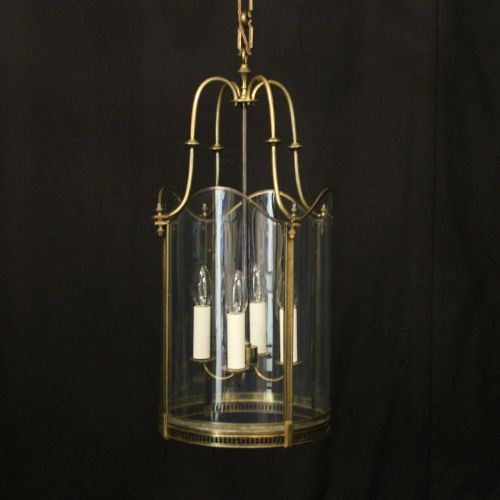
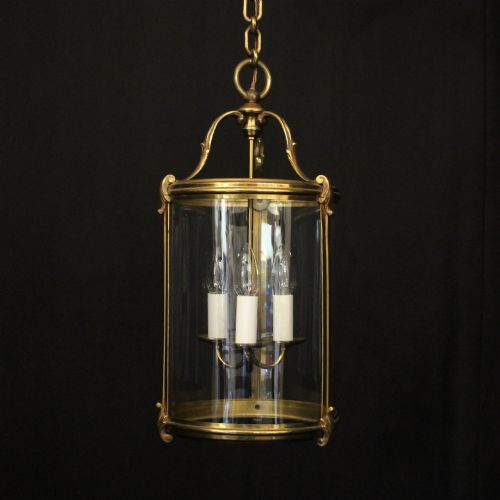
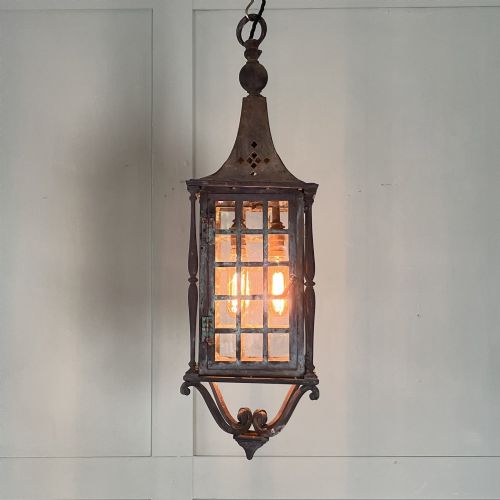
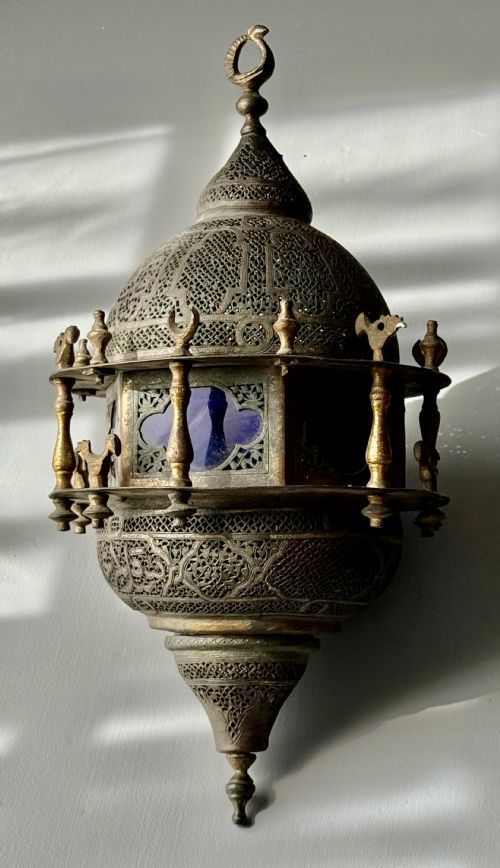
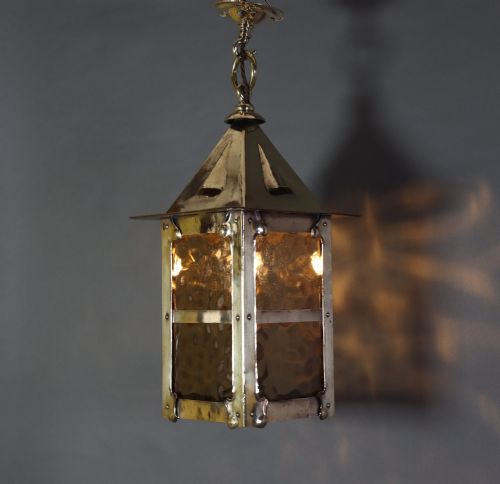
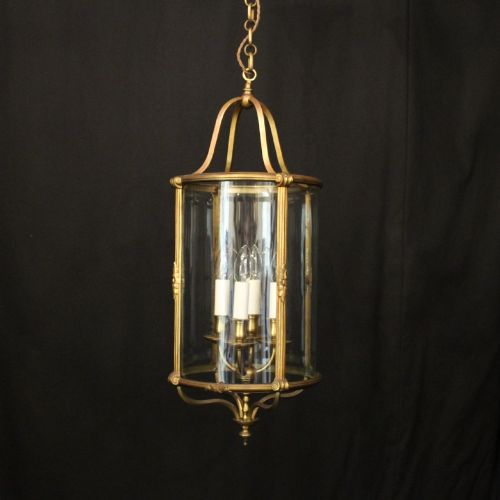
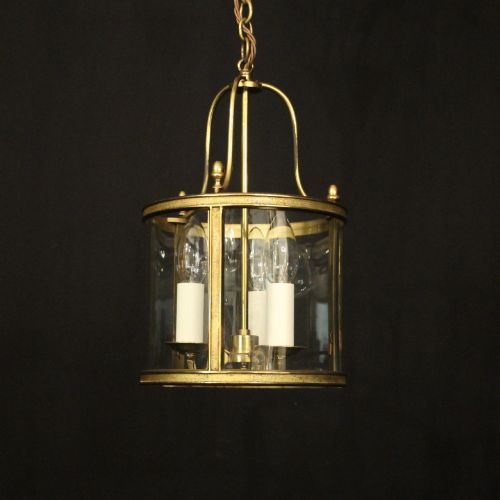
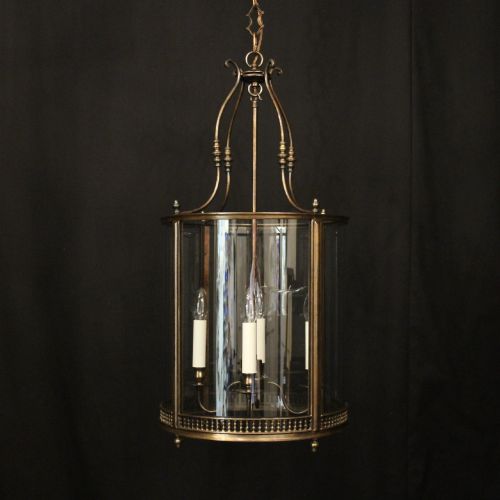
A glass lantern pendant serves as an architectural hanging light designed primarily for hallways, vestibules, and high-ceilinged landings. Buyers seeking these fixtures encounter forms spanning the Victorian era through the early twentieth century, with French gilded and English brass examples appearing frequently on this page.
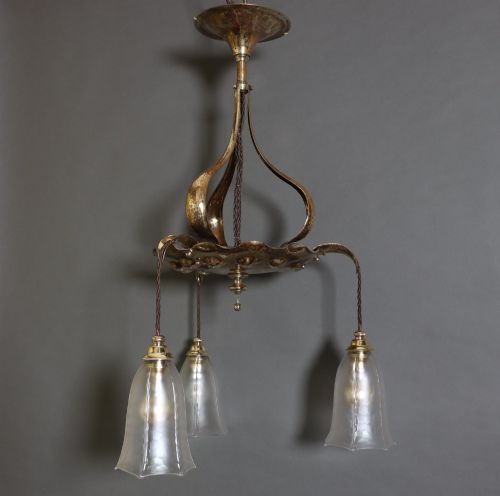
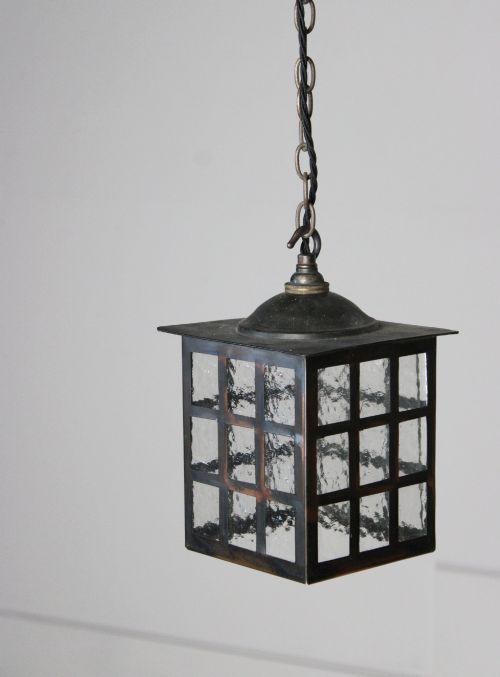
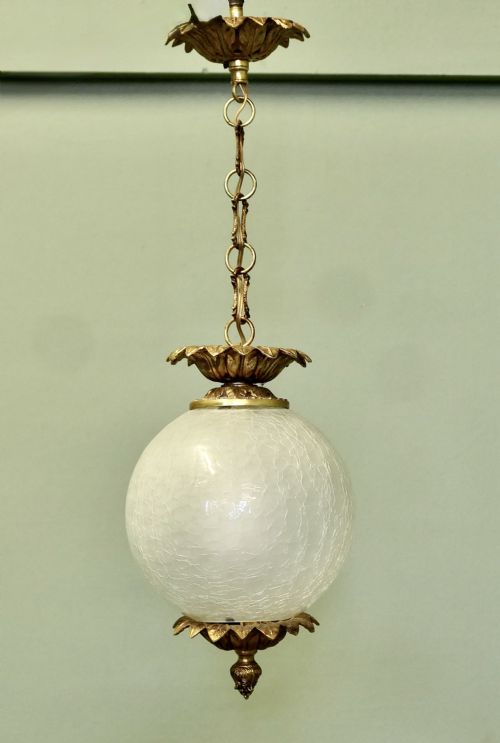
The selection ranges from simple hexagonal frames to monumental multi-light fixtures and convex glass shapes. Common stylistic influences include French Neoclassical, Arts and Crafts, and Gothic Revival aesthetics adapted for domestic interior lighting.
Materials and construction
Frames rely on cast or sheet metals such as brass, gilt bronze, copper, and wrought iron to support the structural weight. These metal components are assembled using mechanical fixings or solder to create rigid housings for the glazing.
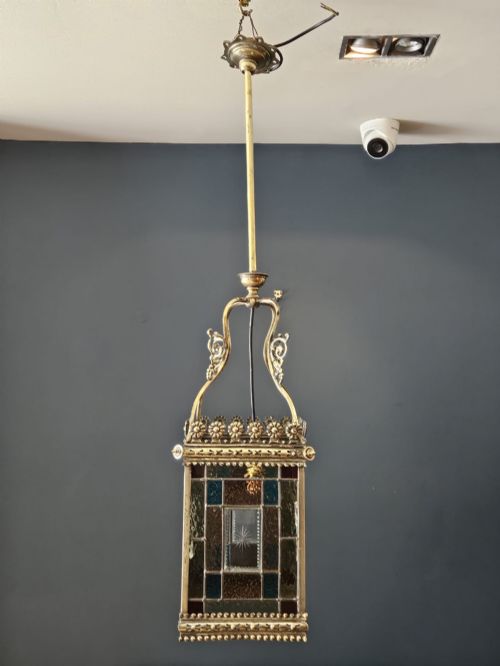
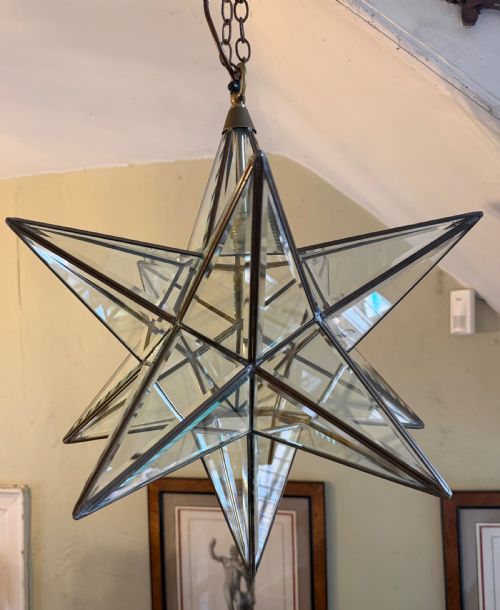
Panels utilise transparent, bevelled, leaded, or hand-blown bullseye glass held within the metal framework. Some examples incorporate decorative etching, stained glass, or curved convex lenses designed to refract light outward.
Periods represented on this page span from the mid-nineteenth century through the art deco era of the 1930s.
Assessing quality in lanterns
Quality reveals itself in the weight and thickness of the metal frame, the precision of the mitred or leaded glass joints, and the crispness of any applied gilding or chasing. Substantial cast bronze or heavy brass construction indicates a higher standard of manufacture than lighter sheet metal alternatives.
The sophistication of the glasswork distinguishes finer examples, particularly where bevelled edges, hand-blown bubbles, or complex convex curves demonstrate specialist glassmaking skill. Original suspension hardware and intact decorative mounts also elevate the integrity of the piece.
Voysey
The Glass Lantern Pendant Glossary
- Convex glass
- Curved glass panels that project outward to diffuse light across a wider angle. This technique appears frequently in French hall lanterns from the early twentieth century.
- Gilt bronze
- Bronze metal treated with a thin layer of gold or gold-coloured alloy to give a rich metallic finish. It resists tarnishing and provides a bright decorative surface.
- Leaded glass
- Individual glass segments joined together by narrow strips of lead channel known as cames. This method allows for geometric or stained glass designs.
- Bulls-eye glass
- Circular blown glass panes featuring a prominent central thick point where the glassblower's punty rod was attached. It creates distorted, textured light patterns.
- Bevelled glass
- Glass panes with angled edges cut and polished to a specific slope. This process catches light and produces prismatic colour reflections.
Glass Lantern Pendant: Frequently Asked Questions
Where should a glass lantern pendant be hung?
These fixtures suit entryways, corridors, and stairwells where overhead suspension provides both illumination and a strong decorative focal point. Their enclosed designs direct light downward while casting patterns through the glazed panels.
Ceiling height dictates the appropriate drop length, ensuring the fixture clears head height while remaining visually balanced within the space.
How do I identify a Victorian lantern?
Victorian examples often utilise heavy brass or copper frames combined with leaded or stained glass panels. Stylistic cues draw on Gothic Revival or utilitarian industrial influences.
Construction methods from this period typically involve heavier gauge metals and traditional mechanical fastenings visible upon closer inspection.
Are these lanterns electrified for modern use?
Many surviving fixtures have been adapted with internal wiring to accommodate standard modern lamp fittings. Rewiring allows historical pieces to function safely within contemporary electrical systems.
Buyers should inspect the internal lamp holders and consult a qualified electrician regarding compatibility with current domestic wiring standards.
What distinguishes French hall lanterns?
French designs from the early twentieth century frequently feature gilded bronze or brass frames with convex glass panels. These models often incorporate multiple internal lightbulbs to brighten formal reception spaces.
The aesthetic leans towards Neoclassical or Art Deco elegance, contrasting with heavier English or Arts and Crafts counterparts.