

Glass Fronted Mahogany Cupboard
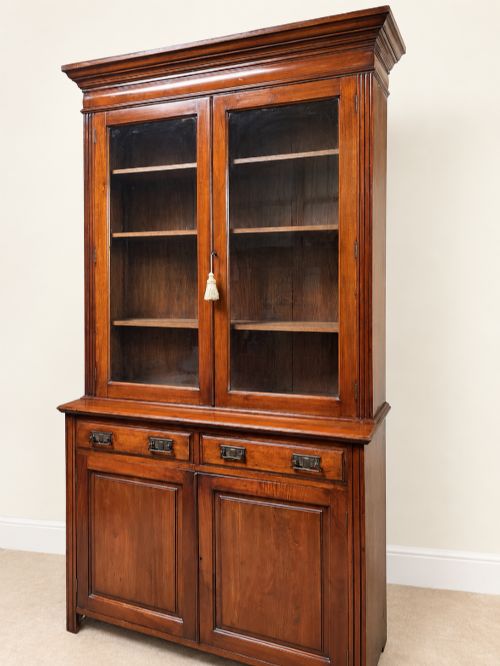
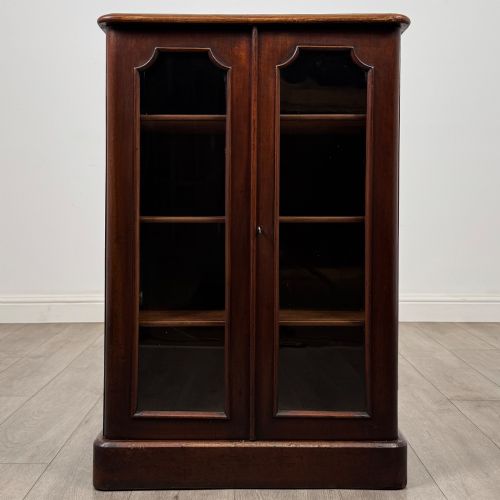
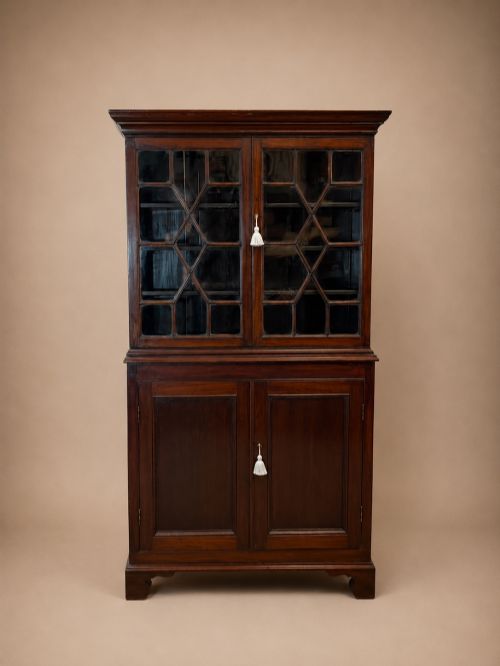
A glass fronted mahogany cupboard brings together rich timber and clear glazing to display and protect cherished books and objects.
Glass Fronted Mahogany Cupboard
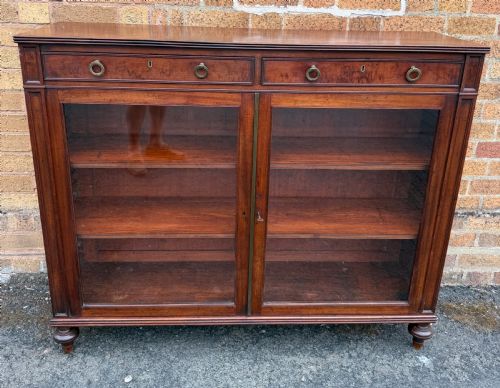
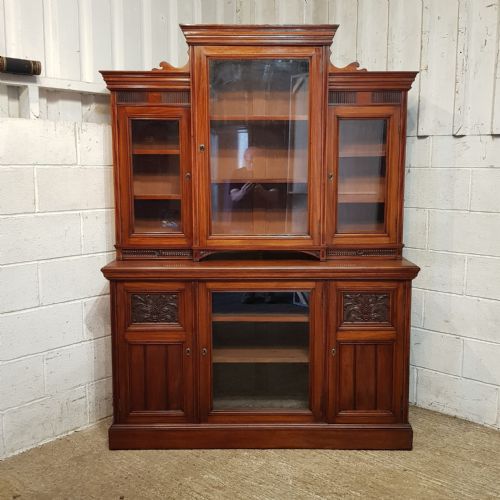
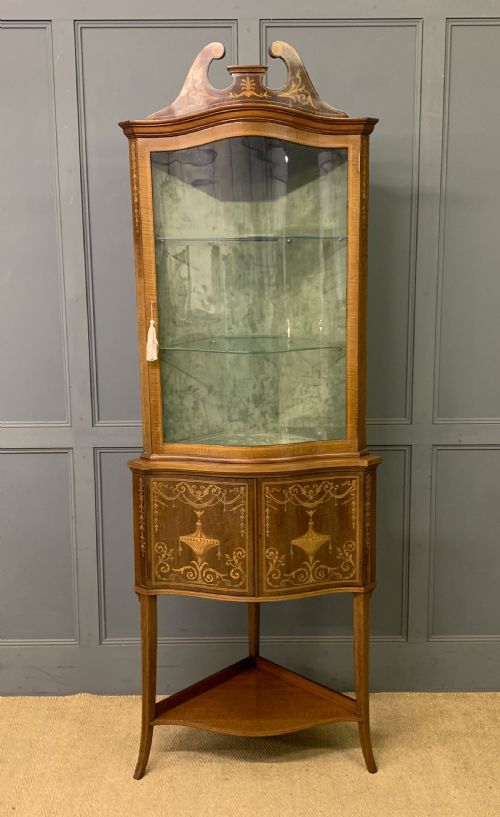
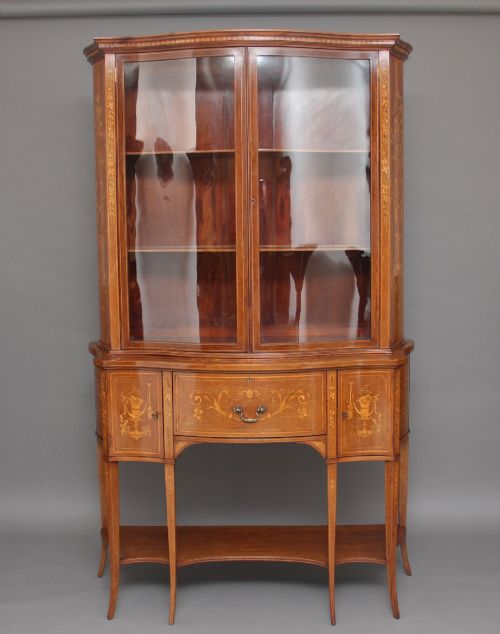
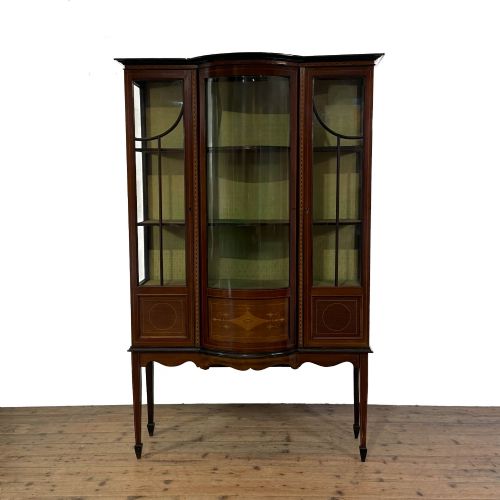
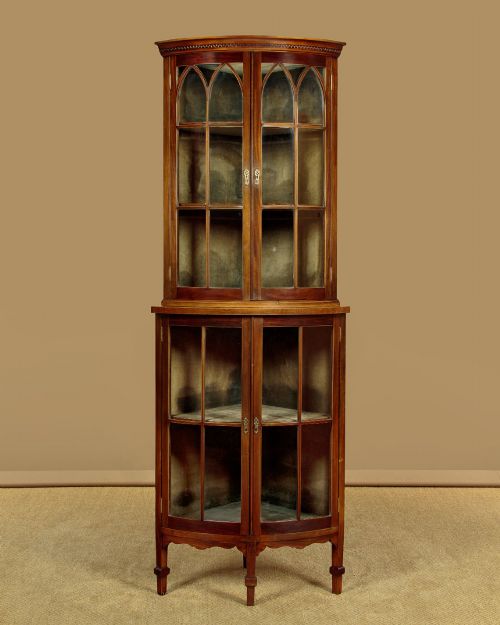
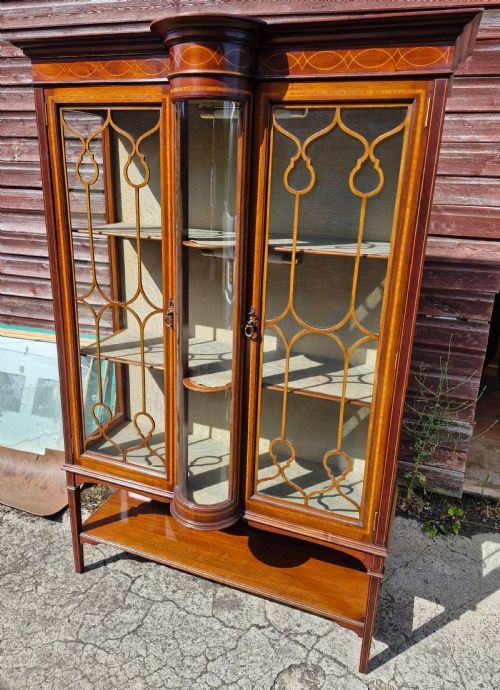
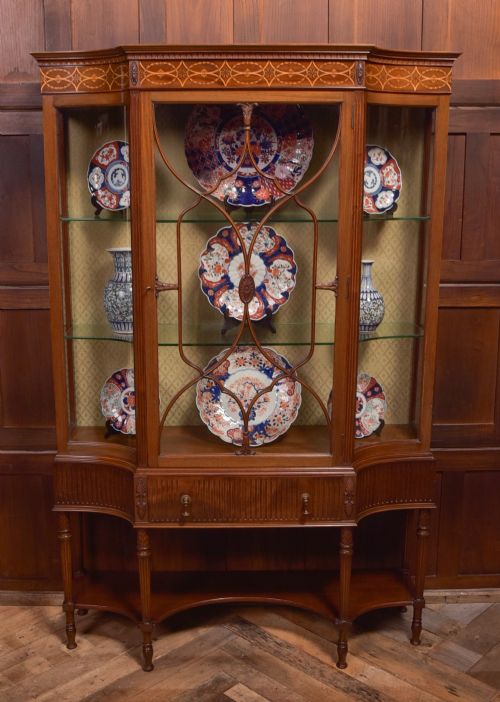
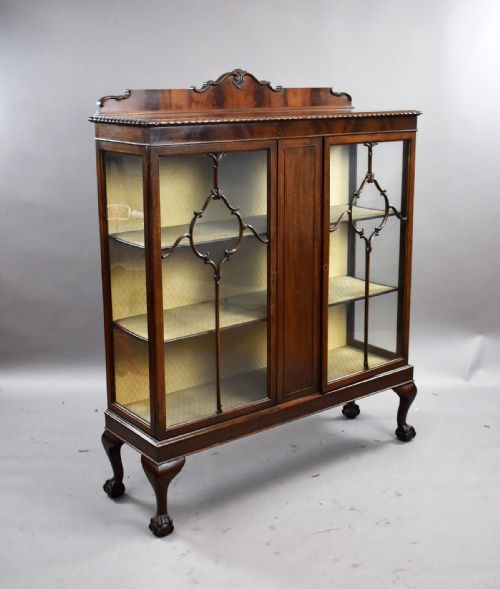
A glass fronted mahogany cupboard serves primarily as a display cabinet, bookcase, or corner unit designed to hold tableware, volumes, or curiosities. These pieces range from compact wall-hanging units to large breakfront libraries and secretaire bookcases.
The selections span distinct historical eras, with a strong representation of Edwardian and nineteenth-century examples alongside Georgian pieces. Styles draw heavily on Sheraton Revival, Chippendale Revival, and George III design idioms.
How they were made
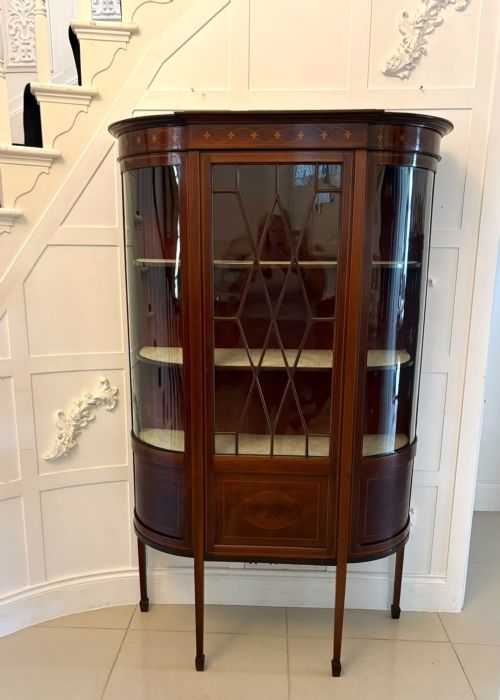
Carpenters utilised solid mahogany and mahogany veneers over secondary timbers, shaping the wood into bow-ended, serpentine, or breakfront carcases. Glass panels are set into timber frames to enclose the shelved interiors.
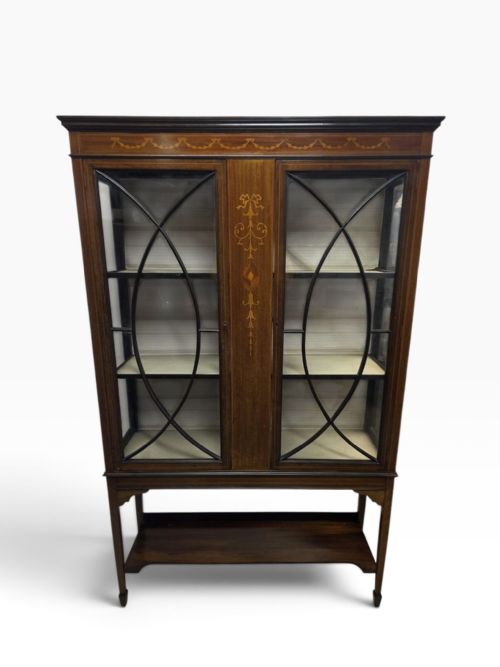
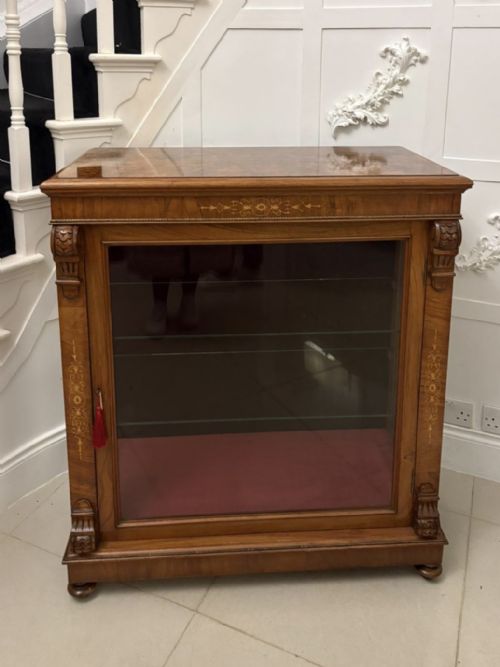
Decoration relies on contrasting timbers and metals, incorporating boxwood and satinwood inlay, marquetry, and brass fittings. Interiors occasionally feature velvet or fabric linings to cushion displayed items.
Listings feature mahogany combined with satinwood inlay, boxwood stringing, and brass hardware across Edwardian and nineteenth-century periods.
What varies in quality
The refinement of the timber and the precision of the cabinetmaking set the standard across these pieces. Fine grain matching, crisp inlay work, and well-executed serpentine or bowed glass doors distinguish superior examples.
Maker attribution and the complexity of the internal configuration, such as integrated secretaire drawers or library shelving, elevate the standing of a piece within its period.
Edwards and Roberts·Maple and Co
The Glass Fronted Mahogany Cupboard Glossary
- Breakfront
- A piece of furniture where the central section projects forward from the flanking outer sections. This architectural arrangement creates depth and visual rhythm across large bookcases and sideboards.
- Secretaire
- A cabinet incorporating a pull-down writing drawer fitted with small pigeonholes and letter compartments. It combines the utility of a desk with the storage of a bookcase.
- Marquetry
- Decorative veneer patterns formed by fitting together thin pieces of wood, shell, or ivory into wood panels. It creates pictorial or geometric surface ornamentation.
- Bijouterie
- A specialised display cabinet with a glazed top and sides designed for small precious objects, medals, or jewellery. These are often raised on slender legs.
- Inlay
- A technique where pieces of contrasting material are inserted into recesses cut into the solid wood surface. Boxwood and satinwood are frequently utilised for this purpose.
Glass Fronted Mahogany Cupboard: Frequently Asked Questions
How do I date a glass fronted mahogany cupboard?
Dating relies on observing the structural proportions, timber characteristics, and decorative motifs present in the piece. Georgian and early nineteenth-century examples often display simpler, robust construction, whereas Edwardian and Sheraton Revival pieces frequently incorporate delicate satinwood inlay and lighter framing.
Examining the glass panels, hinges, and backboards also provides clear indicators of age. Hand-blown cylinder glass and original brass hardware point firmly to earlier manufacturing periods.
Where should I place a corner display cabinet?
A corner display cabinet fits neatly into ninety-degree room angles that standard rectangular furniture cannot utilise effectively. These units make efficient use of unused floor space while drawing the eye upward.
They work well in dining rooms for china or in studies for smaller book collections, keeping the central room open and uncluttered.
Can I store heavy books in these bookcases?
Many nineteenth-century library bookcases and large cabinets were built specifically to hold heavy volumes of text. Their fixed or adjustable shelving rests on sturdy timber supports designed to bear substantial weight.
Lighter display cabinets from the Edwardian period, conversely, suit delicate ceramics and glassware better than dense rows of heavy folios.
What is the difference between a bookcase and a display cabinet?
Bookcases generally feature open shelving or wooden doors, though many surviving examples incorporate glazed doors to keep dust from paper bindings. They prioritise straightforward book storage and accessibility.
Display cabinets focus primarily on visibility, featuring extensive glass panels on the front and sides to showcase decorative objects, porcelain, and curiosities from multiple angles.