







Glass Display Bell Jar
When you search for glass display bell jar, you find protective glass covers used to showcase delicate ornaments, taxidermy, and botanical specimens.
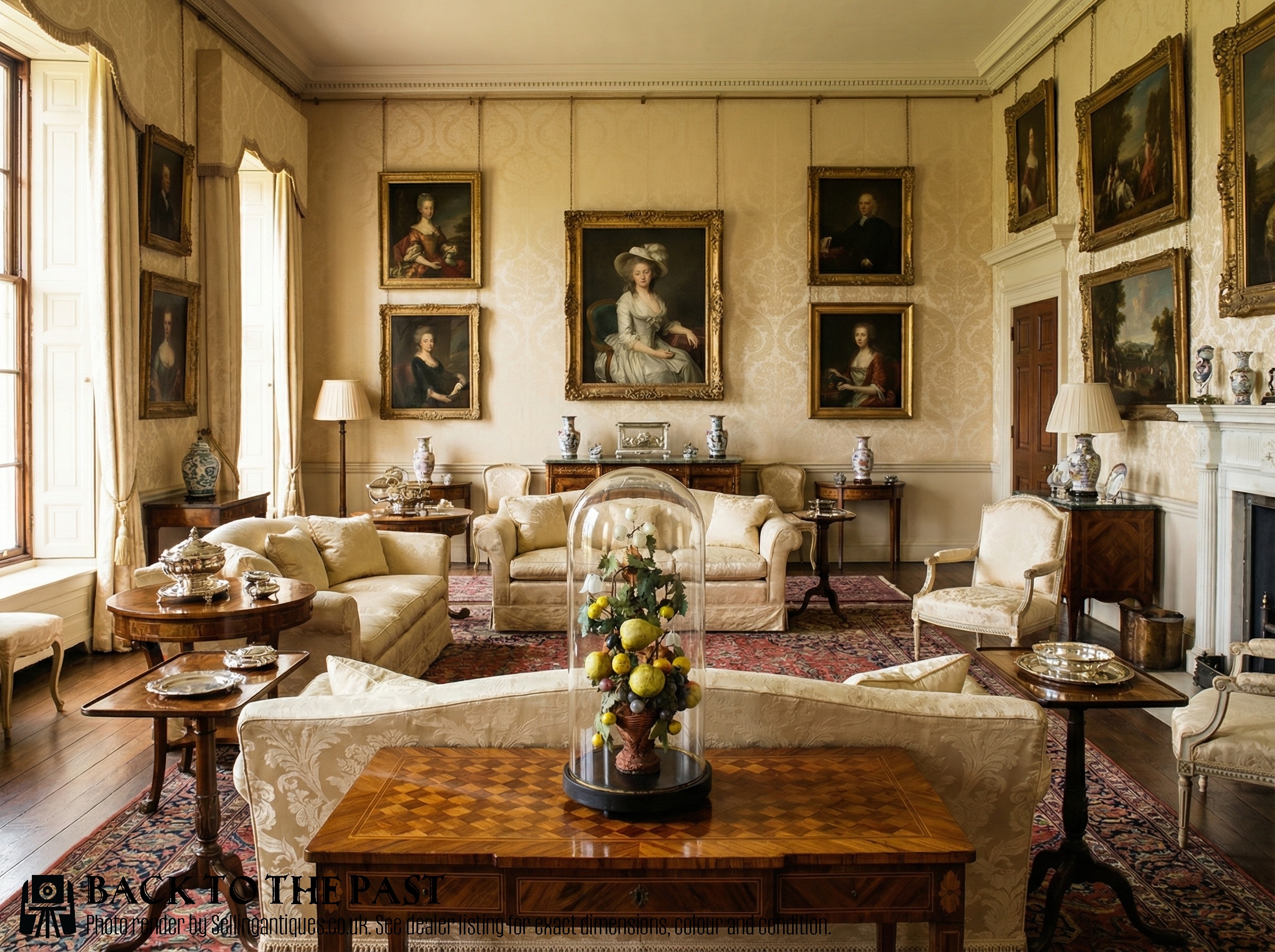
Glass Display Bell Jar
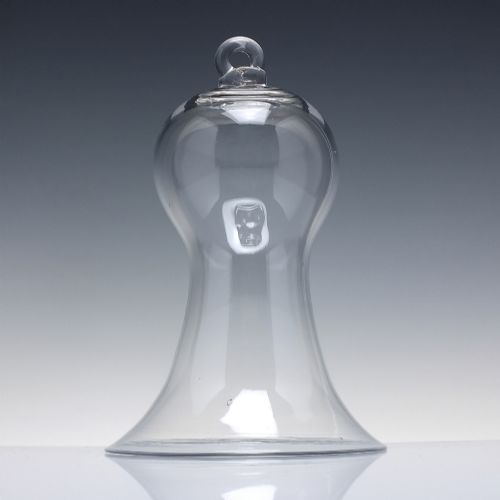
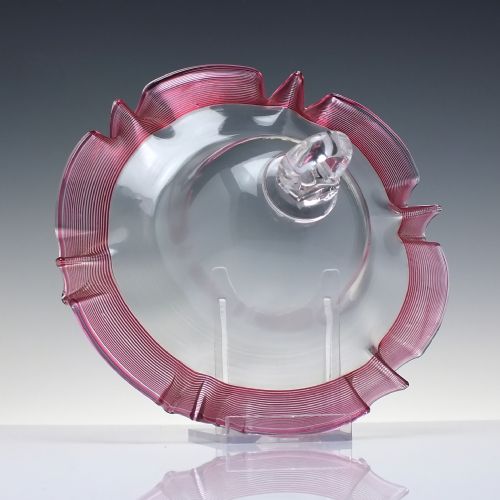
A glass display bell jar encompasses a transparent glass cover placed over a base, protecting delicate contents from dust and damage in the home. These items appear in various forms, including tall showcase specimens, flat-sided domes, and oval collector cases.
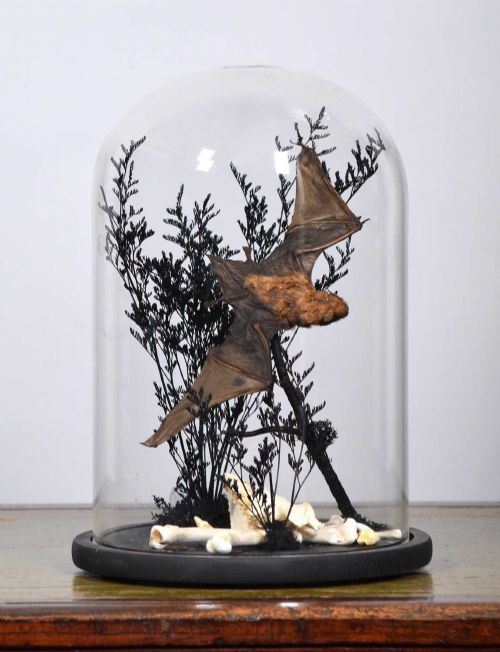
The pieces available originate from the Victorian and Edwardian periods, stretching from the nineteenth century into the early twentieth century. Examples include table displays, clock domes, and specialised taxidermy enclosures designed to house birds, bats, fruit, and beadwork bouquets.
Materials and Construction
Construction relies heavily on blown glass formed into rounded bell or dome shapes, paired with bases fashioned from timber such as oak, beech, pine, and ebonised wood. Interior displays incorporate supporting fabrics like velvet, felt, and fabric to mount specimens securely.
Joinery and assembly reflect the period methods of English cabinet makers, providing stable platforms for fragile displays. Bases often feature recessed grooves to seat the glass securely and protect the contents within.
Glass Display Bell Jar Retail Price Guide 2026
Typical asking prices for glass display bell jar among the pieces listed under this phrase on Sellingantiques today, from the lower quarter to the upper quarter. They describe what is for sale here now, not the wider market.
Snow buntings and pipistrelle bats peer out from beneath nineteenth-century glass.
Build and Proportion
Quality rests in the clarity and weight of the glass bell jar itself, alongside the precision of the wooden base. Thicker glass with fewer bubbles and distortion sits at the higher end of the scale.
Proportion and scale dictate the visual success of the piece, with taller showcase domes and uniform oval shapes offering a balanced frame for the interior display. The integration of original timber bases adds cohesion to the finished object.
The Glass Display Bell Jar Glossary
- Bell jar
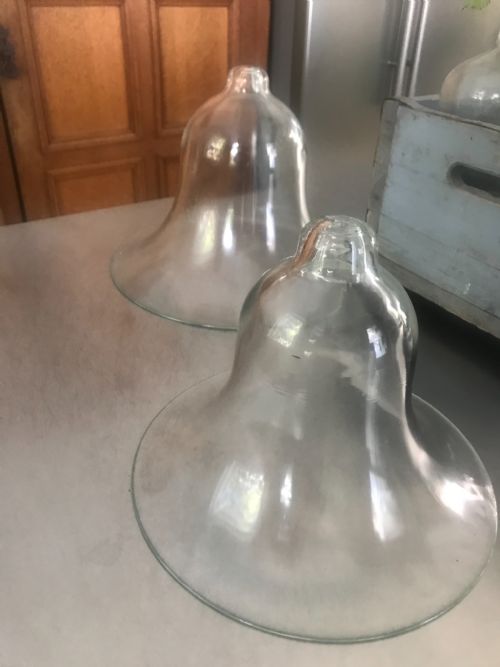
- A rounded glass cover shaped like a bell, used to protect or isolate objects from the surrounding air.
- Cloche
- A bell-shaped glass cover traditionally used in gardening or display to shield delicate items.
- Taxidermy dome
- A glass enclosure specifically proportioned to house preserved animal specimens on a fitted base.
- Ebonised wood
- Timber treated with a finish to imitate ebony, commonly used for the dark bases of display domes.
Glass Display Bell Jar: Frequently Asked Questions
What did people put inside a glass display bell jar?
These enclosures traditionally housed fragile items that required protection from dust in nineteenth-century homes. Contents included taxidermy specimens like birds and bats, still life arrangements of fruits, and intricate beadwork bouquets.
Collectors also utilised them to display botanical specimens, clocks, and delicate ornaments. The transparent glass allowed clear viewing while keeping handling to a minimum.
How do I date a Victorian glass display dome?
Dating relies on examining the characteristics of the glass and the timber base. Victorian and Edwardian examples often feature hand-blown glass with subtle irregularities, paired with ebonised, oak, or pine bases constructed using period joinery.
Later pieces from the twentieth century show different manufacturing marks and more uniform glass production. Comparing the style of the base to known nineteenth-century furniture styles provides further guidance.
How do I clean a vintage glass bell jar?
Cleaning requires removing the glass dome from its wooden base and washing it gently with warm, soapy water. Avoid harsh chemical cleaners that might damage aged surfaces or cloud the glass.
The wooden base should be dusted with a dry cloth, keeping moisture away from antique timber and any delicate interior fabric linings.