



Glass Desk Clock
These pieces known as glass desk clock bring together the utility of timekeeping and the clarity of glass, making them a distinctive addition to any interior.
Glass Desk Clock
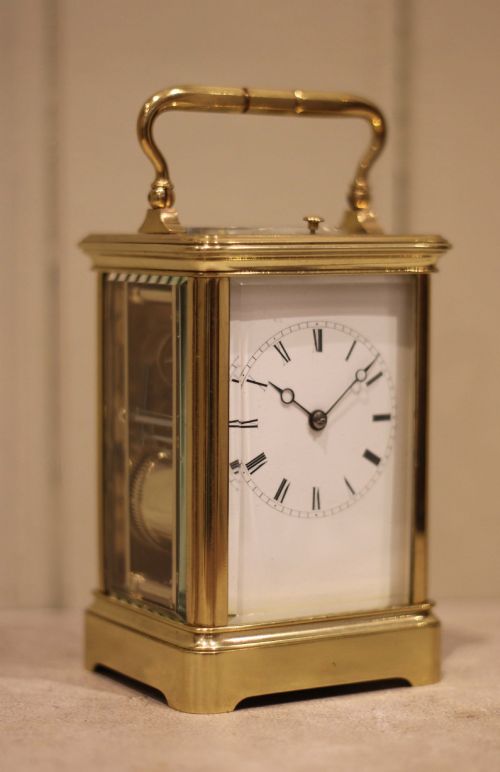
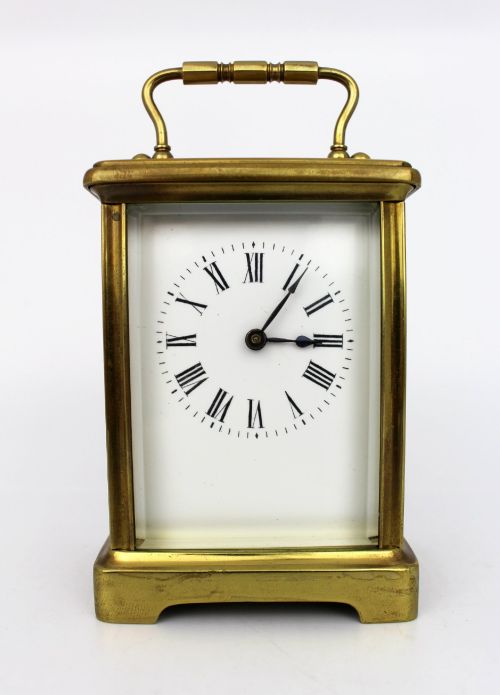
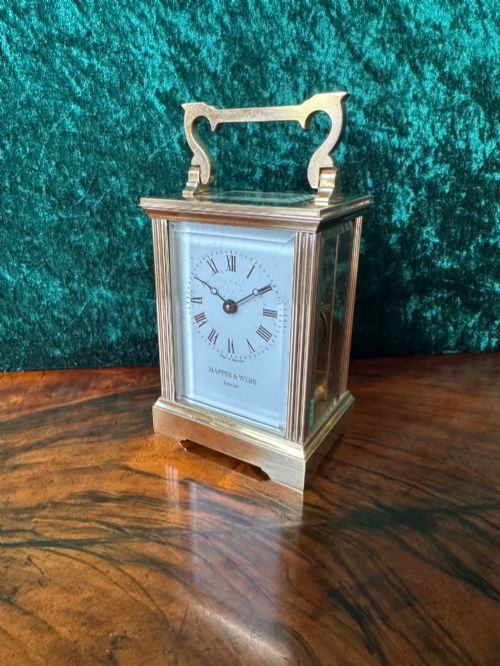
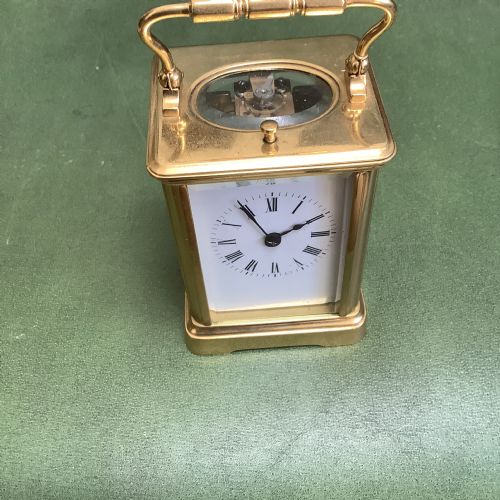
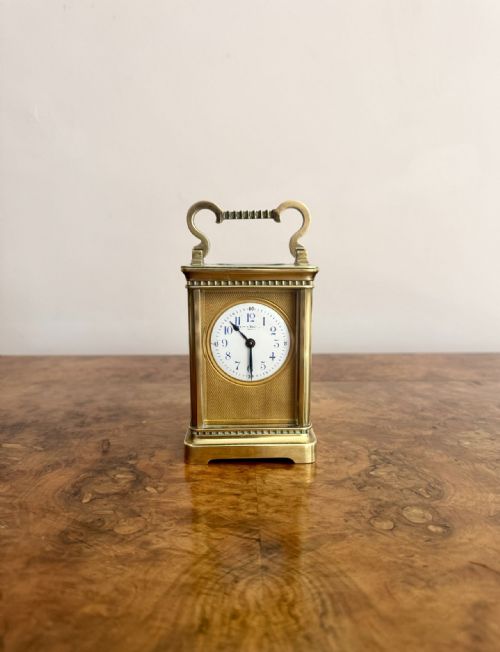
When searching for a glass desk clock, collectors encounter several distinct styles spanning from the nineteenth century into the twentieth century. The selection encompasses carriage clocks, mantel pieces, and four-glass designs housed in brass, gilt elements, and carved wood.
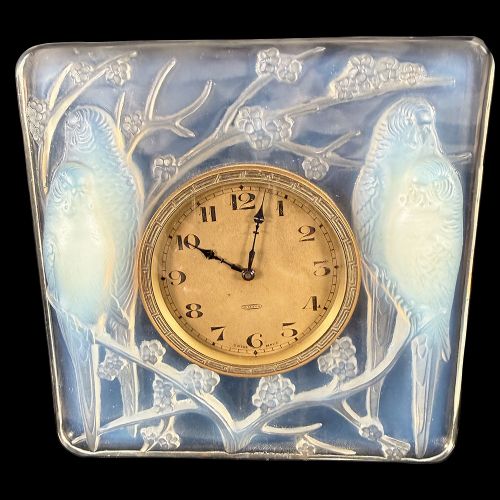
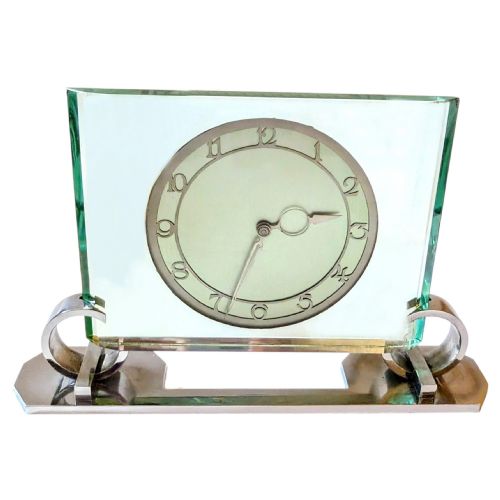
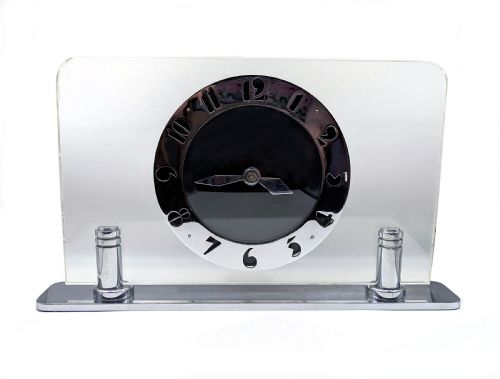
Art Deco examples from the nineteen-thirties frequently utilise peach mirror glass, opalescent glass, or chrome-plated mountings alongside mechanical movements. Victorian and Edwardian iterations tend toward heavy brass frameworks encasing clear glass panels that reveal the internal escapement.
French and English makers dominate the origins found in this category, showing variations from simple travel timepieces to complex chiming mechanisms. Portico clocks featuring cut crystal also appear among the earlier nineteenth-century forms.
How They Were Made
The construction of these timepieces relies heavily on heavy plate glass combined with cast brass, gilt bronze, or chrome-plated metal frames. Enamel dials, painted chapter rings, and precision gear trains form the core of the mechanical movements.
Specialised techniques include opalescent glass moulding, as seen in pieces with love birds, alongside silvered dials and bevelled glass edges. Cabinets incorporate mahogany bases and engraved metal cases to support the transparent housings.
Listings feature items spanning the Victorian era, Art Deco period, and mid-century modern design, utilising brass, glass, and chrome.
What Varies In Quality
The standard of a timepiece is determined by the clarity and thickness of the glass panels alongside the intricacy of the movement. Heavier gilt bronze cases and refined enamel work distinguish finer examples from standard production items.
Signed movements by known makers and the presence of original travel cases or paperwork elevate the standing of a piece. The crispness of the casting on brass mounts and the preservation of original silvering on dials define the upper tier.
Mappin and Webb·Smiths Clockmakers·Richard Winter of Chieveley·John Morley·Duverdrey and Bloquel·Tiffany·Breguet·L Epee
The Glass Desk Clock Glossary
- Carriage clock
- A portable spring-driven timepiece originally designed for travel during the nineteenth century. These items typically feature a glass-panelled brass case and a folding handle on top.
- Four glass clock
- A mantel clock housed in a rectangular brass and glass case that reveals the movement from all sides. This style gained popularity during the Victorian and later periods.
- Skeleton clock
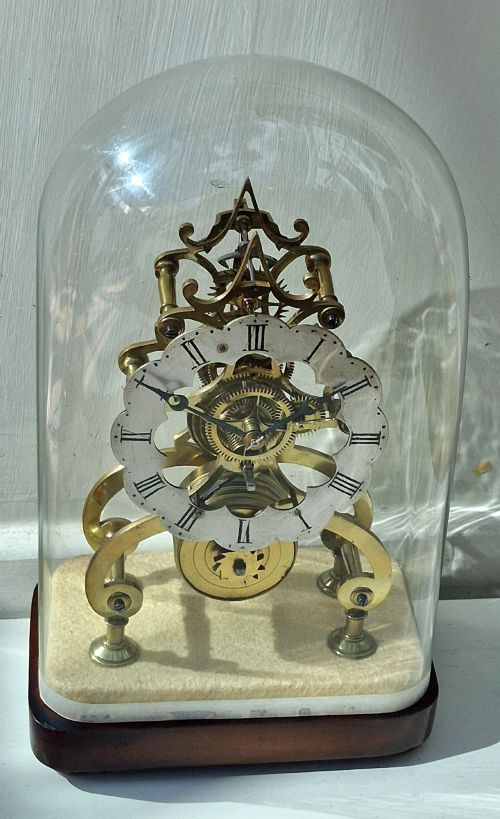
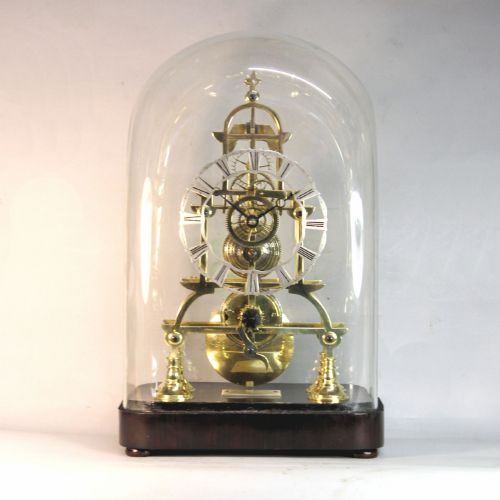
- A timepiece designed with an open framework that exposes the gear train and movement to view. Victorian makers often enclosed these within glass domes.
- Opalescent glass
- A milk-white or translucent glass that displays milky blue or amber tones when lit. This material found favour with Art Deco designers for decorative clock bodies.
- Fusee
- A conical pulley used in mechanical clocks to maintain even power delivery as the mainspring winds down. It represents a mark of higher mechanical complexity.
Glass Desk Clock: Frequently Asked Questions
How do I wind a mechanical desk clock?
Mechanical movements require a key inserted into the winding arbor on the dial or back plate. Turn the key gently until resistance signals the spring is fully tensioned.
Avoid overwinding the mechanism, as this can damage the internal components. Regular maintenance keeps the gear train running smoothly.
What periods do these glass clocks come from?
The pieces span from the nineteenth century through the Art Deco era of the nineteen-thirties. Victorian and Edwardian examples sit alongside later mid-century designs.
Materials and case styles generally reflect the dominant aesthetic of their decade of manufacture. French and English workshops produced the majority of these items.
How should I clean a glass and brass clock?
Wipe glass panels with a soft microfibre cloth and a mild glass cleaner applied to the cloth rather than the clock. Keep liquids away from the brass case and painted dial areas.
Polishing brass requires care to avoid touching the glass or numerals. Professional servicing is recommended for the internal movement.
Are these clocks suitable for daily use?
Many mechanical and electric models remain fully operational for daily timekeeping. Regular gentle handling ensures the delicate glass panels and vintage movements survive intact.
Placing the clock on a stable desk or mantelpiece prevents vibrations that might affect the escapement. Some delicate pieces are best kept as display items.