
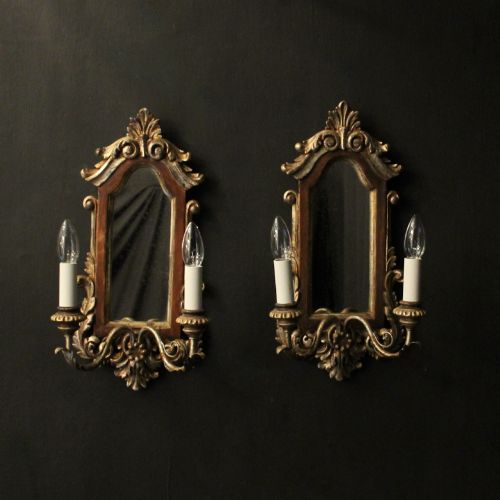
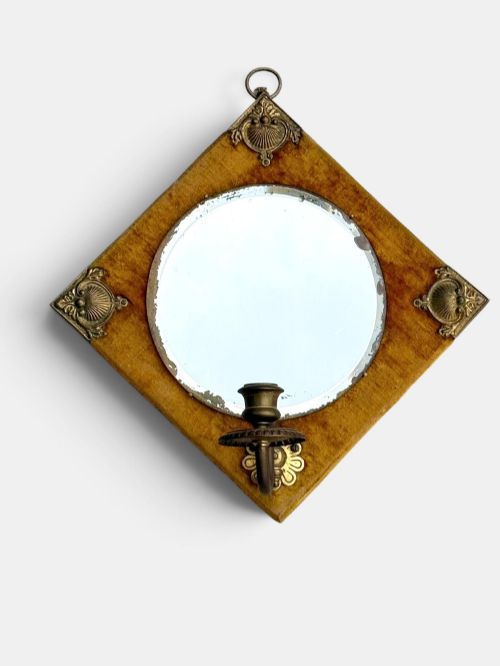
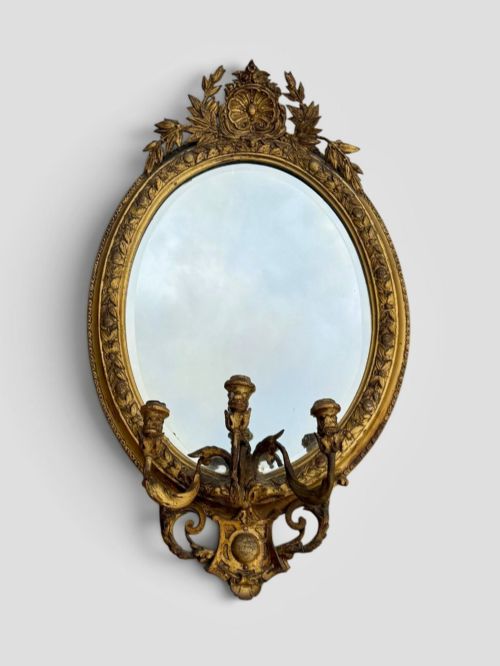
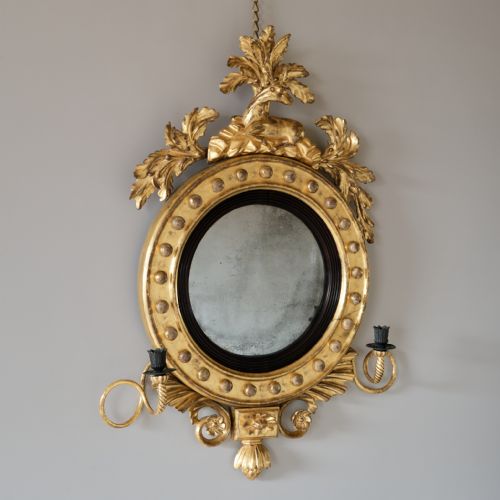

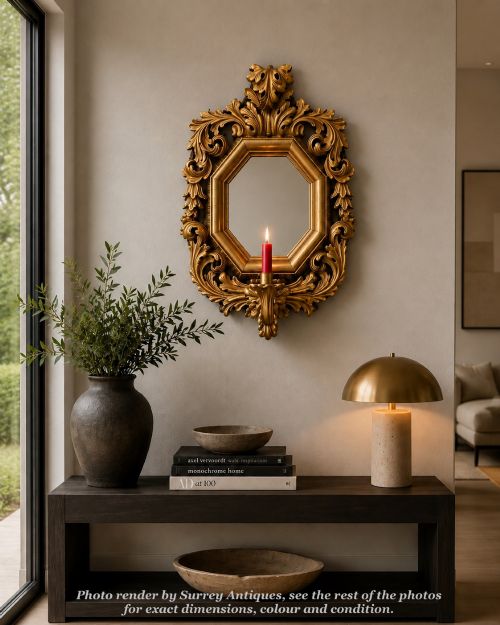

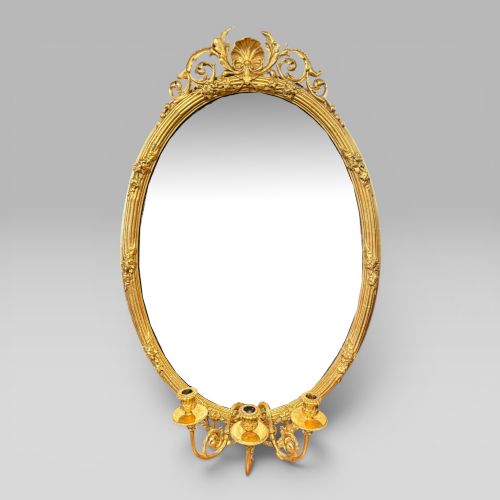
Girandole Wall Mirror
A girandole wall mirror combines reflective glass with integrated candle sconces, bringing ambient illumination and decorative presence to a room.
Girandole Wall Mirror
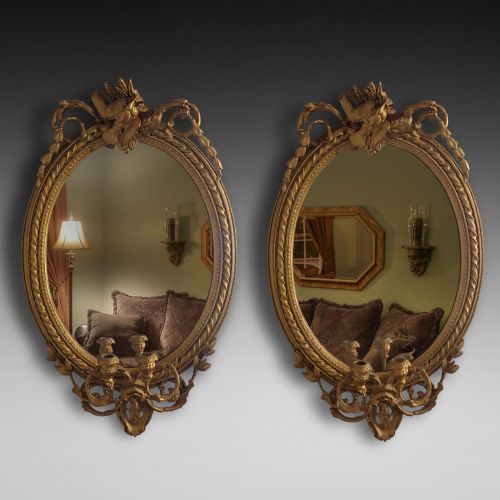
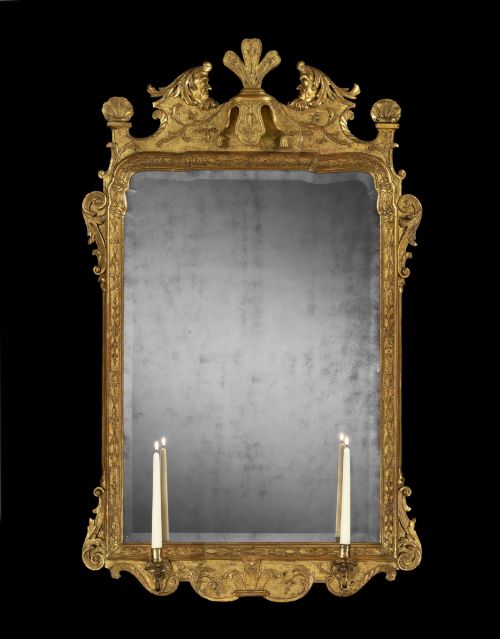
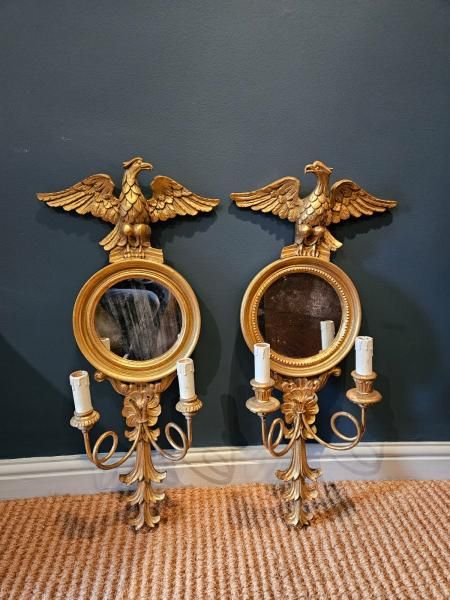
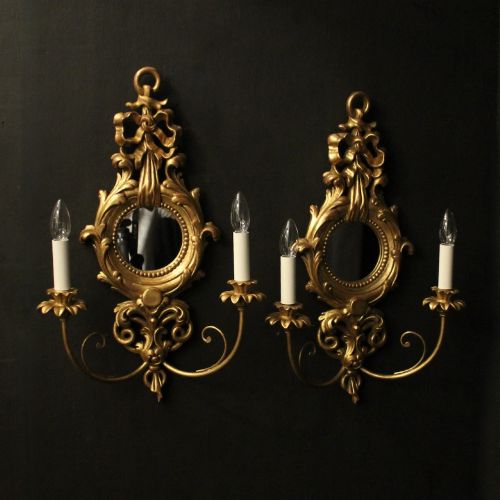
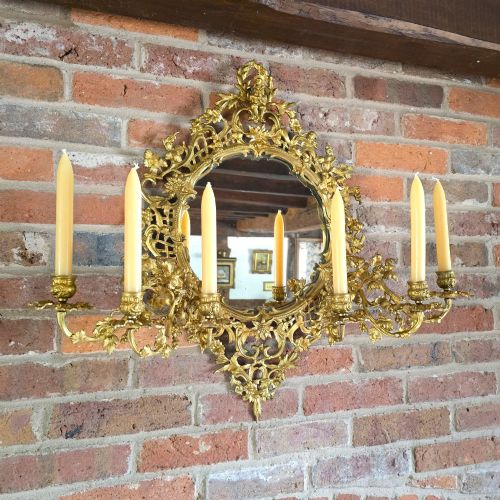
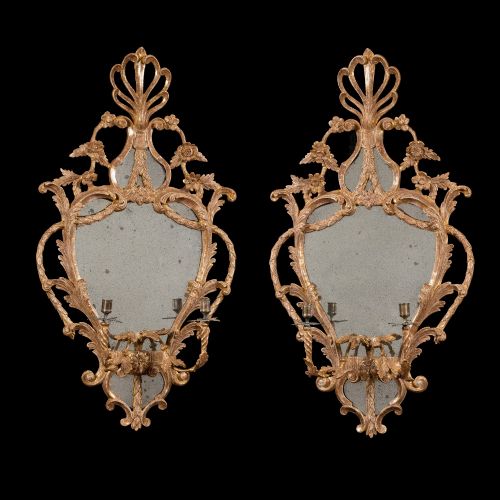
When searching for a girandole wall mirror, you are looking at a specialised form of wall lighting and looking glass combined into a single fixture. These pieces feature protruding arms or brackets designed to hold candles, mounted directly beneath or flanking the reflective plate.
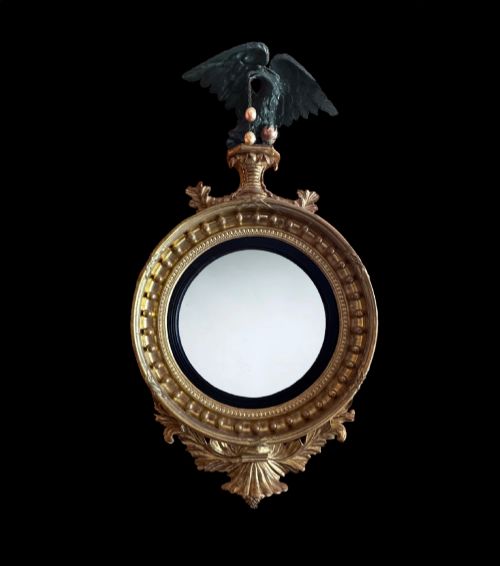
The most common versions encountered on this page date from the nineteenth century, including Regency convex formats and Victorian rococo revival designs, though eighteenth-century examples and early twentieth-century interpretations also appear regularly.
Origins span across English workshops, French ateliers, and Venetian houses, taking the form of round convex mirrors, oval wall looking glasses, and twin-arm candle sconces.
How They Were Made
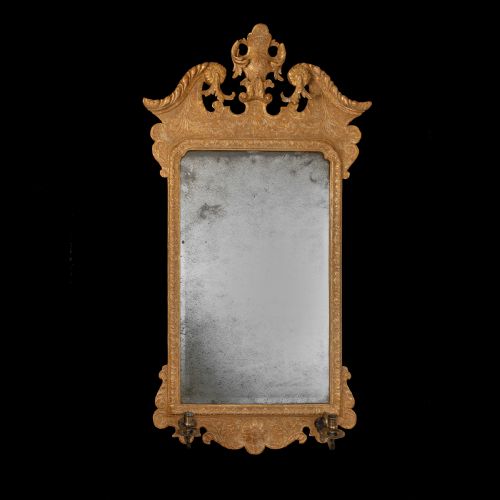
The construction of these pieces relies heavily on carved timber frames built from woods such as ebonised wood or general timber foundations, which are then coated in layers of gesso to receive intricate surface ornament.
Guilders applied thin sheets of gold leaf over the prepared gesso surfaces, often burnishing specific areas to create a contrast between matte and brilliant finishes, while metal variants utilised cast brass, bronze, and ormolu.
Reflective surfaces were traditionally produced using mirror glass panels, sometimes fashioned as convex roundels that offered wide-angle reflections of the interior space.
Girandole Wall Mirror Retail Price Guide 2026
Typical asking prices for girandole wall mirror among the pieces listed under this phrase on Sellingantiques today, from the lower quarter to the upper quarter. They describe what is for sale here now, not the wider market.
Listings feature 19th Century, Regency, Victorian, and 18th Century periods alongside materials such as glass, giltwood, brass, and gesso.
What Varies in Quality
The depth and crispness of the carved ornamentation separate standard production from masterwork examples, particularly in the rendering of foliage, figures, or heraldic motifs on the frame.
The integrity of the original gilt and gesso surface layer determines the preservation status, as secondary over-gilding obscures the sharpness of the underlying hand-tooled details.
The structural stability of the candle arms and their mounting points indicates the level of engineering skill employed during original manufacture.
Cottier and Co·Benjamin Goodison·William Tonks
The Girandole Wall Mirror Glossary
- Girandole
- A branched wall-light or candle sconce incorporating a mirror plate. This combination multiplies the flickering candlelight within the room.
- Convex mirror
- A round looking glass with a bulging curved surface that reflects a wide, fish-eye perspective of the interior. These pieces often feature an eagle or dragon cresting.
- Gesso
- A plaster-like mixture applied to wooden frames as a base for gilding and fine carving. It allows artisans to mould delicate relief decorations.
- Giltwood
- Timber coated with gold leaf or gold paint to simulate solid gold objects. This technique defined formal interior decoration across multiple centuries.
- Candelabra
- A decorative branched candlestick holder integrated into the wall mirror frame. They provided functional illumination alongside the reflective glass.
Girandole Wall Mirror: Frequently Asked Questions
Where should I hang a girandole wall mirror?
These mirrors function best on principal walls in reception rooms or above mantelpieces where they can catch and reflect natural light from windows.
Positioning them at eye level ensures the candle sconces remain balanced and safely accessible for lighting.
How do I clean an antique gilt mirror frame?
Dust the carved surfaces very gently with a soft, dry artist's brush to remove accumulated particles without disturbing fragile leaf.
Avoid all liquid cleaners and commercial polishes, as moisture damages historic gesso and gilding.
Can I actually burn candles in the sconces?
While the arms were originally built to hold lit candles, modern placement often treats them as decorative elements to protect historic finishes from wax drips and smoke.
If you choose to light them, use drip-less candles and monitor the clearance from the mirror plate.